

Winery in Freudenberg am Main, Germany
Ziegler Distillery
500Pearl PointsSpirit Stop
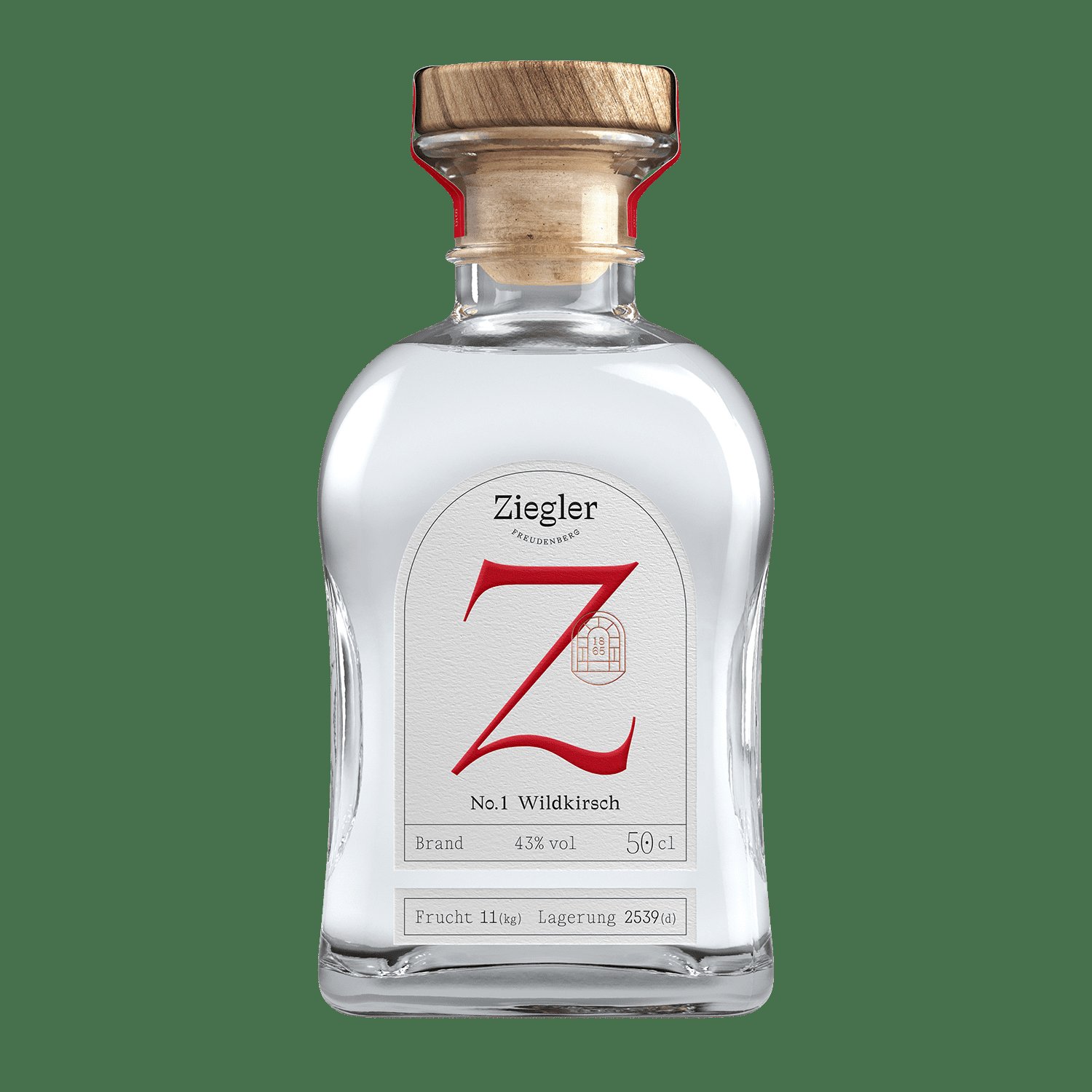
About Ziegler Distillery
Ziegler Distillery is the smarter Freudenberg am Main choice when the trip needs a spirits-focused stop rather than another winery appointment. The 2025 Pearl 2 Star Prestige recognition gives it a clear quality signal, but visitors should not assume food service, a named flagship bottle, or a casual drop-in format without checking ahead.
Is Ziegler Distillery worth noting in Freudenberg am Main? Yes, with a narrow and honest basis: the verified facts here are its Freudenberg am Main location, casual dress code, and Pearl 2 Star Prestige recognition in 2025. Beyond that, do not assume details about tours, tastings, food service, bottle availability, or visit format unless the venue confirms them directly.
The useful signal is recognition: Pearl 2 Star Prestige in 2025 gives Ziegler Distillery a clear place on a quality-minded shortlist. That does not verify what to buy, when to go, or how a visit is structured. Build any plan around confirmed information from the venue, and treat this guide as a concise reference rather than a substitute for current operating details.
Choose this when Ziegler Distillery is the focus
For travelers comparing producer names, Ziegler Distillery should be considered on its own terms. The verified record here does not establish a public tasting format, tour style, menu, pricing, or opening schedule.
Because verified public details are limited, keep the plan disciplined. Do not assume food service, a seated tasting, a full tour format, or drop-in availability. For broader trip planning in Freudenberg am Main, confirm current local dining, lodging, bars, and experiences directly from reliable sources before arranging the day.
How to cross-shop the decision
If the question is where Ziegler Distillery fits among producer-focused plans, compare by venue first. Weingut Rudolf Fürst, Weingut Juliusspital, Weingut Bürgerspital zum Heiligen Geist, Weingut Rainer Sauer, and Weingut Schmitt's Kinder are natural reference points. Ziegler Distillery is the reference point here when the stop is centered on Ziegler Distillery itself.
Do not overread the available data. There is no verified flagship bottle, price range, tasting menu, seating count, tour schedule, or service format in this record. If those details matter, confirm them directly before arranging the day.
Quick reference: prioritize Ziegler Distillery for a Freudenberg am Main stop backed by Pearl 2 Star Prestige in 2025; consider the other named venues when comparing different producer-focused options.
Frequently Asked Questions
Do I need a reservation at Ziegler Distillery?
Reservation requirements are not verified in the available record. If timing matters, contact Ziegler Distillery directly before planning a visit in Freudenberg am Main.
Can Ziegler Distillery handle large groups?
Group capacity is not verified here. Larger parties should confirm directly with the venue before making plans.
When is the best time to visit Ziegler Distillery?
Verified opening hours and ideal visit times are not available in this record. Check the venue's current information before arranging your day in Freudenberg am Main.
Is there a verified membership or club at Ziegler Distillery?
A membership or club offering is not verified here. If membership or regular purchasing is important, confirm directly with Ziegler Distillery before making a decision.
Does Ziegler Distillery serve food?
Food service is not verified in the available record. Do not plan around a meal at the venue unless Ziegler Distillery confirms current details.
How long should I plan for a visit to Ziegler Distillery?
A verified visit length is not available here. Confirm the current format directly with the venue before building it into a Freudenberg am Main itinerary.
What is the flagship bottle at Ziegler Distillery?
No flagship bottle is verified in this record. For comparisons, consider venues such as Weingut Rudolf Fürst or Weingut Juliusspital; for Ziegler Distillery, confirm current offerings directly with the venue.
Location
Hauptstraße 26, 97896 Freudenberg
Freudenberg am Main, Germany
Compare Ziegler Distillery
Comparison
Against Weingut Rudolf Fürst, Ziegler Distillery is the more specialized pick: spirits buyers get the clearer reason to divert, while wine collectors should stay with Fürst. Compared with Weingut Juliusspital and Weingut Bürgerspital zum Heiligen Geist, it is less of a broad wine-country appointment and more of a targeted bottle stop.
Weingut Schmitt's Kinder and Weingut Rainer Sauer make more sense for groups that want a conventional winery rhythm. Ziegler makes more sense for repeat visitors who want contrast after tasting rooms.
Where to Go If This Does Not Fit
If the group wants wine rather than spirits, cross-shop Weingut Rudolf Fürst first for a more wine-led plan. For a broader Franconian winery day, Weingut Juliusspital or Weingut Bürgerspital zum Heiligen Geist will be easier fits for mixed-interest groups.
How It Compares
Ziegler Distillery is the outlier in this set because it is a spirits decision, not a winery decision. Choose it if the goal is a bottle with after-dinner or gifting use; choose Weingut Rudolf Fürst if the trip is built around serious wine buying and cellar depth.
Weingut Juliusspital and Weingut Bürgerspital zum Heiligen Geist are better fits for travelers who want a more classic Franconian wine stop with broader itinerary appeal. Ziegler is more specialized, so it works better as a deliberate add-on than as the anchor for a wine day.
For a lower-pressure alternative, consider Weingut Schmitt's Kinder or Weingut Rainer Sauer when the group wants wine rather than spirits. If booking here proves difficult, those peers are the cleaner cross-shops for a regional tasting plan.
Explore Freudenberg am Main
Save or rate Ziegler Distillery on Pearl
Keep this venue in your Pearl passport, rate it after you visit, and track it alongside every other place you collect.