

Winery in Fort Worth, United States
Blackland Distillery
500Pearl PointsCity-Trip Distillery
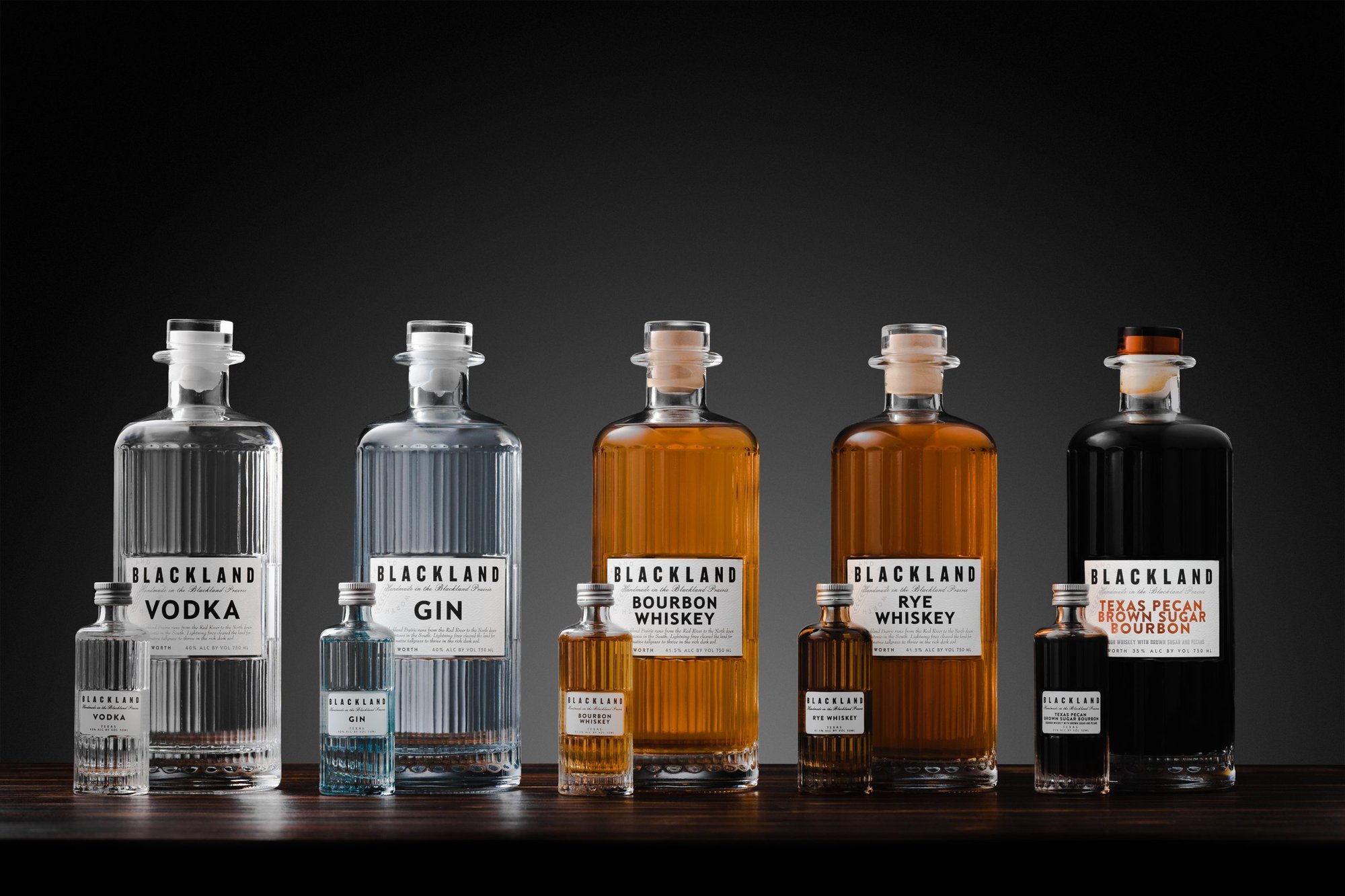
About Blackland Distillery
Blackland Distillery is worth considering for a Fort Worth drinks itinerary when the goal is a city-based distillery stop rather than a vineyard-style wine tasting. Cross-shop Firestone & Robertson Distilling (TX Whiskey) if Texas whiskey is the main draw, or Lost Oak Winery if the priority is a winery visit.
Blackland Distillery is a Fort Worth venue with a casual dress code and Pearl 2 Star Prestige recognition for 2025. The verified details are limited, so the safest way to frame it is as a Fort Worth distillery consideration rather than a page built around unverified menu, tour, tasting, food, pricing, or hours claims.
Use this guide as a narrow decision aid: choose Blackland Distillery when you specifically want to consider a distillery in Fort Worth. If you need confirmed details about service format, specific drinks, food, group policies, or visit length, verify those directly before making plans.
Choose it for a Fort Worth distillery stop
The grounded distinction is simple: Blackland Distillery is a Fort Worth distillery. If you are comparing it with another named option such as Lost Oak Winery, keep the decision focused on the kind of stop you want and confirm the practical details directly.
There is not enough verified information here to make claims about flagship bottles, tasting formats, tour structure, food service, pricing, or bottle-purchase value. Treat the page as a starting point for comparing venue type and city fit, then confirm practical details before you go.
How to decide between this and other drinks options
For another spirits-related comparison, Firestone & Robertson Distilling (TX Whiskey) is a natural cross-shop by name and broad category. Blackland Distillery remains the relevant choice if you are focused on this specific Fort Worth venue and its Pearl 2 Star Prestige recognition for 2025.
If the itinerary is broader than drinks, pair this decision with Fort Worth guides rather than forcing it to carry the whole day: Our full Fort Worth restaurants guide, Our full Fort Worth bars guide, Our full Fort Worth hotels guide, Our full Fort Worth wineries guide, Our full Fort Worth experiences guide.
Quick reference: consider Blackland Distillery for a casual Fort Worth distillery stop; confirm service details directly if you need specifics on food, tours, tastings, pricing, hours, or group planning.
Frequently Asked Questions
When is the best time to visit Blackland Distillery?
No verified hours or best-time guidance is listed here. Plan around your Fort Worth itinerary and confirm current operating details directly before you go.
What is Blackland Distillery best for?
Based on the verified information here, Blackland Distillery is best considered as a casual Fort Worth distillery with Pearl 2 Star Prestige recognition for 2025. Specific drinks, tastings, tours, menus, prices are not verified here.
Does Blackland Distillery offer shipping?
No shipping details are verified for Blackland Distillery. If shipping matters to your plans, confirm directly with the venue before relying on it.
Does Blackland Distillery have a club or membership program?
No club or membership details are verified for Blackland Distillery. Do not plan around member access or benefits unless you confirm them directly with the venue.
How long should I plan for a visit to Blackland Distillery?
No verified visit length, tour format, or tasting format is listed here. Treat it as a Fort Worth stop to confirm directly, especially if you are planning a tight schedule.
Does Blackland Distillery serve food?
No verified food-service details are listed here. If food is part of your plan, confirm directly before visiting or pair the stop with other Fort Worth dining.
Can Blackland Distillery handle large groups?
No verified group-policy details are listed here. For group planning, check the venue's official channels and compare with other options such as Firestone & Robertson Distilling (TX Whiskey) if you need a structured visit.
Location
2616 Weisenberger St, Fort Worth, TX 76107
Fort Worth, United States
Compare Blackland Distillery
| Venue | Location | Awards |
|---|---|---|
| Blackland Distillery | Fort Worth | Pearl 2 Star Prestige (2025) |
| Firestone & Robertson Distilling (TX Whiskey) | Fort Worth | , |
| Lost Oak Winery | Burleson | , |
| Bendt Distilling Co. | Lewisville | , |
| Herman Marshall Distillery | Garland | , |
| Lone Elm (Five Points Distilling) | Forney | , |
How Blackland Distillery Fort Worth compares with similar nearby venues.
Where to look if this is not the right fit
If the brief is Texas whiskey, start with Firestone & Robertson Distilling (TX Whiskey). If the brief is wine tasting, Lost Oak Winery is the more relevant alternative.
How Blackland Distillery compares in Fort Worth and nearby
Blackland Distillery is the better fit when convenience matters: it is in Fort Worth, so it works as part of a city itinerary without turning the day into a regional drive. Firestone & Robertson Distilling (TX Whiskey) is the sharper choice for someone specifically chasing a Texas whiskey identity, while Blackland is the more general city distillery pick.
For wine drinkers, Lost Oak Winery is the more logical alternative because it reads as a winery rather than a spirits stop. Bendt Distilling Co. Herman Marshall Distillery, Lone Elm (Five Points Distilling) make more sense for readers willing to leave the immediate Fort Worth plan for a distillery-focused comparison.
Value depends on the kind of outing being planned. Blackland is the efficient pick for a Fort Worth stop with a polished spirits focus; Lost Oak is better for a wine-first day; Firestone & Robertson is better for whiskey specificity. For larger groups or tight schedules, confirm details before building the whole itinerary around any one stop.
Save or rate Blackland Distillery on Pearl
Keep this venue in your Pearl passport, rate it after you visit, and track it alongside every other place you collect.