

Winery in Forney, United States
Lone Elm (Five Points Distilling)
500Pearl PointsDistillery-first
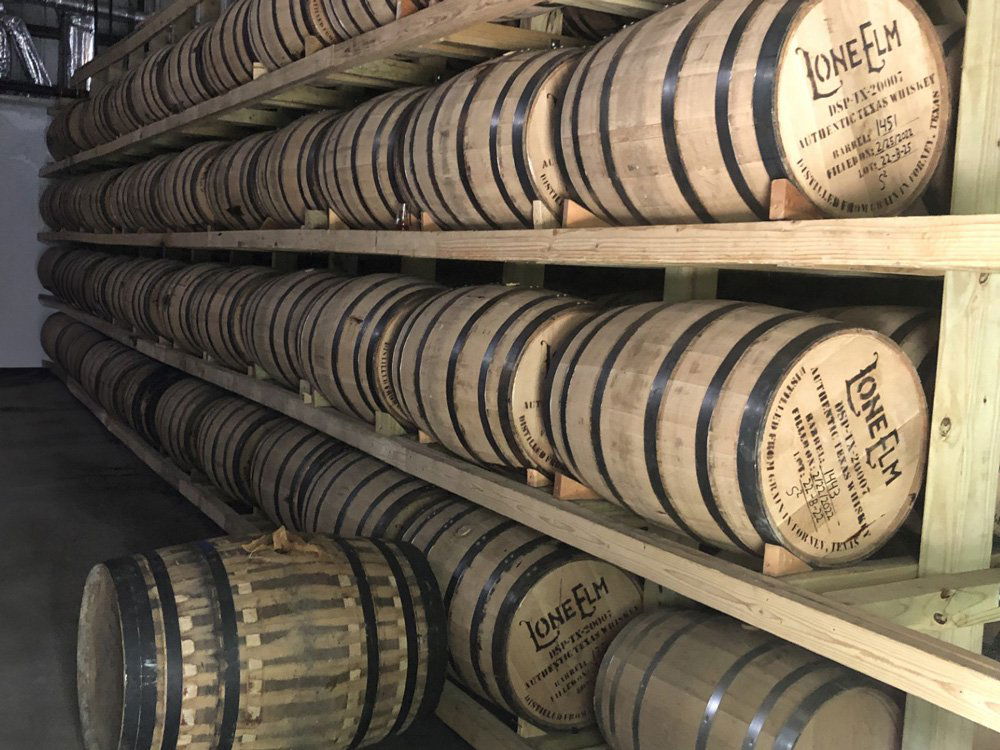
About Lone Elm (Five Points Distilling)
Lone Elm (Five Points Distilling) is worth considering if the draw is a Forney-based Texas distillery rather than a guaranteed tasting-room package. It suits spirits-focused travelers who are comfortable confirming logistics first; larger groups or visitors wanting food, fixed hours, a polished hospitality setup should compare nearby distillery peers before planning around it.
Lone Elm (Five Points Distilling) is a Forney venue with limited verified planning detail. The confirmed basics are direct: it is listed in Forney, the dress code is casual, it holds Pearl 2 Star Prestige (2025). Beyond that, visitors should avoid building plans around unverified assumptions about food, hours, tastings, tours, seating, or group formats.
The useful way to approach Lone Elm (Five Points Distilling) is as a specific Forney stop rather than a fully documented itinerary anchor. If you need firm practical details before committing, confirm directly through the venue's current channels and keep other Forney plans flexible.
A Forney venue with limited verified planning detail
This is not the place to over-plan based on details that are not verified here. The confirmed record establishes the casual dress code and Pearl 2 Star Prestige (2025), but does not verify cuisine, pricing, hours, a flagship product, a tasting format, or seating capacity. That makes the venue most suitable for visitors who are specifically interested in Lone Elm (Five Points Distilling) and comfortable checking current logistics before going.
For trip planning around the area, use broader Forney resources for dining, bars, hotels, experiences rather than treating this page as a complete logistics guide. Lone Elm (Five Points Distilling) can be part of a Forney plan, but the verified information here is intentionally narrow.
Book this only if Lone Elm (Five Points Distilling) is the point
The practical verdict is simple: consider Lone Elm (Five Points Distilling) if the venue itself is the reason for the stop. The verified details support it as a notable Forney listing, but they do not establish a guaranteed food program, tour schedule, tasting-room format, or large-group setup. Confirm the current details before making it the center of a day.
If you are comparing it with other venues, relevant names to consider include Bendt Distilling Co. Blackland Distillery, Firestone & Robertson Distilling (TX Whiskey), Herman Marshall Distillery, Lost Oak Winery. Use those comparisons naturally based on the kind of visit you want, while keeping Lone Elm (Five Points Distilling) grounded as a Forney option with casual dress and Pearl 2 Star Prestige (2025).
Frequently Asked Questions
Can Lone Elm (Five Points Distilling) handle large groups?
Do not assume a large-group setup from the verified information here. The confirmed record shows Lone Elm (Five Points Distilling) is in Forney, has a casual dress code, holds Pearl 2 Star Prestige (2025), but group booking details are not verified. Confirm directly before planning a group visit.
When is the best time to visit Lone Elm (Five Points Distilling)?
The verified information here does not include hours or a visit schedule. Treat Lone Elm (Five Points Distilling) as a Forney stop that requires current confirmation before you go, especially if the timing matters.
What is verified about Lone Elm (Five Points Distilling)?
The verified details are limited: Lone Elm (Five Points Distilling) is in Forney, has a casual dress code, holds Pearl 2 Star Prestige (2025). Other practical details should be confirmed directly with the venue.
Should I plan around a specific program or format at Lone Elm (Five Points Distilling)?
No specific program, schedule, or visit format is verified here for Lone Elm (Five Points Distilling). Base any plans on current information from the venue itself rather than assumptions from this listing.
What other venues might be useful comparisons for Lone Elm (Five Points Distilling)?
Lost Oak Winery is one comparison named here. Other venue comparisons include Herman Marshall Distillery, Bendt Distilling Co. Firestone & Robertson Distilling (TX Whiskey), and Blackland Distillery.
Does Lone Elm (Five Points Distilling) offer shipping or off-site services?
Do not assume shipping or other off-site services from the verified information here. No such policy is confirmed in this record, so check directly with Lone Elm (Five Points Distilling) before planning around it.
Does Lone Elm (Five Points Distilling) serve food?
Food service is not verified for Lone Elm (Five Points Distilling). If a meal is part of the plan, research other Forney dining options and confirm current details with the venue before visiting.
Location
8575 Union Hill Rd, Forney, TX 75126
Forney, United States
Compare Lone Elm (Five Points Distilling)
| Venue | Location | Awards |
|---|---|---|
| Lone Elm (Five Points Distilling) | Forney | Pearl 2 Star Prestige (2025) |
| Herman Marshall Distillery | Garland | , |
| Bendt Distilling Co. | Lewisville | , |
| Firestone & Robertson Distilling (TX Whiskey) | Fort Worth | , |
| Blackland Distillery | Fort Worth | , |
| Lost Oak Winery | Burleson | , |
How Lone Elm (Five Points Distilling) Forney: Pearl Guide compares with similar nearby venues.
Also Consider
- Herman Marshall Distillery, Notable alternative
- Bendt Distilling Co., Notable alternative
- Firestone & Robertson Distilling (TX Whiskey), Notable alternative
- Blackland Distillery, Notable alternative
- Lost Oak Winery, Notable alternative
How It Compares
Lone Elm (Five Points Distilling) is the Forney-specific choice in this set, which gives it the clearest appeal for travelers already east of Dallas. Herman Marshall Distillery and Bendt Distilling Co. are stronger cross-shops if the priority is a more established North Texas distillery stop rather than a Forney-centered detour.
For visitors weighing ambiance and ease, Firestone & Robertson Distilling (TX Whiskey) and Blackland Distillery are the safer comparisons to check first, especially if the day needs a clearer hospitality format. Lone Elm is a better fit when the point is regional specificity, while those peers make more sense for travelers who want a broader distillery outing with fewer unknowns.
If the group includes wine drinkers, Lost Oak Winery is the easier alternative to consider because it shifts the experience away from spirits entirely. Choose Lone Elm for a focused distillery stop; choose Lost Oak when the group wants a winery-style visit and a softer entry point for mixed preferences.
Explore Forney
Save or rate Lone Elm (Five Points Distilling) on Pearl
Keep this venue in your Pearl passport, rate it after you visit, and track it alongside every other place you collect.