

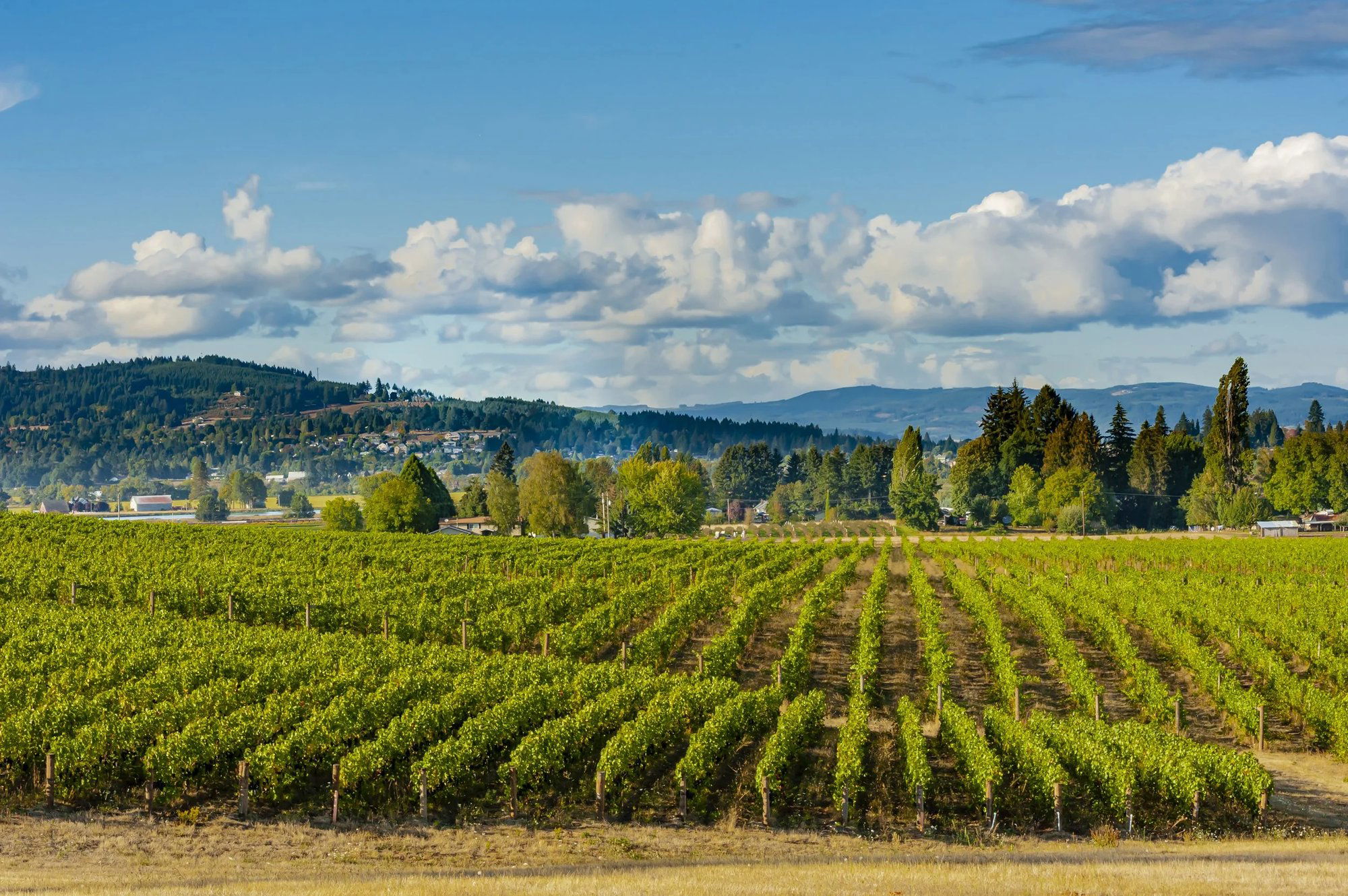
Montinore Estate
Forest Grove
Winery in Forest Grove, United States
 Book with Pearl
The Read
Estate-Scale Biodynamic Viticulture
Why go
Plan Montinore Estate as a deliberate Forest Grove wine stop, not a casual extra between tastings. It is strongest for travelers who want a quieter, research-led Oregon winery visit and are willing to plan early; compare Youngberg Hill for ambiance and 00 Wines for a more collector-coded experience.
About Montinore Estate
Montinore Estate is a Forest Grove venue with a casual dress code and 2 Star Prestige recognition for 2025. Practical details are limited, so the safest planning approach is to avoid assuming a particular service format, menu, schedule, price point, or visit structure.
The useful way to think about this choice is itinerary fit. If the day is centered on Forest Grove, consider Montinore Estate as one possible stop and keep the rest of the plan flexible. For broader local planning, fill any gaps with Our full Forest Grove restaurants guide and other Forest Grove resources.
A visit to plan around, not squeeze between stops
For comparison-driven planners, Montinore Estate can be considered alongside 00 Wines, Ken Wright Cellars, Resonance (Jadot), The Eyrie Vineyards, and Youngberg Hill. Use those names as reference points for broader planning, but keep Montinore Estate's own page grounded in what is confirmed: Forest Grove, casual dress, and 2 Star Prestige recognition for 2025.
Who should choose it over the better-known names
Choose Montinore Estate if a Forest Grove stop with a confirmed 2 Star Prestige signal fits the day you are building. That recognition is a useful shortlist marker, not a promise of a specific visit format, hospitality style, food offering, or luxury experience.
For an explorer building a longer route, Montinore Estate is best treated as a Forest Grove anchor candidate rather than a universal substitute for every nearby option. Pair it with confirmed dining, lodging, or transportation plans, and verify current details before relying on any specific service or schedule.
Planning details
- Location
- 216 NE 3rd St, McMinnville, OR 97128
- Website
- montinore.com
- Phone
- +15033595012
The take
The Take
The Vibe
Montinore Estate presents a measured, terroir-first personality: vineyards and soils are front and center, and the writing privileges restraint over flash. The piece frames the property as a serious, considered producer—biodynamic farming and a cooler coastal influence yield wines that favor structure and aromatic nuance rather than immediate fruit weight. The tone is quietly authoritative rather than flashy; this is a place for tasters who appreciate technique, lineage and the slow logic of site-driven wines. Expect an understated, classic tasting experience rooted in the estate’s farming and climate narrative.
Best For
Montinore is well suited to visitors seeking wine education, solo exploration and small group outings. The copy emphasizes terroir, biodynamics and the mechanics of ripening in the Tualatin Valley, making the estate a good fit for guests who want to learn about site-driven viticulture and cooler-climate Pinot noir styles. Solo visitors will appreciate the contemplative, restrained character the estate highlights, while small groups can use tasting time to compare structural differences across bottlings and discuss farming philosophy. It reads as a study‑focused tasting stop rather than a party destination.
Tasting Tips
When tasting at Montinore, prioritize wines that exemplify the estate’s emphasis on restraint and structure—labels described in the text as building "aromatic complexity without accumulating the alcohol levels that can blunt the precision of cooler-climate varieties" will show the property’s signature. Ask staff about biodynamic practices and how specific vineyard sites or parcels express sedimentary and silty loam soils versus iron-rich Jory deposits. If the goal is to understand the estate’s identity, choose a comparative flight or vertical pours that let you judge tension, acidity and age-worthiness rather than high immediate fruit concentration.
Venue details
Ambiance
Relaxed and airy tasting room with natural light, high ceilings, light wood finishes, and a deck offering valley and vineyard views.
Tags
Vibe
Best For
Experience
Sourcing
View
Accessibility
At the Vineyard
- Appellation
- Tualatin Hills AVA
- Varietals
- Pinot Noir, Pinot Gris, Riesling, Gewürztraminer, Müller-Thurgau
- Tour Duration
- 60-90 minutes
- Visits
- By appointment only
- Farming
- Biodynamic
- Wine Styles
- Still Red, Still White, Still Rose, Sparkling
- Food Pairing
- Offered
- Wine Club
- Not available
Know before you go
Know Before You Go
- Getting there
- 216 NE 3rd St, McMinnville, OR 97128
Planning details
Location
Also consider
Where to look if this does not fit the plan
Try Youngberg Hill if the group wants more emphasis on ambiance and a slower countryside feel. Choose 00 Wines if the trip is more collector-led and the winery appointment is meant to be the main event.
Winery context
How Montinore Estate compares in the Willamette Valley set
Montinore Estate is the Forest Grove pick for travelers who want a measured Oregon winery stop without turning the day into a multi-town sprint. Youngberg Hill is the better fit if ambiance is the priority, especially for visitors who want the winery experience to feel more like a countryside stay. Montinore is the more practical choice when the goal is a focused tasting stop anchored near Forest Grove.
For collectors, 00 Wines carries a more specialized feel, while The Eyrie Vineyards is the stronger comparison for travelers who care about Oregon wine history. Resonance (Jadot) suits visitors who want a Burgundy-linked Willamette Valley frame. Montinore is easier to justify when the itinerary is built around Forest Grove rather than chasing the broadest regional name recognition.
Ken Wright Cellars is the better cross-shop for Pinot-focused regional depth, particularly if the day already points toward Carlton. If booking difficulty is the deciding factor, keep multiple options in play and prioritize whichever appointment aligns with the route. For value, Montinore works when it reduces driving time and keeps the day coherent; the others make more sense when their location or narrower wine focus matches the trip.
Explore Forest Grove
Around this place
Discover more on Pearl
Unlock the full Montinore Estate guide in Pearl, including awards, comparisons, FAQs, planning details, and nearby places.
Compare Montinore Estate
| Venue | Location | Awards |
|---|---|---|
| Montinore Estate | Forest Grove | No published awards |
| The Eyrie Vineyards | McMinnville | No published awards |
| Youngberg Hill | McMinnville | No published awards |
| 00 Wines | Carlton | 2025 Pearl 4 Star Prestige |
| Resonance (Jadot) | Carlton | No published awards |
| Ken Wright Cellars | Carlton | No published awards |

How Montinore Estate, Forest Grove compares with similar nearby venues.
FAQ
Frequently Asked Questions
Are membership details at Montinore Estate confirmed?
Membership terms, benefits, pricing, and access are not specified here. If membership matters to your visit, confirm the current policy directly with Montinore Estate before joining or planning around it.
Can Montinore Estate handle large groups?
Group capacity and a large-party policy are not specified here. Plan conservatively and contact Montinore Estate in advance if you are visiting with a group.
Does Montinore Estate serve food?
Food service is not specified here. Treat Montinore Estate as a Forest Grove stop and confirm current offerings directly before relying on a meal there.
What other venues should I compare with Montinore Estate?
For broader planning, compare Montinore Estate with 00 Wines, Ken Wright Cellars, Resonance (Jadot), The Eyrie Vineyards, and Youngberg Hill. Montinore Estate's confirmed facts are its Forest Grove location, casual dress code, and 2 Star Prestige recognition for 2025.
How long should I plan for a visit to Montinore Estate?
Does Montinore Estate offer shipping?
Shipping availability and policy are not specified here. If shipping matters, ask Montinore Estate directly before planning around it.