
Weingut Keller
Flörsheim-Dalsheim
Winery in Flörsheim-Dalsheim, Germany
 Book with Pearl
The Read
Limestone-Driven Rheinhessen Precision
Price
$50–100tasting
Why go
Weingut Keller is worth targeting for a serious Rheinhessen wine itinerary, but only with confirmed access. Treat it as a high-effort producer visit rather than a casual tasting-room stop; for a simpler Flörsheim-Dalsheim plan, cross-shop Sekthaus Raumland and build the rest of the day through nearby wineries, restaurants, and hotels.
About Weingut Keller
Weingut Keller is a Flörsheim-Dalsheim venue with Pearl 4 Star Prestige recognition for 2025. Dress smart casual for a visit, and confirm any visit-specific details directly before building an itinerary around it.
If you are comparing other names, Sekthaus Raumland, Weingut Battenfeld-Spanier, Weingut Kühling-Gillot, Weingut Weedenborn, and Weingut Wittmann are natural reference points, while other Flörsheim-Dalsheim options can be researched generically by current availability. The value of that comparison is not that these places should be expected to operate alike, but that they help frame the wider set of possibilities a traveler may be weighing.
Book this for confirmed plans, not assumptions
The safest way to approach Weingut Keller is to confirm the exact nature of any visit before arranging hotels, meals, or onward transport around it. The venue is in Flörsheim-Dalsheim, has a smart casual dress code, and holds Pearl 4 Star Prestige recognition for 2025. Confirm the public tasting schedule, food service, prices, capacity, shipping, and booking process directly before you plan around them.
That makes planning discipline important. If you want a day centered on Weingut Keller, verify the details first, ideally before you commit other pieces of the trip around a presumed appointment or visit format. If you want a more flexible outing, compare current availability across other options and avoid assuming that every venue visit works the same way. A smart casual dress code is useful to know, but it is not a substitute for confirming whether the visit you have in mind is possible, when it may take place, or what it may include.
How to think about the visit structure
The visit structure should remain an open question until confirmed by the venue. Do not rely on assumptions about menus, tastings, group size, opening hours, purchase logistics, or special services. The most accurate approach is to separate what is known from what is not: the location, recognition, and dress guidance are confirmed here, while the mechanics of an actual visit require direct confirmation.
For travelers comparing notable names, Weingut Keller can be considered alongside Sekthaus Raumland, Weingut Battenfeld-Spanier, Weingut Kühling-Gillot, Weingut Weedenborn, and Weingut Wittmann without implying that they offer the same visitor experience. Each should be checked on its own current terms. This is especially important if your schedule depends on a particular style of stop, since availability, format, and practical arrangements should not be inferred from another venue's presence in the same conversation.
Quick reference: Weingut Keller is in Flörsheim-Dalsheim, has a smart casual dress code, and holds Pearl 4 Star Prestige recognition for 2025. Confirm all visit logistics directly before making firm plans. If those details are confirmed, the page can support a more confident itinerary; until then, it should remain a restrained, useful planning note rather than a complete guide to the experience.
Planning details
- Location
- Bahnhofstraße 1, 67592 Flörsheim-Dalsheim
- Website
- keller-wein.de
- Phone
- +49 6243 456
The take
The Take
The Vibe
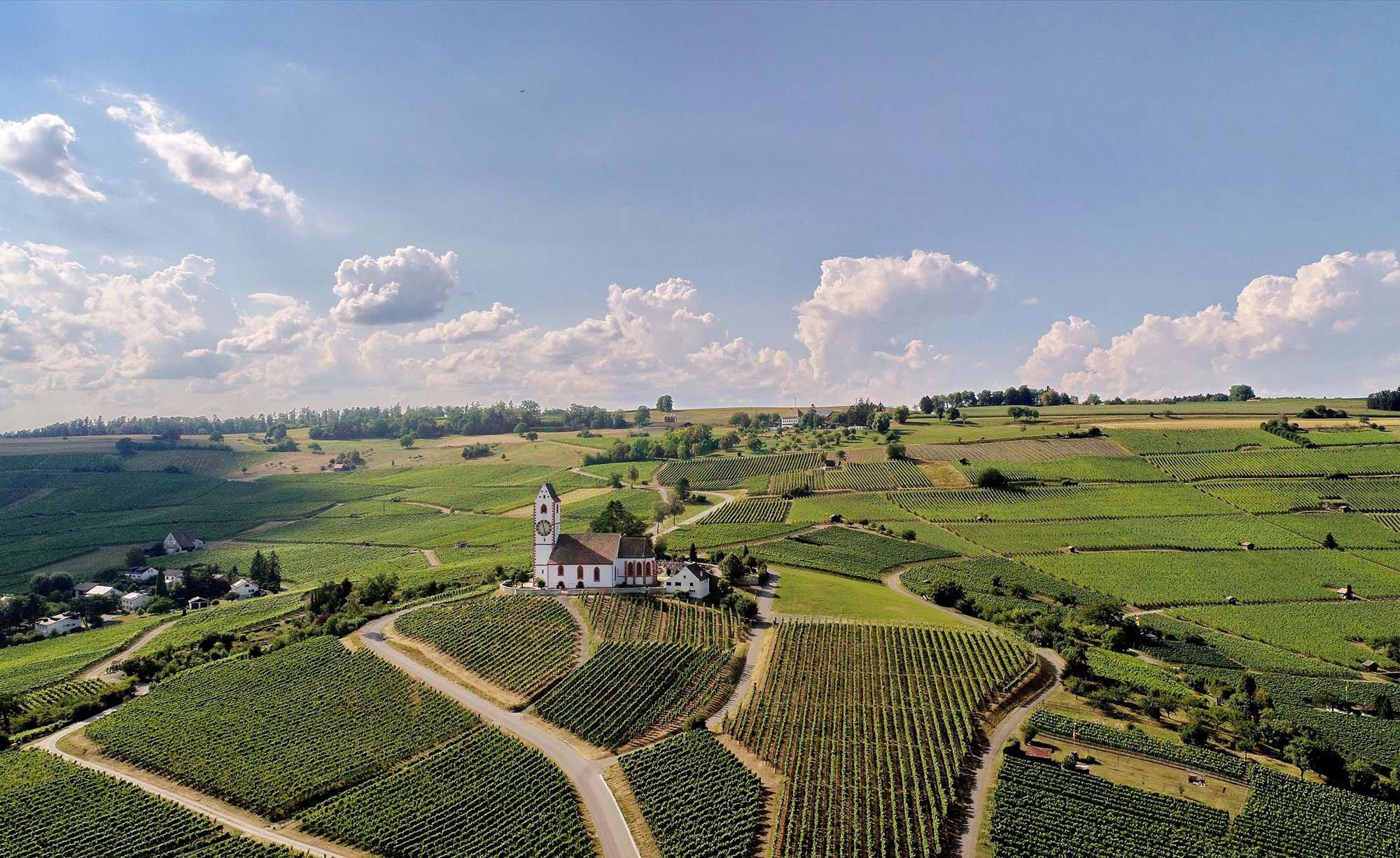
Weingut Keller reads as a quietly authoritative, site-driven producer anchored in the village of Flörsheim‑Dalsheim. The write-up positions Keller at the center of Rheinhessen’s recent reappraisal, crediting the estate with elevating specific sites—Hubacker and Bürgel—onto the international stage. The focus is on geological nuance and measured age-worthiness: limestone and red-slate soils lend tautness and mineral salinity to the wines, while clay-limestone mixes add texture. The overall impression is serious and focused rather than showy: an iconic, terroir-first house where the vineyard sites speak louder than stylistic flourish.
Best For
Keller is best suited to visitors who come to learn and to judge terroir. The estate is framed as a touchstone for understanding Rheinhessen’s move from bulk production to fine-wine seriousness, making it a natural stop for wine-education visits and thoughtful, special-occasion purchases. Solo explorers and collectors benefit most: the wines are described as dense and age-worthy, rewarding careful consideration and provenance-minded tasting rather than quick, casual visits. Those interested in the geology of wine—limestone and red-slate influences—will find the tasting experience especially revealing.
Tasting Tips
When exploring Keller’s range, prioritize site-designated bottlings from Hubacker and Bürgel; the text highlights those names as the clearest expressions of the estate’s terroir. Pay attention to vintage notes: limestone-driven whites can show taut mineral tension that varies by year, and cooler seasons may accentuate austerity. For purchases intended for cellaring, favor releases noted for density and age-worthiness. In conversations with staff or the proprietor, ask specifically about soil influences on each site and how texture and tension shift between Hubacker’s limestone and Bürgel’s clay-limestone mixes.
Venue details
Ambiance
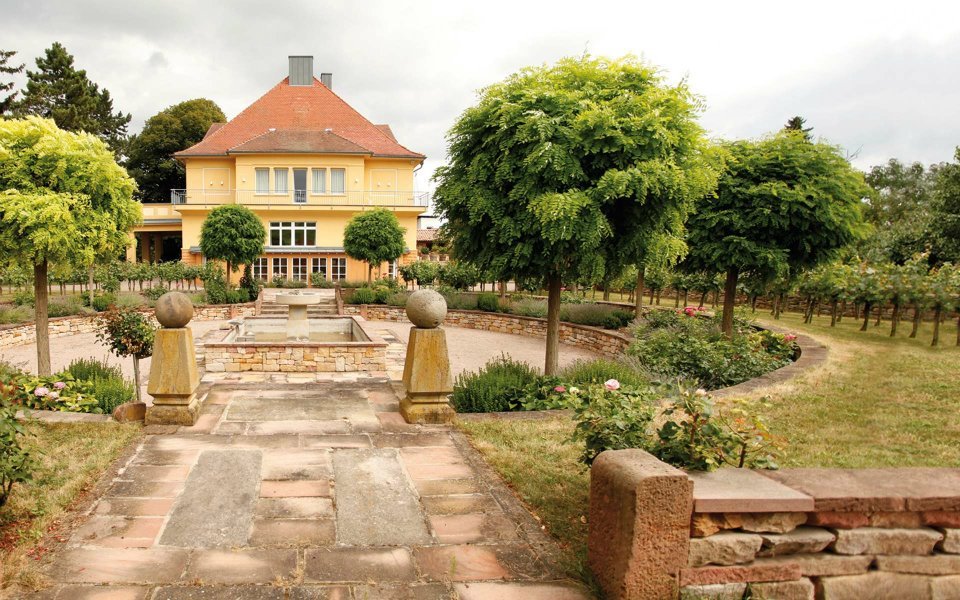
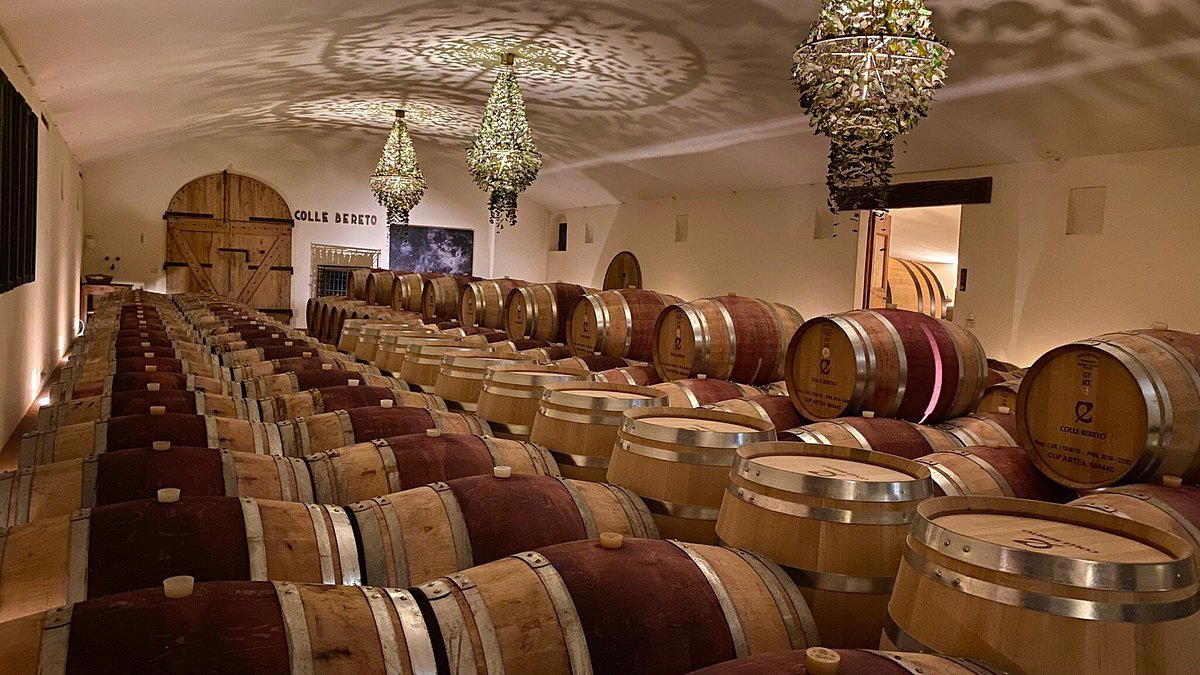
Refined and serene atmosphere emphasizing terroir purity, with elegant tasting experiences in a historic family estate surrounded by limestone vineyards.
Tags
Vibe
Best For
Experience
Sourcing
View
At the Vineyard
- Appellation
- Rheinhessen
- Varietals
- Riesling, Pinot Noir, Pinot Blanc, Pinot Gris, Silvaner
- Tour Duration
- 60-90 minutes
- Tour Languages
- German, English
- Visits
- By appointment only
- Farming
- Biodynamic
- Production
- Small producer
- Wine Styles
- Still White, Still Red
- Wine Club
- Available
Know before you go
Know Before You Go
- Getting there
- Bahnhofstraße 1, 67592 Flörsheim-Dalsheim
Planning details
Location
Recognition and awards

Also consider
Also Consider
- Sekthaus Raumland, Notable alternative
- Weingut Battenfeld-Spanier, Notable alternative
- Weingut Kühling-Gillot, Notable alternative
- Weingut Wittmann, Notable alternative
- Weingut Weedenborn, Notable alternative
Winery context
How It Compares
Weingut Keller is the hardest recommendation in this Flörsheim-Dalsheim set because the upside is high, but the practical friction is high too. Choose it if the trip is built around serious still-wine context and the visit is confirmed in advance. If the group wants a clearer local alternative with a sparkling-wine angle, Sekthaus Raumland is the more practical nearby cross-shop.
Weingut Battenfeld-Spanier, Weingut Kühling-Gillot, Weingut Wittmann, and Weingut Weedenborn make more sense as regional comparisons than same-town substitutes. Use them when the goal is to compare Rheinhessen producers across a wider route rather than lock the day to Flörsheim-Dalsheim.
For value, the safer play is whichever peer can confirm the clearest tasting structure before travel. For ambition, Keller remains the splurge of effort: not necessarily a price splurge, but a planning one. For ease, start with Sekthaus Raumland, then widen to the regional names if appointments line up cleanly.
Explore Flörsheim-Dalsheim
Around this place
Discover more on Pearl
Unlock the full Weingut Keller guide in Pearl, including awards, comparisons, FAQs, planning details, and nearby places.
Compare Weingut Keller
| Venue | Location | Awards |
|---|---|---|
| Weingut Keller | Flörsheim-Dalsheim | 2026 Falstaff Winery Guide |
| Sekthaus Raumland | Flörsheim-Dalsheim | 2026 Falstaff Winery Guide |
| Weingut Battenfeld-Spanier | Hohen-Sülzen | 2026 Falstaff Winery Guide2025 Decanter Winery Prestige |
| Weingut Kühling-Gillot | Bodenheim | 2026 Falstaff Winery Guide |
| Weingut Wittmann | Westhofen | 2026 Falstaff Winery Guide |
| Weingut Weedenborn | Monzernheim | 2026 Falstaff Winery Guide |

How Weingut Keller Flörsheim-Dalsheim compares with similar nearby venues.
FAQ
Frequently Asked Questions
Does Weingut Keller ship wine?
Confirm directly with the venue before relying on shipping for a purchase or travel plan. If you are comparing other venues, Weingut Wittmann and Weingut Battenfeld-Spanier are names to research on their own current terms.
Does Weingut Keller serve food?
Plan meals separately unless the venue confirms a food option for your specific visit.
Do I need a reservation at Weingut Keller?
Contact Weingut Keller directly before planning around a visit. The venue has Pearl 4 Star Prestige recognition for 2025, and the dress code is smart casual.
Is the wine club at Weingut Keller worth joining?
If access or purchasing options matter, confirm directly with the venue and compare current information from other venues such as Weingut Kühling-Gillot and Weingut Wittmann.
Can Weingut Keller handle large groups?
Do not assume a large-party arrangement is possible unless the venue confirms it directly.
How long should I plan for a visit to Weingut Keller?
When is the best time to visit Weingut Keller?
Contact Weingut Keller directly and plan around confirmed availability.