
Weingut Bernhard Ott
Feuersbrunn am Wagram, Feuersbrunn
Winery in Feuersbrunn, Austria
 Book with Pearl
The Read
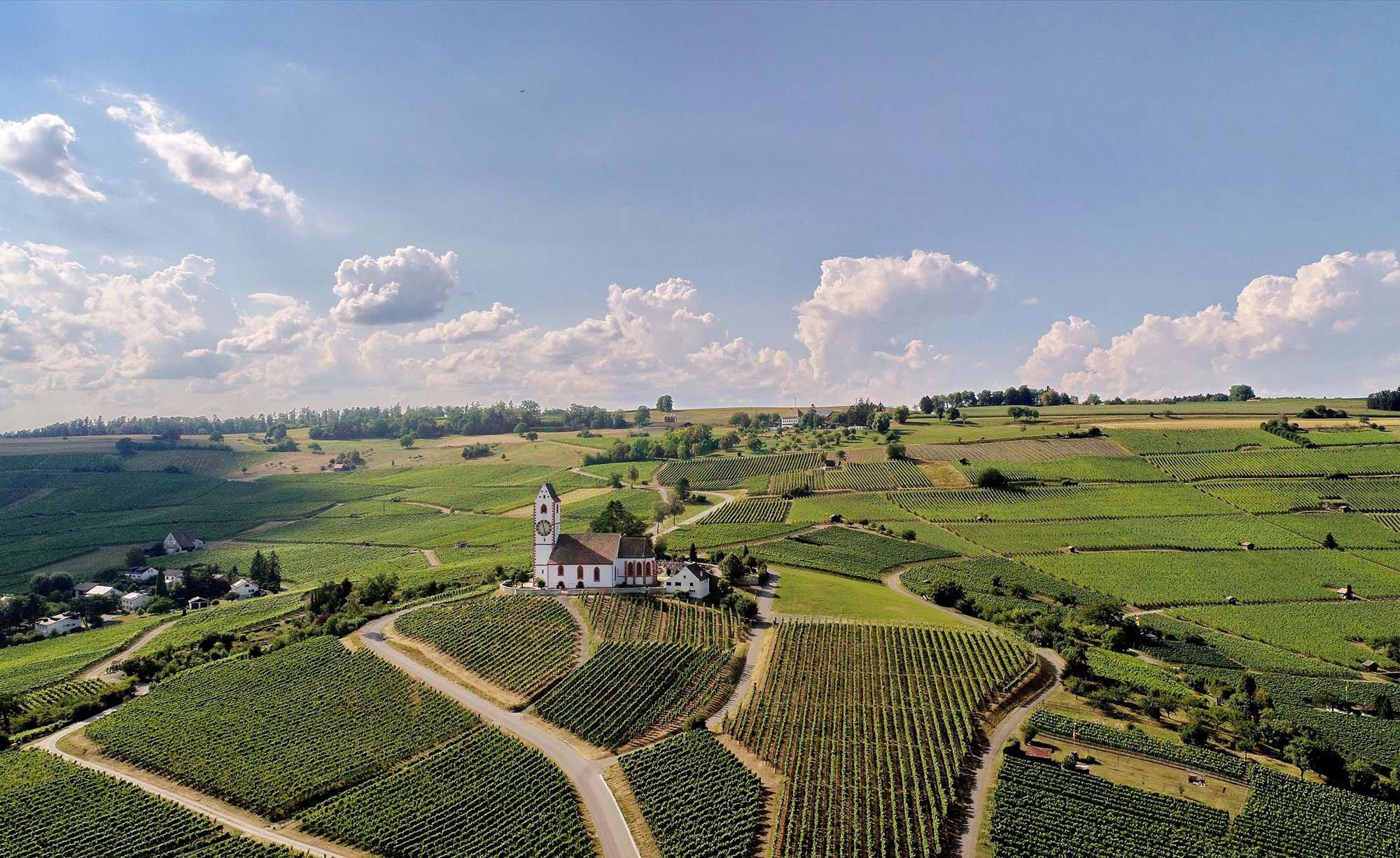
Loess-Driven Grüner Veltliner
Why go
Book Weingut Bernhard Ott if the Feuersbrunn stop is about serious producer access, not a casual walk-in tasting. The value is strongest for collectors considering allocation or club access, but only if shipping, bottle availability, and commitment terms work for their market. Plan it as the day's anchor and keep backup winery options ready.
About Weingut Bernhard Ott
Should you plan around Weingut Bernhard Ott in Feuersbrunn? It is a Feuersbrunn venue with a casual dress code and Pearl 2 Star Prestige recognition for 2025. That makes it a sensible candidate for travellers comparing premium stops, while leaving practical details to be confirmed directly before making plans.
Avoid building an itinerary on assumptions about hours, tastings, food, prices, shipping, access, or booking format. Treat the venue as a named anchor in Feuersbrunn, then confirm the current visit options through official channels before arranging transport or additional stops.
Worth it if you want a Pearl-recognised Feuersbrunn stop
The strongest grounded reason to prioritise Weingut Bernhard Ott is its Pearl 2 Star Prestige recognition in 2025. If details like a menu, tasting structure, bottle allocation programme, membership terms, or purchase conditions matter to the trip, ask the venue directly before committing.
For a special occasion, keep the plan simple unless the venue confirms additional services. Do not assume a meal, a long hosted format, or a particular hospitality style. If you need restaurants, hotels, or bars around the same trip, use our full Feuersbrunn restaurants guide, our full Feuersbrunn hotels guide, and our full Feuersbrunn bars guide.
Plan with confirmed details, not assumptions
Weingut Bernhard Ott is in Feuersbrunn, so it can serve as the Feuersbrunn reference point for an itinerary. Use our full Feuersbrunn guide coverage to compare options, and keep our full Feuersbrunn experiences guide for broader planning. Before travelling, confirm the current visit availability, timing, and any purchase or shipping questions directly with the venue.
Book this into the trip if you want to include a Pearl 2 Star Prestige Feuersbrunn venue and are comfortable verifying the practical details yourself. Cross-shop first if your group needs confirmed dining, published hours, specific pricing, or a clearly defined visit format before deciding.
Planning details
- Location
- Neufang 36, 3483
- Website
- ott.at
- Phone
- +43 2738 2257
The take
The Take
The Vibe
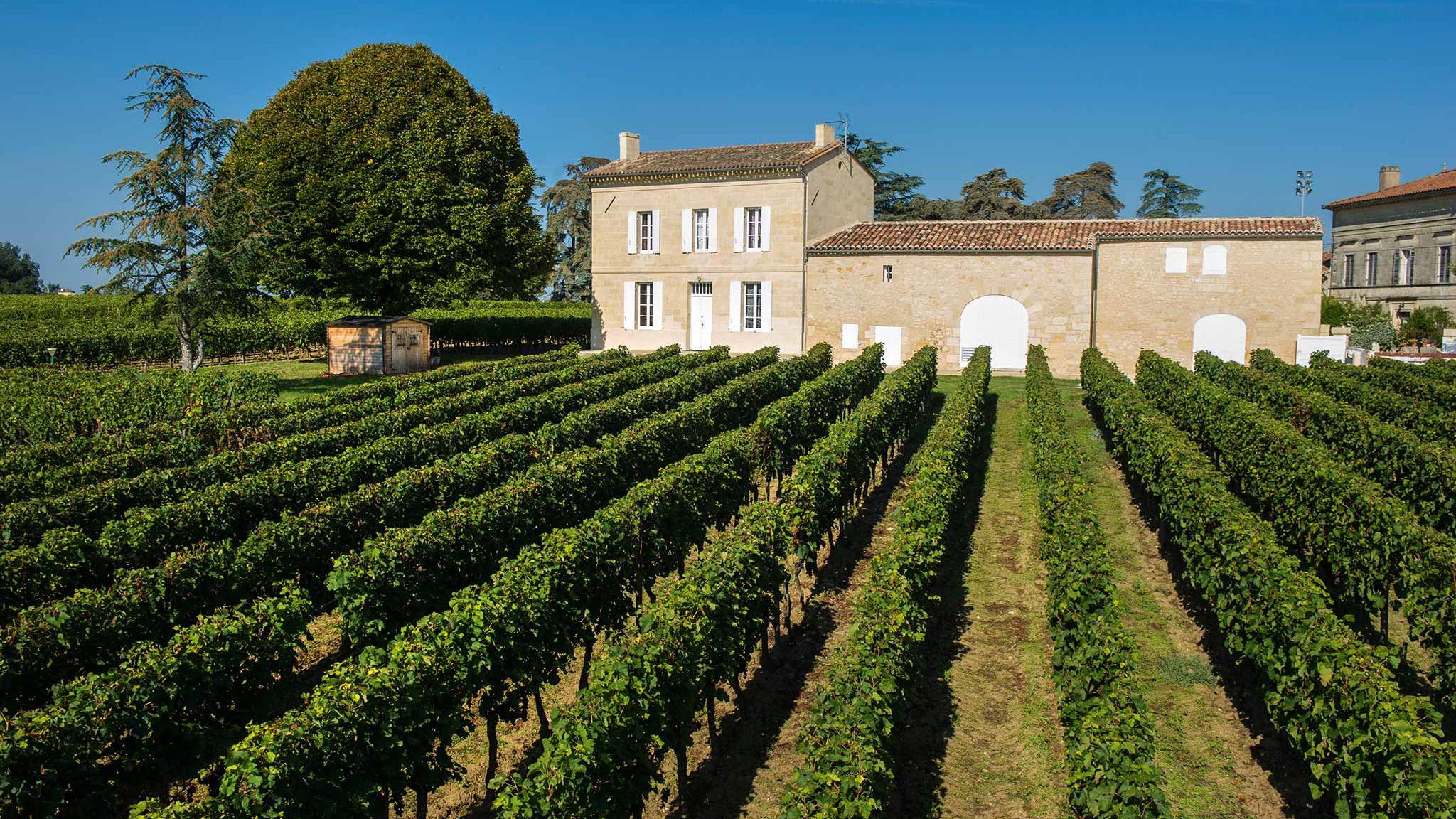
Weingut Bernhard Ott feels like a working, place-first winery rather than a visitor-oriented showpiece. The prose emphasizes loess, wind and the Wagram plateau, framing the estate as rooted in agricultural practice more than scenic spectacle. That restraint and the estate’s Pearl 2 Star Prestige rating give the property a quietly sophisticated character: understated, terroir-driven and serious about its craft. Visitors encounter a farmlike, low-key setting in Feuersbrunn — modest on arrival but exacting in the cellar and the vineyard — which makes the overall impression refined without theatrics.
Best For
This address is best for people who care about terroir and technical detail: wine students, specialists and curious solo visitors who want to dig into how loess shapes Grüner Veltliner and other local wines. The copy frames Ott as a producer valued by peers rather than mass-market tourists, so it suits visits focused on tasting, learning and comparison rather than socializing or sightseeing. Expect small-group or individual visits that prioritize vineyard and winemaking context over packaged hospitality experiences.
Tasting Tips
When you visit, center your tasting on the estate’s Grüner Veltliner and any bottlings that the staff frame as expressions of loess and single sites. Ask about the Pearl 2 Star Prestige designation and what it reflects in farming and cellar choices; the text positions that rating as a useful shorthand for quality. Because Ott is described as a working winery rather than a tasting pavilion, approach the visit with a focus on questions about terroir, viticulture and stylistic intent rather than expecting tourist-oriented amenities.
Venue details
Ambiance
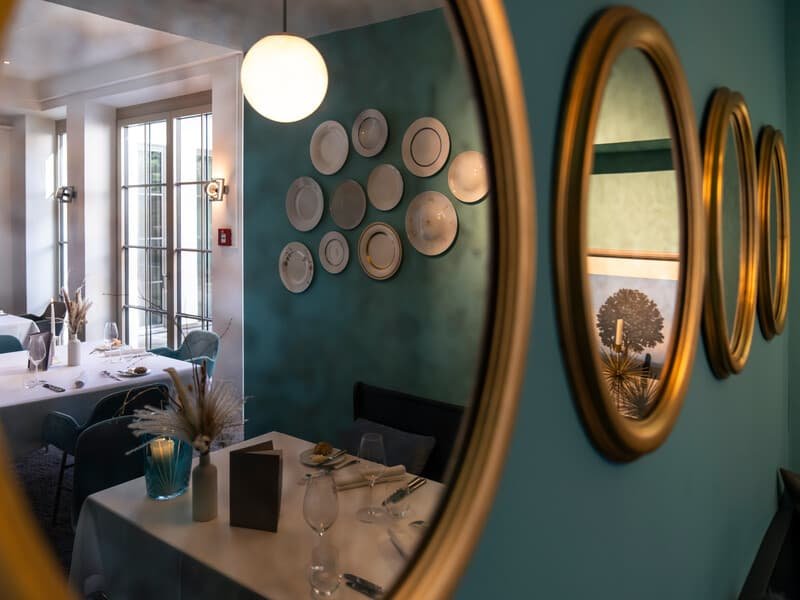
Terroir-driven and understated, with a quiet, handcrafted, nature-respecting winery-shop feel rather than a showy hospitality experience.
Tags
Vibe
Best For
Experience
Sourcing
View
At the Vineyard
- Appellation
- Wagram
- Varietals
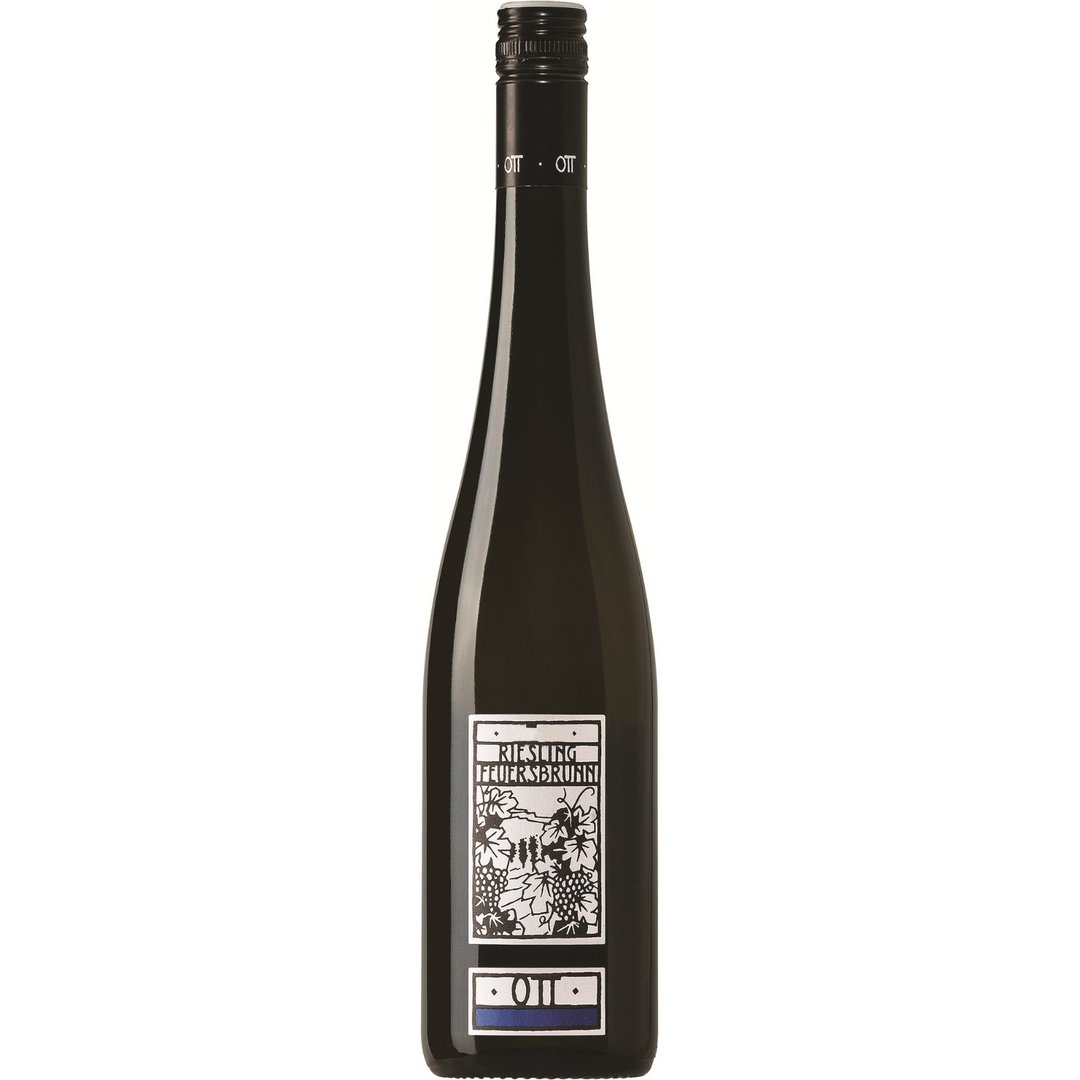
- Grüner Veltliner, Riesling
- Tour Duration
- 1-2 hours
- Wine Club
- Not available
Know before you go
Know Before You Go
- Getting there
- Neufang 36, 3483
Planning details
Location
Recognition and awards

Also consider
Where to Try If You Can't Get In
If Ott is unavailable, try Weingut Hirsch first for a similarly serious producer-led plan. For a more flexible backup list, add Weingut Leth and Weingut Allram before finalising transport.
Winery context
How It Compares
Choose Weingut Bernhard Ott when the priority is a focused, higher-commitment winery visit with strong collector appeal. Against Weingut Leth and Weingut Arndorfer, it is the less casual call: better for guests weighing allocation access or a special wine-country appointment, weaker for anyone who wants a flexible tasting plan.
Weingut Allram and Weingut Johann Topf make sense as cross-shops when the group needs a cleaner backup plan or wants to compare producers without putting the whole day on one difficult booking. If atmosphere matters, Ott reads quieter and more appointment-driven, while those peers are better treated as practical alternatives until confirmed details are locked.
Weingut Hirsch is the strongest comparison for serious wine travellers who want another producer-led visit rather than a casual tasting-room substitute. If only one booking can be secured, pick Ott for allocation-minded drinking and Hirsch for a second anchor if the trip can support more than one major winery stop.
Explore Feuersbrunn
Around this place
Discover more on Pearl
Unlock the full Weingut Bernhard Ott guide in Pearl, including awards, comparisons, FAQs, planning details, and nearby places.
Compare Weingut Bernhard Ott
| Venue | Location | Awards |
|---|---|---|
| Weingut Bernhard Ott | Feuersbrunn | 2026 Falstaff Winery Guide |
| Weingut Leth | Fels am Wagram | 2026 Falstaff Winery Guide |
| Weingut Arndorfer | Straß im Straßertale | 2026 Falstaff Winery Guide |
| Weingut Allram | Straß im Straßertale | 2026 Falstaff Winery Guide |
| Weingut Johann Topf | Straß im Straßertale | 2026 Falstaff Winery Guide |
| Weingut Hirsch | Kammern | 2026 Falstaff Winery Guide |
How Weingut Bernhard Ott Feuersbrunn compares with similar nearby venues.
FAQ
Frequently Asked Questions
What other venues can I compare with Weingut Bernhard Ott?
Weingut Leth, Weingut Arndorfer, Weingut Allram, Weingut Johann Topf, and Weingut Hirsch are relevant comparisons to consider. Weingut Bernhard Ott is in Feuersbrunn and can be used as the reference point for planning around that destination.
Do I need a reservation at Weingut Bernhard Ott?
Because Weingut Bernhard Ott has Pearl 2 Star Prestige recognition for 2025, it is sensible to confirm visit availability directly rather than assuming same-day access. Weingut Arndorfer is another name to compare while planning.
Are membership or allocation details available for Weingut Bernhard Ott?
If those details matter to you, ask Weingut Bernhard Ott directly and compare the answer with your normal buying habits. Weingut Leth can be another reference point when comparing producer options.
When is the best time to visit Weingut Bernhard Ott?
Plan only after confirming current availability with the venue. Weingut Bernhard Ott is in Feuersbrunn, and its Pearl 2 Star Prestige recognition makes it worth treating as a planned stop rather than an assumed walk-in. Weingut Johann Topf is another name to consider when comparing plans.
How long should I plan for a visit to Weingut Bernhard Ott?
Ask the venue directly how much time to set aside for the current format, if visits are available. If you are comparing multiple producers, Weingut Allram and Weingut Hirsch are additional names to review before setting an itinerary.