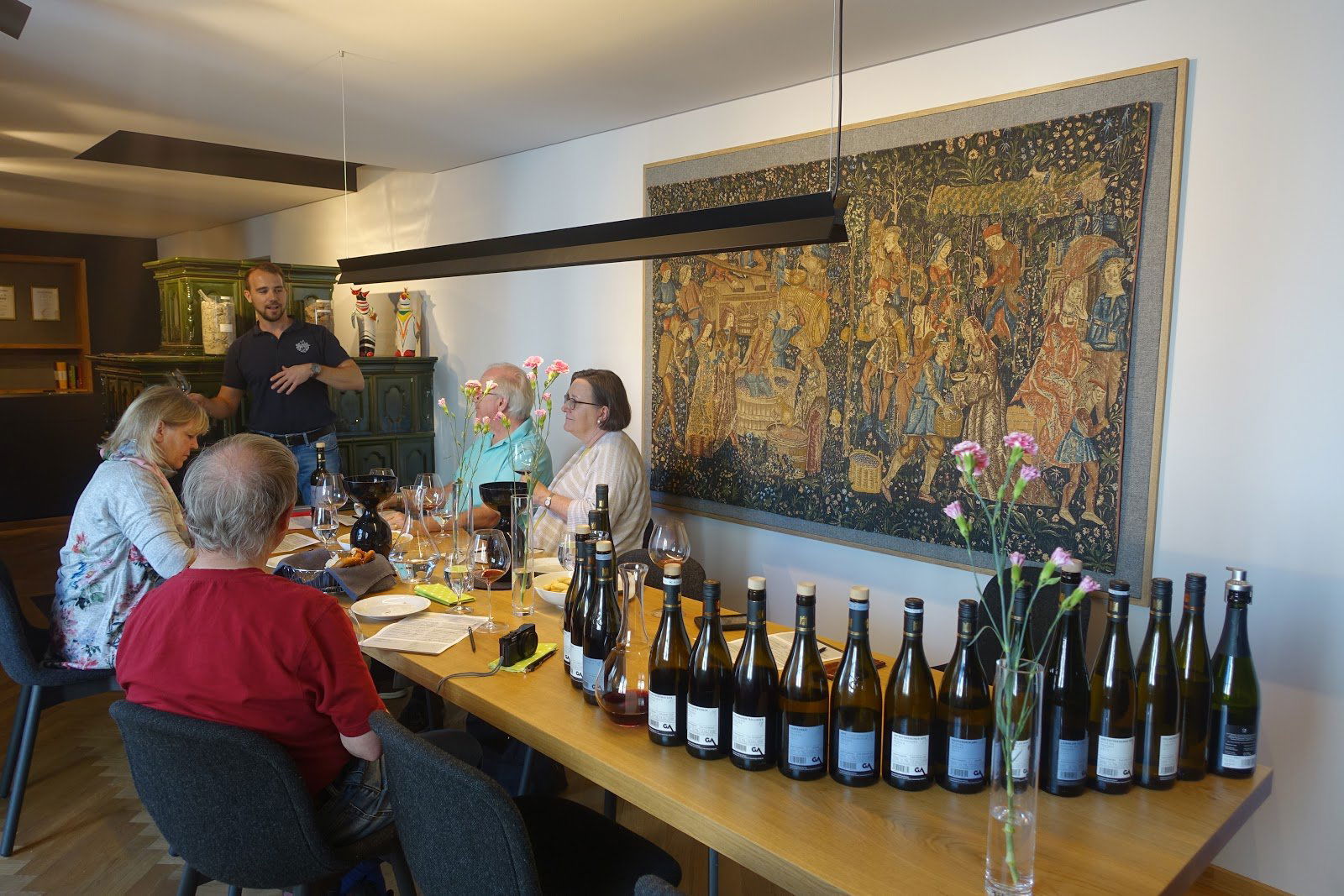

Weingut Aldinger
Fellbach
Winery in Fellbach, Germany
 Book with Pearl
The Read
Shell-Limestone Württemberg Precision
Why go
Prioritise Weingut Aldinger if the trip is built around serious Württemberg wine rather than casual sightseeing. It is a stronger fit for small, wine-focused groups who can plan ahead; use Fellbach's restaurant, hotel, bar, winery, and experience guides to build the rest of the day around it.
About Weingut Aldinger
Weingut Aldinger is listed in Fellbach with a smart casual dress code and Pearl 2 Star Prestige recognition for 2025. Those are the firm anchors for this profile, and they are useful anchors: they tell you the city, how to dress, and that it has a confirmed level of Pearl recognition for the year. Beyond those confirmed points, the public profile here should be treated carefully. Use this page as a concise profile rather than a substitute for the venue's own current information, especially if your plans depend on timing, availability, or a particular kind of experience.
Book this for the confirmed profile, then verify the logistics
The safest expectation is a focused Weingut Aldinger visit in Fellbach, without assuming a broader hospitality package. In practical terms, that means planning around the confirmed identity of the place rather than building in extras. The smart casual dress code gives a reasonable signal for how to arrive, while the 2025 Pearl 2 Star Prestige recognition explains why it may belong on a serious itinerary. What it does not do is confirm the shape of the visit once you are there. If you are building a wider itinerary around the stop, pair it with the Fellbach restaurants guide or other current local planning resources rather than assuming that every part of the day is covered by the venue itself.
The recommendation is strongest for travellers who specifically want Weingut Aldinger and are willing to confirm practical details before arrival. That distinction matters, because a strong listing can still leave important questions unanswered for a real trip. The available information confirms the 2025 Pearl 2 Star Prestige recognition and smart casual dress code, but not a fixed visit length, service format, or other operational details. If your schedule is flexible, those unknowns may be easy to manage. If your day is tightly planned, they become more important. Check the venue's official channels before making plans that depend on any of those details, and treat any unconfirmed element as something to verify rather than something to infer.
How to think about it against other serious options
For comparison planning, consider Weingut Aldinger alongside Weingut Rainer Schnaitmann, Weingut Karl Haidle, Weingut Dautel, Weingut Graf Neipperg, and Weingut Klumpp. The point of that comparison is not to flatten them into the same kind of visit, but to give travellers a set of serious reference points when weighing where to spend limited time. Treat these as named reference points rather than assuming identical logistics, services, or locations. Each would need to be checked on its own terms, particularly if your decision depends on access, appointment structure, transport, or what is available on the day you hope to go.
The practical verdict: choose Weingut Aldinger when the priority is a confirmed Fellbach venue with Pearl 2 Star Prestige recognition in 2025. It is best approached as a targeted stop with a clear profile, not as a fully described hospitality package in the information available here. That makes it appealing for travellers who already have Weingut Aldinger in mind and simply need a reliable basis for including it in their shortlist. If your group needs fixed opening rhythms, a published visit format, or other specific logistics, verify those details directly before committing the day around the visit. The more your plans depend on those particulars, the more important that direct confirmation becomes.
Planning details
- Location
- Schmerstraße 25, 70734 Fellbach
- Website
- weingut-aldinger.de
- Phone
- +49 711 581417
The take
The Take
The Vibe
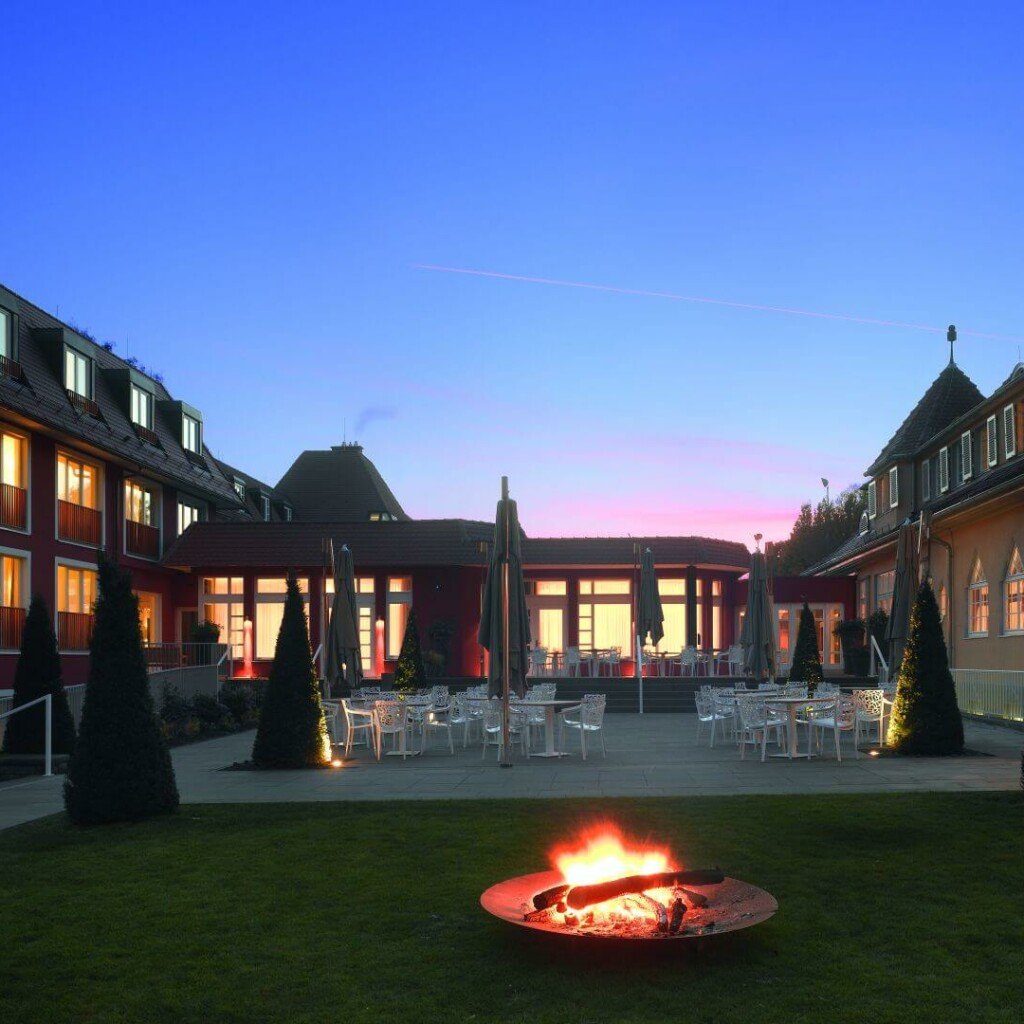
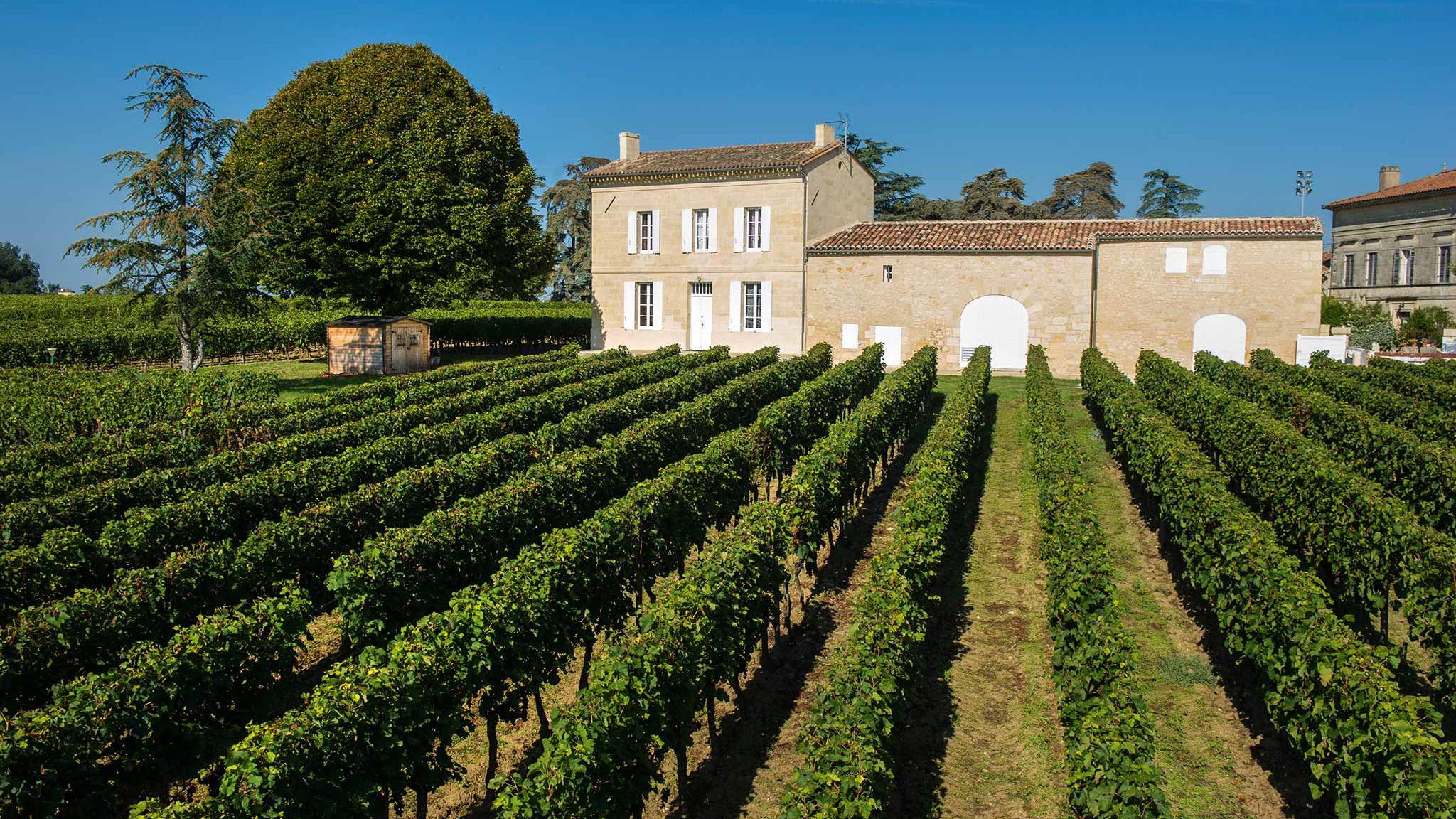
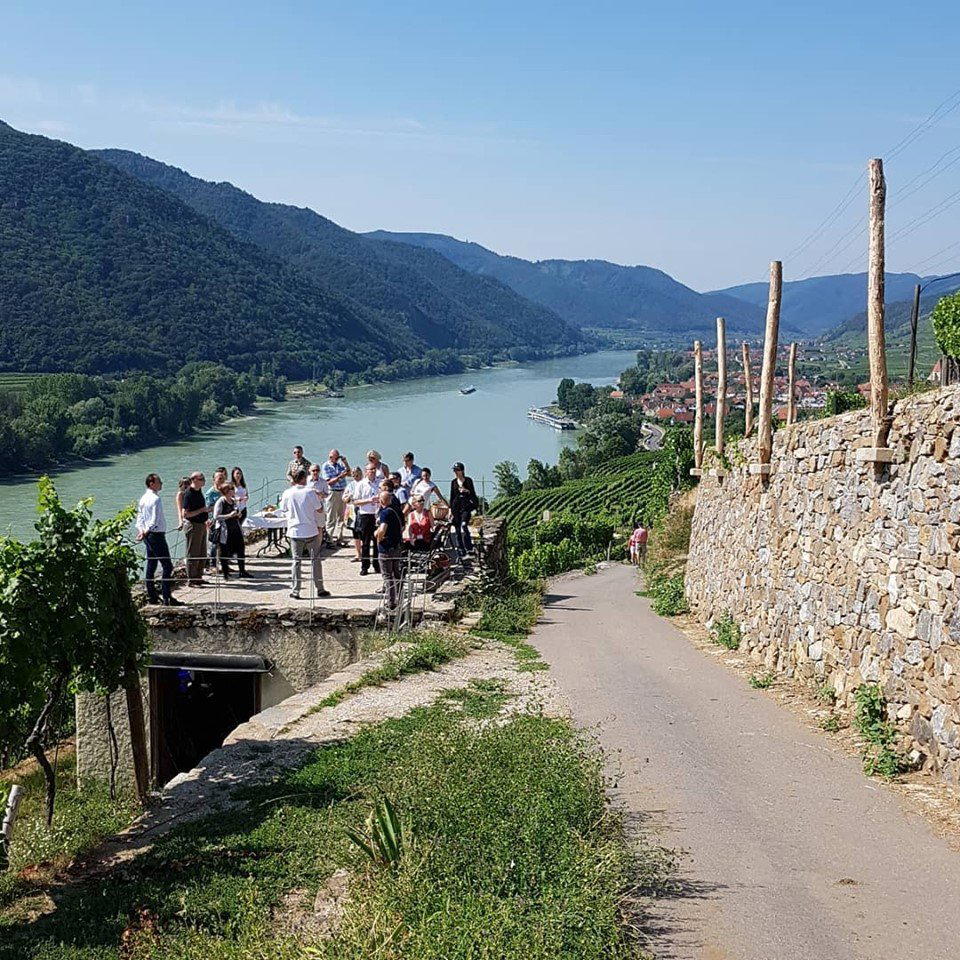
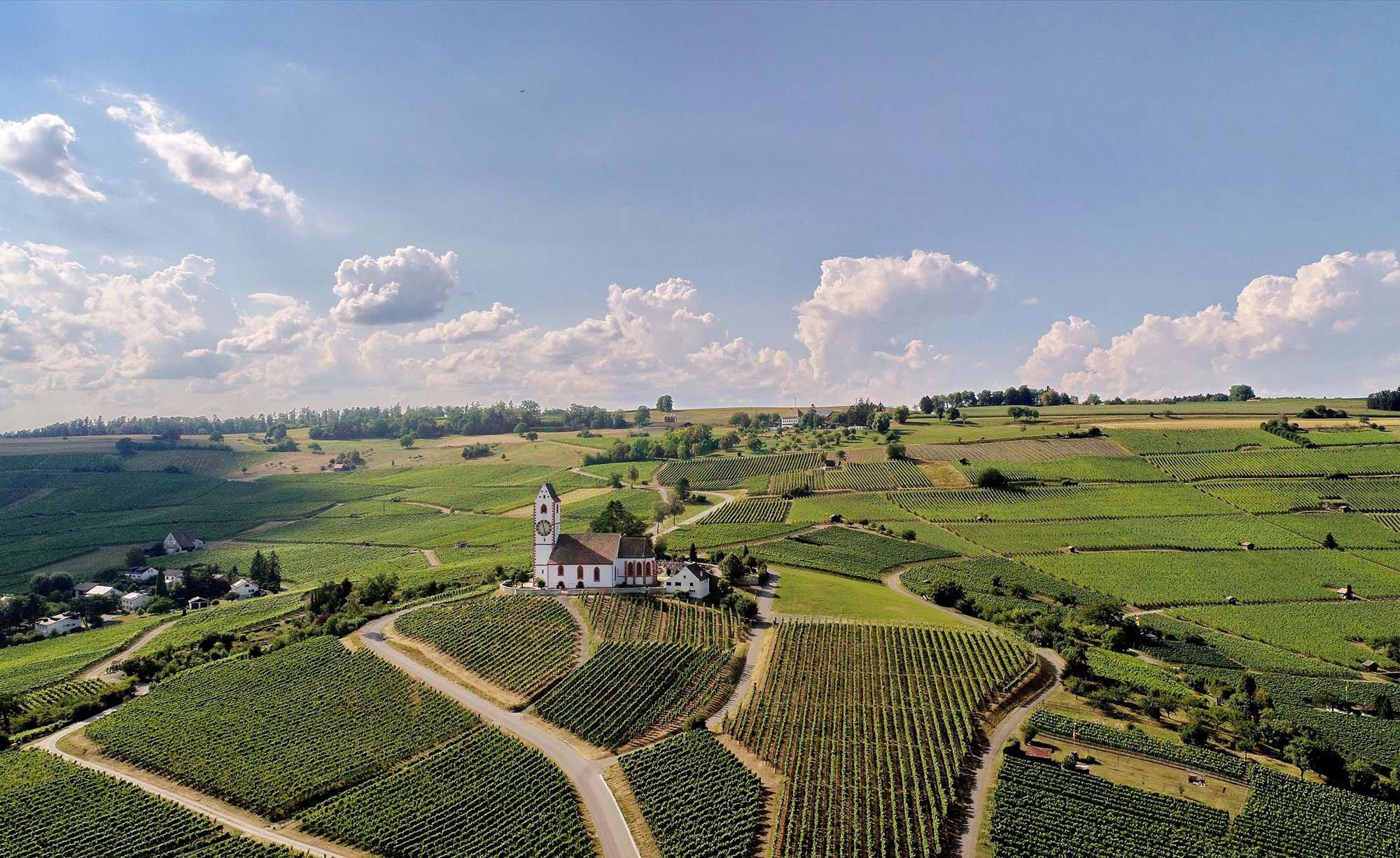
Weingut Aldinger sits on the vineyard ridges above Fellbach, combining panoramic vineyard-facing vistas with a production-first seriousness. The estate reads as scenic and sophisticated: the text flags views of Stuttgart’s sprawl from the slopes while the Pearl 2 Star Prestige rating signals disciplined cellar work and site-led winemaking. Writing emphasizes the loess and limestone soils, sheltered microclimate and parcel variation, so the place feels rooted in geology and technique rather than showmanship. Visiting here feels like an encounter with a producer that prioritizes terroir-driven red varieties—structured, concentrated Lemberger, Trollinger and Spätburgunder—made with focused intent.
Best For
Aldinger is best for curious wine drinkers who want to understand Württemberg reds in context. The estate’s profile—explicit attention to soils, microclimate and varietal decisions—rewards visits that are framed around learning: tasting site-specific Lemberger, Trollinger and Spätburgunder alongside explanations of keuper sandstone, muschelkalk limestone and loess parcels. The Pearl 2 Star Prestige rating points to a producer operating in the upper tiers of quality, making Aldinger a fitting stop for motivated wine students, collectors looking for regional specificity, and anyone planning a wine-focused visit to the Fellbach slopes.
Tasting Tips
When you encounter Aldinger’s wines, prioritize the region’s red varieties: taste Spätburgunder (Pinot Noir) alongside Lemberger and Trollinger to hear how site and microclimate shape ripeness and structure. Ask about individual parcels and the roles of loess, limestone and sandstone in each bottling; the copy stresses site selection and "cellar discipline," so questions about élevage and ageing will yield useful detail. If possible, seek out vineyard- or site-designated wines that illustrate the within-appellation variation the narrative highlights—those selections best demonstrate why Fellbach makes a persuasive case for Württemberg reds.
Venue details
Ambiance
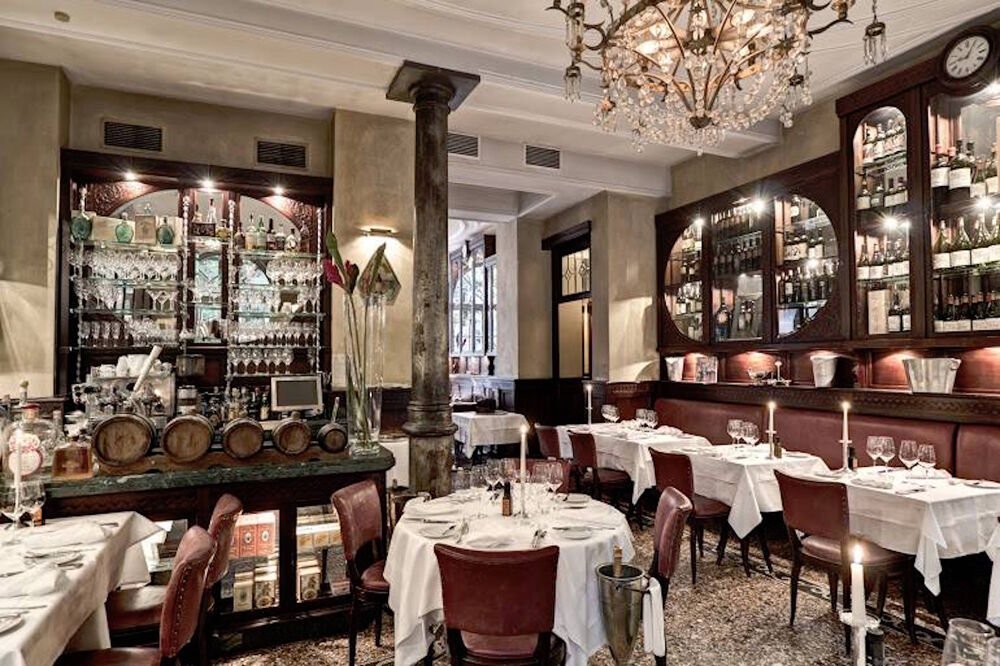
Classic and elegant with focus on terroir-driven, mineral and structured wines reflecting family tradition.
Tags
Vibe
Best For
Experience
View
At the Vineyard
- Appellation
- Württemberg
- Varietals
- Riesling, Lemberger, Spätburgunder, Trollinger, Pinot Noir
- Tour Duration
- 60-90 minutes
- Wine Club
- Not available
Know before you go
Know Before You Go
- Getting there
- Schmerstraße 25, 70734 Fellbach
Planning details
Location
Recognition and awards

Also consider
Also Consider
- Weingut Rainer Schnaitmann, Notable alternative
- Weingut Karl Haidle, Notable alternative
- Weingut Dautel, Notable alternative
- Weingut Graf Neipperg, Notable alternative
- Weingut Klumpp, Notable alternative
Winery context
How Weingut Aldinger compares in Fellbach and beyond
For a Fellbach-focused wine day, the most relevant comparison is Weingut Rainer Schnaitmann. Pick Weingut Aldinger if the priority is a serious producer-led stop and the visit can be planned tightly; consider Rainer Schnaitmann when keeping the itinerary close and simple matters more than building a wider regional route.
Weingut Karl Haidle, Weingut Dautel, Weingut Graf Neipperg, and Weingut Klumpp work better as regional cross-shops than direct Fellbach substitutes. They make sense if the day is built around wine and transport is flexible; they are less convenient if the group wants a compact Fellbach plan with meals and hotels nearby.
Value here depends less on posted pricing and more on itinerary fit. If the group wants producer depth, Weingut Aldinger is the sharper choice. If the group wants easier pacing, a broader route, or a lower-friction visit, compare the regional alternatives before committing.
Explore Fellbach
Around this place
Discover more on Pearl
Unlock the full Weingut Aldinger guide in Pearl, including awards, comparisons, FAQs, planning details, and nearby places.
Compare Weingut Aldinger
| Venue | Location | Awards |
|---|---|---|
| Weingut Aldinger | Fellbach | 2026 Falstaff Winery Guide |
| Weingut Rainer Schnaitmann | Fellbach | 2026 Falstaff Winery Guide |
| Weingut Karl Haidle | Kernen-Stetten | 2026 Falstaff Winery Guide |
| Weingut Dautel | Bönnigheim | 2026 Falstaff Winery Guide |
| Weingut Graf Neipperg | Schwaigern | 2026 Falstaff Winery Guide |
| Weingut Klumpp | Bruchsal | 2026 Falstaff Winery Guide |
How Weingut Aldinger Fellbach compares with similar nearby venues.
FAQ
Frequently Asked Questions
What recognition does Weingut Aldinger have?
Pearl verifies Pearl 2 Star Prestige recognition for Weingut Aldinger in 2025. This profile does not verify additional awards or ratings.
How long should I plan for a visit to Weingut Aldinger?
Pearl does not verify a standard visit length for Weingut Aldinger. If timing matters, confirm the current format and schedule directly with the venue before arranging the rest of your Fellbach plans.
What should I wear to Weingut Aldinger?
Pearl verifies a smart casual dress code for Weingut Aldinger. Use that as the confirmed guidance unless the venue provides more current instructions directly.
Where is Weingut Aldinger?
Weingut Aldinger is in Fellbach. Pearl does not provide a more specific location in this profile.
What other venues should I compare with Weingut Aldinger?
For comparison research, consider Weingut Rainer Schnaitmann, Weingut Karl Haidle, Weingut Dautel, Weingut Graf Neipperg, and Weingut Klumpp. Confirm each venue's location and visit details separately before planning a route.
Does Weingut Aldinger serve food?
Pearl does not verify a food program for Weingut Aldinger. Treat it as a Fellbach venue profile and confirm any dining or pairing details directly before relying on them.