

Winery in Fargues, France
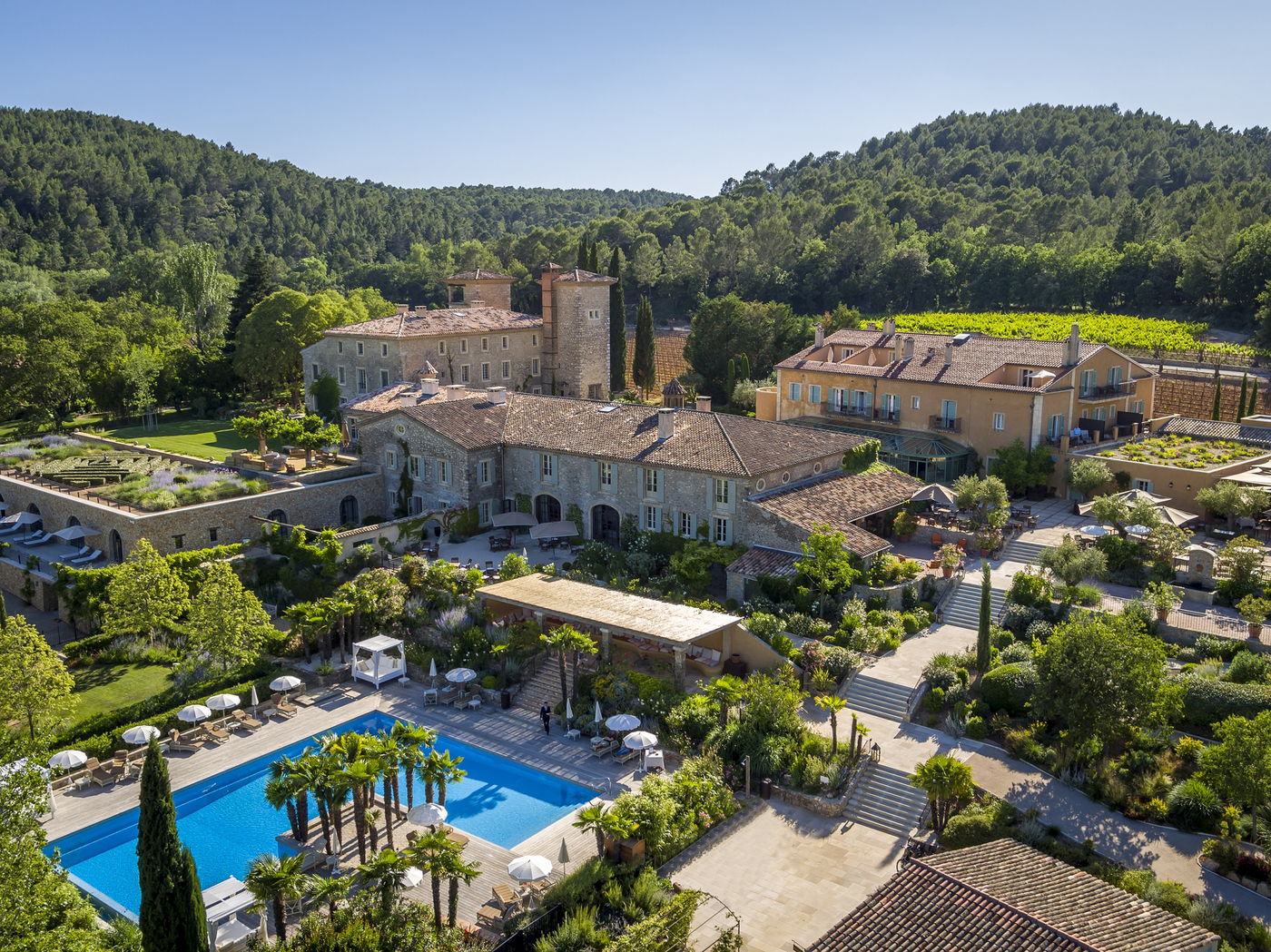
Château de Berne
870Pearl PointsEstate-First


About Château de Berne
A strong choice for a Provence wine-country celebration when the estate setting is part of the appeal. Château de Berne is better for guests who want a polished full-estate visit than a quick tasting stop, with 2025 World's 50 Best Vineyards recognition adding confidence for special-occasion planning.
Is Château de Berne worth considering in Fargues? Yes, if you are looking for a recognized venue with confirmed premium credentials rather than a page built on unverified details. The verified record is concise: Château de Berne is associated with Alexis Cornu, has a smart casual dress code, and holds Pearl 2 Star Prestige (2025) as well as World's 50 Best Vineyards #43 (2025).
The decision point is simple. Consider Château de Berne when those confirmed recognitions matter to your plans and when Fargues is the right location for your itinerary. Beyond that, avoid assuming specifics that are not verified here, such as exact menus, prices, hours, bottle names, private-event capacity, shipping options, or a particular service format.
Choose it when the confirmed recognition is part of the appeal
For a special occasion or polished outing, the strongest grounded case is its confirmed recognition: Pearl 2 Star Prestige (2025) and World's 50 Best Vineyards #43 (2025). Those credentials make Château de Berne a notable Fargues option for visitors who value established acclaim and a premium guide listing.
For comparison, Château de Beaucastel may be relevant to travelers considering other highly regarded vineyard destinations, while Château de Berne remains the Fargues venue in this guide. If your plans depend on a specific format, availability, or service detail, confirm directly before booking.
What the wine context tells you
The verified wine-related context is the World's 50 Best Vineyards #43 recognition for 2025. That is enough to place Château de Berne in a recognized vineyard-experience conversation, but it does not verify any specific tasting format, wine list, cellar tour, flagship bottle, or production detail.
Alexis Cornu is the verified chef/owner associated with the venue. The confirmed dress code is smart casual, which is useful for planning the visit without overstating the experience beyond the available record.
Who should skip it
Skip it if you need confirmed details on pricing, hours, group capacity, shipping, menus, or specific wines before making a decision and cannot verify them directly. The available record supports the venue's recognition and basic planning context, not a detailed operational profile.
If availability, route, or style leads you to compare other names, Château Roubine, Château de Roquefort, Château de Saint-Martin, and Domaine Ott are also useful points of reference for broader planning.
Frequently Asked Questions
Can Château de Berne handle large groups?
The verified record does not state a group capacity or private-event policy. If you are planning for a group, contact Château de Berne directly and confirm the current arrangements before relying on it for your itinerary.
Do I need a reservation at Château de Berne?
The verified record does not state a reservation policy. Château de Berne has Pearl 2 Star Prestige (2025) and World's 50 Best Vineyards #43 (2025), so confirming availability directly is the safest planning step.
What is the flagship wine at Château de Berne?
No single flagship wine is verified here. The confirmed wine-related recognition is World's 50 Best Vineyards #43 (2025). Check the venue's official channels for the latest details.
Is the wine club at Château de Berne worth joining?
A wine club or membership program is not verified here. If that matters to your plans, confirm directly with Château de Berne before making a purchase decision.
Does Château de Berne ship wine?
Shipping details are not verified here. Use the venue's official channels to confirm whether shipping is available from Château de Berne in Fargues.
Location
Chemin des Imberts, 83780 Flayosc
Fargues, France
Compare Château de Berne
Where it fits among nearby winery options
Compared with Château de Beaucastel, this is less about a pure collector-style wine stop and more about the complete estate day. Compared with Domaine Ott, it competes on setting and hosting value rather than name recognition alone.
Château Roubine, Château de Roquefort, and Château de Saint-Martin make more sense when the schedule is less flexible or the group wants a lower-pressure winery stop. Château de Berne is the one to prioritize when the visit needs to feel like the main event.
If you cannot get the booking
Try Domaine Ott if the group wants a Provence name with strong recognition, or Château Roubine if availability and a more relaxed winery stop matter more. For a wine-first detour, Château de Beaucastel is the sharper alternative.
How it compares for a Provence winery day
Château de Beaucastel is the stronger pick for visitors who want a more wine-serious benchmark first and hospitality second. Château de Berne is the better fit when the estate experience, grounds, and celebration feel are part of the value. For a business-hosting or anniversary itinerary, that broader setting can matter more than a cellar-only comparison.
Domaine Ott is the cleanest cross-shop for Provence prestige, especially for guests who want a recognizable rosé-region name. Château Roubine and Château de Saint-Martin are better backups if the main issue is availability or a softer, less production-led visit. Château de Roquefort is the one to weigh when the itinerary needs a less formal-feeling alternative.
On booking difficulty, treat Château de Berne as the harder plan and the others as smarter fallback options, especially for short-notice travel. The recommendation is clear: choose it for ambiance and occasion value; choose Beaucastel for wine focus; choose Domaine Ott for Provence label recognition; use Roubine, Roquefort, or Saint-Martin when logistics matter more than ceremony.
Recognized By


Explore Fargues
Save or rate Château de Berne on Pearl
Keep this venue in your Pearl passport, rate it after you visit, and track it alongside every other place you collect.