

Winery in Falkirk, United Kingdom
Rosebank Distillery
750Pearl PointsWhisky-first stop
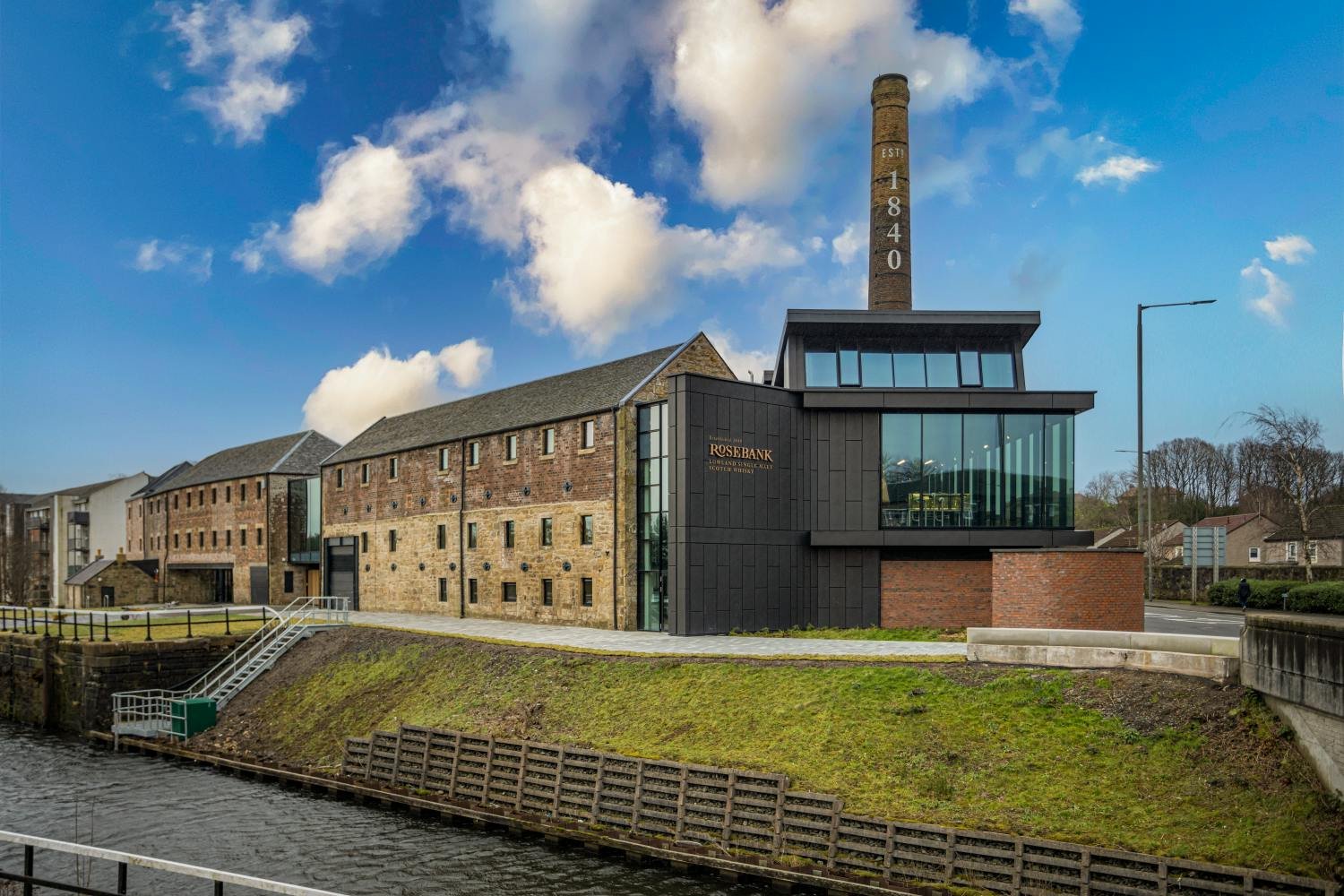
About Rosebank Distillery
Book Rosebank Distillery if Falkirk is already in the plan and you want a serious whisky-focused stop rather than a casual wine tasting or food-led outing. It suits explorers who care about distillery context, slower pacing, a focused visit; groups seeking a restaurant, bar crawl, or vineyard-style experience should plan around it rather than expect it to cover the whole day.
Should you consider Rosebank Distillery in Falkirk? Yes if you are looking for a distillery-focused stop in Falkirk and want a venue recognised with Pearl 3 Star Prestige (2025). The verified planning details are limited, so the safest approach is to treat Rosebank Distillery as the anchor of a Falkirk visit rather than assume extra services, dining, shipping, or a specific tour format.
Book for the distillery focus, not for a broad food-and-wine itinerary
The right expectation is important: Rosebank Distillery should be considered as a distillery choice, not as a winery or restaurant decision. If your group is comparing Falkirk options, focus on whether a distillery-led stop fits the day rather than assuming a broader food, wine, or hospitality programme.
The confirmed dress code is smart casual, which makes Rosebank Distillery a better fit for visitors who want a polished but not formal Falkirk stop. Beyond that, check the venue's official channels before relying on any specific service details, opening pattern, menu, tasting format, or retail options.
Who should choose this over another distillery stop
Choose Rosebank Distillery when Falkirk is already part of the route and the group wants a recognised distillery stop there. If you are comparing other distillery-focused venues, keep the decision grounded in the wider itinerary and in details confirmed directly by each venue.
For travellers comparing distillery-led stops, keep the category clear. Auchentoshan Distillery, Blackness Bay Distillery, Deanston, InchDairnie Distillery, Stirling Distillery may be useful points of comparison depending on the wider itinerary. Pick Rosebank Distillery when the decision is specifically about a Falkirk distillery visit.
Frequently Asked Questions
What other distillery-focused venues can I compare with Rosebank Distillery?
Rosebank Distillery is in Falkirk, so it is best treated as a distillery comparison rather than a winery search. For other distillery-led options, consider Stirling Distillery, Deanston, Auchentoshan Distillery, Blackness Bay Distillery, or InchDairnie Distillery depending on the wider route.
Do I need a reservation at Rosebank Distillery?
Reservation requirements are not verified here. Rosebank Distillery is a Falkirk venue recognised with Pearl 3 Star Prestige (2025), so check the venue's official channels before planning around a specific visit time.
What is Rosebank Distillery known for?
The verified information here identifies Rosebank Distillery as a distillery in Falkirk with Pearl 3 Star Prestige (2025). No specific product, tour format, menu, or service detail is verified here.
Does Rosebank Distillery offer memberships or buying options?
No verified membership, release access, or buying-option details are available here. If you are considering anything connected with Rosebank Distillery, check the venue's official channels for current information.
When is the best time to visit Rosebank Distillery?
The best time to visit is not verified here. Plan around your wider Falkirk itinerary, the smart casual dress code, any current information published directly by Rosebank Distillery.
Does Rosebank Distillery serve food?
Food service details are not verified here. If food matters to your plan, treat Rosebank Distillery as the distillery stop and confirm any current hospitality details directly with the venue.
Does Rosebank Distillery offer shipping?
Shipping should not be assumed here. Rosebank Distillery is listed as a distillery in Falkirk; check the venue's official channels for any current retail or shipping information.
Location
Camelon Rd, Falkirk FK1 5SQ, UK
Falkirk, United Kingdom
Compare Rosebank Distillery
| Venue | Location | Awards |
|---|---|---|
| Rosebank Distillery | Falkirk | Pearl 3 Star Prestige (2025) |
| Stirling Distillery | Stirling | , |
| Blackness Bay Distillery | Blackness | , |
| Deanston | Deanston | , |
| Auchentoshan Distillery | Clydebank | , |
| InchDairnie Distillery | Glenrothes | , |
How Rosebank Distillery Falkirk compares with similar nearby venues.
If you cannot get the timing to work
Try Stirling Distillery if the trip can shift toward Stirling, or Deanston if the group wants another established Scottish distillery stop within a broader route. For a different mood, Blackness Bay Distillery is the better alternative when a smaller detour fits the day.
How it compares for a Falkirk-area whisky day
Rosebank Distillery is the strongest choice when the priority is a Falkirk anchor with a focused whisky visit and a calmer, more deliberate atmosphere. Stirling Distillery is the more obvious cross-shop if the day is centred on Stirling rather than Falkirk, while Blackness Bay Distillery is better suited to visitors building a coastal or village-style detour instead of a town-based stop.
For a broader Scottish distillery itinerary, Deanston and Auchentoshan Distillery are better cross-shops than substitutes: choose them when the route already points that way, not because they are easier swaps for Falkirk. InchDairnie Distillery makes more sense for travellers comparing modern production-led visits, while Rosebank is the pick when the plan needs one high-conviction Falkirk whisky stop.
On value, the decision comes down to itinerary fit rather than a listed price gap. If staying in or passing through Falkirk, Rosebank saves time and keeps the experience focused. If the group is already travelling toward Stirling, Deanston, Auchentoshan, Blackness Bay, or InchDairnie, choose the peer that reduces transfer time and fits the day's pacing.
Explore Falkirk
Save or rate Rosebank Distillery on Pearl
Keep this venue in your Pearl passport, rate it after you visit, and track it alongside every other place you collect.