King Estate Winery
Eugene
Winery in Eugene, United States
 Book with Pearl
The Read
Organic Estate Scale
Price
$30–50tasting
Why go
King Estate Winery is worth prioritizing when the visit matters as much as the wine, especially for a planned Eugene-area winery afternoon. Booking difficulty is high, so it is a stronger fit for small groups and return visitors than for casual drop-ins or last-minute tasting plans.
About King Estate Winery
King Estate Winery is a Eugene winery with a smart-casual dress code and Pearl 3 Star Prestige recognition for 2025. Use it as a polished wine-country option, and confirm current tasting formats, menus, prices, reservation policies, hours, bottle lists, tours, and service style directly before you go.
Book it for the occasion
A strong reason to consider King Estate Winery is its Pearl 3 Star Prestige recognition in 2025. That makes it a notable Eugene winery choice. If particular pours, food pairings, bottle prices, seating setup, or tour formats matter to your group, check with the winery before building the day around them.
The dress code is smart casual, so plan for a polished but not formal visit. For reservations, group policies, hours, and visit length, the safest approach is to confirm logistics directly and avoid assuming that a drop-in, a long tasting, a meal, or a special experience will be available.
Where it sits in a Eugene wine plan
Use King Estate Winery as a Eugene winery option to research alongside other wine destinations. For broader city planning, pair the winery decision with our full Eugene wineries guide, then use our full Eugene restaurants guide, our full Eugene hotels guide, our full Eugene bars guide, and our full Eugene experiences guide to avoid overloading the day. If you are comparing wineries more broadly, consider Antica Terra, Brooks Winery, Maysara Winery, St. Innocent Winery, and Willamette Valley Vineyards as additional options to research.
Verdict: consider King Estate Winery if you want a smart-casual Eugene winery with Pearl 3 Star Prestige recognition for 2025. Avoid any plan that depends on specific format, timing, availability, or policies until you have confirmed the current details directly with the venue.
Planning details
- Location
- 80854 Territorial Hwy, Eugene, OR 97405
- Website
- kingestate.com
- Phone
- +1 541-942-9874
The take
The Take
The Vibe
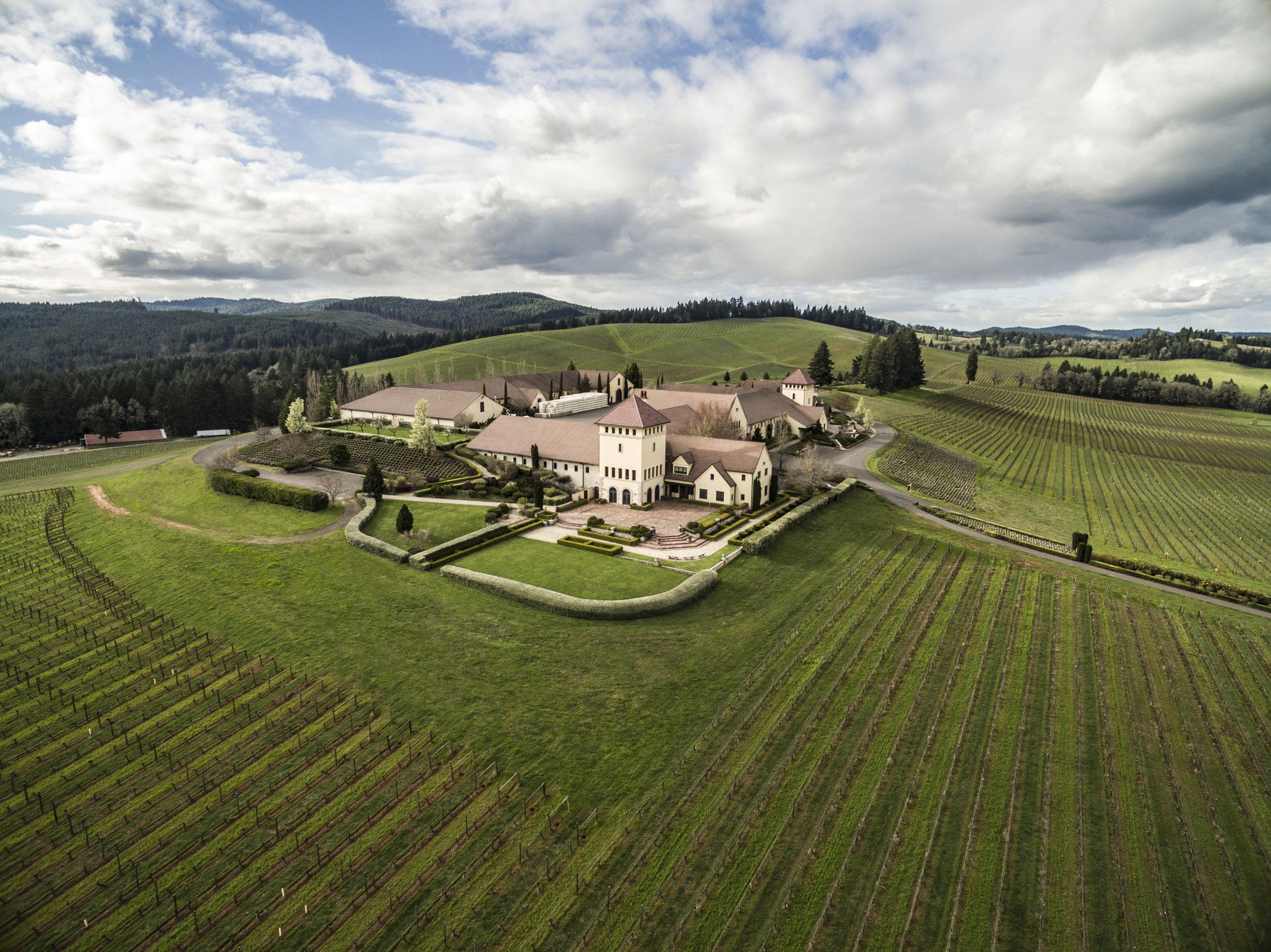
King Estate presents itself as a large, purposeful Willamette Valley winery grounded in terroir and scale. The writing emphasizes sweeping agricultural land and one of Oregon’s largest certified organic vineyards, so the overall impression is of a classic, sophisticated estate operation rather than a boutique or urban tasting room. The tone is measured and informed, focusing on varietal identity—especially Pinot Gris and Pinot Noir—and on an organized program of tiers and estate-specific expressions. Visitors encounter a thoughtful, vineyard-driven personality rooted in the southern end of the Willamette Valley.
Best For
This estate is well suited to group outings, wine-education visits and special-occasion stops. The copy highlights the winery’s role in explaining regional identity and varietal style, particularly through its multi-tier Pinot Gris program, which makes it a strong pick for anyone wanting to deepen their understanding of Willamette wines. The property’s size and organic estate vineyards also make it an appealing backdrop for groups and milestone visits where the setting and provenance matter as much as the bottles.
Tasting Tips
Focus on the house specialties: sample the Pinot Gris and Pinot Noir across tiers to appreciate how the estate differentiates broad-distribution bottlings from estate-specific expressions. The description stresses a program that mirrors tiered segmentation, so tasting both introductory and estate-designated wines gives the best sense of King Estate’s structure and terroir. Prioritize estate-labeled examples when you want the clearest expression of the vineyard’s southern Willamette characteristics.
Venue details
Ambiance
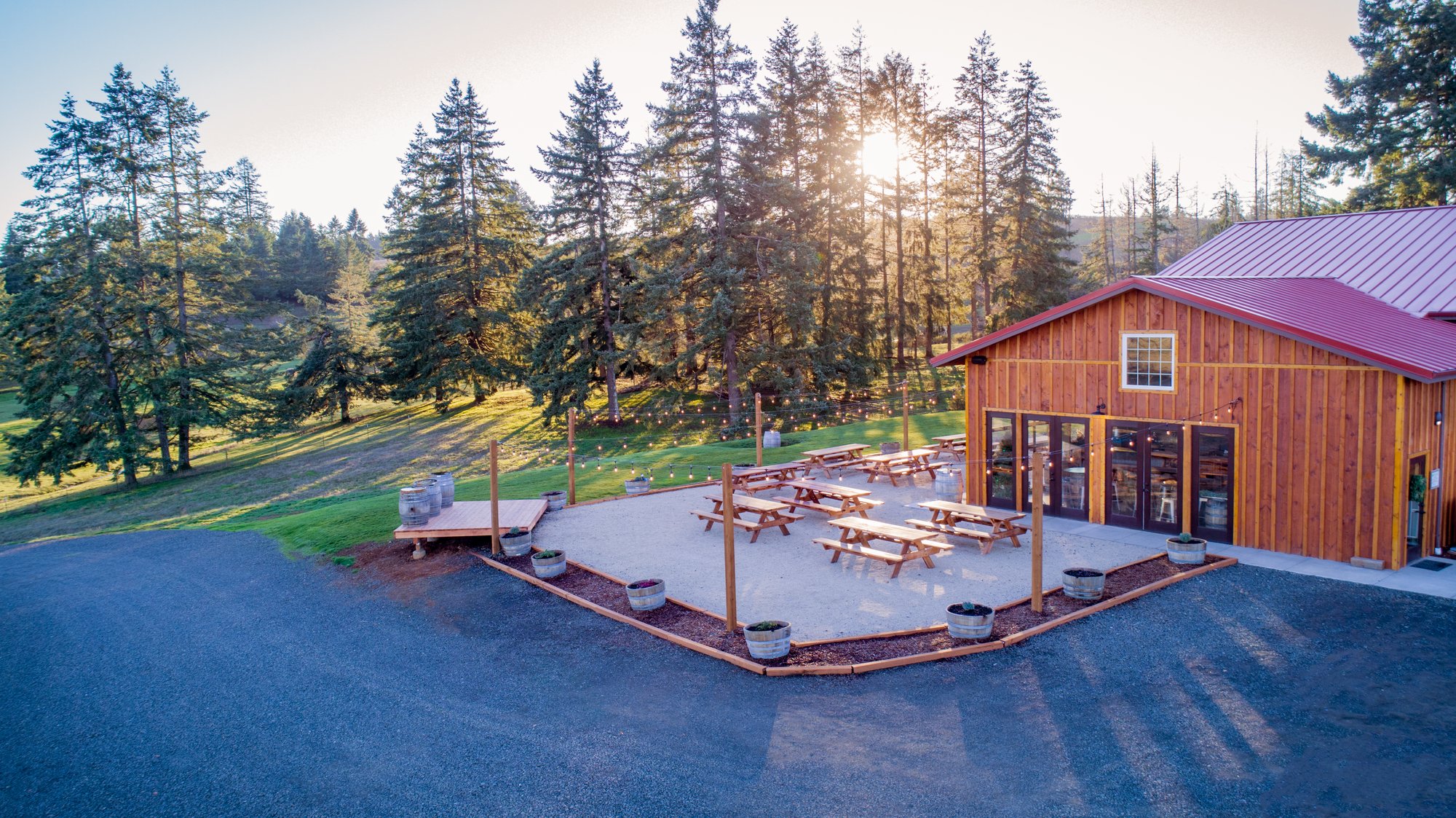
Elegant French-style architecture with beautiful countryside views, serene and scenic atmosphere.
Tags
Vibe
Best For
Experience
Sourcing
View
At the Vineyard
- Appellation
- Willamette Valley AVA
- Varietals
- Pinot Gris, Pinot Noir, Chardonnay, Tempranillo
- Tour Duration
- 60-90 minutes
- Visits
- By reservation
- Farming
- Biodynamic
- Wine Styles
- Still White, Still Red, Still Rose
- Food Pairing
- Offered
- Wine Club
- Available
Know before you go
Know Before You Go
- Getting there
- 80854 Territorial Hwy, Eugene, OR 97405
Planning details
Location
Also consider
Where to look if this is full
If King Estate Winery is not workable, start with Willamette Valley Vineyards for a similarly established Oregon wine stop. For a more relaxed alternate, try Brooks Winery or Maysara Winery.
Winery context
How It Compares
King Estate Winery is the better pick when the tasting is meant to anchor the day, not fill a gap. Compared with St. Innocent Winery and Willamette Valley Vineyards, it reads as the higher-commitment choice: plan ahead, keep the group small, and do not treat it as a casual backup.
For value, the decision depends on what “value” means. If value means a polished, slower winery experience, King Estate Winery makes sense. If value means easier booking and less pressure around timing, Brooks Winery or Maysara Winery may be the safer cross-shop. If the goal is a more serious collector-leaning comparison, Antica Terra belongs on the list, but it is not the fallback for a low-effort day.
Around this place
Discover more on Pearl
Unlock the full King Estate Winery guide in Pearl, including awards, comparisons, FAQs, planning details, and nearby places.
Compare King Estate Winery
| Venue | Location | Awards |
|---|---|---|
| King Estate Winery | Eugene | No published awards |
| St. Innocent Winery | Jefferson | No published awards |
| Willamette Valley Vineyards | Turner | No published awards |
| Brooks Winery | Amity | 2025 World's 50 Best Vineyards · #352023 World's 50 Best Vineyards · #28 |
| Antica Terra | Amity | 2026 Falstaff Winery Guide2025 James Beard Award Semifinalists2025 Pearl 4 Star Prestige |
| Maysara Winery | McMinnville | 2025 World's 50 Best Vineyards · #23 |




How King Estate Winery Eugene compares with similar nearby venues.
FAQ
Frequently Asked Questions
When is the best time to visit King Estate Winery?
Because King Estate Winery has Pearl 3 Star Prestige recognition for 2025, it is worth confirming current hours and availability directly before planning your visit.
What other wineries should I compare with King Estate Winery?
If you are comparing winery options, look at St. Innocent Winery, Willamette Valley Vineyards, Brooks Winery, Antica Terra, and Maysara Winery. King Estate Winery remains the Eugene venue in this guide.
Do I need a reservation at King Estate Winery?
What details should I confirm before visiting King Estate Winery?
Should I confirm service details before visiting?
Yes. King Estate Winery is in Eugene, has a smart-casual dress code, and holds Pearl 3 Star Prestige recognition for 2025. Confirm current service details directly with the venue.
How long should I plan for a visit to King Estate Winery?
Plan your visit length after checking the current options with the venue. King Estate Winery is in Eugene, has a smart-casual dress code, and holds Pearl 3 Star Prestige recognition for 2025.