Kloster Eberbach
Eltville am Rhein, Eltville
Winery in Eltville, Germany
 Book with Pearl
The Read
Cistercian Terroir Heritage
Price
$20–30tasting
Why go
Book Kloster Eberbach if the value of the visit is the Rheingau setting as much as the wine. It is better for travelers who want historic context and a substantial site visit than for anyone trying to fit in a fast, producer-only tasting.
About Kloster Eberbach
Kloster Eberbach in Eltville is recognized with Pearl 3 Star Prestige (2025), and the dress code is smart casual.
Use Eltville as the location reference for itinerary planning, and check details such as cuisine, tasting format, food service, bottle pricing, group capacity, shipping, or opening hours directly before planning around them.
Book this for a confirmed Prestige-recognized stop in Eltville
Kloster Eberbach is best described as a Pearl 3 Star Prestige (2025) venue in Eltville. That makes it a notable stop to consider.
For practical planning, dress smart casual and confirm any time-sensitive details directly before going. If you are comparing options, Weingut Balthasar Ress, Weingut Josef Spreitzer, Weingut Peter Jakob Kühn, Weingut Robert Weil, and Weingüter Wegeler are natural names to consider alongside Kloster Eberbach, depending on the shape of your itinerary.
Value comes from confirmed recognition, with details to verify
The strongest argument for Kloster Eberbach is its Pearl 3 Star Prestige (2025) recognition. Beyond that, specific claims about prices, food, shipping, membership programs, group handling, or a particular tasting experience should be confirmed directly.
Use Kloster Eberbach as an Eltville option, then confirm the operational details that matter most for your visit. If the trip includes other stops, compare it with other dining options in Eltville or the named venues above without assuming that each venue offers the same format or services.
Planning details
- Location
- Kloster Eberbach, 65346 Eltville am Rhein
- Website
- kloster-eberbach.de
- Phone
- +49 6723 9178100
The take
The Take
The Vibe
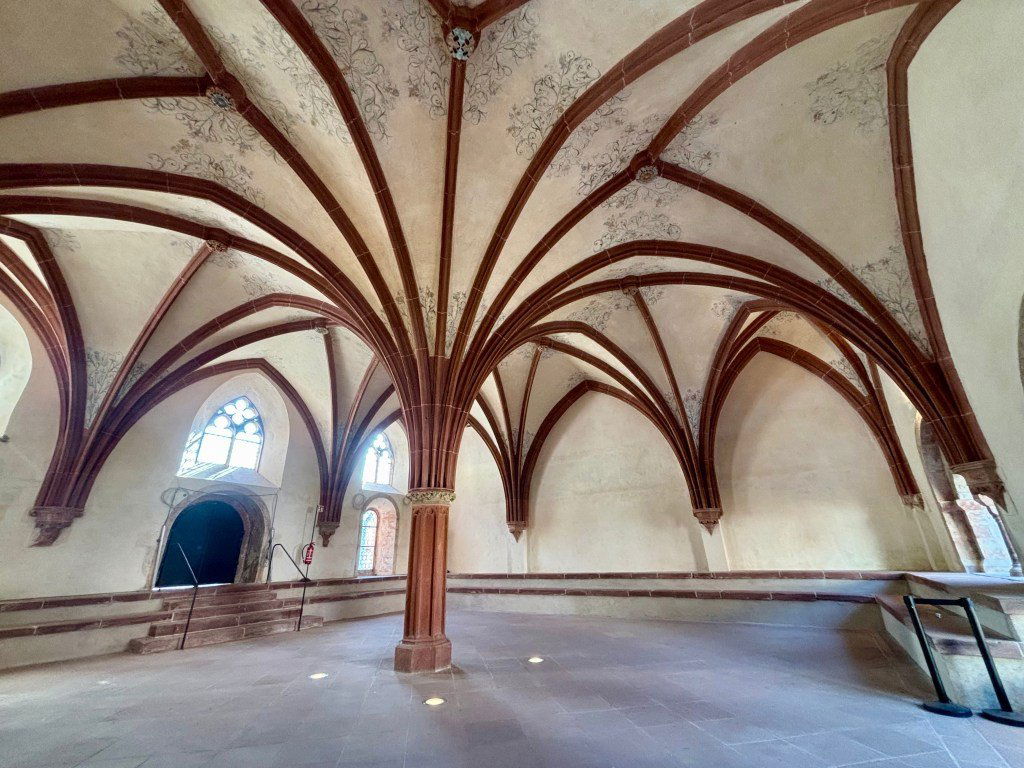
Kloster Eberbach reads like a place where architecture and geology are inseparable. A twelfth‑century Cistercian complex rises in a wooded Rheingau valley, its Romanesque nave and vaulted cellars anchoring an atmosphere of measured purpose. The surrounding hillside vineyards, south‑facing exposures and the Rhine below shape a quietly sophisticated aura: scholarly rather than showy, meditative rather than buzzy. The estate feels like a living archive of place—serene and refined, with a palpable sense of continuity between stone, slate and the Rieslings that define the region.
Best For
This estate is best for people drawn to wine education, history and terroir-driven tasting. The long monastic record of viticulture and explicit references to Grosse Lage and Erste Lage classifications make Kloster Eberbach an instructive stop for anyone studying Riesling and site expression. Its dramatic, historic setting also lends itself to special occasions and group outings where the architecture and vineyard landscape are integral to the experience. Visitors come to appreciate the layered relationship between soils, exposure and the region's signature acidity and longevity.
Tasting Tips
Focus on Riesling and pay attention to vineyard classifications when choosing bottles—references to Grosse Lage and Erste Lage signal top sites. Given the estate’s emphasis on quartzite, slate and phyllite soils and the microclimate benefits of southern exposure and reflected Rhine heat, seek wines that emphasize minerality and structure. If you want ageworthy examples, prioritize vintages described as having structural longevity; the estate’s long record of observation means older bottlings often reveal the site’s signature development over time.
Venue details
Ambiance
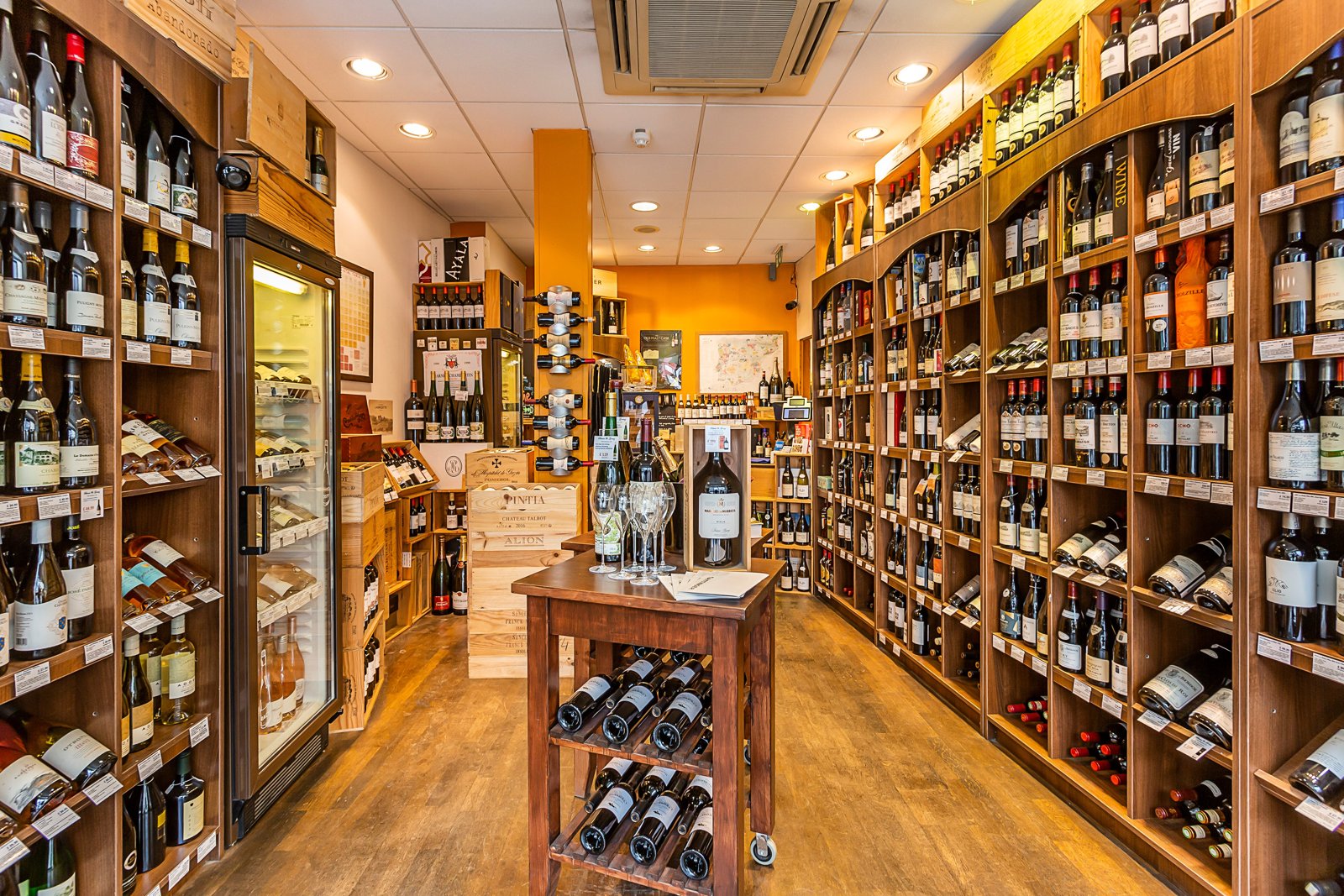
Atmospheric stone architecture blending Romanesque simplicity and Gothic grandeur, with cool, dimly lit historic cellars evoking medieval monastic life amid vineyard surroundings.
Tags
Vibe
Best For
Experience
View
At the Vineyard
- Appellation
- Rheingau
- Varietals
- Riesling, Pinot Noir, Chardonnay
- Tour Duration
- 60-90 minutes
- Tour Languages
- English, German
- Visits
- By reservation
- Wine Styles
- Still White, Still Red
- Food Pairing
- Offered
- Wine Club
- Not available
Know before you go
Know Before You Go
- Getting there
- Kloster Eberbach, 65346 Eltville am Rhein
Planning details
Location
Also consider
Also Consider
- Weingut Robert Weil, Notable alternative
- Weingut Balthasar Ress, Notable alternative
- Weingut Peter Jakob Kühn, Notable alternative
- Weingüter Wegeler, Notable alternative
- Weingut Josef Spreitzer, Notable alternative
Winery context
How Kloster Eberbach compares in the Rheingau
Choose Kloster Eberbach when ambiance and regional context matter more than a compact cellar-door appointment. Against Weingut Robert Weil, Weingut Peter Jakob Kühn, Weingüter Wegeler, and Weingut Josef Spreitzer, it is the more place-driven choice: better for travelers who want the physical setting to be part of the value calculation, less direct for buyers focused only on producer comparison.
Inside Eltville, Weingut Balthasar Ress is the easier cross-shop for a more estate-centered visit. Pick Balthasar Ress if the priority is tasting focus and a simpler schedule; pick Kloster Eberbach if the group includes guests who may care as much about architecture and regional history as wine detail.
For booking strategy, secure Kloster Eberbach first if it is central to the trip, then use the other Rheingau estates as alternates or additions. For value, the trade-off is clear: smaller peers may give a more direct bottle-to-price read, while Kloster Eberbach justifies attention when the setting is part of what the group is paying time and effort to experience.
Explore Eltville
Around this place
Discover more on Pearl
Unlock the full Kloster Eberbach guide in Pearl, including awards, comparisons, FAQs, planning details, and nearby places.
Compare Kloster Eberbach
| Venue | Location | Awards |
|---|---|---|
| Kloster Eberbach | Eltville | No published awards |
| Weingut Robert Weil | Kiedrich | 2026 Falstaff Winery Guide |
| Weingut Balthasar Ress | Eltville | 2026 Falstaff Winery Guide2025 Decanter Winery Prestige |
| Weingut Peter Jakob Kühn | Oestrich-Winkel | 2026 Falstaff Winery Guide |
| Weingüter Wegeler | Oestrich-Winkel | 2026 Falstaff Winery Guide |
| Weingut Josef Spreitzer | Oestrich-Winkel | 2026 Falstaff Winery Guide |


How Kloster Eberbach Eltville compares with similar nearby venues.
FAQ
Frequently Asked Questions
What is Kloster Eberbach known for in this guide?
Kloster Eberbach is identified as an Eltville venue with Pearl 3 Star Prestige (2025) recognition and a smart casual dress code. It does not confirm specific menus, products, or services.