Drew Family Wines
Elk
Winery in Elk, United States
 Book with Pearl
The Read
Coastal Terroir Precision
Price
$30–50tasting
Why go
Drew Family Wines is the Elk-area pick for a quieter, more intentional coastal winery stop rather than a high-volume tasting circuit. It suits couples, small groups, and returning Mendocino wine travelers who want the setting to matter as much as the tasting itself; larger groups should plan carefully before making it the anchor.
About Drew Family Wines
It is best approached as a focused Elk stop, with practical details confirmed directly before you go.
Use the page as a decision aid rather than a substitute for current venue information.
Choose it for a focused Elk stop
For broader planning, use Our full Elk restaurants guide and other current Elk resources to keep the day balanced.
Regulars should cross-shop by mood and access
If you are comparing venues for the same trip or a wider regional plan, consider Lula Cellars, Handley Cellars, Claudia Springs Winery, Panthea Winery, and Husch Vineyards alongside Drew Family Wines.
Because only a small set of facts is available, avoid relying on assumptions about service style, availability, or visit logistics. The most reliable plan is to confirm the practical details first, then decide whether Drew Family Wines fits the pace and purpose of your Elk visit.
Planning details
- Location
- 31351 Philo Greenwood Rd, Elk, CA 95432, United States
- Website
- drewwines.com
- Phone
- +17078959599
The take
The Take
The Vibe
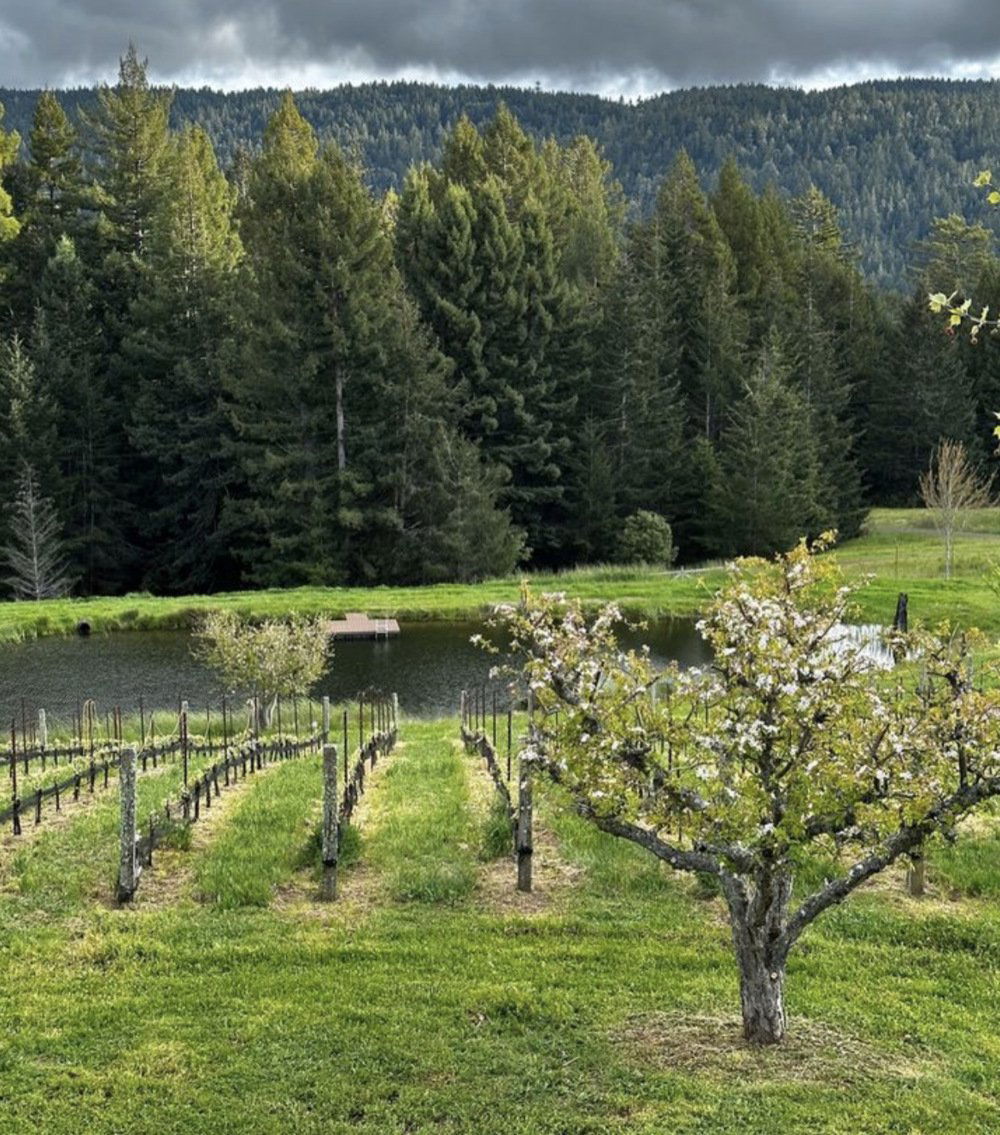
Drew Family Wines reads like a coastal outpost where the landscape sets the terms. Persistent Pacific air and daily fog lend a restrained, contemplative mood shaped by climate-driven tension. The approach feels small-scale and specific: producers here craft wines that respond directly to fog, granite, and ancient seabed, and the experience is defined by place more than by regional prestige. The drive into Elk, from salt-aired shoreline through redwood shadow to open vineyard exposure, reinforces a quietly dramatic, pared-back character that rewards attention to terroir.
Best For
This is a stop for people who are curious about terroir and coastal viticulture. Wine enthusiasts seeking examples of tension-driven, cool-climate wines will find the region’s specificity instructive; the area is a specialized fringe. The setting also suits reflective solo visits or intimate, low-key outings where scenery and provenance matter. The Mendocino Ridge appellation appeals to visitors interested in learning how climate and site shape style.
Venue details
Ambiance
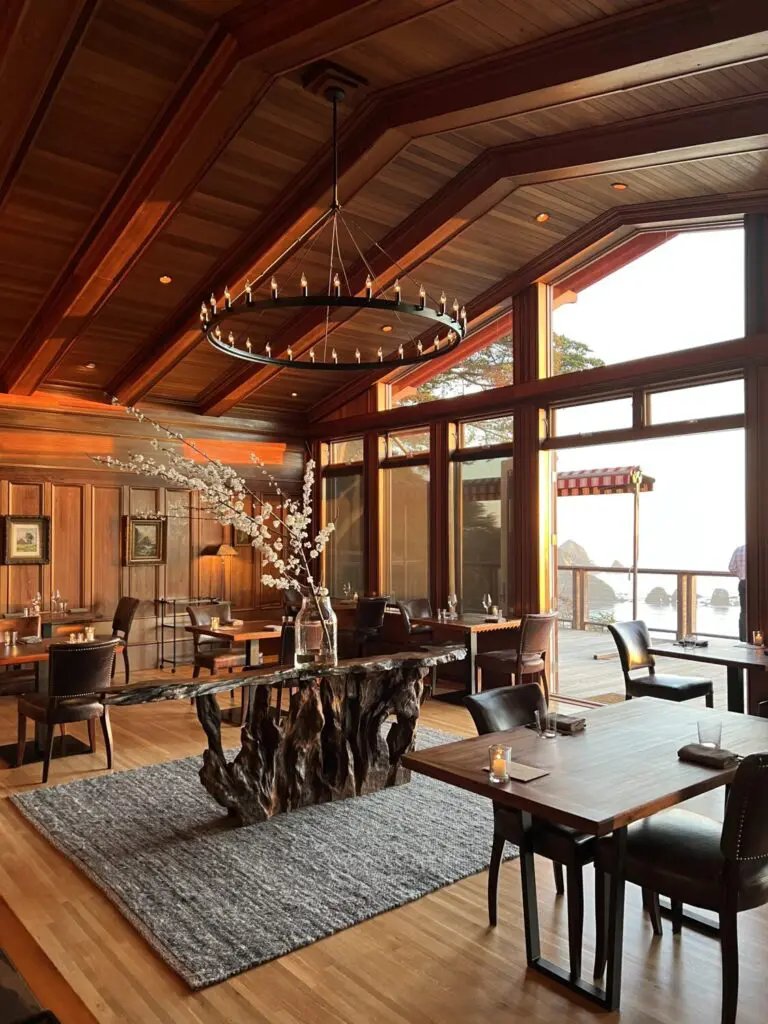
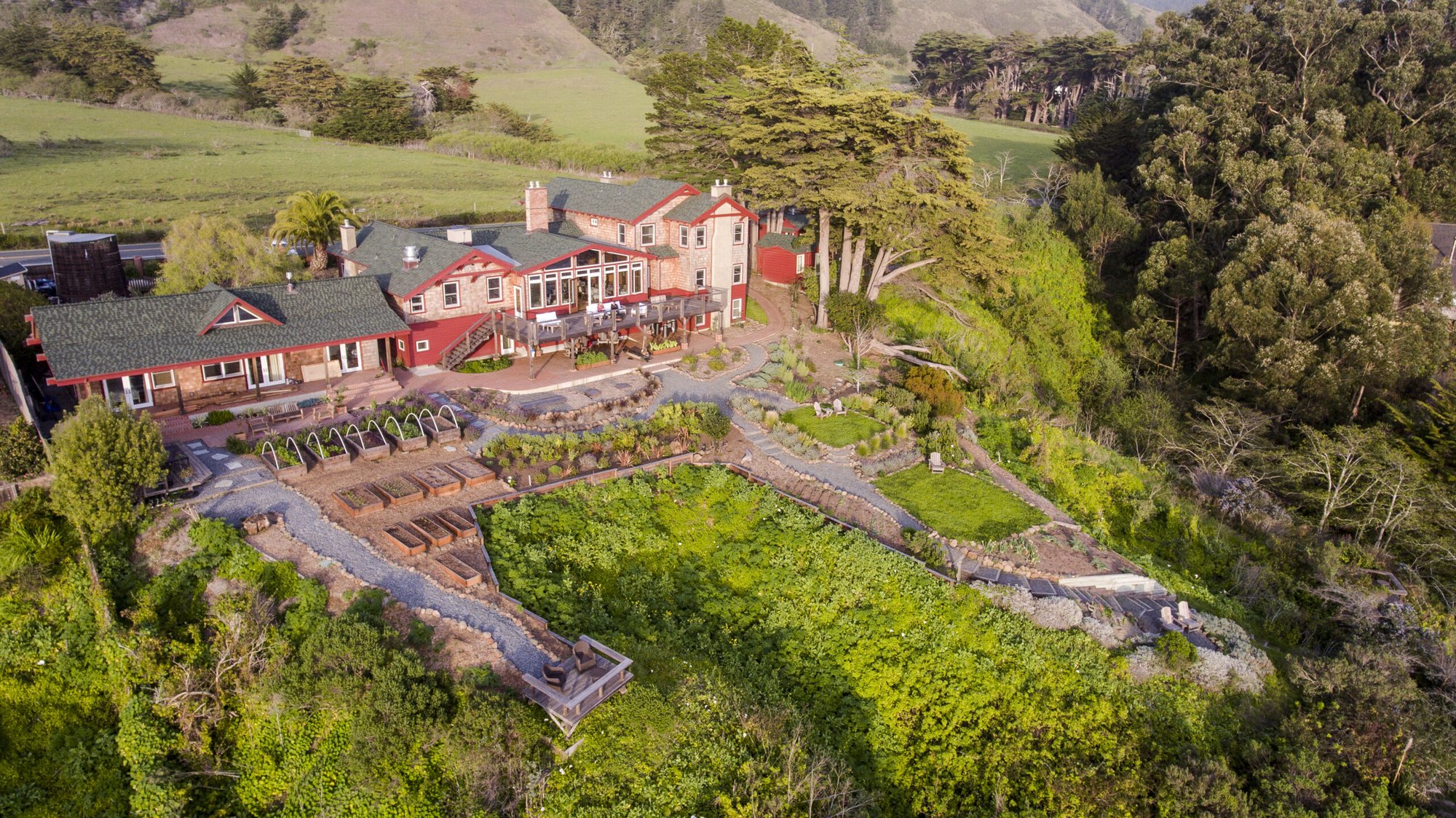
Cozy and scenic with sweeping countryside views from the winery deck amid redwoods, offering a paradise-like serene atmosphere.
Tags
Vibe
Best For
Experience
Sourcing
View
At the Vineyard
- Appellation
- Mendocino Ridge
- Varietals
- Pinot Noir, Syrah
- Tour Duration
- 60-90 minutes
- Visits
- By reservation
- Farming
- Sustainable
- Production
- Small producer
- Wine Styles
- Still Red
- Wine Club
- Available
Know before you go
Know Before You Go
- Getting there
- 31351 Philo Greenwood Rd, Elk, CA 95432, United States
Planning details
Location
Also consider
Where to go if this does not work
If Drew Family Wines is hard to fit into the day, start with Lula Cellars or Handley Cellars for a more flexible Mendocino wine plan. For a quieter alternative with a similar ambiance-first appeal, look at Panthea Winery.
Winery context
How Drew Family Wines compares in Elk-area wine planning
Drew Family Wines is the stronger choice when the priority is a quieter coastal setting and a more destination-led day. Lula Cellars and Handley Cellars are better cross-shops for travelers who want a more conventional Mendocino wine-country route with easier backup planning.
For value and access, Claudia Springs Winery and Husch Vineyards are the safer alternatives if the day needs to stay flexible. Drew is more compelling when the visit itself is the point, not just one tasting among several.
Panthea Winery is the closer comparison for guests choosing by ambiance rather than convenience. Pick Drew for a calmer Elk-focused itinerary; pick the peers when group logistics, easier routing, or a broader tasting crawl matter more.
Around this place
Discover more on Pearl
Unlock the full Drew Family Wines guide in Pearl, including awards, comparisons, FAQs, planning details, and nearby places.
Compare Drew Family Wines
| Venue | Location | Awards |
|---|---|---|
| Drew Family Wines | Elk | No published awards |
| Lula Cellars | Philo | No published awards |
| Handley Cellars | Philo | No published awards |
| Claudia Springs Winery | Philo | No published awards |
| Panthea Winery | Philo | No published awards |
| Husch Vineyards | Philo | No published awards |
How Drew Family Wines Elk compares with similar nearby venues.
FAQ
Frequently Asked Questions
What other venues should I compare with Drew Family Wines?
For comparison, consider Lula Cellars, Handley Cellars, Claudia Springs Winery, Panthea Winery, and Husch Vineyards. Check each venue's current location and visit details before treating any of them as same-day alternatives to Drew Family Wines in Elk.
What is the dress code at Drew Family Wines?
The dress code for Drew Family Wines in Elk is casual.