Paul Cluver Wines
Elgin
Winery in Elgin, South Africa
 Book with Pearl
The Read
Cool-Climate Kogelberg Viticulture
Why go
Paul Cluver Wines is worth prioritising if the goal is a serious Elgin wine stop rather than a broad hospitality estate. It suits first-time visitors who want regional context and a calmer cellar-door feel; cross-shop Oak Valley Estate or Iona Vineyard if the day needs easier comparison across nearby producers.
About Paul Cluver Wines
Paul Cluver Wines is a venue in Elgin with a casual dress code and Pearl 2 Star Prestige recognition for 2025. Beyond those points, the supplied verified record does not confirm tasting formats, food service, opening hours, prices, capacity, or specific labels, so plan from the venue's current official information before making it a fixed stop.
A grounded Elgin listing with limited verified detail
The confirmed facts are concise: Paul Cluver Wines is in Elgin, the dress code is casual, it holds Pearl 2 Star Prestige for 2025. That makes it relevant for visitors comparing recognised venues, but the available verified data does not support claims about cuisine, service style, reservations, group size, or a particular tasting experience.
Use this listing as a starting point rather than a complete practical brief. If timing, food, accessibility, or group arrangements matter, confirm those details directly with the venue before you travel.
For comparison planning, consider Iona Vineyard or Oak Valley Estate. For broader research around Elgin, you can also check Our full Elgin restaurants guide.
Who should prioritise it, who should cross-shop
Prioritise Paul Cluver Wines if you are looking for a recognised Elgin venue with a casual dress code and Pearl 2 Star Prestige recognition. Cross-shop Oak Valley Estate or Iona Vineyard if you want to compare other named options.
Beaumont Family Wines, Luddite Wines, Oude Molen Distillery may also be useful reference points when planning a wider route, but the verified information here does not establish Paul Cluver Wines against them on food, pricing, hours, capacity, or service format.
Because the confirmed record is limited, avoid building the day around assumptions. Check current operating details, booking requirements, any visit-specific arrangements directly before finalising plans.
Planning details
- Location
- Paul Cluver Estate Wines, N2, Kromco Turn off, De Rust Estate, Grabouw, 7160
- Website
- cluver.com
- Phone
- +27 21 844 0605
The take
The Take
The Vibe
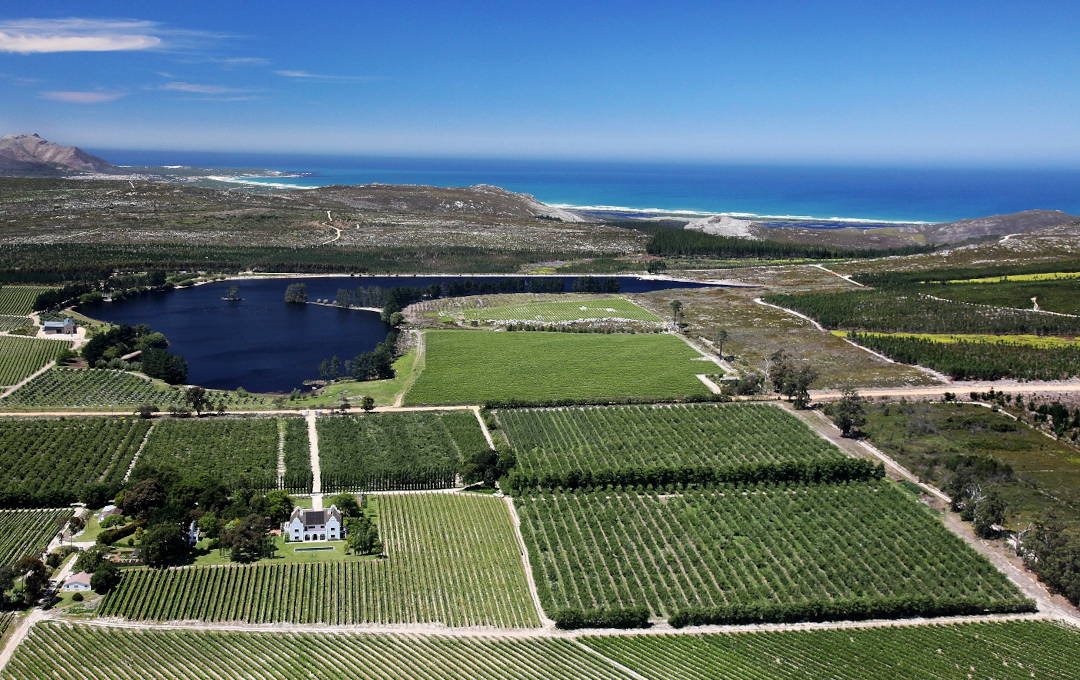
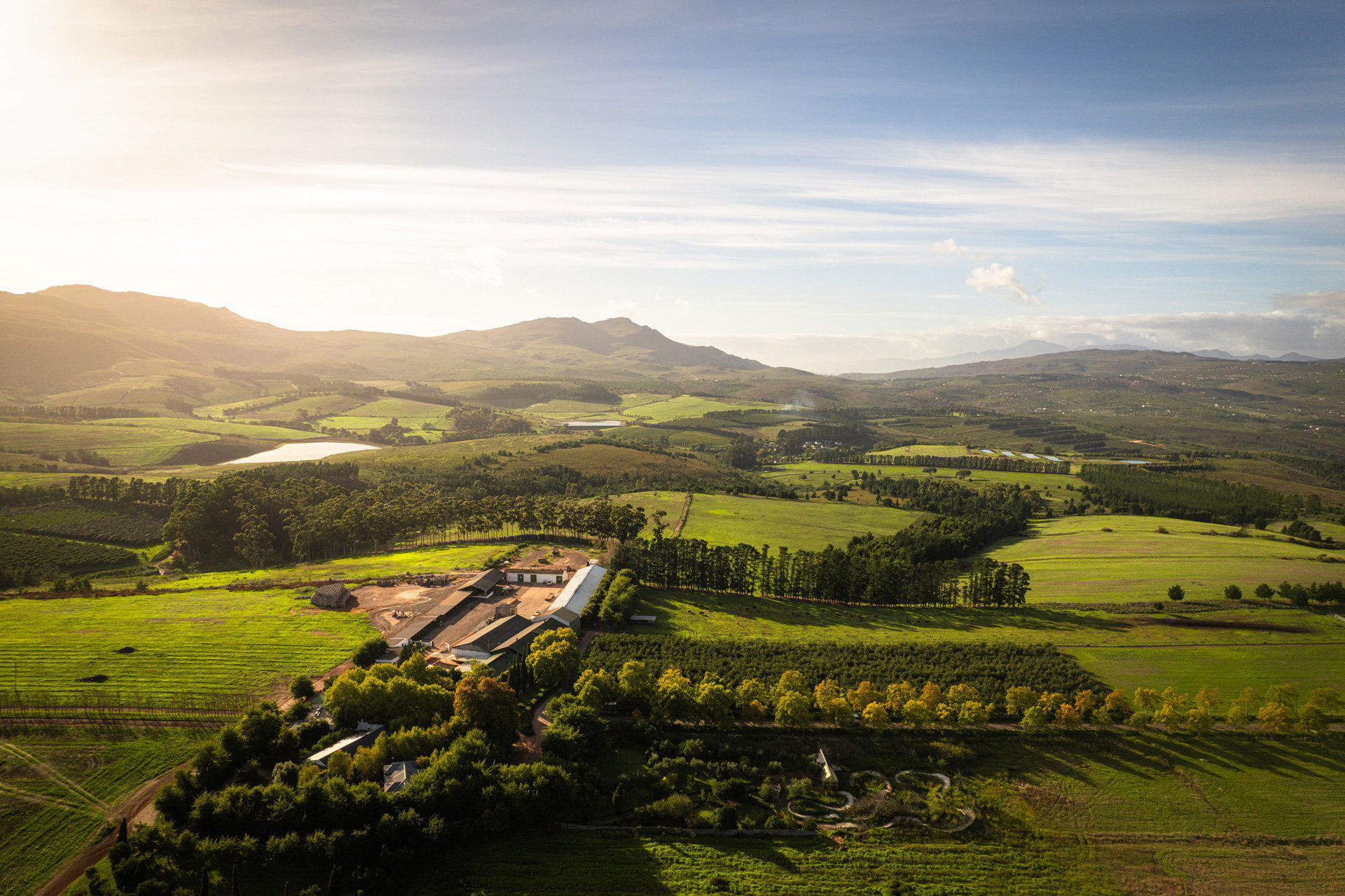
Paul Cluver Wines sits amid apple and pear orchards in Elgin; the approach along the N2 and the estate road immediately establish a pastoral, high‑elevation calm. The property reads as a working agricultural landscape rather than a manicured tourism showpiece, and that grounded character underpins a restrained, sophisticated atmosphere. Tasting here feels deliberate: cool air and elevation give Riesling and Pinot Noir a taut, European‑like tension, and the estate’s Pearl 2 Star Prestige recognition signals a seriousness of purpose. Expect a quiet, measured visit that privileges terroir, clarity and plant‑driven wines over theatrical tasting‑room spectacle.
Best For
Paul Cluver is most valuable to visitors who want to study cool‑climate varieties and to buyers looking for benchmark expressions of Elgin. The tasting focus is clearly on Riesling and Pinot Noir, and the estate’s placement within a peer group of high‑altitude producers frames visits as comparative and educational. Solo explorers can take a reflective pace; small groups come to compare bottlings and learn about site differences. Because the property reads as working farmland rather than a theme park, itineraries that allow time for thoughtful tastings rather than rapid sampling deliver the clearest sense of what makes Paul Cluver’s wines distinctive.
Tasting Tips
On arrival, lean into the estate’s cool‑climate specialties: request comparative tastings that highlight Riesling and Pinot Noir and ask which bottlings contribute to the winery’s Pearl 2 Star Prestige placement. Expect a measured, unhurried tasting pace — the tasting room privileges nuance over volume — so plan for time rather than rushing through flights. Ask staff about site differences and how elevation and aspect shape each wine, and consider comparing Paul Cluver’s examples with nearby Elgin peers to sharpen your sense of the region’s character.
Venue details
Ambiance
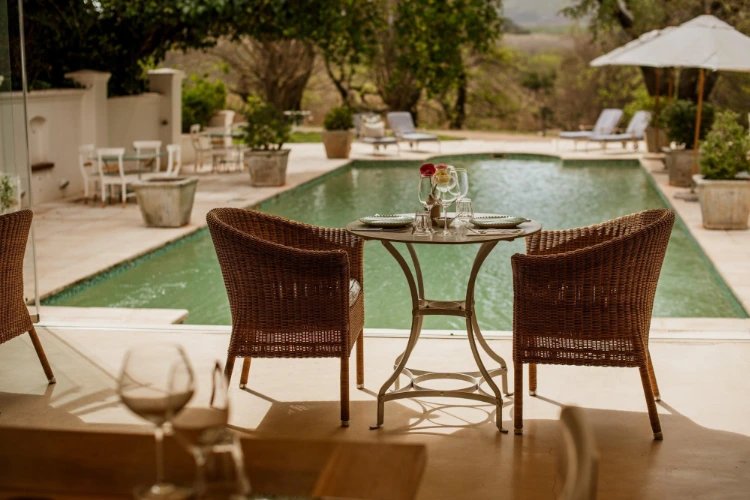
Serene and scenic atmosphere amid mountains, vineyards, and gardens with a focus on elegant, terroir-driven wines.
Tags
Vibe
Best For
Experience
Sourcing
View
At the Vineyard
- Appellation
- Elgin
- Varietals
- Pinot Noir, Chardonnay, Riesling, Sauvignon Blanc, Gewürztraminer
- Tour Duration
- 60-90 minutes
- Wine Club
- Not available
Planning details
Location
Paul Cluver Estate Wines, N2, Kromco Turn off, De Rust Estate, Grabouw, 7160 · Directions
Also consider
Where to look if this is difficult to arrange
Try Oak Valley Estate first if staying within Elgin matters. Choose Iona Vineyard if the goal is to compare another Elgin producer rather than change the shape of the day.
Winery context
How it compares in and around Elgin
Choose Paul Cluver Wines when the priority is Elgin wine credibility and a quieter countryside feel. Oak Valley Estate is the more natural cross-shop for visitors who want a broader estate day in Elgin, while Iona Vineyard is the better second stop if the goal is to compare producers across the same region.
Oude Molen Distillery shifts the day away from wine, so use it only if the group is split between wine and spirits. Luddite Wines and Beaumont Family Wines are better for a wider regional route rather than a tight Elgin-only plan.
On booking difficulty, treat Paul Cluver Wines as the one to plan around first. Oak Valley Estate and Iona Vineyard make the most sense as backups or companion stops; Oude Molen Distillery is the practical pivot when the group wants a different category altogether.
Explore Elgin
Around this place
Discover more on Pearl
Unlock the full Paul Cluver Wines guide in Pearl, including awards, comparisons, FAQs, planning details, and nearby places.
Compare Paul Cluver Wines
| Venue | Location | Awards |
|---|---|---|
| Paul Cluver Wines | Elgin | No published awards |
| Oak Valley Estate | Elgin | No published awards |
| Oude Molen Distillery | Grabouw | No published awards |
| Iona Vineyard | Elgin | No published awards |
| Luddite Wines | Bot River | No published awards |
| Beaumont Family Wines | Bot River | No published awards |
How Paul Cluver Wines Elgin compares with similar nearby venues.
FAQ
Frequently Asked Questions
What other venues can I compare with Paul Cluver Wines?
For comparison planning, Iona Vineyard and Oak Valley Estate are names to consider. Beaumont Family Wines, Luddite Wines, Oude Molen Distillery may also be useful for wider research.
When is the best time to visit Paul Cluver Wines?
Can Paul Cluver Wines handle large groups?
The verified data does not list group capacity or event arrangements. Contact Paul Cluver Wines directly before planning a large-group visit.