Juhász Winery
Szépasszonyvölgy / Kőlyuk, Eger
Winery in Eger, Hungary
 Book with Pearl
The Read
Eger Cellar Precision
Price
$10–20tasting
Why go
Juhász Winery is the Eger choice for travelers who want a producer-led cellar stop in Szépasszonyvölgy and are willing to plan around a hard reservation. It is less convincing as a casual walk-in fallback; keep Gál Tibor Winery or Kovács Nimród Winery in the same shortlist if the day needs flexibility.
About Juhász Winery
Five Eger cellar names make this an actual choice, not a default stop: in Szépasszonyvölgy, Juhász Winery is worth targeting if the aim is to compare a recognised local producer inside Eger’s cellar-valley circuit. The practical verdict is narrow. Put it high on the list when the day is built around Eger wine; keep alternatives ready if the schedule cannot flex.
A producer-comparison stop in Szépasszonyvölgy, not a casual default
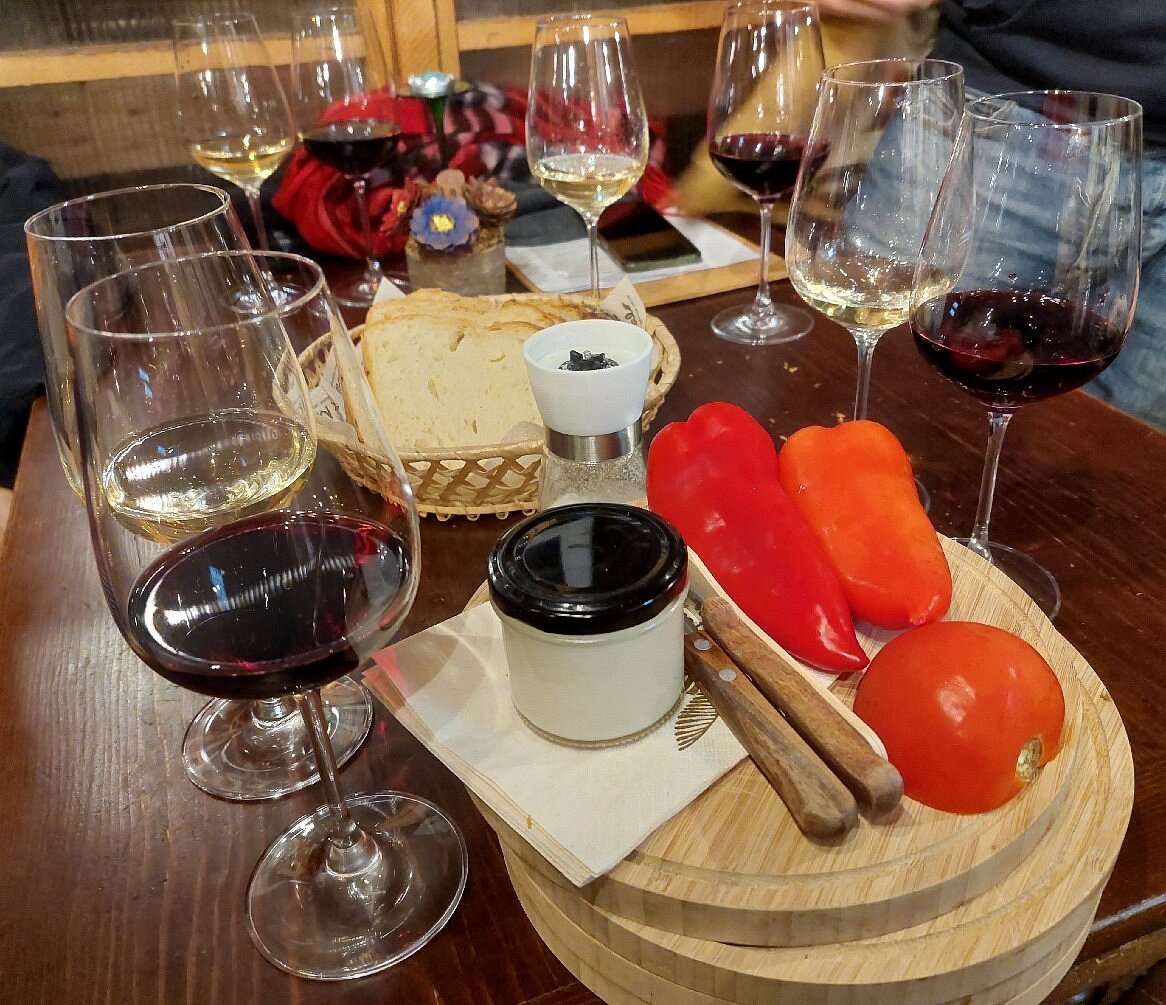
The useful reason to choose this address is depth of context. Eger’s reputation is tied to blends as well as varietal wines, with Egri Bikavér and Egri Csillag giving visitors a clear regional frame. A strong visit is less about chasing a named bottle and more about asking how blend decisions, oak use, and vintage handling fit that frame. That makes it better for explorers who like comparative tasting than for travelers who want a low-effort drink between sightseeing stops.
When the tasting is meant to anchor lunch, transport, or a group itinerary, settle the visit format before building the rest of the day. For a wider plan, use the Eger wineries guide rather than assuming one cellar can carry every part of the schedule.
Who should put it ahead of the safer Eger backups
Choose it when the priority is a focused Eger wine stop and the group is comfortable with planning friction. Skip it as the only winery on a tight itinerary, especially if food, fixed hours, or group handling are central to the day. In that case, pair the winery shortlist with the Eger restaurants guide, Eger hotels guide, and Eger experiences guide so the tasting does not carry the whole trip.
Planning details
- Location
- Eger, Szépasszonyvölgy 40, 3300
- Website
- juhaszbor.hu
- Phone
- +36 20 230 4003
The take
The Take
The Vibe
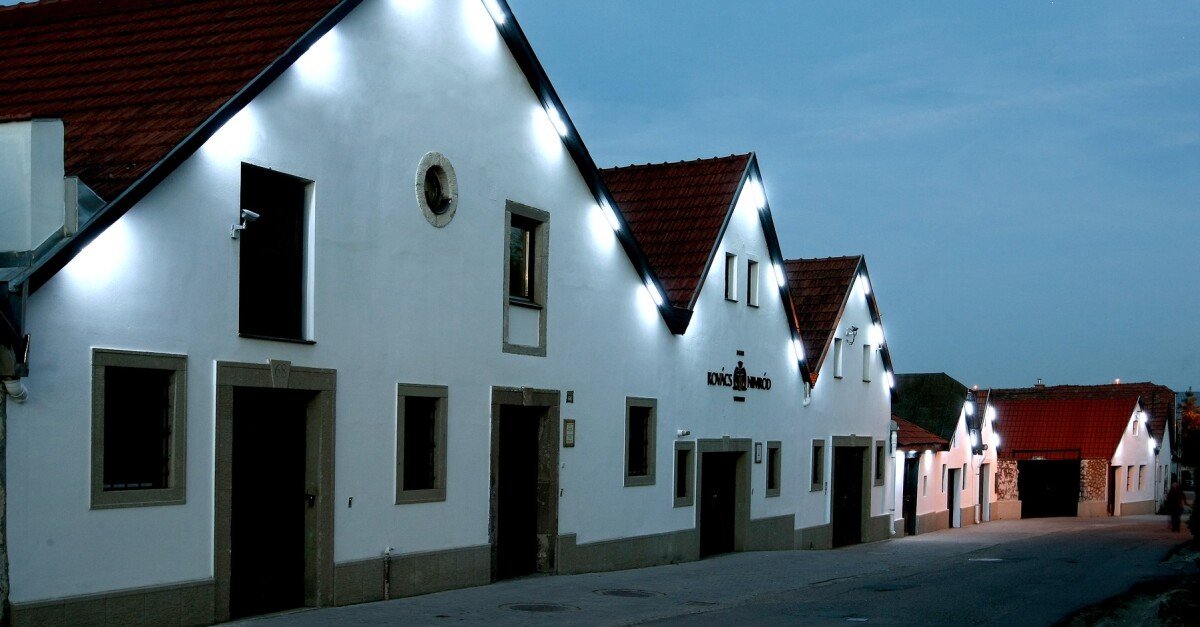
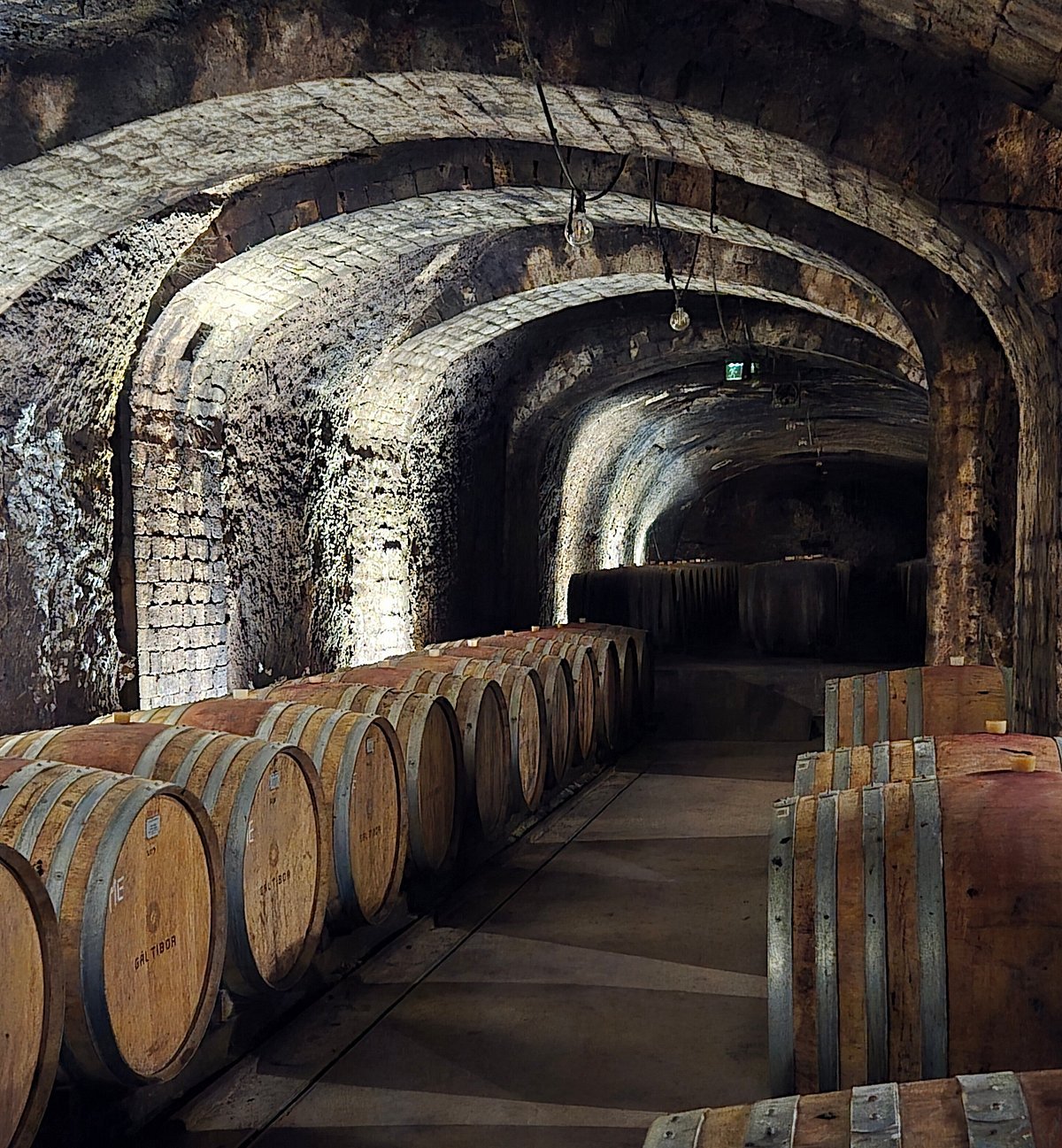
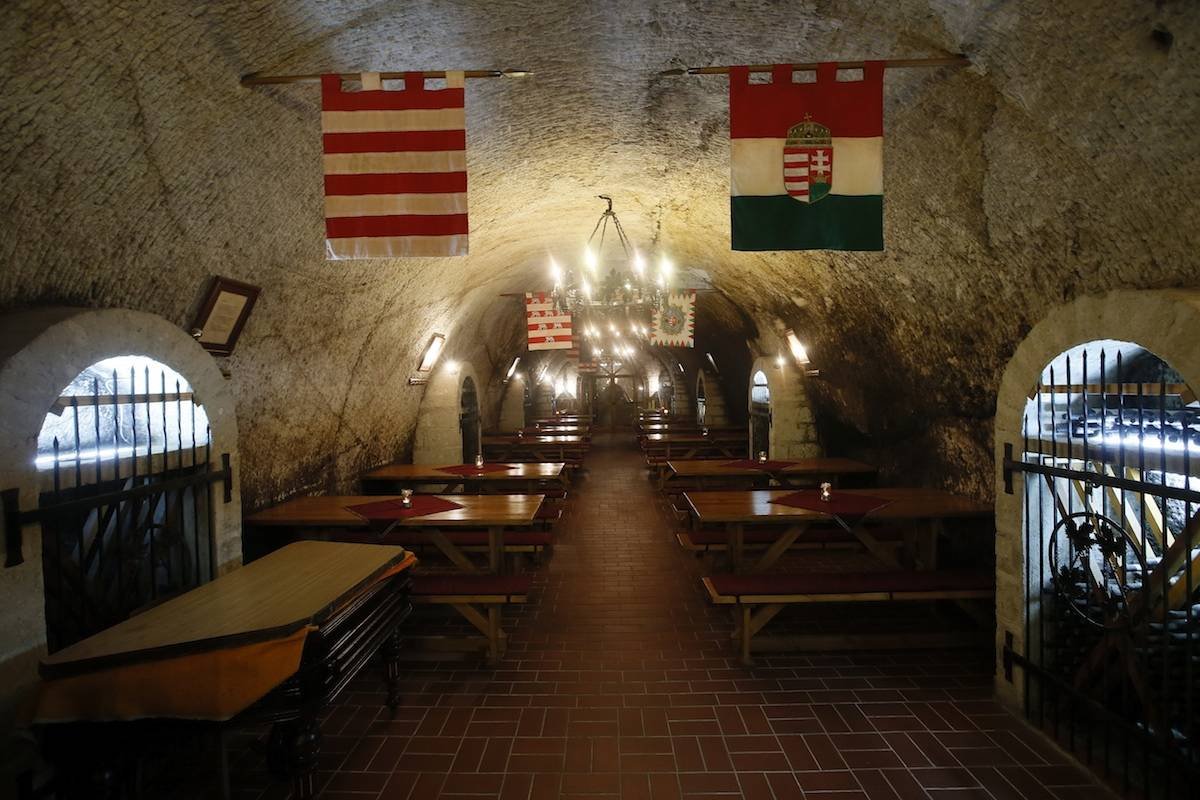
Juhász Winery sits where centuries of Eger wine history touch contemporary practice. The address in Szépasszonyvölgy and the cellar doors carved into volcanic tuff give the place a palpable historical character, while a Pearl 2 Star Prestige rating for 2025 signals a producer that prioritizes quality over holiday-trade spectacle. The result is a balanced personality: rooted in the region’s long tradition of cellar tunnels and hillside viticulture, yet deliberately oriented toward serious winemaking and thoughtful presentation rather than purely tourist-focused tasting.
Best For
Juhász is best for visitors who want to pair a scenic, historically rich setting with a focused look at Eger’s wines. It suits small groups and wine-curious visitors exploring Szépasszonyvölgy in summer evenings, and anyone interested in the region’s flagship styles—Egri Bikavér and the white blends—will find the context instructive. Because the producer is singled out with a Prestige rating, the cellar appeals to people who want tasting experiences that emphasize site, terroir and disciplined cellar work rather than casual, festival-style pours.
Tasting Tips
When tasting here, prioritize the region’s hallmark categories mentioned in the description: ask about Egri Bikavér (Bull’s Blood) and the white blends such as Egri Csillag, and sample single-variety whites referenced—Leányka, Furmint and Chardonnay. Given the winery’s Pearl 2 Star Prestige recognition, inquire about Prestige-designated bottlings or higher-tier cuvées that reflect the producer’s site selection and cellar discipline. Ask staff about the volcanic tuff cellars and how the different slope aspects influence the wines to get the most educational context from your visit.
Venue details
Ambiance
Rustic, carefully designed cellar atmosphere with a traditional rhyolite tuff setting and an intimate wine-bar feel.
Tags
Vibe
Best For
Experience
Sourcing
View
Accessibility
At the Vineyard
- Appellation
- Eger Wine Region
- Varietals
- Kékfrankos, Cabernet Franc, Merlot, Egri Bikavér, Olaszrizling
- Tour Duration
- 60-90 minutes
- Tour Languages
- English, Hungarian
- Visits
- Walk-ins welcome
- Production
- Large producer
- Wine Styles
- Still Red, Still White, Still Rose, Sparkling
- Founded
- 1996
- Wine Club
- Not available
Know before you go
Know Before You Go
- Getting there
- Eger, Szépasszonyvölgy 40, 3300
Planning details
Location
Also consider
If Juhász does not fit the plan
Start with Gál Tibor Winery if the priority is staying in the Eger wine context without turning the day into a single hard reservation. Add Kovács Nimród Winery as the second hold when the group wants another recognised Eger producer on the shortlist.
For a broader cellar-valley route, add Demeter Csaba Winery or Tóth Ferenc Pincészet rather than leaving the city. That keeps the day focused on Eger and gives the group room to adjust around timing, transport, and tasting format.
Winery context
How it compares in Eger
Against Gál Tibor Winery and Kovács Nimród Winery, Juhász is the higher-friction pick: choose it when a producer-led Eger tasting is the main plan, not when the group needs the easiest itinerary. For value, do not judge on price alone; compare tasting format, bottle access, and group fit before committing.
Demeter Csaba Winery and Tóth Ferenc Pincészet are the sensible cross-shops for visitors who want to stay within the Eger set but need a backup. They make sense when ambiance and timing matter as much as producer recognition, while Juhász suits the traveler willing to accept more planning friction for a focused stop.
Gróf Buttler Winery belongs on the same shortlist if the goal is to compare Eger producers rather than switch regions. For a single booking, target Juhász only if the visit is the anchor of the day; for a lower-risk route, hold two Eger options and decide around confirmed timing and tasting format.
Around this place
Discover more on Pearl
Unlock the full Juhász Winery guide in Pearl, including awards, comparisons, FAQs, planning details, and nearby places.
Compare Juhász Winery
Where it sits among Eger wineries
Juhász is the planning-heavy choice in this set. Gál Tibor Winery and Kovács Nimród Winery are the first cross-shops when timing matters, while Demeter Csaba Winery, Tóth Ferenc Pincészet, and Gróf Buttler Winery keep the itinerary inside Eger rather than pushing the day elsewhere.
Because price should be judged against format, compare tasting scope and bottle access before deciding where the value sits. If one winery has to anchor the day, Juhász is the assertive choice; if the group wants an easier-flowing cellar route, hold more than one Eger option.
FAQ
Frequently Asked Questions
What is the flagship wine at Juhász Winery?
Use the visit to compare the house range rather than chasing one named bottle. The appeal of Juhász Winery is the Eger setting at Szépasszonyvölgy 40, plus the 2 Star Prestige (2025) signal that it is worth treating as a serious producer stop.
Do I need a reservation at Juhász Winery?
Plan ahead if the visit matters to your day, especially for a group, because this is a producer stop in Eger rather than a casual drop-in. The 2 Star Prestige (2025) badge suggests it is worth booking rather than leaving to chance.
When is the best time to visit Juhász Winery?
Go when you can spend time in Szépasszonyvölgy, since the point here is a focused wine stop in Eger rather than a quick detour. For the smoothest visit, avoid trying to squeeze it in as the only stop on a tight schedule.
Is the wine club at Juhász Winery worth joining?
Join only if you plan to keep buying from a producer in Eger and want repeat access to the house range at Szépasszonyvölgy 40. If you are comparing wineries casually, the 2 Star Prestige (2025) is enough to justify a first visit without committing to a club.
Can Juhász Winery handle large groups?
It is a better fit for planned groups than for spontaneous walk-ins, so arrange it in advance if you are coming with several people. For larger parties, a winery stop like this in Eger works better than smaller, appointment-sensitive producers such as Demeter Csaba Winery.
Does Juhász Winery serve food?
Do not count on a full dining program here unless your booking confirms it, because the main reason to go is the winery itself at Szépasszonyvölgy 40. If food is the priority, pair the stop with a venue that clearly centers dining rather than wine production.
What other wineries are near Juhász Winery?
Good nearby comparisons in Eger include Gál Tibor Winery, Kovács Nimród Winery, Demeter Csaba Winery, Tóth Ferenc Pincészet, and Gróf Buttler Winery. Choose Juhász Winery when you want a producer-focused stop in Szépasszonyvölgy; go to Gál Tibor or Kovács Nimród if you want a broader benchmark visit.