Bolyki Winery
Losonczy Valley, Eger
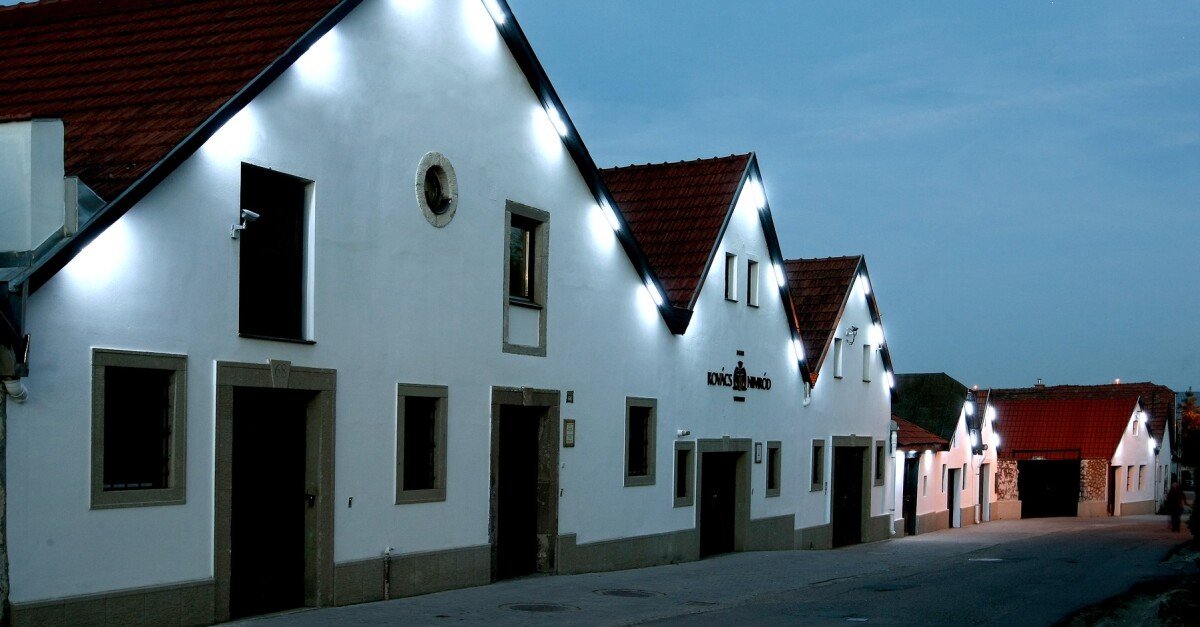
Winery in Eger, Hungary
 Book with Pearl
The Read
Bükk Foothills Precision
Price
$30–50tasting
Why go
Bolyki Winery is the Eger choice to prioritise when the trip is about producer depth rather than an easy drop-in tasting. Plan ahead and confirm access before shaping the day around it; if certainty matters more, compare nearby Eger wineries first.
About Bolyki Winery
Bolyki Winery is a winery in Eger with a casual dress code and Pearl 2 Star Prestige recognition for 2025. Practical information should be treated carefully: do not assume specific hours, prices, menus, food service, shipping, or reservation rules unless you confirm them directly with the venue.
For planning, the safest approach is to keep the visit flexible until current access and timing are confirmed. Bolyki Winery can be considered as part of an Eger wine-focused itinerary, but publicly available details may be limited, so avoid building a tight schedule around assumptions.
Choose it as an Eger winery stop, with details confirmed in advance
Bolyki Winery is in Eger, the dress code is casual, and it holds Pearl 2 Star Prestige recognition for 2025. If you are comparing winery options, consider Bolyki Winery alongside Tóth Ferenc Pincészet, Gróf Buttler Winery, Demeter Csaba Winery, Juhász Winery, and Gál Tibor Winery before committing your day.
Do not assume guaranteed food, walk-in availability, published tasting formats, group policies, or shipping options. Confirm the latest arrangements through the venue's official channels before travel.
Build the Eger day around confirmed information
If you plan to include Bolyki Winery, verify access, timing, and any visit requirements first, then shape the rest of the day around confirmed information. For a wider local plan, use Our full Eger restaurants guide to consider other dining in Eger without overloading the itinerary with uncertain winery logistics.
Cross-shopping should stay focused on relevant winery options. Bolyki Winery can be compared with Demeter Csaba Winery, Gróf Buttler Winery, Gál Tibor Winery, Juhász Winery, and Tóth Ferenc Pincészet as alternatives to research before finalising an Eger wine itinerary.
Planning details
- Location
- Eger, 3300
- Website
- bolykipinceszet.hu
- Phone
- +36706039474
The take
The Take
The Vibe
Bolyki Winery reads as a serious, sophisticated estate rooted in place. The copy frames the operation within Eger’s long wine history and highlights a Pearl 2 Star Prestige rating, which signals thoughtful viticulture and cellar work. The focus on rhyolite tuff, loess and the region’s continental climate gives the winery a terroir-forward identity: wines that emphasize mineral tension, structure and acidity rather than flashy ripeness. Visiting feels like stepping into a producer that respects tradition and technical craft, a refined counterpoint to flashier tourist tasting rooms and a good fit for wine lovers who value provenance and depth.
Best For
Bolyki is best for visitors who come to learn and to taste with purpose. The narrative centers on geology and winemaking, so it naturally suits wine-education outings and visits built around tasting terroir-driven reds. Its recognized Prestige rating also makes it appropriate for special-occasion visits when guests want to sample bottlings that reflect a regional benchmark. Group visits focused on tasting and study are sensible here, and the setting in Losonczy Valley is useful for travelers pairing winery stops with broader exploration of Eger’s vineyards and wine history.
Tasting Tips
Focus on the red bottlings that showcase the rhyolite-tuff soils: the write-up underscores mineral tension, concentrated flavors and structural backbone as defining traits. Seek the estate’s Prestige or flagship selections — the Pearl 2 Star designation is explicitly called out — and ask any host or winemaker to explain how loess, clay and volcanic tuff shape the wines in a continental climate with marked diurnal swings. Keep tasting notes keyed to acidity and phenolic maturity rather than overt ripeness, and treat visits as opportunities to probe site expression and cellar philosophy rather than looking for gimmicky, heavily oaked styles.
Venue details
Ambiance
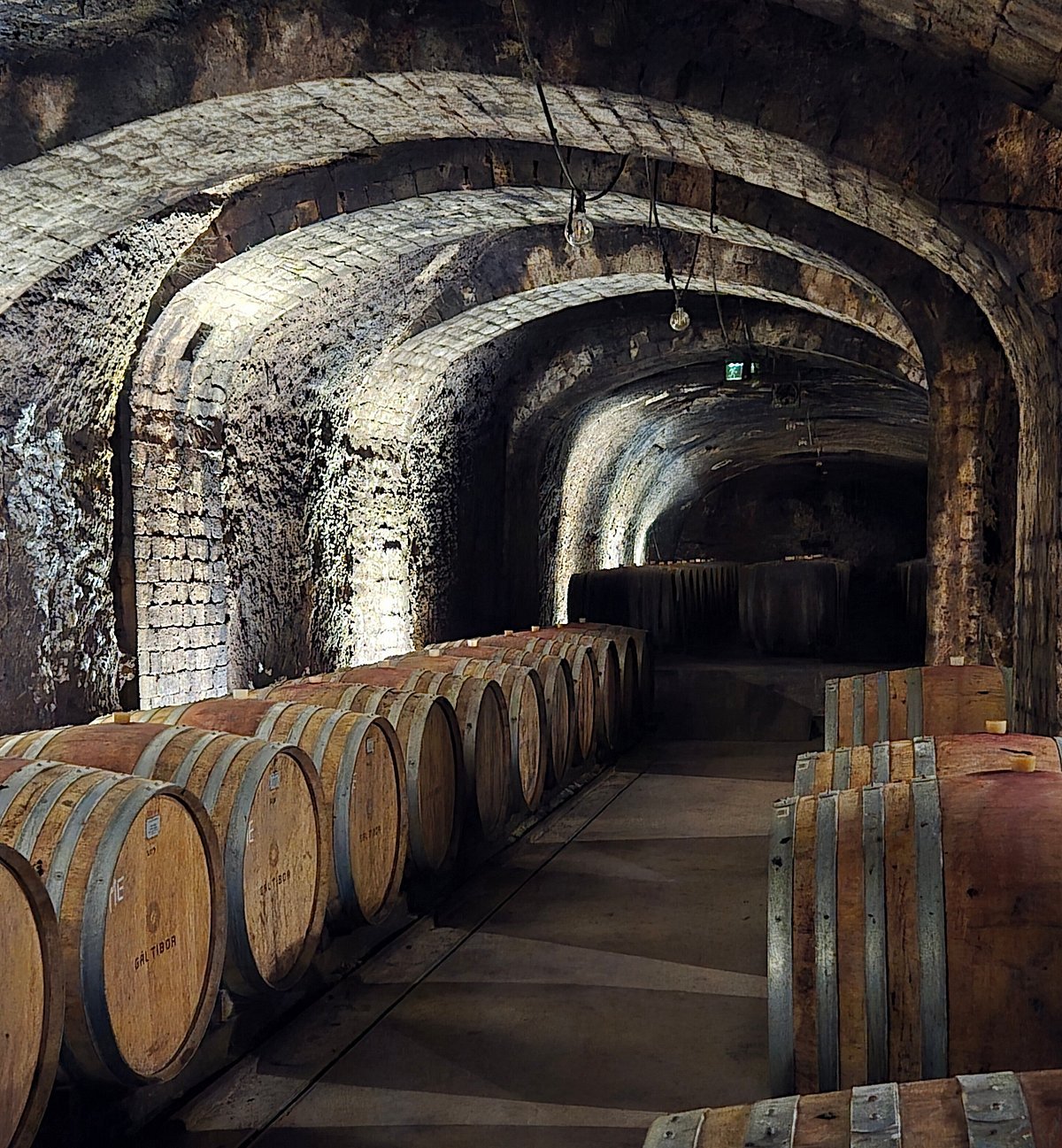
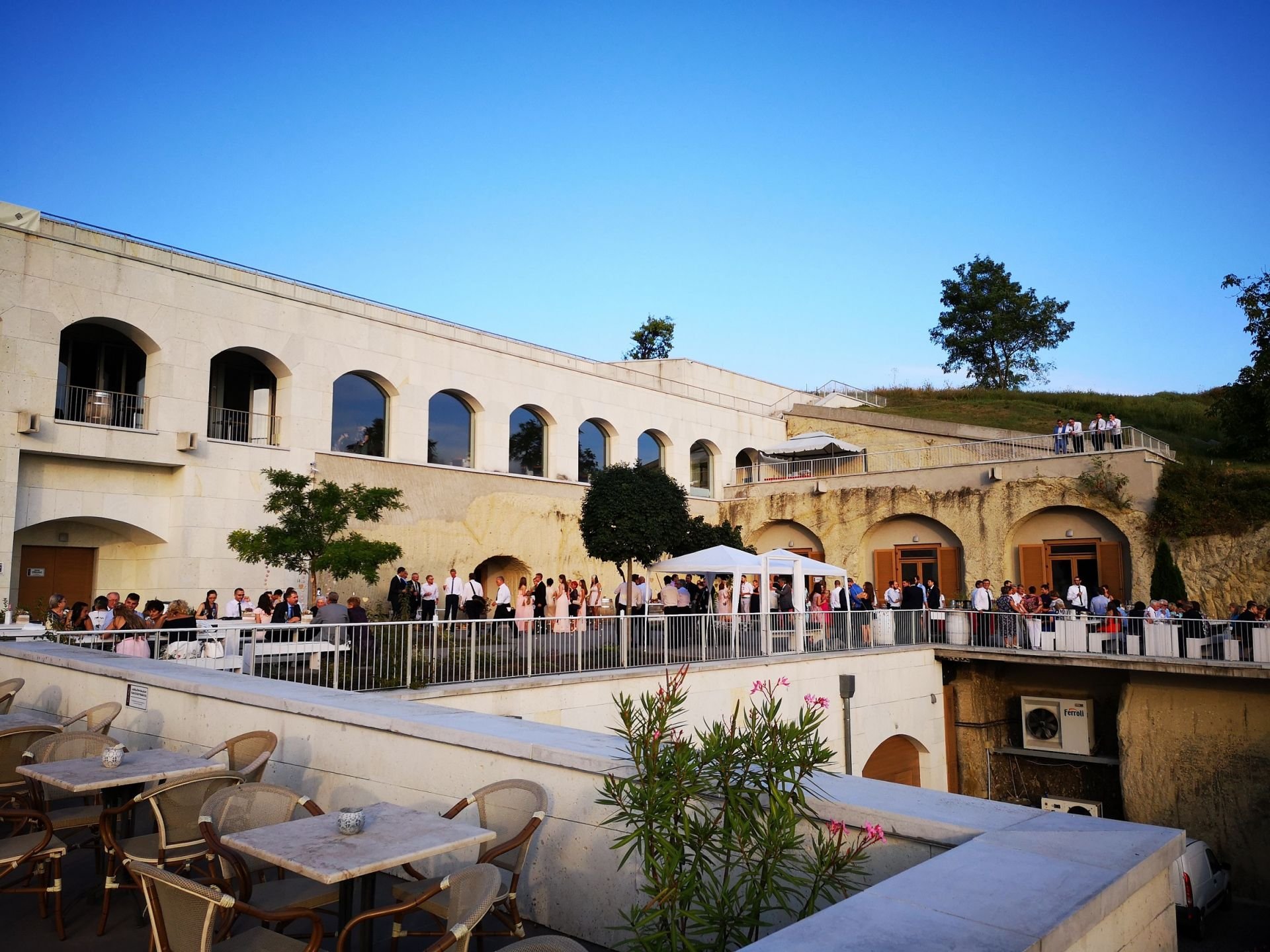
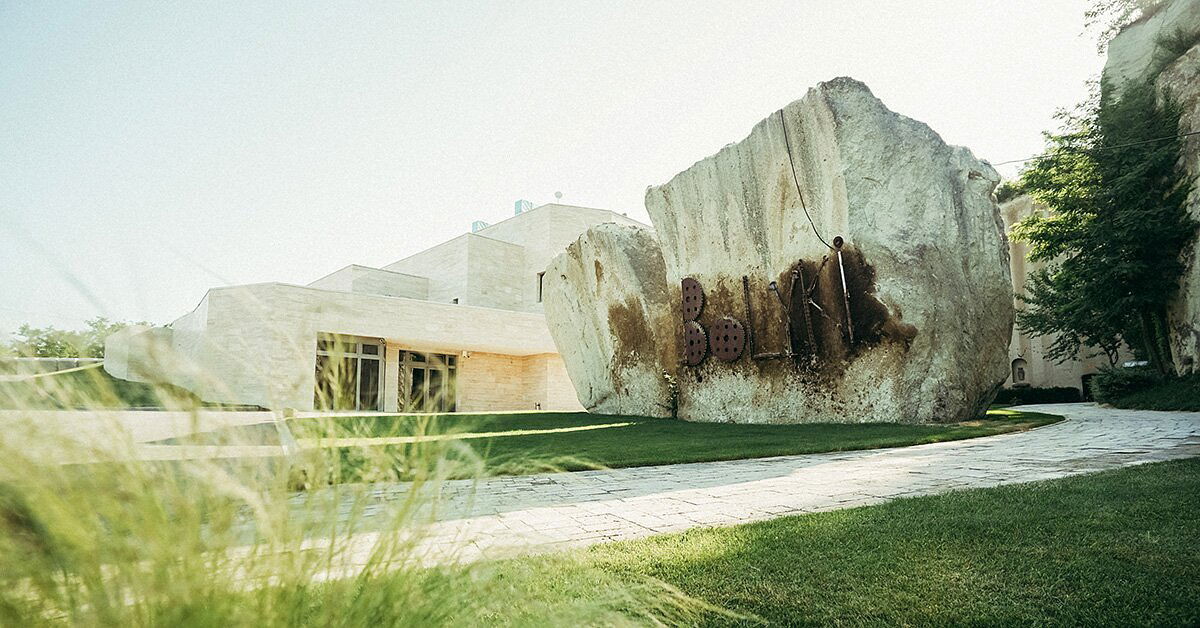
Cool, atmospheric cellar setting with natural stone architecture; serene and escape-like with panoramic views; cozy outdoor spaces for tastings and events.
Tags
Vibe
Best For
Experience
Sourcing
View
At the Vineyard
- Appellation
- Eger PDO
- Varietals
- Kékfrankos, Cabernet Franc, Merlot, Kadarka, Blauburger
- Tour Duration
- 90 minutes
- Tour Languages
- English, Hungarian
- Visits
- By reservation
- Farming
- Natural wine
- Wine Styles
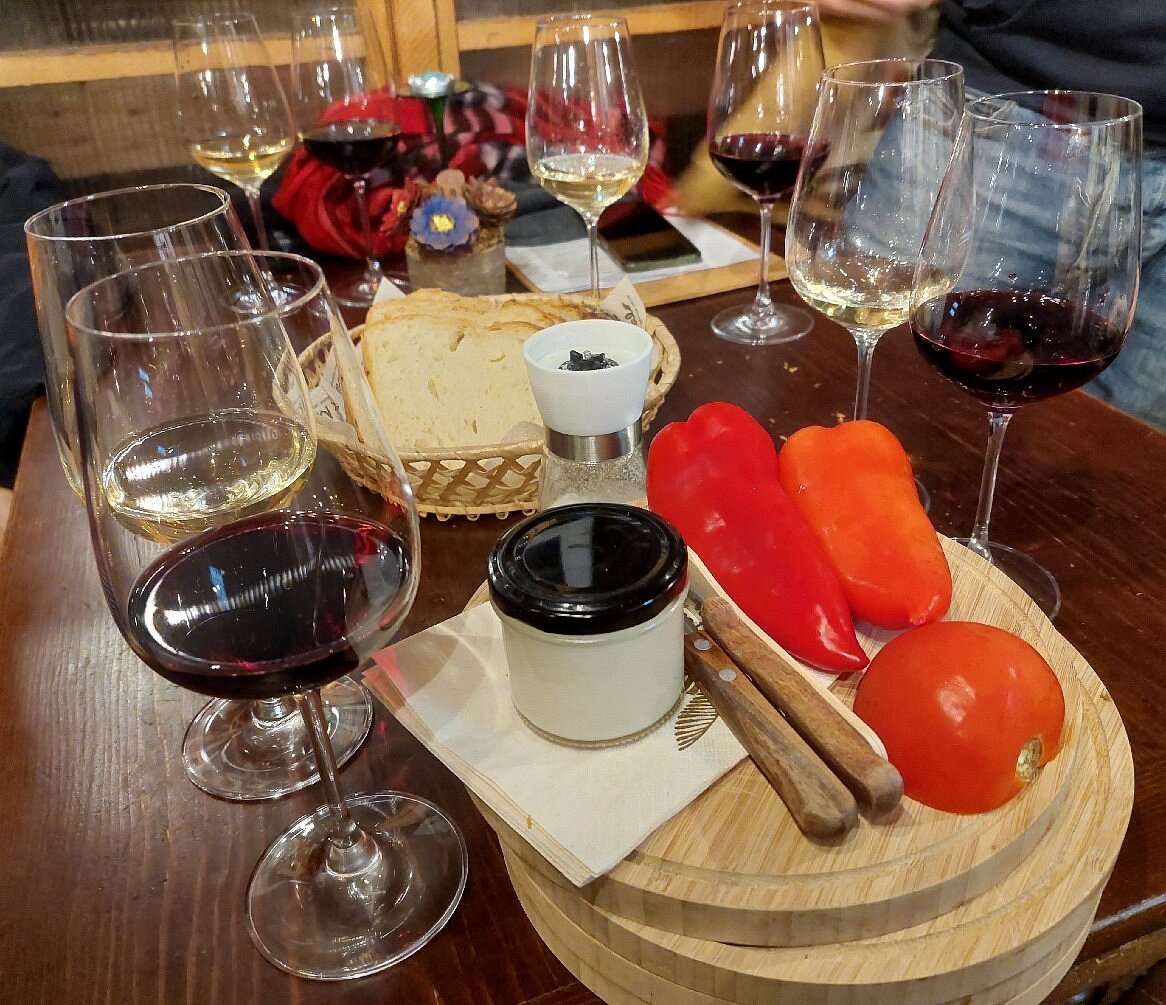
- Still Red, Still White, Still Rose
- Food Pairing
- Offered
- Shipping
- Available
- Wine Club
- Not available
Know before you go
Know Before You Go
- Getting there
- Eger, 3300
Planning details
Location
Also consider
Also Consider
- Tóth Ferenc Pincészet, Notable alternative
- Gróf Buttler Winery, Notable alternative
- Demeter Csaba Winery, Notable alternative
- Juhász Winery, Notable alternative
- Gál Tibor Winery, Notable alternative
Winery context
How It Compares
Bolyki Winery is the higher-effort pick in this Eger set: choose it when the goal is a more focused producer visit and the schedule can absorb booking friction. Tóth Ferenc Pincészet, Juhász Winery, and Gál Tibor Winery are the first alternatives to check if the priority is a simpler Eger tasting plan with less risk around access.
For value, do not judge this choice only by price tier, since public pricing is not the decision-maker here. The value is in whether the visit gives the trip a stronger sense of Eger as a wine region. Gróf Buttler Winery and Demeter Csaba Winery are better cross-shops for travellers comparing producer identity rather than convenience.
If planning one winery only, make Bolyki the pick for depth and ambition. If planning several stops in one day, use one of the linked Eger peers as the safer fallback and keep Bolyki for a schedule where confirmation comes first.
Around this place
Discover more on Pearl
Unlock the full Bolyki Winery guide in Pearl, including awards, comparisons, FAQs, planning details, and nearby places.
Compare Bolyki Winery
| Venue | Location | Awards |
|---|---|---|
| Bolyki Winery | Eger | No published awards |
| Tóth Ferenc Pincészet | Eger | No published awards |
| Gróf Buttler Winery | Eger | No published awards |
| Demeter Csaba Winery | Eger | No published awards |
| Juhász Winery | Eger | No published awards |
| Gál Tibor Winery | Eger | No published awards |
How Bolyki Winery Eger compares with similar nearby venues.
FAQ
Frequently Asked Questions
Does Bolyki Winery ship wine?
Do I need a reservation at Bolyki Winery?
What is Bolyki Winery known for?
Bolyki Winery is a winery in Eger with Pearl 2 Star Prestige recognition for 2025 and a casual dress code.