
Devil's Corner
Apslawn, East Coast TAS
Winery in East Coast TAS, Australia
 Book with Pearl
The Read
Cool-Climate Cellar Door Precision
Price
$20–30tasting
Why go
Book Devil's Corner if the goal is a wine-led East Coast TAS stop with regional context rather than a spirits-only tasting. It is a better fit for travellers building a half-day wine route than for groups chasing a tightly scripted distillery crawl, where Spring Bay, Callington Mill, Belgrove, Old Kempton, or Killara may suit better.
About Devil's Corner
For Devil's Corner in East Coast TAS, the dress code is casual and the venue holds Pearl 2 Star Prestige recognition for 2025. Beyond that, specific claims about menus, drinks, pricing, hours, booking channels, seating, group policies, or service format are not available.
The safest way to plan around Devil's Corner is to verify practical details directly before building a tight itinerary. If you are comparing it with other Tasmanian options, consider how it fits beside Belgrove Distillery, Callington Mill Distillery, Killara Distillery, Old Kempton Distillery, and Spring Bay Distillery.
A Pearl-recognised venue in East Coast TAS
Devil's Corner is listed for East Coast TAS and carries Pearl 2 Star Prestige recognition for 2025. That makes it a notable Pearl-listed stop, but no particular cuisine, drinks program, tasting format, flagship item, price point, or visit length is confirmed.
Because detailed hours and booking channels are not available, build the schedule with margin and confirm practical details directly with the venue before travelling. For broader planning in East Coast TAS, compare Devil's Corner with other local dining and hospitality options.
Who should choose this over another Tasmanian stop
Choose Devil's Corner if you are specifically considering a Pearl-recognised venue in East Coast TAS and are comfortable confirming the current visit details before you go. If you are comparing alternatives, Spring Bay Distillery, Killara Distillery, Callington Mill Distillery, Old Kempton Distillery, and Belgrove Distillery are relevant Tasmanian names to consider.
The main caution is logistical: with no confirmed seat count, group policy, hours, or direct booking method available, visitors should not assume that any particular format is offered. The smarter play is to confirm the current arrangements directly and keep backup options in mind.
Planning details
- Location
- 1/1 Sherbourne Rd, Apslawn TAS 7190
- Website
- devilscorner.com.au
- Phone
- +61 448 521 412
The take
The Take
The Vibe
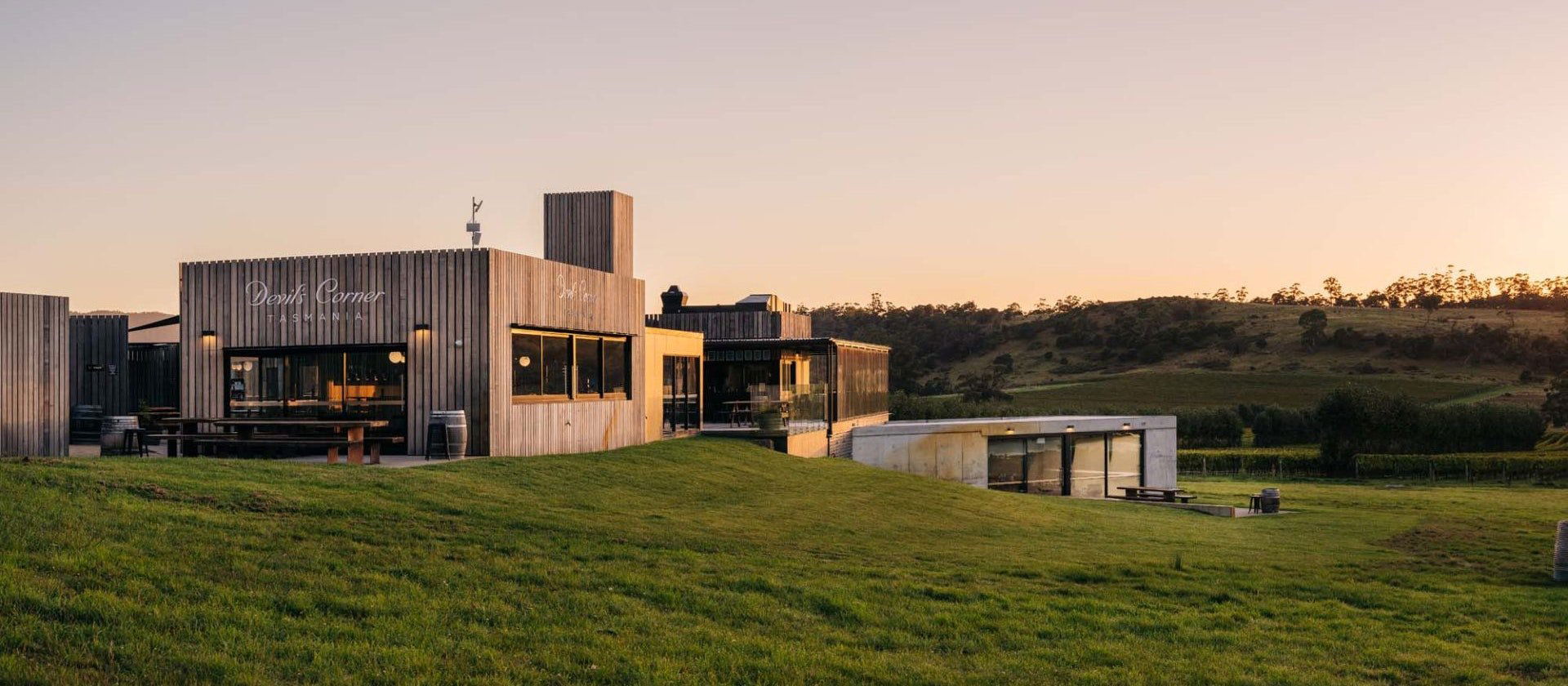
Devil’s Corner sits exposed to the Tasman Sea, and the cellar door looks directly across Moulting Lagoon, giving the property a stark, coastal drama that defines the tasting-room experience. The writing emphasises how persistent sea breezes, long hang time and cool diurnal shifts shape wines with bright acidity and clear regional identity. Recent recognition — a Pearl 2 Star Prestige rating — underscores a commitment to quality and expression. Visits feel rooted in place: a working vineyard and tasting room anchored to wetlands and dolerite soils rather than a stylised tourist set-piece.
Best For
This is a winery well suited to group outings, educational visits and intimate celebrations that centre on tasting and terroir. The cellar door’s waterfront aspect makes it an appealing stop on a coastal drive, while the narrative’s focus on varietal expression and regional climate suggests a paced tasting experience meant for learning and appreciation. Guests come to compare Pinot Noir, Riesling and Chardonnay in a cooler, maritime setting; groups and wine-curious visitors will find the estate’s setting and reputation rewarding for a dedicated tasting stop.
Tasting Tips
When tasting here, prioritise the varieties that the East Coast does best: start with Riesling and Chardonnay to appreciate the region’s preserved aromatics and bright natural acidity, then move to Pinot Noir to explore the structure that cooler ripening produces. The text highlights longer hang time and acidity, so focus on contrasts between the whites’ aromatics and the reds’ measured tannic framework. Given the winery’s Prestige rating, include any flagship or reserve bottlings on the list — they’re likely to illustrate the estate’s top-tier expression.
Venue details
Ambiance
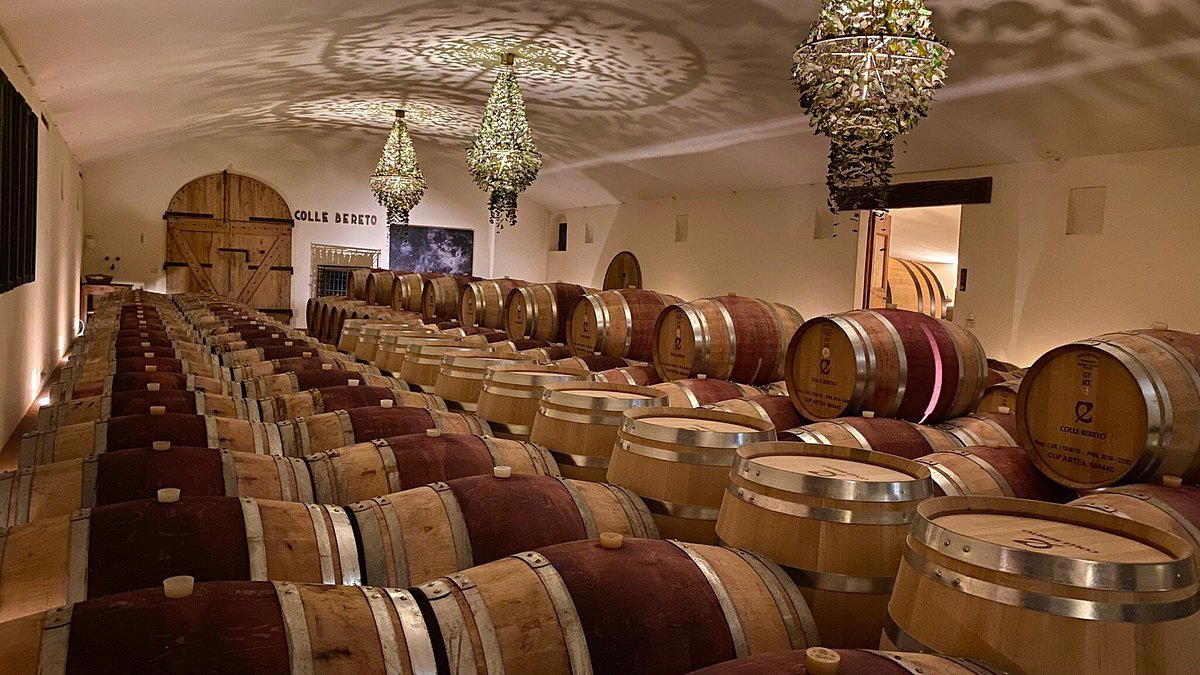
Relaxed and scenic with sun-drenched decks, lush lawns, atmospheric underground cellar, and stunning sea and mountain vistas.
Tags
Vibe
Best For
Experience
View
At the Vineyard
- Appellation
- East Coast Tasmania
- Varietals
- Pinot Noir, Chardonnay, Riesling, Syrah
- Tour Duration
- 60-90 minutes
- Visits
- By reservation
- Wine Styles
- Still White, Still Red, Sparkling, Still Rose
- Food Pairing
- Offered
- Wine Club
- Not available
Know before you go
Know Before You Go
- Getting there
- 1/1 Sherbourne Rd, Apslawn TAS 7190
Planning details
Location
Recognition and awards

Also consider
Where to go if this does not fit the plan
If the group wants spirits instead of wine, cross-shop Spring Bay Distillery or Killara Distillery. If the day is more heritage-town focused, Callington Mill Distillery or Old Kempton Distillery will likely fit the route better.
Winery context
How Devil's Corner compares in East Coast TAS
Devil's Corner is the wine-led choice in this set, which makes it the cleaner pick for travellers trying to understand East Coast TAS through vineyard context rather than spirits production. Spring Bay Distillery and Killara Distillery make more sense for groups that want the tasting to centre on distillation, while Devil's Corner is the better anchor for a winery day.
For ambience, choose based on itinerary shape. Callington Mill Distillery and Old Kempton Distillery are stronger fits when the day is built around heritage-town pacing. Devil's Corner works better when the draw is the east-coast route itself and the tasting stop needs to sit naturally between scenic travel, food, and overnight planning.
Belgrove Distillery is the more specialised alternative for visitors who want a narrower spirits focus. Value is hard to judge without published tasting prices across the set, so the practical call is format-driven: choose Devil's Corner for wine and regional breadth; choose the distillery peers for a more focused spirits itinerary.
Explore East Coast TAS
Around this place
Discover more on Pearl
Unlock the full Devil's Corner guide in Pearl, including awards, comparisons, FAQs, planning details, and nearby places.
Compare Devil's Corner
| Venue | Location | Awards |
|---|---|---|
| Devil's Corner | East Coast TAS | 2026 Falstaff Winery Guide |
| Spring Bay Distillery | Orford | No published awards |
| Callington Mill Distillery | Oatlands | No published awards |
| Belgrove Distillery | Kempton | No published awards |
| Old Kempton Distillery | Kempton | No published awards |
| Killara Distillery | Richmond | No published awards |
How Devil's Corner East Coast TAS compares with similar nearby venues.
FAQ
Frequently Asked Questions
How long should I plan for a visit to Devil's Corner?
Plan your timing by confirming current arrangements directly with Devil's Corner before building it into an East Coast TAS itinerary.
What is the flagship item at Devil's Corner?
No single flagship item is confirmed in the information here. Treat Devil's Corner as a Pearl-recognised East Coast TAS venue rather than planning around a specific named item.
Can Devil's Corner handle large groups?
No group policy or seat count is provided here. Larger parties should confirm directly with the venue before assuming that a group visit can be accommodated.
What is the dress code at Devil's Corner?
The dress code for Devil's Corner is casual.
When is the best time to visit Devil's Corner?
What kind of menu or service format should I expect?
Do I need a reservation at Devil's Corner?
Because Devil's Corner holds Pearl 2 Star Prestige recognition for 2025, it is sensible to confirm current booking requirements before visiting.