

Winery in Driftwood, United States
Desert Door Distillery
500Pearl PointsSpirits, not wine
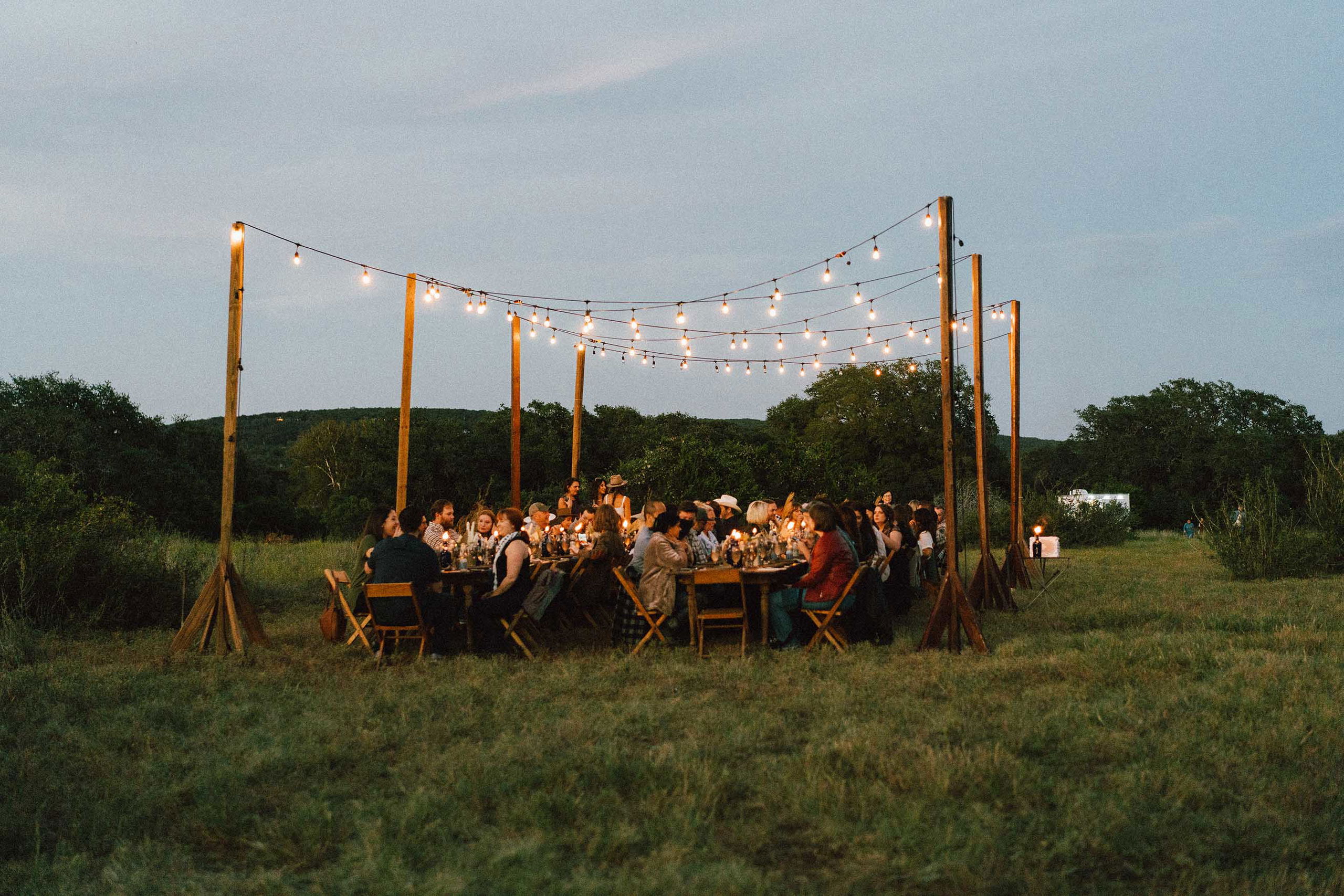
About Desert Door Distillery
Desert Door Distillery is the Driftwood pick for a planned spirits-led outing rather than a standard wine tasting. It suits dates and small celebrations where the Hill Country setting is part of the decision; wine-focused groups should compare it with Duchman Family Winery before committing.
Desert Door Distillery is a Driftwood venue with a casual dress code and Pearl 2 Star Prestige recognition for 2025. Because the verified public details are limited, plan around what is confirmed rather than assuming specific hours, menus, tastings, food service, group policies, or other operational details.
For a planned outing, the safest approach is to confirm current details directly with the venue before you go. Treat Driftwood as the core planning fact, avoid building an itinerary around unverified specifics such as reservations, service format, or on-site offerings.
A Driftwood venue for a planned occasion
The smart way to think about this place is simply as Desert Door Distillery in Driftwood. If the group is comparing it with Duchman Family Winery, keep the decision focused on the specific venue experience you want rather than assuming the two stops work the same way. For broader planning, use Our full Driftwood wineries guide to understand other options without treating every stop as interchangeable.
For a special occasion, the upside is having a clearly identified Driftwood venue with casual dress expectations and Pearl 2 Star Prestige recognition. The tradeoff is that many practical details are not verified here, so do not assume food, large-group handling, or a specific visit format without checking through the venue's own channels.
Who should choose it, who should cross-shop
Choose this if Desert Door Distillery itself is the point of the outing and the group is comfortable confirming practical details in advance. Cross-shop Our full Driftwood bars guide if the group wants a looser drinking plan, or Our full Driftwood restaurants guide if dinner is doing the heavy lifting. If lodging logistics matter, pair the plan with Our full Driftwood hotels guide rather than relying on a last-minute plan.
Readers building a wider trip should keep expectations separate by venue. Our full Driftwood experiences guide is useful if the outing is about the day as a whole. Regional comparison points may include Deep Eddy Vodka Distillery, Dripping Springs Distilling, Treaty Oak Distilling, Duchman Family Winery, Solaro Estate Winery, depending on the kind of stop the group wants to consider.
Frequently Asked Questions
What should I confirm before visiting Desert Door Distillery?
Operational details are not verified here. Desert Door Distillery is listed in Driftwood, the safest move is to check the venue's official channels for current details before planning around any specific offering.
Does Desert Door Distillery offer retail or shipping options?
Retail and shipping details are not verified here. Desert Door Distillery is listed in Driftwood with Pearl 2 Star Prestige recognition for 2025, but any purchase or shipping specifics should be confirmed directly with the venue.
What is Desert Door Distillery known for?
The verified details here are limited to its Driftwood location, casual dress code, Pearl 2 Star Prestige recognition for 2025. If the outing is focused on comparing different kinds of regional stops, Duchman Family Winery or Solaro Estate Winery may be relevant comparisons.
Do I need a reservation at Desert Door Distillery?
Reservation details are not verified here. Treat it as a place to check ahead before you go, especially for a planned outing in Driftwood, confirm current requirements through the venue's official channels.
Does Desert Door Distillery serve food?
Food-service details are not verified here. Do not build a meal plan around the venue without checking the current information directly with Desert Door Distillery.
Can Desert Door Distillery handle large groups?
Large-group details are not verified here. If you are planning for a group, confirm directly with the venue; Dripping Springs Distilling or Treaty Oak Distilling can also be considered as regional comparisons for broader trip planning.
Location
211 Darden Hill Rd, Driftwood, TX 78619
Driftwood, United States
Compare Desert Door Distillery
| Venue | Location | Awards |
|---|---|---|
| Desert Door Distillery | Driftwood | Pearl 2 Star Prestige (2025) |
| Deep Eddy Vodka Distillery | Dripping Springs | , |
| Duchman Family Winery | Driftwood | , |
| Dripping Springs Distilling | Dripping Springs | , |
| Solaro Estate Winery | Dripping Springs | , |
| Treaty Oak Distilling | Dripping Springs | , |
How Desert Door Distillery compares with similar nearby venues.
Also Consider
- Deep Eddy Vodka Distillery, Notable alternative
- Duchman Family Winery, Notable alternative
- Dripping Springs Distilling, Notable alternative
- Solaro Estate Winery, Notable alternative
- Treaty Oak Distilling, Notable alternative
How It Compares
Against Duchman Family Winery, the choice is simple: pick Duchman for a wine-led Driftwood afternoon, pick Desert Door Distillery when the group wants a spirits-focused stop with more destination energy. Duchman is the safer fit for guests expecting a classic winery format; Desert Door is better for a date or celebration where the tasting category itself feels less routine.
Treaty Oak Distilling and Dripping Springs Distilling are the closest practical cross-shops for a distillery day outside the immediate Driftwood wine frame. Choose Treaty Oak if the group wants a broader distillery campus feel, Dripping Springs Distilling if the priority is another spirits stop, Desert Door if staying anchored around Driftwood is the cleaner plan.
Deep Eddy Vodka Distillery and Solaro Estate Winery work better as category checks than direct substitutes. Deep Eddy is the vodka-oriented comparison, Solaro is the winery comparison, Desert Door sits between those decisions for readers who want Hill Country setting without defaulting to a standard wine tasting.
Save or rate Desert Door Distillery on Pearl
Keep this venue in your Pearl passport, rate it after you visit, and track it alongside every other place you collect.