

Vin de Tevis Winery
Dos Rios
Winery in Dos Rios, United States
 Book with Pearl
The Read
Remote Terroir Viticulture
Why go
Vin de Tevis Winery is worth considering if the trip is built around serious wine stops rather than easy drop-in tasting. The value case rests on its 2025 Pearl 2 Star Prestige recognition, but the lack of public visitor detail means planners should confirm access before shaping a Dos Rios itinerary around it.
About Vin de Tevis Winery
Vin de Tevis Winery is a Dos Rios winery with Pearl 2 Star Prestige recognition for 2025. The casual dress code gives visitors a simple starting point for planning, and the winery merits a shortlist spot for anyone looking for a recognized stop in the area.
The value case here rests on the recognition rather than on published specifics about pricing, hours, tasting format, food, or group capacity. If the Pearl 2 Star Prestige signal matters to your itinerary, Vin de Tevis Winery is worth considering; if you need fully documented logistics before choosing a stop, confirm those details first.
A winery for careful planning
For broader context on the area, use Dos Rios planning resources generically, then confirm any food, lodging, evening, or experience details through current official sources before building an itinerary. This is especially relevant if the winery is meant to anchor a day rather than simply appear as one possible stop. Leave flexibility in the schedule until the current details are checked.
Compare Vin de Tevis Winery with other wine options after checking current visitor details. Other venues to consider include Frey Vineyards, McFadden Vineyard (Blue Quail), Oster Wine Cellars, Pacific Star Winery, and Silversmith Vineyards. The comparison should focus on fit: whether the visit style, timing, access, and any available amenities match what the day requires. In that sense, Vin de Tevis Winery may still be a compelling candidate, but it is not one that should be evaluated by filling in gaps with guesses.
How to think about the tradeoff
Put Vin de Tevis Winery in the “confirm first” category. The Pearl 2 Star Prestige recognition gives it a meaningful signal, while the casual dress code means formal attire is not indicated. Beyond that, specific expectations about service style, food, timing, or tasting details should come from the winery's current official information. This makes the tradeoff fairly clear: the winery has enough standing to merit attention, but not enough practical detail here to remove the need for direct confirmation.
For readers comparing options, the decision frame is simple: choose Vin de Tevis Winery if a Pearl-recognized winery in Dos Rios fits the trip, and choose another option if you need more detailed public information before committing. Travelers who are comfortable checking current official information may find the uncertainty easy to manage, while those who prefer to lock in every detail before departure may want a venue profile with more documented logistics.
Quick reference: Best for travelers who value a Pearl 2 Star Prestige winery in Dos Rios and are comfortable checking current visit details in advance. Dress code: casual.
Planning details
- Location
- 51161 Covelo Rd, Dos Rios, CA 95429, USA
- Website
- vindetevis.com
- Phone
- +17079838433
The take
The Take
The Vibe
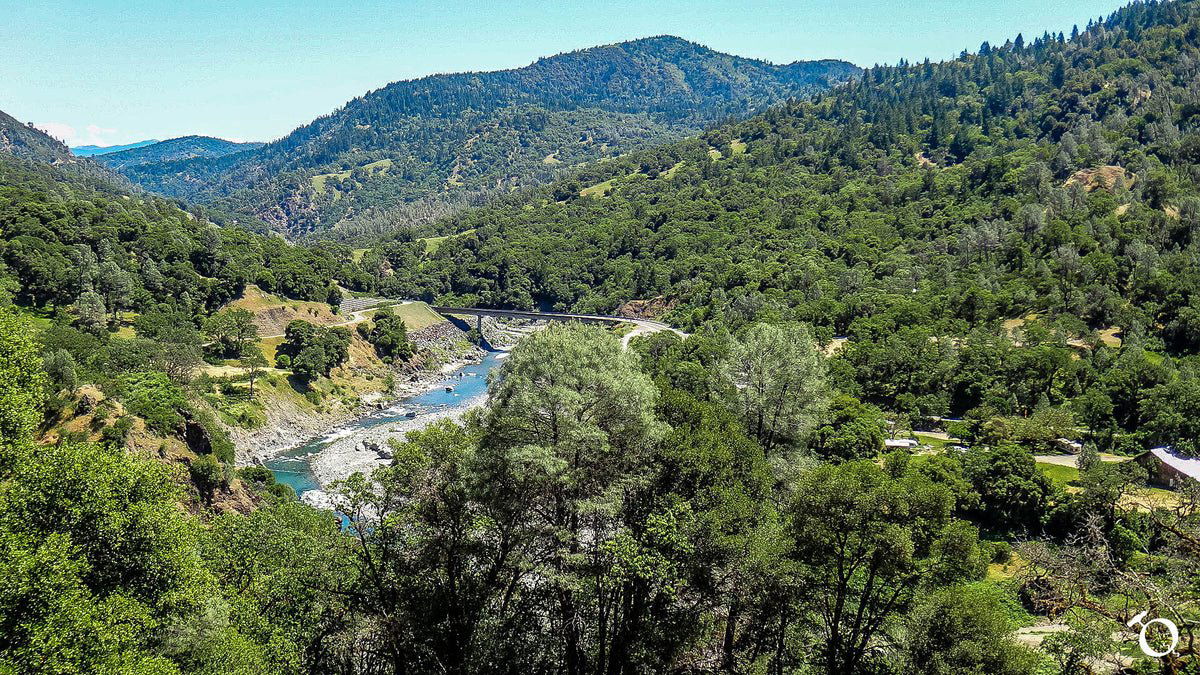
Vin de Tevis reads like a winery deliberately sited to let place do the talking. It occupies a stretch of road in Dos Rios where oak woodland, river floodplain and ridge lines are the primary visual cues, and the prose of the site is dominated by geography rather than manicured rows. The tone is rugged and quietly rigorous: remoteness is framed as a virtue, a condition that shapes everything from diurnal temperature swings to the character of the wines. Visiting feels less like a tourist stop and more like an appointment with a specific patch of terroir.
Best For
This winery is best for solo explorers and anyone focused on wine education. The narrative centers on extreme, site-driven terroir—how the Eel River corridor's heat accumulation and sharp nighttime cooling influence ripening—so tastings here reward curiosity and attention to detail. Travelers who prioritize landscape-driven wines and are prepared for a committed journey to reach Mendocino County will find the setting and the bottles especially instructive. It’s less about social scene and more about studying how a unique microclimate transmits itself into glass.
Tasting Tips
When tasting at Vin de Tevis, prioritize the wines that speak to place rather than broad stylistic trends. Ask staff or the winemaker about how the river corridor and the site’s soils (alluvial floodplain versus rocky slopes) inform each bottling, and seek out any site-designated or single-vineyard selections if available. Because the description emphasizes diurnal swings and extended ripening, request notes on how vintage variation plays out here—the conversation is as revealing as the pours for understanding these wines.
Venue details
Ambiance
rustic and scenic amid wilderness
Tags
Best For
Experience
View
At the Vineyard
- Appellation
- Dos Rios AVA
- Varietals
- Cabernet Franc, Cabernet Sauvignon, Merlot, Zinfandel, Charbono
- Tour Duration
- 60-90 minutes
- Visits
- By appointment only
- Wine Styles
- Still Red
- Wine Club
- Not available
Know before you go
Know Before You Go
- Getting there
- 51161 Covelo Rd, Dos Rios, CA 95429, USA
Planning details
Location
Also consider
Where to look if this does not line up
If access at Vin de Tevis Winery is not workable, start with Pacific Star Winery for a more setting-led alternative, then check McFadden Vineyard (Blue Quail) for a practical wine-country backup. For a broader short list, compare Silversmith Vineyards, Oster Wine Cellars, and Frey Vineyards before locking the route.
Winery context
How it compares in the Dos Rios wine set
Vin de Tevis Winery is the higher-friction, higher-conviction pick in this group: worth pursuing if recognition and a quieter wine-focused stop matter more than easy planning. Silversmith Vineyards and McFadden Vineyard (Blue Quail) are better cross-shops for visitors who want a less uncertain tasting plan, especially if group logistics or timing matter.
For ambiance-led travelers, Pacific Star Winery is the more obvious alternative to research first, while Oster Wine Cellars and Frey Vineyards make more sense if the priority is finding a workable backup rather than chasing the hardest booking. Vin de Tevis is the splurge-of-effort choice; the others are safer planning anchors.
Explore Dos Rios
Around this place
Discover more on Pearl
Unlock the full Vin de Tevis Winery guide in Pearl, including awards, comparisons, FAQs, planning details, and nearby places.
Compare Vin de Tevis Winery
| Venue | Location | Awards |
|---|---|---|
| Vin de Tevis Winery | Dos Rios | No published awards |
| Silversmith Vineyards | Redwood Valley | No published awards |
| McFadden Vineyard (Blue Quail) | Hopland | No published awards |
| Pacific Star Winery | Fort Bragg | No published awards |
| Oster Wine Cellars | Redwood Valley | No published awards |
| Frey Vineyards | Redwood Valley | No published awards |
How Vin de Tevis Winery Dos Rios compares with similar nearby venues.
FAQ
Frequently Asked Questions
When is the best time to visit Vin de Tevis Winery?
The best time to visit is whatever the winery currently confirms. Treat Dos Rios as the location and check current details before planning around the stop.
Can Vin de Tevis Winery handle large groups?
Are membership or club details for Vin de Tevis Winery?
Membership or club details should be checked directly. The Pearl 2 Star Prestige recognition for 2025 makes the winery worth a closer look, but any terms should be checked directly.
Do I need a reservation at Vin de Tevis Winery?
Does Vin de Tevis Winery serve food?
Plan meals separately unless Vin de Tevis Winery currently confirms a food offering.
How long should I plan for a visit to Vin de Tevis Winery?
Use the winery's current guidance to decide how much time to set aside, and keep the confirmed details in mind: Vin de Tevis Winery is in Dos Rios, has a casual dress code, and carries Pearl 2 Star Prestige recognition for 2025.