Viña Requingua
Sagrada Familia, Curicó
Winery in Curicó, Chile
 Book with Pearl
The Read
Sagrada Familia Terroir Precision
Why go
Viña Requingua is worth considering for a planned Curicó wine day, especially for repeat visitors who want a recognized Maule-area stop beyond the obvious circuit. It is less suited to casual drop-ins or food-led itineraries; confirm the visit format first and keep a fallback winery nearby.
About Viña Requingua
Viña Requingua is a Curicó venue with Pearl 2 Star Prestige recognition for 2025 and a casual dress code.
If you are considering Viña Requingua as part of a Curicó itinerary, confirm current access, timing, and any visit requirements directly with the venue before building a schedule around it.
A concise profile for Curicó planning
The strongest reason to note Viña Requingua is its Pearl 2 Star Prestige recognition in 2025. Details such as public hours, tasting format, food service, and visitor amenities should be checked before you go.
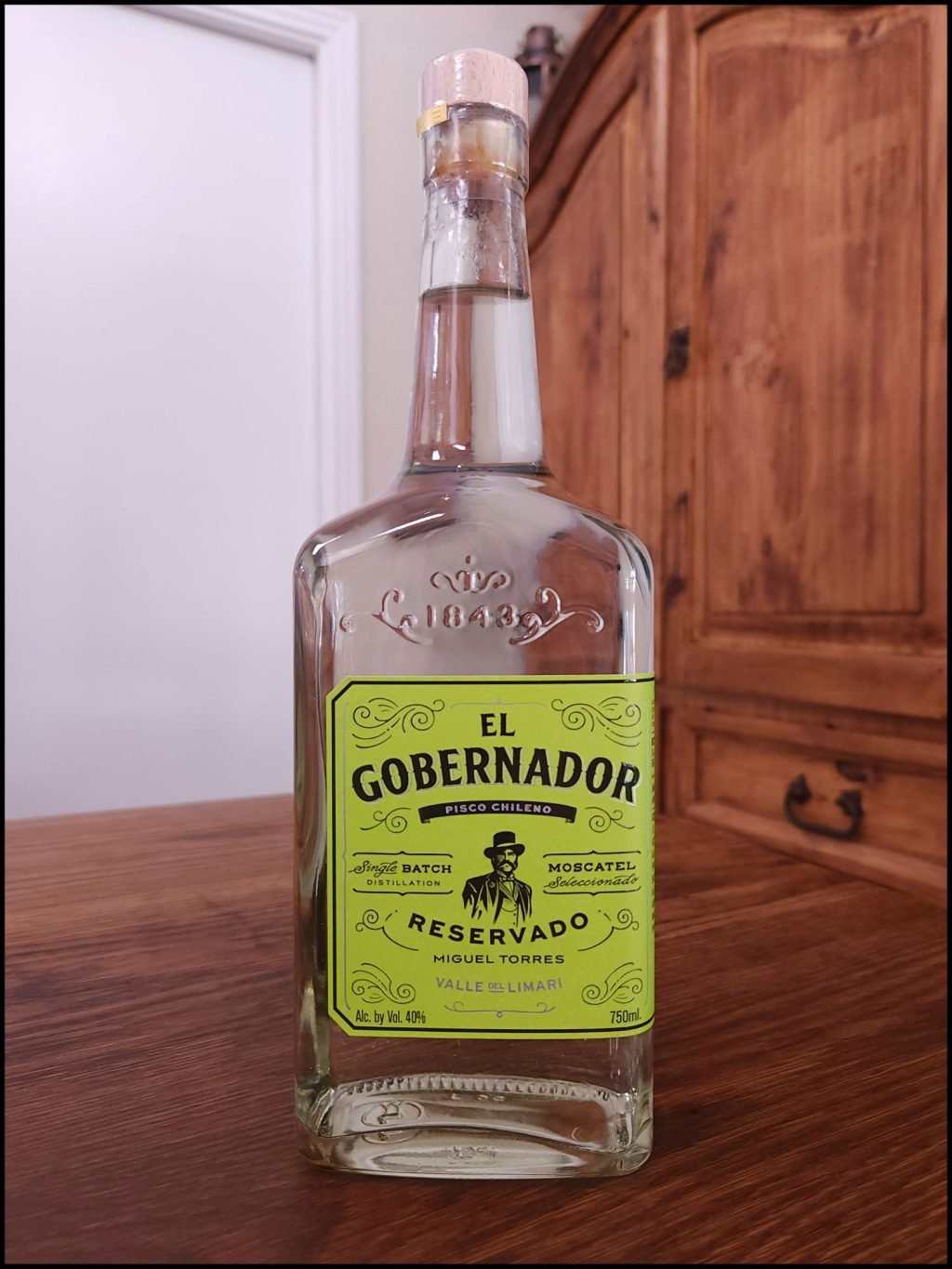
For comparison planning, regional names to consider include Viña San Pedro, El Gobernador (Miguel Torres Chile), Viña Santa Cruz, Viña Valdivieso, and Viña Viu Manent. Viña Requingua is best treated as its own Curicó listing, with any practical visit details checked before you go.
Planning value depends on access details
The dress code is casual, which makes the planning baseline direct. Everything beyond that, including timing, booking process, visit length, food options, and group handling, should be checked with the venue or current official sources.
Who should choose it for a Curicó itinerary
Choose Viña Requingua if you want a Curicó venue with Pearl 2 Star Prestige recognition in 2025 and are comfortable checking the practical details yourself. If your itinerary requires firm hours, dining, group logistics, or a specific visitor format, compare it with other regional options and keep a backup plan in place.
Planning details
- Location
- 3390000, 3390000, Sagrada Familia, Maule
- Website
- requingua.com
- Phone
- +56 75 257 7452
The take
The Take
The Vibe
Viña Requingua reads as a terroir‑driven producer anchored in Curicó’s eastern Sagrada Familia district. The copy emphasizes climate and soil — warm, dry summers, cool nights and alluvial deposits — and frames the estate as part of a local shift toward more serious, structured wines. Its Pearl 2 Star Prestige recognition for 2025 signals a producer operating at a quality level that invites focused tasting and critical attention. Overall the tone is professional and grounded: this is a vineyard with clear viticultural credentials rather than a winery built around spectacle.
Best For
This property is best for visitors interested in learning how site and soil shape Chilean wines: wine‑education groups, trade visitors and curious consumer groups will find the regional context useful. The description highlights old‑vine Carignan and Malbec as well as cooler Cabernet sites, so guided tastings that compare varietals and parcels make sense here. Its placement in Curicó — midway between Santiago and Concepción and backed by producer neighbours — also makes it suited to group outings that combine vineyard explanation with comparative sampling.
Tasting Tips
When engaging with Requingua, focus on wines that showcase site expression: seek out Carignan and Malbec from dry‑farmed parcels and Cabernet Sauvignon from cooler sites to judge structure versus ripeness. The text emphasizes mineral complexity from alluvial soils and cool nights that preserve acidity, so prioritize bottlings or flights that contrast parcels or vintages. Also look for the Pearl 2 Star Prestige notation cited in the description as an indicator of the estate’s higher‑tier offerings.
Venue details
Ambiance
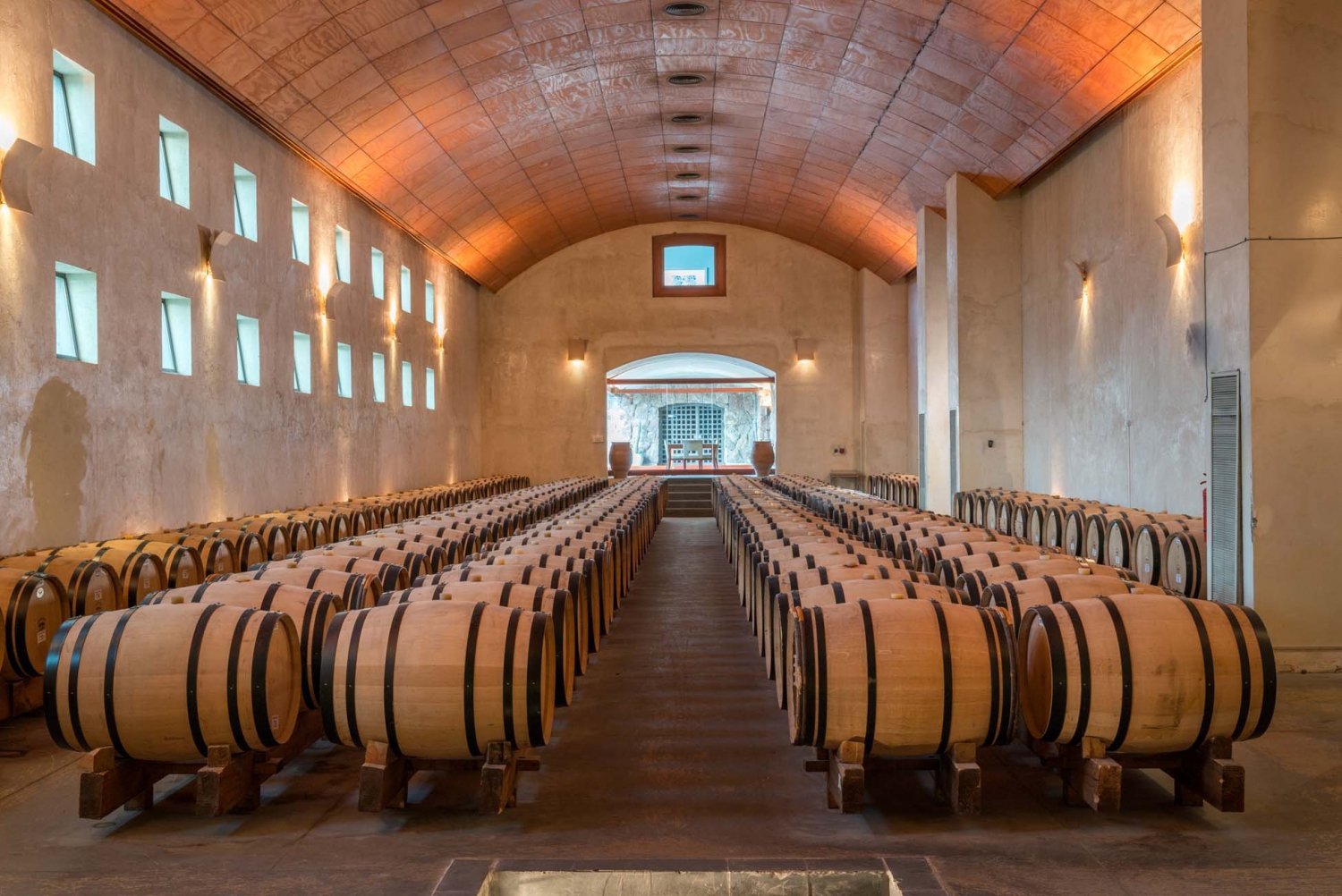
Professional and passionate winemaking environment with modern facilities including large wine cellars and barrel rooms.
Tags
Vibe
Best For
Experience
Sourcing
View
At the Vineyard
- Appellation
- Curicó Valley
- Varietals
- Cabernet Sauvignon, Cabernet Franc, Carmenere, Merlot, Chardonnay
- Tour Duration
- 60-90 minutes
- Tour Languages
- Spanish, English
- Visits
- By reservation
- Farming
- Sustainable
- Production
- Large producer
- Wine Styles
- Still Red, Still White
- Shipping
- Available
- Wine Club
- Not available
Know before you go
Know Before You Go
- Getting there
- 3390000, 3390000, Sagrada Familia, Maule
Planning details
Location
Also consider
Also Consider
- Viña Valdivieso, Notable alternative
- Viña San Pedro, Notable alternative
- El Gobernador (Miguel Torres Chile), Notable alternative
- Viña Santa Cruz, Notable alternative
- Viña Viu Manent, Notable alternative
Winery context
How Viña Requingua compares in Curicó
Viña Requingua is the more selective choice if the goal is a quieter, recognition-backed winery stop rather than the easiest visitor circuit. Viña San Pedro is the safer anchor for a first Curicó wine day, while El Gobernador (Miguel Torres Chile) is the better cross-shop for travelers who want a clearer, name-led visit in the same city.
For ambiance, Viña Santa Cruz and Viña Viu Manent are stronger fits for travelers building a fuller day out beyond Curicó, especially when the experience around the tasting matters as much as the wine. Viña Valdivieso is another useful comparison if the priority is a more established Chilean wine name outside the immediate Curicó set.
The practical call: choose Viña Requingua when access is confirmed and the visit can be kept focused. Choose Viña San Pedro or El Gobernador (Miguel Torres Chile) when the itinerary needs lower planning risk, and look to Viña Santa Cruz or Viña Viu Manent when the group wants a more expansive wine-country outing.
Explore Curicó
Around this place
Discover more on Pearl
Unlock the full Viña Requingua guide in Pearl, including awards, comparisons, FAQs, planning details, and nearby places.
Compare Viña Requingua
| Venue | Location | Awards |
|---|---|---|
| Viña Requingua | Curicó | No published awards |
| Viña Valdivieso | Lontué | No published awards |
| Viña San Pedro | Curicó | 2026 Falstaff Winery Guide |
| El Gobernador (Miguel Torres Chile) | Curicó | No published awards |
| Viña Santa Cruz | Lolol | No published awards |
| Viña Viu Manent | Santa Cruz | 2026 Falstaff Winery Guide2025 World's 50 Best Vineyards · #402024 World's 50 Best Vineyards · #192023 World's 50 Best Vineyards · #432022 World's 50 Best Vineyards · #322021 World's 50 Best Vineyards · #452020 World's 50 Best Vineyards · #432019 World's 50 Best Vineyards · #23 |


How Viña Requingua Curicó compares with similar nearby venues.
FAQ
Frequently Asked Questions
What other venues can I compare with Viña Requingua?
For comparison planning, consider Viña Viu Manent, Viña Santa Cruz, Viña Valdivieso, Viña San Pedro, and El Gobernador (Miguel Torres Chile), along with other regional dining and winery options generically. Confirm locations and current visitor details directly before building an itinerary.
Does Viña Requingua serve food?
Before planning a meal around Viña Requingua, confirm current food service or dining options directly. Its profile is strongest as a Curicó venue with Pearl 2 Star Prestige recognition.
When is the best time to visit Viña Requingua?
What add-on services does Viña Requingua offer?
For private tastings, hosted visits, shipping, or other add-on services, confirm current terms directly with Viña Requingua and compare only after you have up-to-date information.