

Pierre Gimonnet & Fils
Cuis
Winery in Cuis, France
 Book with Pearl
The Read
Chalk-Driven Blanc de Blancs
Why go
A serious Cuis producer pick for Champagne drinkers who care more about estate identity than hospitality extras. Pierre Gimonnet & Fils is strongest as a wine-first appointment, especially for first-timers building a focused Côte des Blancs day; look elsewhere if food pairings, large-group ease, or visitor-centre polish matter more.
About Pierre Gimonnet & Fils
Pierre Gimonnet & Fils is a venue in Cuis with Olivier et Didier Gimonnet listed as chef/owner. Dress is smart casual, and the venue is recognised with Pearl 4 Star Prestige (2025). Specific claims about format, menus, prices, hours, tastings, visitor amenities, or services should not be assumed.
If the decision depends on a specific service, schedule, group arrangement, purchase option, or food offering, confirm directly before building a Cuis itinerary around it.
Book with the details in mind
Pierre Gimonnet & Fils is notable for its Cuis location, Olivier et Didier Gimonnet, smart-casual dress guidance, and Pearl 4 Star Prestige (2025) recognition. If food is central to the decision, plan meals separately through other Cuis dining resources. For lodging logistics, pair any appointment planning with Cuis hotel research, and keep separate evening planning independent of any on-site offering.
Do not assume a hosted lunch, walk-in availability, a particular tasting structure, shipping, take-out, delivery, or a detailed food-and-drink program. Confirm directly before relying on any specific visitor amenity, and use broader Cuis planning resources for the rest of the day.
How to build a Cuis day around it
Visitor details are limited, so the safest plan is conservative: confirm arrangements directly, leave schedule padding, and avoid assuming a restaurant-style service model. For comparison research, you may also look at Gosset, Jacques Selosse, L'Aventure, Laherte Frères, and Nicolas Feuillatte, while keeping Pierre Gimonnet & Fils as a Cuis reference point.
The verdict: consider Pierre Gimonnet & Fils if you want a Cuis venue with Pearl 4 Star Prestige (2025) recognition and smart-casual guidance. Cross-check directly if the trip depends on food service, visitor amenities, shipping, or a larger-group format.
Planning details
- Location
- 1 Rue de la République, 51530 Cuis
- Website
- champagne-gimonnet.com
- Phone
- +33 3 26 59 78 70
The take
The Take
The Vibe
Pierre Gimonnet & Fils reads like a study in terroir and continuity. The house sits on the chalky ridge of the Côte des Blancs and channels a restrained, mineral-driven expression of Chardonnay that trades early plushness for vertical energy and longevity. Ownership and winemaking remain family-focused—Olivier and Didier Gimonnet are named custodians of a long-established grower-producer—so the personality of place feels central to every bottle. The overall impression is measured and refined: quietly authoritative rather than flashy, with an emphasis on precision, age-worthiness and the understated confidence of a classic Champenois estate.
Best For
This is a destination for people who want to study terroir and collect age-worthy Blanc de Blancs. The estate’s Premier Cru standing in Cuis and its emphasis on chalk-driven Chardonnay make visits rewarding for anyone interested in the geological and stylistic foundations of Champagne. The house’s EP Club Pearl recognition signals relevance to collectors and those comparing grower Champagnes to larger houses. It suits attentive wine students, serious collectors and anyone planning a refined tasting experience centered on mineral precision, vertical structure and wines that reveal more with cellaring.
Tasting Tips
When selecting bottles from Pierre Gimonnet & Fils, prioritize Blanc de Blancs and cuvées tied to Côte des Blancs terroir: the wines tend to be lean and austere in youth but develop precise minerality and longevity with time. Look for Premier Cru indications from Cuis and consider purchasing older vintages or allowing recent releases to gain bottle age before opening. Note the house’s EP Club Pearl recognition and the named winemakers—Olivier and Didier Gimonnet—when evaluating releases aimed at collectors or cellar-driven drinking.
Venue details
Ambiance
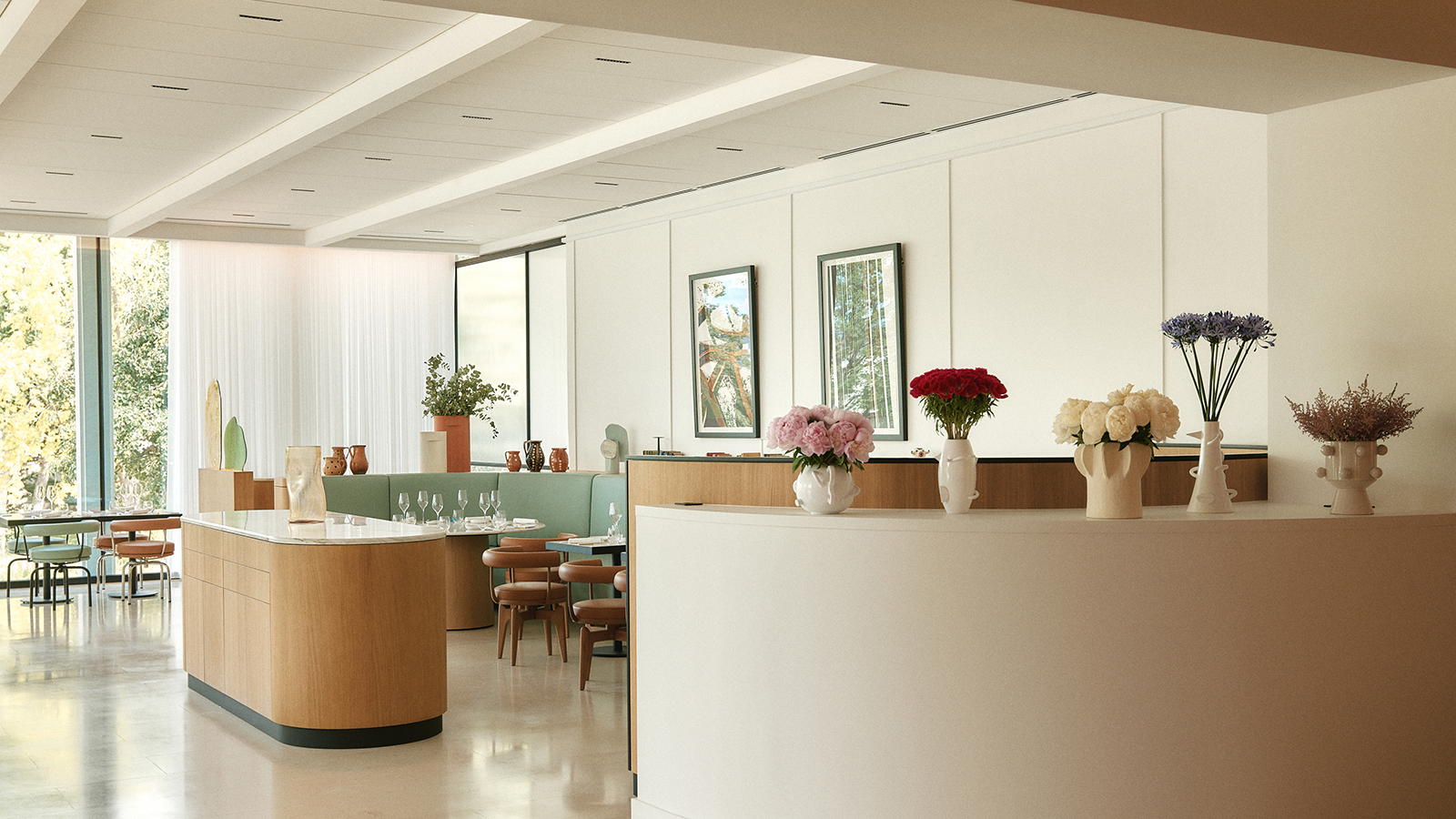
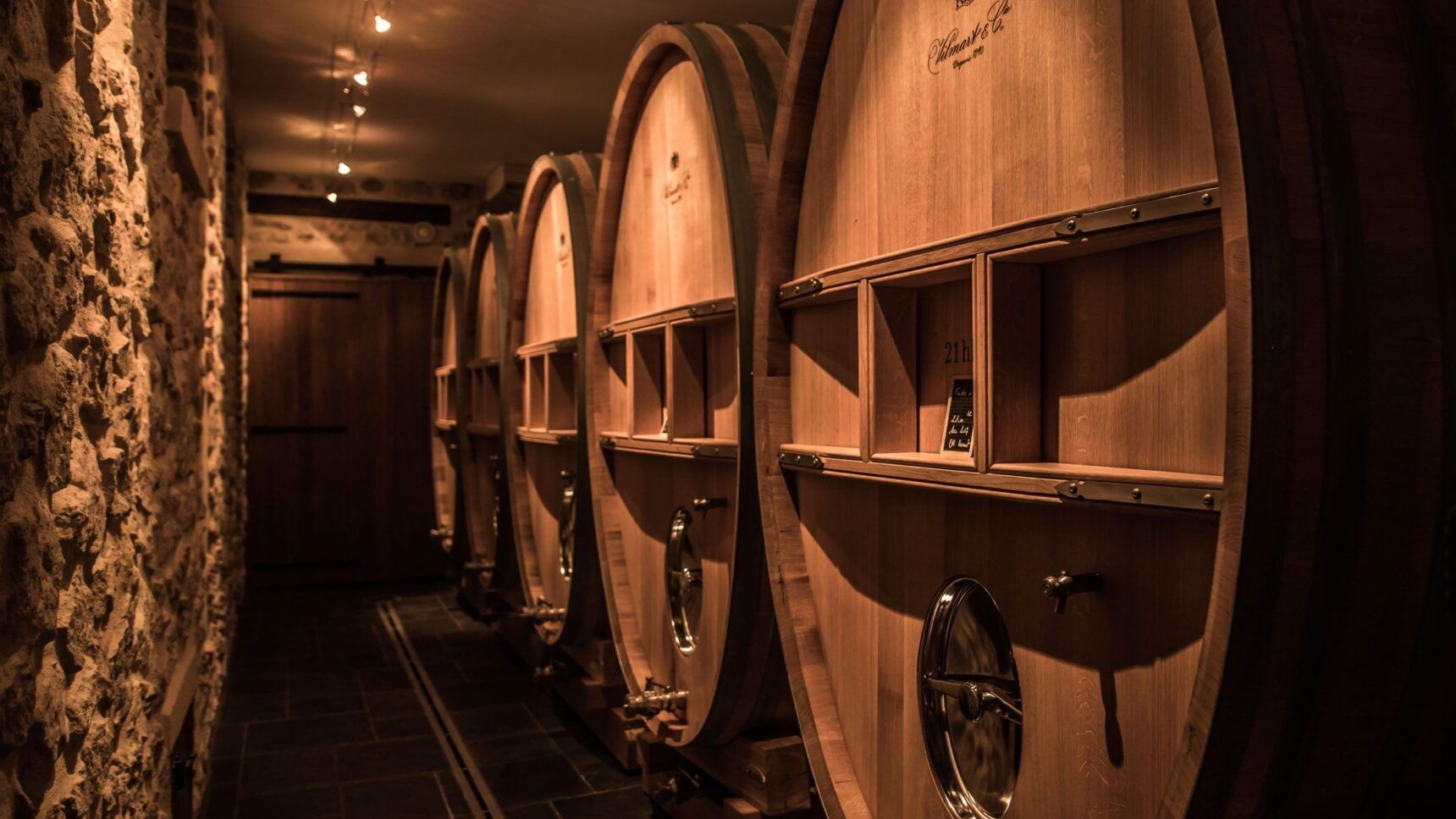
Refined and precise with piercing acidity, salivating minerality, and Côte des Blancs freshness in a classic chalk terroir setting.
Tags
Vibe
Best For
Experience
View
At the Vineyard
- Appellation
- Côte des Blancs
- Varietals
- Chardonnay, Pinot Noir
- Tour Duration
- 60-90 minutes
- Visits
- By appointment only
- Wine Styles
- Sparkling, Still White
- Wine Club
- Not available
Know before you go
Know Before You Go
- Getting there
- 1 Rue de la République, 51530 Cuis
Planning details
Location
Recognition and awards

Also consider
Also Consider
- L'Aventure, Notable alternative
- Laherte Frères, Notable alternative
- Nicolas Feuillatte, Notable alternative
- Jacques Selosse, Notable alternative
- Gosset, Notable alternative
Winery context
How It Compares
Choose Pierre Gimonnet & Fils if the priority is a focused Cuis producer visit with heritage behind it. Compared with Nicolas Feuillatte, it is the more intimate, wine-collector-coded choice; Nicolas Feuillatte is the safer cross-shop for visitors who want a broader, more accessible Champagne-house feel.
Jacques Selosse is the tougher comparison for allocation-driven drinkers: if access is possible, it will pull serious Champagne collectors, but booking difficulty can make it a poor practical anchor. Gosset reads better for visitors who want a historic house context, while Pierre Gimonnet & Fils is better for a quieter producer-led day in Cuis.
For a softer, grower-focused alternative, compare with Laherte Frères. If the itinerary is broader than Champagne and the goal is a destination winery with a different regional mood, L'Aventure belongs on the cross-shop list, but it is not a like-for-like substitute for a Cuis Champagne appointment.
Explore Cuis
Around this place
Discover more on Pearl
Unlock the full Pierre Gimonnet & Fils guide in Pearl, including awards, comparisons, FAQs, planning details, and nearby places.
Compare Pierre Gimonnet & Fils
| Venue | Location | Awards |
|---|---|---|
| Pierre Gimonnet & Fils | Cuis | 2026 Falstaff Winery Guide2025 Pearl 4 Star Prestige |
| L'Aventure | Chavot-Courcourt | 2025 Pearl 3 Star Prestige |
| Laherte Frères | Blancs-Coteaux | 2026 Falstaff Winery Guide2025 Pearl 4 Star Prestige |
| Nicolas Feuillatte | Chouilly | 2026 Falstaff Winery Guide2025 Pearl 3 Star Prestige |
| Jacques Selosse | Avize | 2026 Falstaff Winery Guide2025 Pearl 5 Star Prestige |
| Gosset | Épernay | 2026 Falstaff Winery Guide2025 Pearl 4 Star Prestige |
How Pierre Gimonnet & Fils Cuis compares with similar nearby venues.
FAQ
Frequently Asked Questions
Do I need a reservation at Pierre Gimonnet & Fils?
A reservation policy is not stated. Because Pierre Gimonnet & Fils is in Cuis and has Pearl 4 Star Prestige (2025), it is sensible to confirm arrangements directly before visiting.
Who is listed for Pierre Gimonnet & Fils?
Olivier et Didier Gimonnet are the listed chef/owner names for Pierre Gimonnet & Fils in Cuis.
What other venues can I compare with Pierre Gimonnet & Fils?
For comparison, consider Gosset, Jacques Selosse, L'Aventure, Laherte Frères, and Nicolas Feuillatte. Pierre Gimonnet & Fils is a Cuis venue.
Is there a membership program at Pierre Gimonnet & Fils?
Does Pierre Gimonnet & Fils offer shipping?
A shipping policy is not stated. Do not assume shipping is available without confirming directly with Pierre Gimonnet & Fils in Cuis.
Does Pierre Gimonnet & Fils serve food?
Food-service details are not provided. If a meal is important to the visit, plan separately in Cuis and confirm directly before relying on any on-site food offering.
How long should I plan for a visit to Pierre Gimonnet & Fils?
A visit length or service format is not provided. Keep the schedule flexible and confirm timing directly before building the rest of the day around Pierre Gimonnet & Fils.