The Glenturret
The Hosh, Crieff
Winery in Crieff, United Kingdom
 Book with Pearl
The Read
River-Source Highland Malt
Price
$20–30tasting
Why go
The Glenturret is the right Crieff choice when the trip is built around a serious distillery visit rather than a casual tasting stop. Treat it as the anchor of the day, then use nearby dining, hotel, bar, and experience options to make the logistics work.
About The Glenturret
Crieff rewards planning, and The Glenturret is best approached with a few key details in mind. It is in Crieff, has a smart casual dress code, and holds Pearl 3 Star Prestige recognition for 2025.
Plan the visit around what you want to experience rather than assumptions about format, timing, menus, drinks, pricing, or booking rules. Treat The Glenturret as a Crieff venue to research directly before you go, especially if your plans depend on a particular experience.
Make it the Crieff anchor, not the spare hour
The strongest reason to prioritize The Glenturret is its Pearl 3 Star Prestige (2025) recognition. That makes it a meaningful Crieff stop for travelers comparing premium venues, but the practical details should be confirmed with the venue before you plan tightly around them.
Use our full Crieff restaurants guide to place nearby dining around the visit. Keep the rest of the itinerary flexible until you have checked the latest information directly.
Who should choose it over another planned stop
Choose The Glenturret when you specifically want a Crieff venue with Pearl 3 Star Prestige (2025) recognition and a smart casual dress code. If you are comparing other options for a wider trip, Blackness Bay Distillery, Deanston, InchDairnie Distillery, Rosebank Distillery, and Stirling Distillery are relevant names to consider without assuming they offer the same experience.
The practical verdict: consider The Glenturret if Crieff is already part of your plan or if its recognition is the main draw. For anything more specific, including visit length, availability, service style, or what is offered on site, check the venue directly before committing your schedule.
Planning details
- Location
- Glenturret Distillery, The, Hosh, Crieff PH7 4HA
- Website
- theglenturretrestaurant.com
- Phone
- +44 1764 656565
The take
The Take
The Vibe
The Glenturret feels rooted and quietly authoritative. You arrive along a single-track lane, where farmland and the persistent sound of the Turret Burn set the tone before the buildings appear. Low stone structures and a working courtyard give the place a lived-in, farmstead quality rather than an industrial one, and the long history of eighteenth-century production adds weight to the atmosphere. It reads as a distillery that has kept its character — pastoral, meticulous and modest — inviting close observation of process and provenance rather than theatrical spectacle.
Best For
This is a destination for people who care about provenance and process. The site’s direct relationship to its water source and its long production history make it especially rewarding for tasting-focused visits and educational tours that unpack terroir and maturation. Visitors arrive expecting depth rather than flash: guided tastings, conversations about cask ageing and the role of the Turret Burn, and a slow appreciation of regional character are the primary draw. The award recognition underscores a commitment to craft, so expect a visit oriented around learning and appreciation.
Tasting Tips
Treat the visit as an education: seek out guided tastings or interpretive tours that explain the role of the Turret Burn and regional maturation influences. Focus on expressions that staff point to as representative of Highland Perthshire character and ask about cask types and ageing rhythms, since the description emphasizes active seasonal swings and cask interaction. Ask for recommended comparative pours or a tasting flight to hear how land and water translate into spirit, and allow time to listen to the site — the setting and process are as much part of the story as the glass.
Venue details
Ambiance
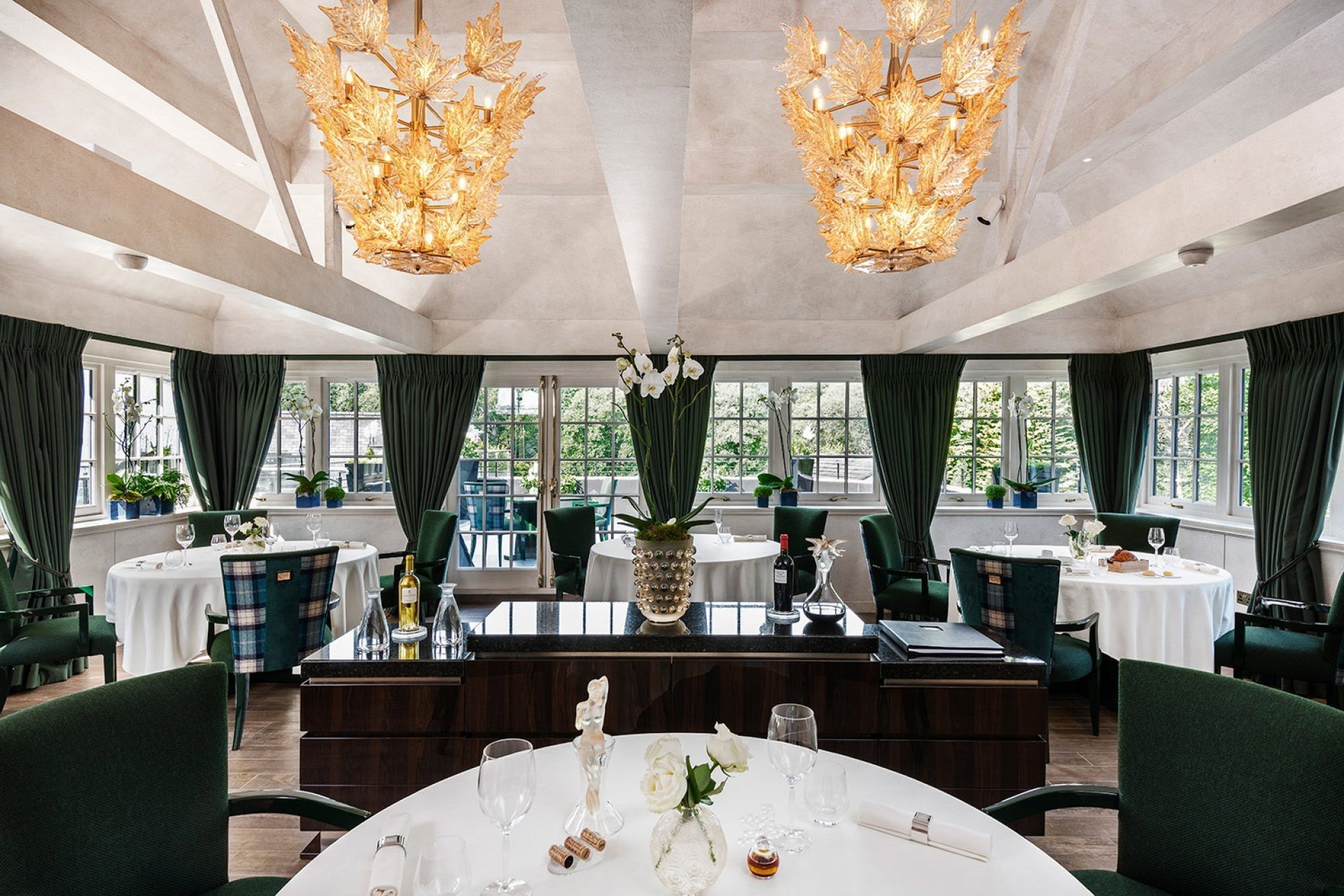
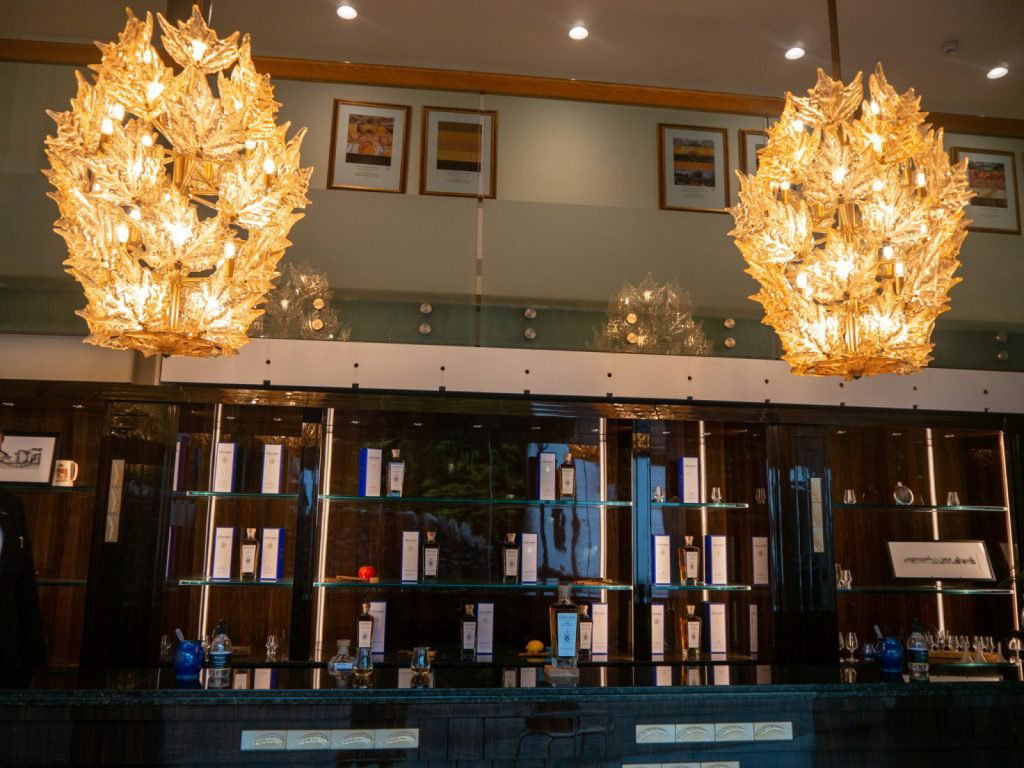
Intimate luxury blending rustic beamed ceilings with elegant Lalique chandeliers and sophisticated, precise lighting in a historic setting.
Tags
Vibe
Best For
Experience
Sourcing
View
At the Vineyard
- Appellation
- Highland
- Tour Duration
- 60 minutes
- Tour Languages
- English
- Visits
- By reservation
- Food Pairing
- Offered
- Wine Club
- Not available
Know before you go
Know Before You Go
- Getting there
- Glenturret Distillery, The, Hosh, Crieff PH7 4HA
Planning details
Location
Glenturret Distillery, The, Hosh, Crieff PH7 4HA · Directions
Also consider
Also Consider
- Deanston, Notable alternative
- Stirling Distillery, Notable alternative
- Rosebank Distillery, Notable alternative
- InchDairnie Distillery, Notable alternative
- Blackness Bay Distillery, Notable alternative
Winery context
How It Compares
Choose The Glenturret if Crieff and a destination-style distillery visit are the priority. Deanston is the stronger cross-shop for travelers already routing through central Scotland, while Stirling Distillery is the more convenient pick when a city-based stop matters more than a Perthshire setting.
Rosebank Distillery is the comparison for visitors who want another serious distillery name in the wider region. InchDairnie Distillery and Blackness Bay Distillery work better as alternatives for travelers building a multi-stop spirits itinerary rather than visitors focused only on Crieff.
For value, the right choice depends on route efficiency: The Glenturret makes sense when Crieff is already part of the plan, while Stirling Distillery and Deanston may be easier to justify for shorter trips with less time in Perthshire. For ambiance, choose the venue whose setting fits the day: countryside anchor for The Glenturret, city convenience for Stirling Distillery, broader central-Scotland distillery context for Deanston or Rosebank Distillery.
Explore Crieff
Around this place
Discover more on Pearl
Unlock the full The Glenturret guide in Pearl, including awards, comparisons, FAQs, planning details, and nearby places.
Compare The Glenturret
| Venue | Location | Awards |
|---|---|---|
| The Glenturret | Crieff | No published awards |
| Deanston | Deanston | No published awards |
| Stirling Distillery | Stirling | No published awards |
| Rosebank Distillery | Falkirk | No published awards |
| InchDairnie Distillery | Glenrothes | No published awards |
| Blackness Bay Distillery | Blackness | No published awards |
How The Glenturret Crieff compares with similar nearby venues.
FAQ
Frequently Asked Questions
Where is The Glenturret?
The Glenturret is in Crieff. Use the venue's official channels for exact directions.
What recognition does The Glenturret have?
The Glenturret holds Pearl 3 Star Prestige recognition for 2025.
How should I compare The Glenturret with other venues?
Use The Glenturret's Crieff location, smart casual dress code, and Pearl 3 Star Prestige (2025) recognition as the basis for comparison. Blackness Bay Distillery, Deanston, InchDairnie Distillery, Rosebank Distillery, and Stirling Distillery are relevant names for a broader comparison.