

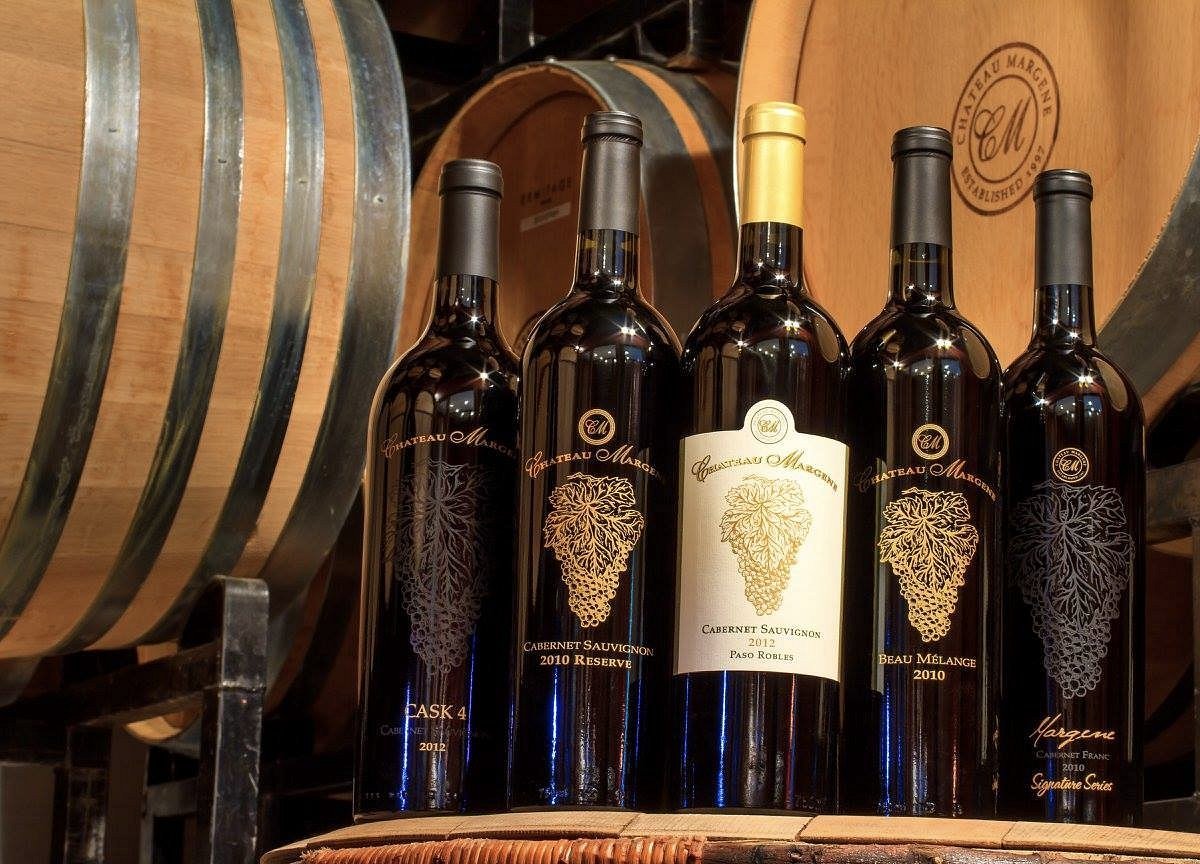
Château Margene
Creston District, Creston
Winery in Creston, United States
 Book with Pearl
The Read
Eastside Paso Elevation Wines
Why go
Château Margene is worth considering for a slower Creston wine-country outing where the estate setting is part of the appeal. It is better for dates, celebrations, and hosted afternoons than for a fast multi-stop tasting crawl, especially because current public logistics require more planning than fully self-service booking venues.
About Château Margene
Château Margene is a Creston venue with a casual dress code and Pearl 2 Star Prestige recognition for 2025.
If you are comparing options in and around Creston, keep Château Margene on the shortlist for its recognition, then verify the practical details directly before you build the day around it.
Choose this when confirmed recognition matters
The clearest reason to consider Château Margene is its Pearl 2 Star Prestige recognition in 2025. It is a recognized Creston stop, but the on-the-day experience should be confirmed before you go.
The casual dress code makes the venue easy to fit into a relaxed Creston plan. For anything more specific, such as timing, reservations, pricing, accessibility, or group logistics, check the venue's official channels rather than relying on assumptions.
How to fit it into a Creston day
Build the day with flexibility. Château Margene can be considered alongside other regional options such as Asuncion Ridge Vineyards, Cass Winery, Pomar Junction Vineyard & Winery, Rava Wines, and Still Waters Vineyards.
Planning details
- Location
- 4385 La Panza Rd, Creston, CA 93432
- Website
- chateaumargene.com
- Phone
- +1 805-238-2321
The take
The Take
The Vibe
Château Margene presents as a secluded, terroir-forward estate tucked into the eastern hills of the Paso Robles backcountry. The writing emphasizes a quieter, less-visited stretch of country where limestone-laced soils, rising elevations and wide diurnal swings shape wines with concentrated phenolics and brisk acidity. That focus on geology and microclimate gives the place an understated, contemplative air: this is not a bustling tourist stop but a deliberate, low-key address for people who care about vineyard expression. The tone is quietly confident — producers here are earning notice precisely because the site’s specificity speaks louder than marketing bluster.
Best For
This property is best for visitors whose primary interest is wine — particularly those curious about how subtle shifts in soil and temperature translate into bottle. The description frames Château Margene as a place that appeals to serious wine audiences and members (noted by the EP Club Pearl designation) and to visitors seeking a quieter, more solitary tasting experience away from Highway 46’s traffic. It suits people who prioritize terroir education, collectors tracking Central Coast producers gaining wider recognition, and travelers willing to head off the beaten path for a focused tasting.
Tasting Tips
When you visit, orient your conversation around site-driven character: ask about the estate’s soils, elevation and the effects of diurnal temperature swings mentioned in the write-up. The copy calls out a 2025 EP Club Pearl 2 Star Prestige designation, so inquire about club releases or special-designation bottlings that showcase the site’s concentrated phenolics and preserved acidity. Focus tastings on wines the staff highlights as demonstrative of Creston’s continental pattern rather than general appellation blends, and consider asking whether there are reserve or club-only selections that amplify the estate’s terroir story.
Venue details
Ambiance
Relaxed outdoor seating on a scenic farm property with vineyard views, modern tasting room, and welcoming family-hosted atmosphere.
Tags
Vibe
Best For
Experience
Sourcing
View
Accessibility
At the Vineyard
- Appellation
- Creston District AVA
- Varietals
- Cabernet Sauvignon, Cabernet Franc, Merlot, Pinot Noir, Malbec
- Tour Duration
- 1 hour
- Visits
- By appointment only
- Farming
- Sustainable
- Wine Styles
- Still Red, Dessert
- Food Pairing
- Offered
- Wine Club
- Available
Know before you go
Know Before You Go
- Getting there
- 4385 La Panza Rd, Creston, CA 93432
Planning details
Location
Also consider
If Château Margene does not fit the plan
Try Rava Wines if the group wants a broader winery outing with more event-day energy. Choose Still Waters Vineyards if the goal is a calmer Creston-area stop that may suit a lower-pressure itinerary.
Winery context
How it compares in Creston
Choose Château Margene when the priority is a composed estate stop in rural Creston rather than the easiest booking path. Rava Wines and Cass Winery are stronger cross-shops for guests who want a broader, more activity-forward winery day, while Château Margene is the better fit for a quieter special-occasion plan.
Still Waters Vineyards and Pomar Junction Vineyard & Winery make sense for visitors comparing a more casual countryside feel. If value and simple logistics matter more than a polished estate mood, start there. If the visit needs to feel more intentional, Château Margene is the sharper choice.
Asuncion Ridge Vineyards is the peer to check when the group wants another Creston-area wine stop with a similarly destination-driven feel. For booking difficulty, assume Château Margene takes more advance planning than a casual drop-in winery and confirm details before building the day around it.
Explore Creston
Around this place
Discover more on Pearl
Unlock the full Château Margene guide in Pearl, including awards, comparisons, FAQs, planning details, and nearby places.
Compare Château Margene
| Venue | Location | Awards |
|---|---|---|
| Château Margene | Creston | No published awards |
| Rava Wines | Paso Robles | No published awards |
| Still Waters Vineyards | Paso Robles | No published awards |
| Asuncion Ridge Vineyards | Paso Robles | No published awards |
| Cass Winery | Paso Robles | No published awards |
| Pomar Junction Vineyard & Winery | Templeton | No published awards |
How Château Margene Creston compares with similar nearby venues.
FAQ
Frequently Asked Questions
What is about Château Margene?
Château Margene is in Creston, has a casual dress code, and carries Pearl 2 Star Prestige recognition for 2025.
Can Château Margene handle large groups?
Large-group details are not available in the venue profile. For any group visit in Creston, confirm current policies, timing, and reservation needs directly before you go.
What other venues can I compare with Château Margene?
Useful comparison venues for a regional plan include Asuncion Ridge Vineyards, Cass Winery, Pomar Junction Vineyard & Winery, Rava Wines, and Still Waters Vineyards. Confirm current details for each stop before finalizing an itinerary.