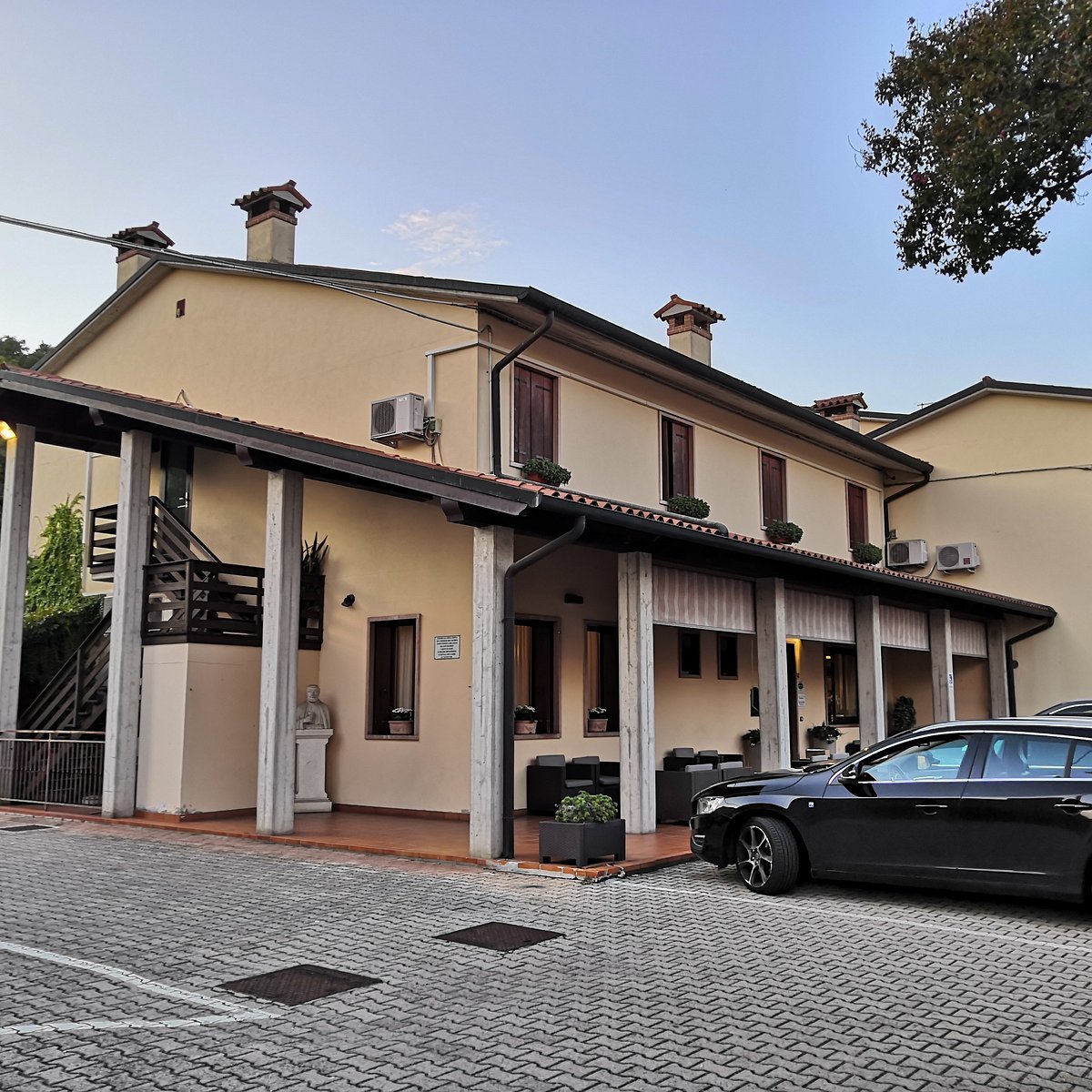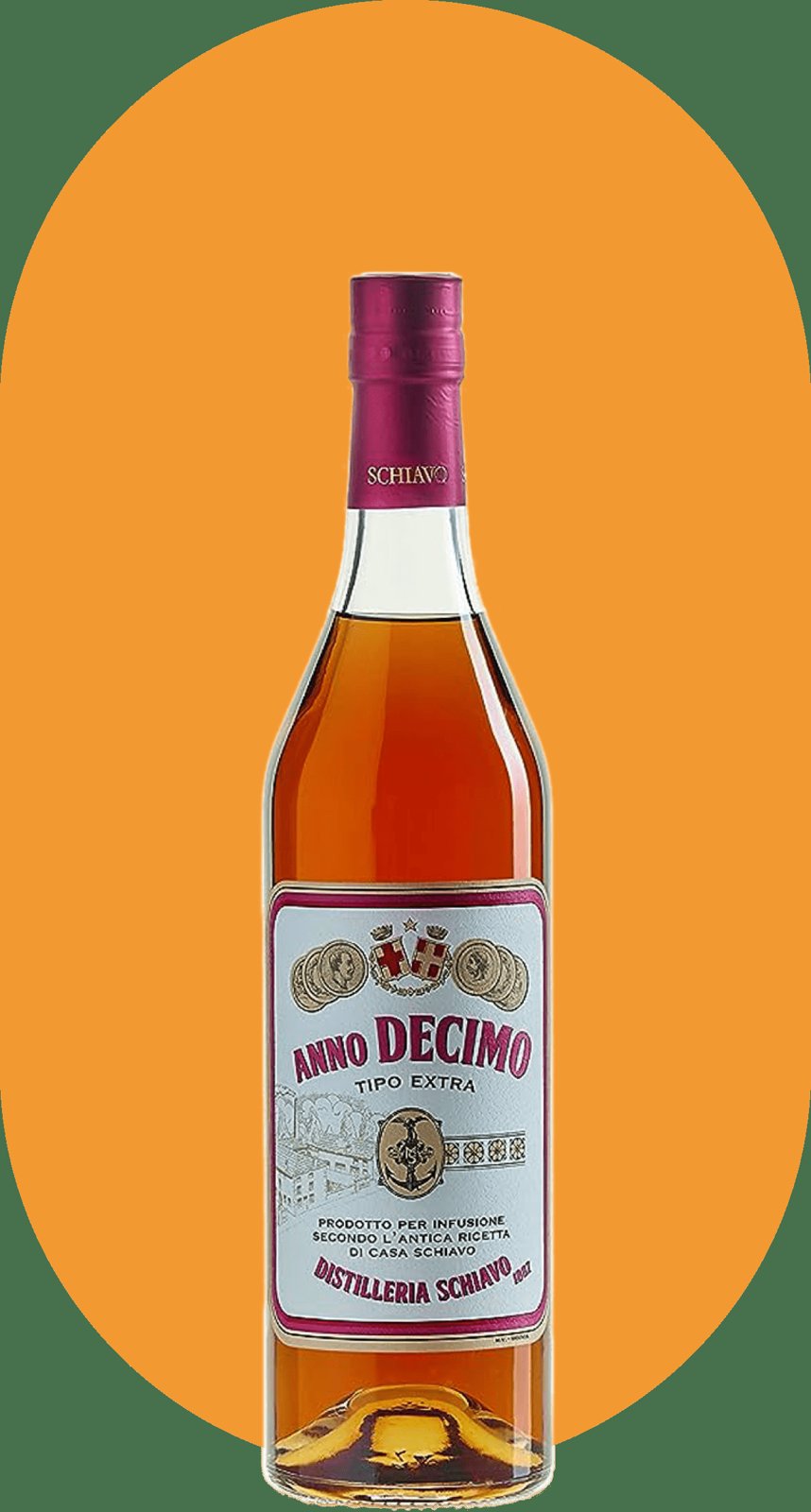
Distilleria Schiavo
Costabissara
Winery in Costabissara, Italy
 Book with Pearl
The Read
Veneto Pomace Distillation
Why go
Distilleria Schiavo is worth targeting if a Costabissara trip is built around distilled spirits rather than a standard vineyard circuit. Its Pearl 2 Star Prestige recognition gives it a clear quality signal, but the smarter plan is to treat it as a focused stop within a wider Vicenza-area itinerary, not the whole day.
About Distilleria Schiavo
Distilleria Schiavo in Costabissara provides limited public details. It has a casual dress code and holds Pearl 2 Star Prestige (2025).
With limited information available, keep the planning approach conservative. Use official channels for current visit, booking, timing, and format details. If you are planning food around the stop, the Costabissara restaurants guide can help with other dining in Costabissara.
Plan it as a focused Costabissara stop
Distilleria Schiavo is best approached as a deliberate Costabissara visit. Public details on visit format, hours, pricing, group capacity, or specific offerings are not available, so the safest plan is to verify those points directly before going.
For context, travelers comparing notable regional venues may also look at Distilleria F.lli Brunello, Distilleria Zanin, Gini, Poli Distillerie, and Prà. Those names are useful as references, but Distilleria Schiavo should still be judged on the facts available for this Costabissara venue.
Who should prioritize it
Prioritize Distilleria Schiavo if you are already planning time in Costabissara and want to include a Pearl 2 Star Prestige venue in the itinerary. The casual dress code keeps the planning simple, but other practical details should be checked directly rather than assumed.
If your schedule depends on a specific format, a large group arrangement, a fixed visit length, or a particular on-site option, confirm those details before committing. The strongest recommendation is to treat Distilleria Schiavo as a Costabissara stop with Pearl recognition, and confirm other logistics at the source.
Planning details
- Location
- Via Giuseppe Mazzini, 39, 36030 Costabissara VI
- Website
- schiavograppa.com
- Phone
- +39 0444 971025
The take
The Take
The Vibe
Distilleria Schiavo reads as a workmanlike, tradition-rooted producer tucked into the Veneto foothills. The copy emphasizes the distillery’s practical role in the local agricultural economy — processing vineyard leftovers into pomace spirits — rather than presenting itself as a tourist spectacle. That gives the place a quietly authentic air: understated, classic in its approach to distillation and anchored to regional technique and climate. Visitors can expect a no-frills, craft-focused atmosphere that privileges production knowledge and a connection to the land over marketing polish.
Best For
This producer is best for spirits-minded visitors and anyone interested in the mechanics and heritage of pomace distillation. The text highlights the distillery’s role in a regional production chain and its 2025 Pearl 2 Star Prestige recognition, which signals consistent quality that appeals to informed tasters and students of Italian distilling. It’s a fit for educational visits, curious travelers who want context about how grappa and similar spirits are made, and those seeking a grounded, process-oriented experience rather than a commercial tasting-room spectacle.
Tasting Tips
When visiting, focus your questions and attention on the production story: ask about pomace sourcing, seasonal influences from the Veneto foothills, and how those factors shape aroma and flavor. The Pearl 2 Star Prestige award cited in the description serves as a marker of quality, so prioritize sampling the distillery’s core grappa or pomace-based offerings where available and ask for comparisons that illustrate how climate and grape residues affect the finished spirit. The emphasis here is on learning and tasting with a spirits-focused mindset, rather than nightlife or dining.
Venue details
Ambiance
Traditional artisanal atmosphere focused on craftsmanship.
Tags
Best For
Experience
At the Vineyard
- Appellation
- Veneto
- Varietals
- Cabernet Sauvignon, Merlot, Garganega, Moscato, Carmenère
- Tour Duration
- 60-90 minutes
- Tour Languages
- Italian
- Visits
- By appointment only
- Wine Club
- Not available
Know before you go
Know Before You Go
- Getting there
- Via Giuseppe Mazzini, 39, 36030 Costabissara VI
Planning details
Location
Also consider
Where to look if this does not fit the trip
For another spirits-led option, start with Poli Distillerie or Distilleria Zanin. If the group wants a wine-first Veneto day instead, shift the search to Prà or Gini.
Winery context
How it compares for a Costabissara-area drinks itinerary
Choose Distilleria Schiavo when the brief is distilled spirits and a more focused producer stop. Distilleria Zanin, Poli Distillerie, and Distilleria F.lli Brunello are the more direct cross-shops because they sit in the same spirits category; they make more sense for travelers comparing distillery heritage, visitor polish, and ease of planning rather than vineyard range.
If the group includes people who mainly want wine, Prà and Gini are the better alternatives to consider. They are more intuitive choices for a classic Veneto wine day, while Distilleria Schiavo is the sharper pick for someone who wants the spirits side of the region. For value, the right choice depends less on spend and more on whether the format matches the group: a wine-focused party will get more out of Prà or Gini, while a spirits-focused party should start with the distillery set.
On booking difficulty, do not treat any of these as interchangeable walk-in options. Distilleria Schiavo belongs on the plan only if the visit can be arranged cleanly in advance; if that proves difficult, cross-shop Poli Distillerie or Distilleria Zanin first for a similarly relevant spirits angle, then use Prà or Gini if the day needs to pivot back toward wine.
Explore Costabissara
Around this place
Discover more on Pearl
Unlock the full Distilleria Schiavo guide in Pearl, including awards, comparisons, FAQs, planning details, and nearby places.
Compare Distilleria Schiavo
| Venue | Location | Awards |
|---|---|---|
| Distilleria Schiavo | Costabissara | No published awards |
| Distilleria Zanin | Zugliano | No published awards |
| Poli Distillerie | Schiavon (Vicenza) | No published awards |
| Distilleria F.lli Brunello | Montegalda | No published awards |
| Prà | Monteforte d'Alpone | 2026 Falstaff Winery Guide |
| Gini | Monteforte d'Alpone | 2026 Falstaff Winery Guide |

How Distilleria Schiavo Costabissara compares with similar nearby venues.
FAQ
Frequently Asked Questions
What is Distilleria Schiavo known for in this guide?
Distilleria Schiavo is known for its Costabissara location, casual dress code, and Pearl 2 Star Prestige (2025) recognition. Confirm any product, visit, or service details directly with the venue.
How long should I plan for a visit to Distilleria Schiavo?
Are purchasing or membership options available at Distilleria Schiavo?
Purchasing and membership details are not available. Before making any decision, check Distilleria Schiavo's official information for current options.
Can Distilleria Schiavo handle large groups?
Large-group capacity is not available. If you are planning for a group, contact Distilleria Schiavo directly before relying on the venue for a fixed itinerary.
When is the best time to visit Distilleria Schiavo?
Hours and ideal visit timing are not available. Choose a time only after confirming current details directly with Distilleria Schiavo.
What other venues can I compare with Distilleria Schiavo?
For comparison, consider Distilleria F.lli Brunello, Distilleria Zanin, Gini, Poli Distillerie, and Prà. Use them as reference points, and confirm each venue's location and visit details separately before planning a route.