Guido Berlucchi
Corte Franca
Winery in Corte Franca, Italy
 Book with Pearl
The Read
Morainic Terroir Sparkling
Price
$50–100tasting
Why go
Book Guido Berlucchi if Franciacorta is a priority and the estate setting matters as much as the tasting. It is a planned visit, not a casual fallback, with difficult availability and limited public-facing logistics. First-timers should anchor a Corte Franca day around it and cross-shop Bellavista or Ca' del Bosco if timing does not work.
About Guido Berlucchi
Is Guido Berlucchi worth considering in Corte Franca? The safest verdict is direct: shortlist it if you are specifically planning time in Corte Franca and want a venue with Pearl 2 Star Prestige (2025) recognition. Beyond that, confirm practical details directly before building a schedule around the visit.
Book this as a planned Corte Franca stop
Guido Berlucchi is best treated as a planned stop rather than something to leave vague until the last minute. The dress code is smart casual, and the recognition is Pearl 2 Star Prestige (2025). Check details such as hours, pricing, capacity, service format, and visitor arrangements directly before you commit.
If you are comparing notable names while planning, Bellavista and Ca' del Bosco are natural references to consider alongside Guido Berlucchi. Zenato, Nino Negri, and Campari can also be useful broader comparisons, depending on the shape of the trip, but they should not be treated as interchangeable Corte Franca options.
First-timers should build the day around Corte Franca
For a first visit, the sensible approach is to make Corte Franca the anchor and keep the rest of the day flexible. Use our full Corte Franca restaurants guide and our full Corte Franca hotels guide to decide whether to stay local or treat Guido Berlucchi as one stop on a wider route.
Confirm essentials such as hours, group capacity, menu format, pricing, and availability directly before arranging transport or nearby dining. That is especially important for groups, so ask about capacity and arrangements before committing.
Where it fits in a wider itinerary
Guido Berlucchi fits a Corte Franca plan for travelers who want a recognized stop and are comfortable confirming logistics in advance. The Pearl 2 Star Prestige (2025) recognition gives it a clear reason to be on a shortlist, but it does not replace direct confirmation of timing, access, or service details.
For comparison, Bellavista and Ca' del Bosco are useful reference points, while Zenato, Nino Negri, and Campari may be better considered as part of a broader itinerary rather than as Corte Franca dining or visit alternatives. Other unnamed Corte Franca options can round out the day if you want to keep the plan local.
Planning details
- Location
- Via Duranti, 4, 25040 Borgonato BS
- Website
- berlucchi.it
- Phone
- +39 030 984381
The take
The Take
The Vibe
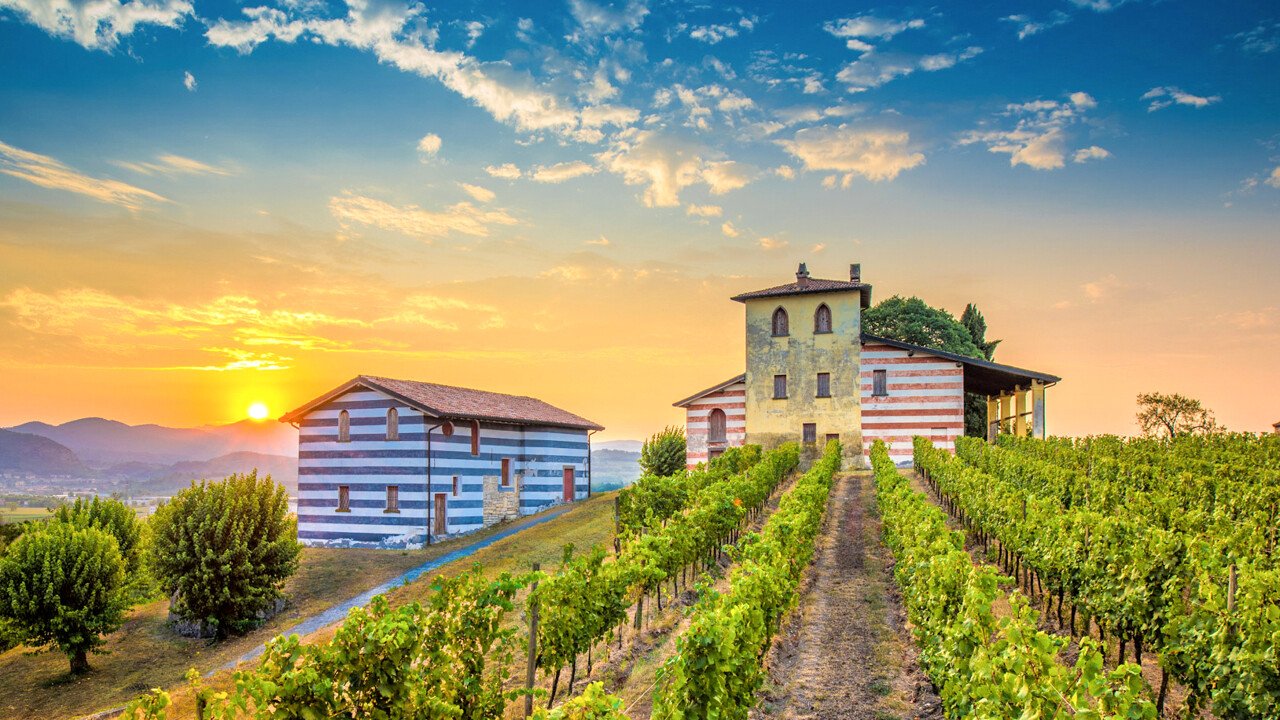
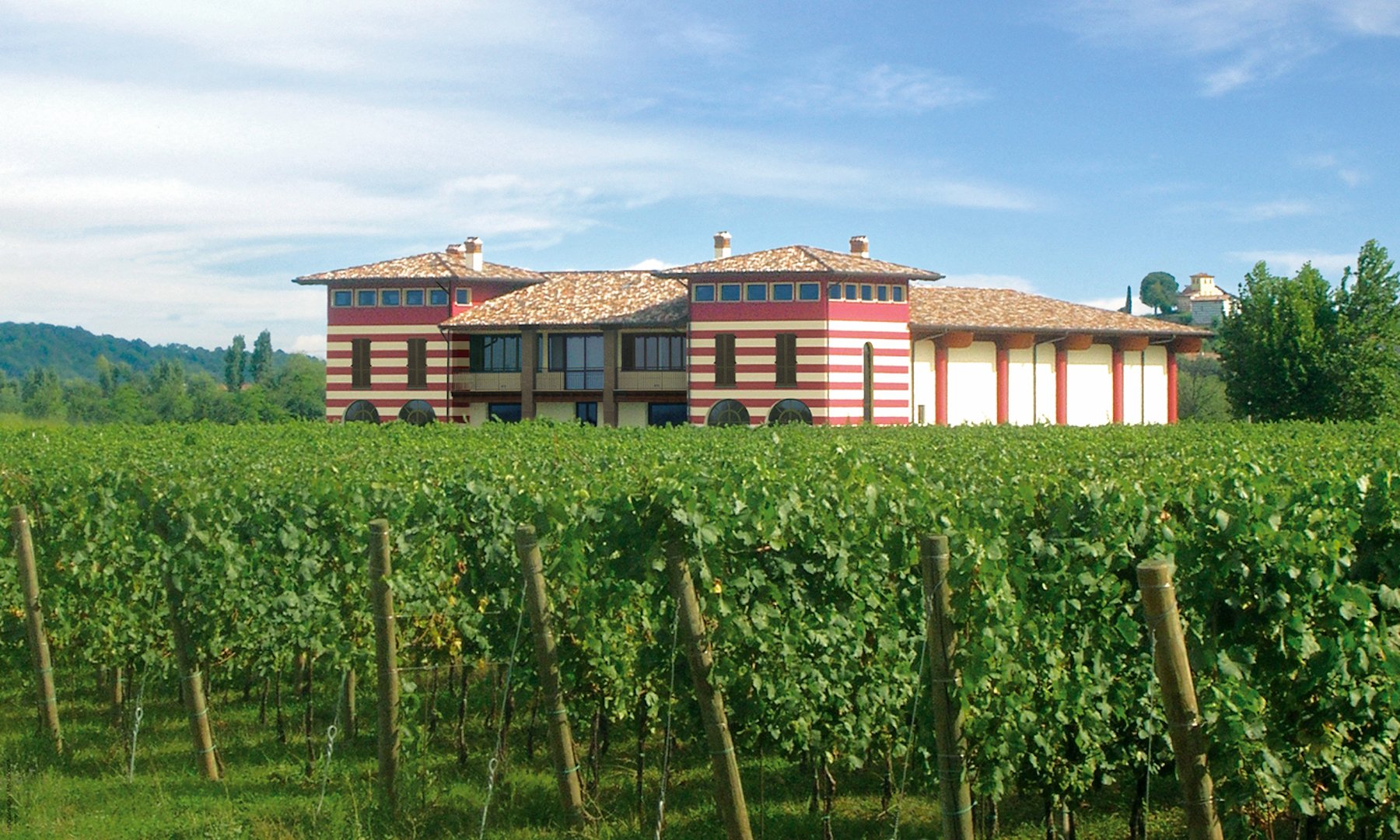
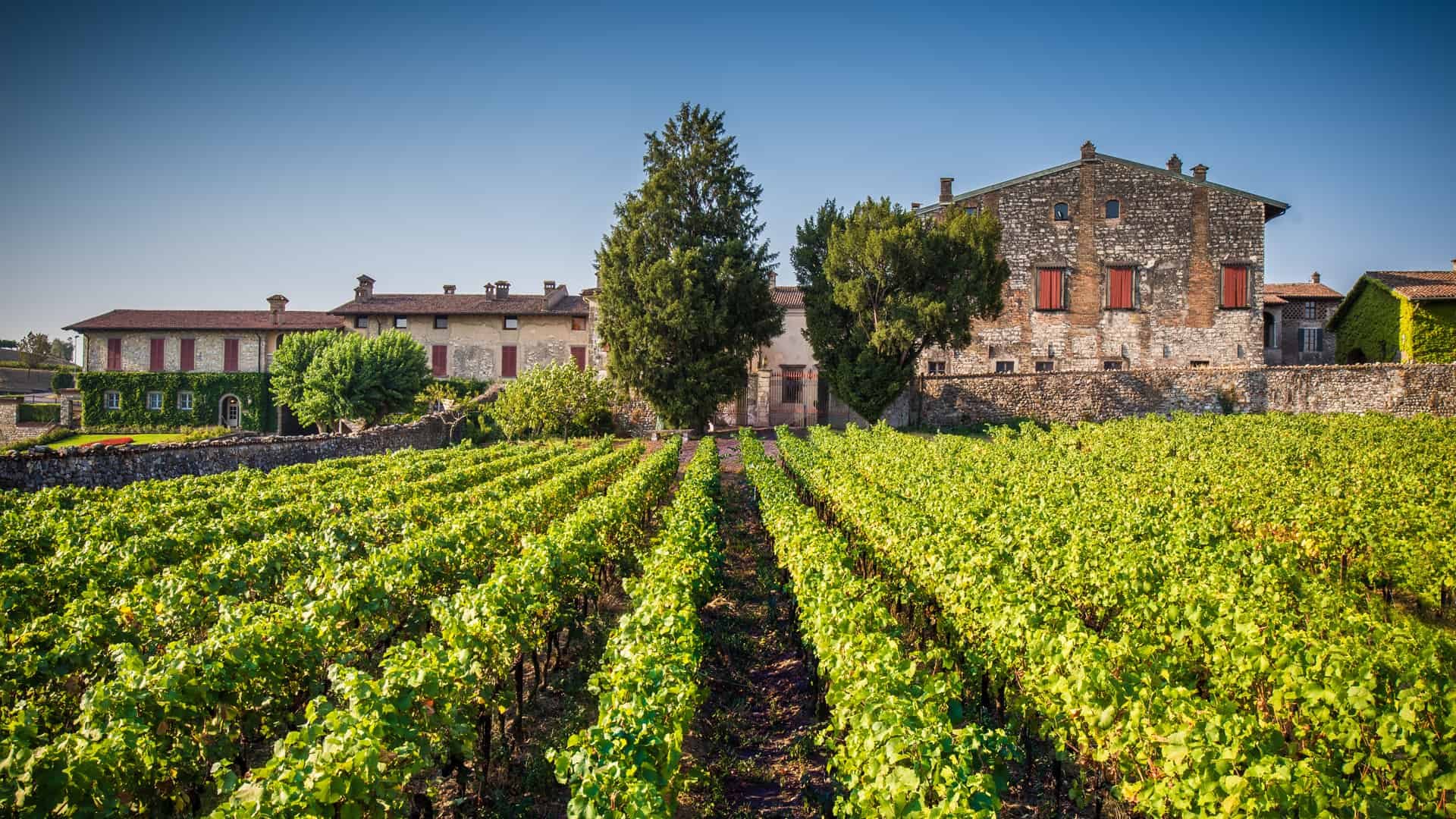
Guido Berlucchi sits firmly in place, rooted in Franciacorta’s moraine ridges and the rolling hills south of Lake Iseo. The estate reads like a terroir study: gravel, sand and clay vary across short distances, and the house frames its wines around that patchwork of soils. The location in the Borgonato fraction gives the winery a quietly historic, scenic character rather than an urban polish. Visitors encounter a production philosophy that feels grounded in place, with an emphasis on mineral detail and structure that reinforces a composed, regionally specific atmosphere.
Best For
This is a destination for anyone focused on understanding sparkling wine from the ground up. The prose and emphasis on terroir make the property especially well suited to wine-education visits and small groups who want to compare soil-driven styles. Its placement in a historic pocket and noted industry recognition also make it an appropriate stop for celebrations or special-occasion tastings, where guests expect a thoughtful presentation of site selection and production philosophy rather than a purely social wine-bar experience.
Tasting Tips
When you visit, orient your tasting around terroir and base wines: ask to taste cuvées that highlight parcels with different gravel, sand and clay proportions so you can compare tension versus texture. Reference the house’s recent Pearl 2 Star Prestige recognition when enquiring about flagship bottlings. Ask staff about site selection and the moraine ridges that the description highlights—those conversations will illuminate why certain vintages show more mineral tension while others present rounder, clay-influenced profiles.
Venue details
Ambiance
Refined and timeless, with frescoed rooms in the historic palazzo and cool, cavernous cellars that evoke centuries of winemaking tradition.
Tags
Vibe
Best For
Experience
Sourcing
View
At the Vineyard
- Appellation
- Franciacorta DOCG
- Varietals
- Pinot Nero, Chardonnay
- Tour Duration
- 2-3 hours
- Tour Languages
- English, Italian
- Visits
- By appointment only
- Farming
- Sustainable
- Wine Styles
- Sparkling
- Food Pairing
- Offered
- Wine Club
- Not available
Know before you go
Know Before You Go
- Getting there
- Via Duranti, 4, 25040 Borgonato BS
Planning details
Location
Also consider
Also Consider
- Bellavista, Notable alternative
- Ca' del Bosco, Notable alternative
- Zenato, Notable alternative
- Campari, Notable alternative
- Nino Negri, Notable alternative
Winery context
How It Compares
Among the Franciacorta names in this set, Guido Berlucchi is the pick for readers who want the estate visit to feel central to the day. Bellavista and Ca' del Bosco are the closest cross-shops for a similar regional brief, so compare availability first rather than trying to force one booking into a tight schedule.
For value, the honest answer is that published pricing is not available here, so judge value by trip fit: if Franciacorta is the point of the itinerary, Guido Berlucchi earns priority; if the day is about covering more ground with less booking friction, Bellavista or Ca' del Bosco may be easier alternatives to test for availability. Zenato is better suited to a Lake Garda-oriented wine plan than a pure Corte Franca day.
Campari and Nino Negri are not direct substitutes. Choose Campari for a broader Italian drinks lens, Nino Negri for a mountain-wine direction, and Guido Berlucchi when the decision is specifically about Franciacorta, estate ambiance, and a more deliberate winery stop.
Explore Corte Franca
Around this place
Discover more on Pearl
Unlock the full Guido Berlucchi guide in Pearl, including awards, comparisons, FAQs, planning details, and nearby places.
Compare Guido Berlucchi
| Venue | Location | Awards |
|---|---|---|
| Guido Berlucchi | Corte Franca | No published awards |
| Bellavista | Erbusco | 2026 Falstaff Winery Guide2025 Decanter Winery Prestige |
| Ca’ del Bosco | Erbusco | 2026 Falstaff Winery Guide |
| Zenato | Peschiera del Garda | 2026 Falstaff Winery Guide |
| Campari | Milan | No published awards |
| Nino Negri | Chiuro | 2026 Falstaff Winery Guide |


How Guido Berlucchi Corte Franca compares with similar nearby venues.
FAQ
Frequently Asked Questions
What other venues are worth comparing with Guido Berlucchi?
Bellavista and Ca' del Bosco are useful reference points, while Zenato, Nino Negri, and Campari may fit a broader itinerary. Other Corte Franca options can be considered generically depending on your plans.
Can Guido Berlucchi handle large groups?
When is the best time to visit Guido Berlucchi?
What should I wear to Guido Berlucchi?
The dress code is smart casual. Choose polished but comfortable clothing that fits a recognized Corte Franca venue.
How long should I plan for a visit to Guido Berlucchi?
What recognition does Guido Berlucchi have?
Guido Berlucchi is listed with Pearl 2 Star Prestige (2025) recognition.