
Winery in Coquimbo, Chile
Hanaq Pacha Distillery
250ptsDesert-Zone Pisco Craft
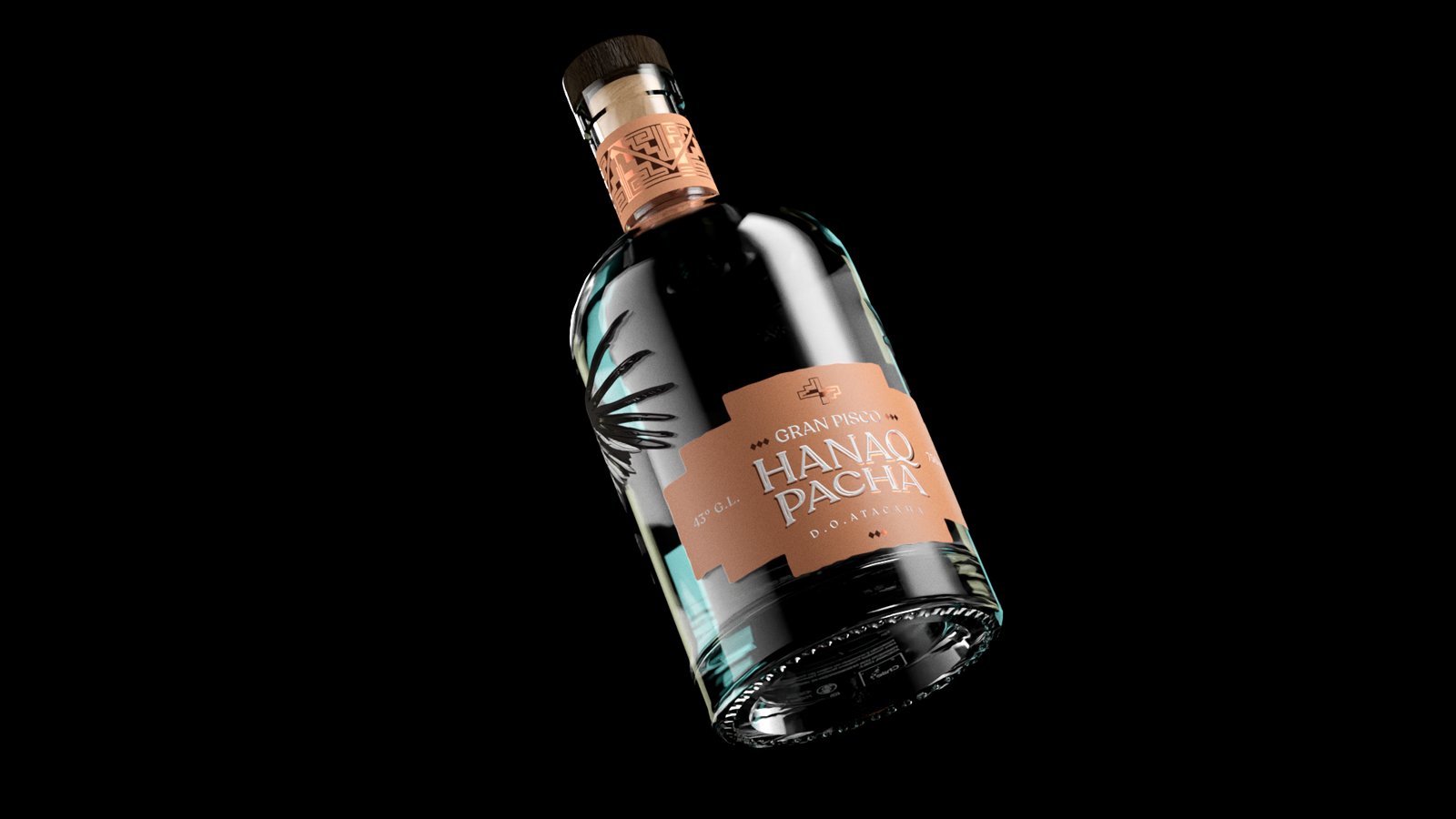
About Hanaq Pacha Distillery
Hanaq Pacha Distillery operates in Coquimbo, Chile's Atacama-adjacent pisco country, where high-altitude desert conditions define the aromatic character of the spirit. The distillery holds a Pearl 1 Star Prestige award (2025), placing it in a recognised tier of Chilean producers working at craft scale. Contact details and booking arrangements are best confirmed directly through current local channels.
Pisco at Altitude: The Coquimbo Distillation Tradition
The Coquimbo region sits at the northern edge of Chile's recognised pisco production zone, where the Atacama Desert begins to assert itself through extreme UV intensity, dramatic diurnal temperature swings, and soils that give Muscat-family grapes an aromatic concentration rarely achieved in more temperate climates. This is not incidental geography. The conditions that make Coquimbo one of South America's more demanding agricultural environments are precisely what the region's serious producers have learned to translate into spirit character. Hanaq Pacha Distillery operates within this tradition, and its 2025 Pearl 1 Star Prestige award positions it in the upper tier of craft Chilean producers recognised by the EP Club evaluation framework.
Pisco, as a category, has spent decades caught between Peruvian and Chilean claims of origin, but the production philosophy in Coquimbo has been evolving on its own terms. The leading operators here are less interested in winning a geographical argument than in demonstrating what happens when high-altitude desert viticulture is matched with careful distillation discipline. Hanaq Pacha's Quechua name — referencing the upper world or sky realm in Andean cosmology — signals an intentional alignment with this altitude-first identity rather than a generic South American origin story. The name frames the spirit before the bottle is opened.
What the Desert Does to a Grape
Understanding what distinguishes serious Coquimbo pisco from volume production requires a brief grounding in the region's agricultural logic. Muscat of Alexandria and Pedro Jiménez are the dominant permitted varieties for Chilean pisco, and both express differently under Atacama-margin conditions than they do in Chile's central valley. The extreme solar radiation accelerates phenolic development and concentrates aromatic compounds, while cold nights preserve acidity and delay fermentation heat. The result, in the hands of a careful producer, is a base wine with more textural weight and floral complexity than the same varieties grown closer to sea level or further south.
Distillers working in this register tend to make decisions at the still that protect rather than amplify those characteristics , shorter cuts, lower temperatures, attention to the middle fraction of the distillate where the primary aromatics concentrate. The quality tier that the Pearl 1 Star Prestige award represents in the EP Club framework is not awarded for volume consistency; it signals that a producer has demonstrated discipline at this level of specificity. For Coquimbo as a region, each producer earning that recognition adds weight to an argument the area has been building quietly for years: that Chile's northern desert is a distinct pisco terroir, not simply a warmer version of the central valley.
The Black Heron Pisco Distillery is the other Coquimbo producer operating in a comparable craft register, and together they represent a small but coherent group of makers redefining what the region's output can signal to a serious spirits audience. For a broader picture of what the city offers across categories, our full Coquimbo restaurants guide maps the area's food and drink scene with the same editorial lens.
Craft Scale Within the Chilean Spirits Map
Chile's drinks identity has historically been built around wine. The producers most international audiences recognise , Viña Seña in Panquehue, Viña Casa Silva in San Fernando, Viña De Martino in Isla de Maipo , are wine operations with decades of international export infrastructure behind them. Chilean pisco has operated in a different register entirely: dominated by two large commercial producers whose products are priced for cocktail mixing and supermarket shelves, with the craft tier remaining largely invisible to the export market.
That position is shifting. A generation of smaller Atacama-region distilleries is building a case for premium-tier pisco on the same terms that boutique producers in Cognac or Oaxacan mezcal have used: terroir specificity, small-batch discipline, and the credibility that comes from formal recognition. The Pearl 1 Star Prestige designation is one such signal, one that a specialist spirits buyer or a serious traveller planning a Coquimbo visit would read as an indicator of production ambition above the volume tier.
For context on the broader Chilean craft and artisan drinks landscape, producers like Viña Falernia in Vicuña , also operating in the Elqui Valley system , demonstrate how the region's wine and spirit producers are increasingly in dialogue. The altitude-viticulture argument that Falernia has advanced for its wines maps directly onto the logic that Coquimbo's pisco distillers apply to their base material. Elsewhere in Chile, the quality conversation takes different forms: El Gobernador (Miguel Torres Chile) in Curicó represents the Central Valley's established estate model, while Viña MontGras in Palmilla and Viña Undurraga in Talagante anchor a different coastal-range tradition. None of these operate within Coquimbo's desert-spirit category, which is precisely the point: Hanaq Pacha's peer set is defined by geography and production method, not by Chile's dominant wine routes.
Placing Hanaq Pacha in Its Competitive Tier
Awards in the craft spirits world serve a specific function: they give buyers, sommeliers, and travellers a shorthand for where a producer sits relative to the broader output of its category and region. The Pearl 1 Star Prestige recognition (2025) places Hanaq Pacha Distillery in a tier that implies consistent production quality and a measurable house style. It is not the only credentialling system that matters in this space , internationally, bodies like the San Francisco World Spirits Competition or the International Wine and Spirit Competition carry significant weight , but within the EP Club's evaluated portfolio of Chilean producers, the Pearl designation marks a clear step above volume-tier recognition.
For a reference point in global craft distillation, it is worth noting that celebrated single-malt producers like Aberlour in Aberlour built their premium positioning over decades through the same logic: defined house character, recognisable production method, and repeat award signals that told buyers what to expect. The timeline is different in Coquimbo, and the category is different, but the strategic ambition aligns. Across the Atlantic, Accendo Cellars in St. Helena represents how small-scale production paired with award recognition can command a premium tier in a competitive market. The template applies regardless of geography.
Other Chilean producers confirming the country's upward quality trajectory include Viña Valdivieso in Lontué, Viña Ventisquero in Santiago, and Viña Santa Rita in Buin , all operating in wine rather than spirits, but contributing to a broader national drinks narrative that international audiences are increasingly paying attention to. For pisco specifically, the parallel producer to track in the Atacama's southern corridor is Pisco Alto del Carmen Distillery in Huasco, which operates in a comparable desert-terroir register.
Planning a Visit
Coquimbo is accessible by air via La Serena's La Florida Regional Airport, which receives domestic connections from Santiago in under two hours. The city itself operates as a port and commercial hub, with La Serena , its immediate neighbour , offering the majority of the region's accommodation options across several price points. Travellers planning a spirits-focused itinerary in the region should note that Elqui Valley producer visits, including Vicuña-based operations, are typically arranged as day trips from the La Serena base. Specific booking arrangements, visiting hours, and tasting formats for Hanaq Pacha Distillery are not available through this record and should be confirmed through current local tourism channels or the distillery's own communications. The region's shoulder seasons , April through June and September through November , tend to offer the most stable visiting conditions, avoiding both peak summer tourist volume and winter road variability in higher elevations.
Frequently Asked Questions
What do visitors recommend trying at Hanaq Pacha Distillery?
Hanaq Pacha holds a Pearl 1 Star Prestige award (2025) from EP Club, which anchors it in Coquimbo's craft pisco tier. Visitors with an interest in altitude-driven aromatic profiles and high-desert viticulture will find the production approach aligned with that tradition. Specific product recommendations and tasting notes are not available through current records and are leading sourced directly from the distillery on arrival or inquiry.
Why do people go to Hanaq Pacha Distillery?
Coquimbo is one of Chile's two recognised pisco-producing regions, and Hanaq Pacha's 2025 award recognition marks it as one of the region's craft-tier operators. Visitors with an interest in spirits production in an extreme-climate agricultural context, or those building a broader northern Chile drinks itinerary, place it on their route for that combination of regional specificity and documented quality signal. Pricing details are not available through current records.
Is Hanaq Pacha Distillery reservation-only?
Booking format, visiting hours, and reservation requirements are not available through current public records for Hanaq Pacha Distillery. Given its craft scale and award positioning within Coquimbo's limited premium spirits tier, contacting the distillery in advance of any visit is prudent. Phone and website details are not available through this record; current contact information is leading sourced through La Serena and Coquimbo regional tourism offices or up-to-date local directories.
Related editorial
- Best Fine Dining Restaurants in ParisFrom three-Michelin-star icons to the next generation of Parisian chefs pushing boundaries, these are the restaurants that define fine dining in the world's culinary capital.
- Best Luxury Hotels in RomeFrom rooftop terraces overlooking ancient ruins to Michelin-starred hotel dining, these are the luxury hotels that make Rome unforgettable.
- Best Cocktail Bars in KyotoFrom sleek lounges to hidden speakeasies, Kyoto's cocktail scene blends Japanese precision with global influence in ways you won't find anywhere else.
Save or rate Hanaq Pacha Distillery on Pearl
Keep this venue in your Pearl passport, rate it after you visit, and track it alongside every other place you collect.