

Winery in Coquimbo, Chile
Black Heron Pisco Distillery
500Pearl PointsPisco-first stop
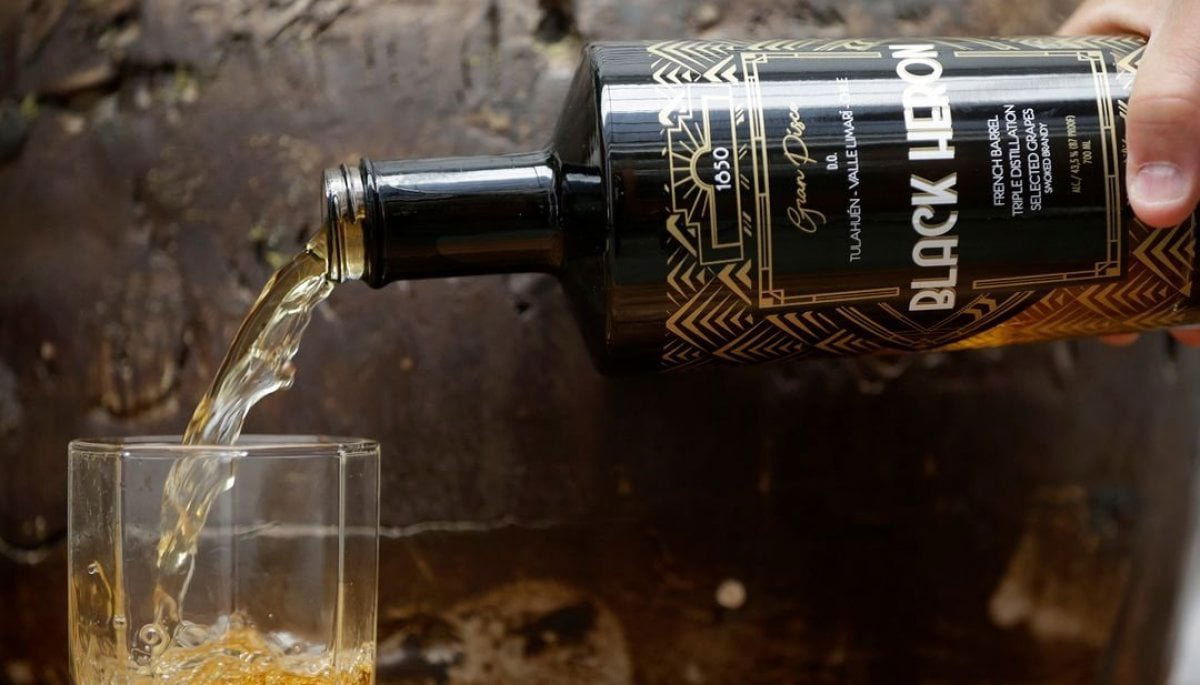
About Black Heron Pisco Distillery
Black Heron Pisco Distillery is worth planning around if the goal is a focused pisco stop in Coquimbo rather than a flexible wine-country crawl. It suits small, occasion-minded groups that value a destination visit, but travelers who need easy booking, published pricing, or a broader tasting route should cross-shop nearby pisco and winery options first.
For Black Heron Pisco Distillery in Coquimbo, the decision is mainly about whether a pisco-distillery stop fits your itinerary. The verified essentials are direct: it is in Coquimbo, it has casual dress, it holds 2 Star Prestige (2025). Treat it as a planned daytime stop rather than a page with enough verified detail to promise a particular tour format, tasting style, price, or service experience.
The value question is practical: without a verified price, menu, tour format, or reservation policy, the safest approach is to judge the visit by your interest in the venue itself and by its published opening hours. It may suit travelers who specifically want Black Heron Pisco Distillery on the schedule; it is less useful as a fully specified planning page for anyone comparing detailed tastings, costs, or group options.
Book this for pisco focus, not a general Coquimbo tasting crawl
The strongest verified case is specificity. Black Heron Pisco Distillery is a pisco distillery in Coquimbo, so it suits travelers who want their plan centered on that venue rather than on a broad restaurant, bar, hotel, or wine itinerary. Details such as pricing, visit length, tasting format, group capacity are not verified here, so keep expectations flexible.
For planning, the useful confirmed information is the schedule: Monday to Friday from 9 AM to 5 PM, Saturday from 10 AM to 2 PM, Sunday closed. That pattern favors daytime planning. If the visit is part of a wider Coquimbo trip, pair the planning with Our full Coquimbo wineries guide, then use Our full Coquimbo restaurants guide, Our full Coquimbo hotels guide, Our full Coquimbo bars guide, Our full Coquimbo experiences guide to avoid building the whole day around one stop without checking current details directly.
Who should choose it over another Chilean drinks stop
Choose Black Heron Pisco Distillery if the appeal is a pisco-focused stop in Coquimbo with 2 Star Prestige (2025) recognition. If you are comparing other venues, consider Black Heron Pisco Distillery alongside Fundo Los Nichos, Pisco Mal Paso, Pisco Waqar Distillery, Pisquera Casa Juliá, or Viña Tabalí, depending on the kind of Chilean drinks itinerary you are building. For other dining in Coquimbo, compare generically rather than assuming the same format, pricing, or visit style.
Frequently Asked Questions
Is Black Heron Pisco Distillery worth visiting?
It may be worth considering if you specifically want a pisco-distillery stop in Coquimbo. The clearest verified signal is 2 Star Prestige (2025). Pricing, tasting format, detailed visitor services are not verified here, so check current details directly before making it the anchor of a trip.
Do I need a reservation at Black Heron Pisco Distillery?
A reservation policy is not verified here. The confirmed hours are Monday to Friday from 9 AM to 5 PM, Saturday from 10 AM to 2 PM, Sunday closed. Plan within those windows and confirm any visit requirements directly before going.
Can Black Heron Pisco Distillery handle large groups?
Group capacity is not verified here. If you are planning for several people, confirm directly before visiting. If your group wants to compare other Chilean drinks options, Viña Tabalí is another venue to consider, but do not assume the same format or visitor setup.
How long should I plan for a visit to Black Heron Pisco Distillery?
A specific visit length is not verified here. Build in enough time for a daytime stop in Coquimbo and avoid a tight schedule unless you have confirmed the current visit format directly with the venue.
When is the best time to visit Black Heron Pisco Distillery?
Weekdays offer the broadest confirmed opening window: Monday to Friday from 9 AM to 5 PM. Saturday is shorter, from 10 AM to 2 PM, Sunday is closed. If you are comparing options, Fundo Los Nichos is another Chilean spirits venue to consider, while Black Heron Pisco Distillery remains the pisco-focused Coquimbo choice on this page.
Location
Vicuña Mackenna s/n, Tulahuén, Monte Patria, Coquimbo Region, Chile
Coquimbo, Chile
Compare Black Heron Pisco Distillery
| Venue | Location | Awards |
|---|---|---|
| Black Heron Pisco Distillery | Coquimbo | Pearl 2 Star Prestige (2025) |
| Pisco Waqar Distillery | Tulahuén | , |
| Pisquera Casa Juliá | Ovalle | , |
| Pisco Mal Paso | Vicuña | , |
| Viña Tabalí | Ovalle | , |
| Fundo Los Nichos | Pisco Elqui | , |
How Black Heron Pisco Distillery Coquimbo compares with similar nearby venues.
Also Consider
- Pisco Waqar Distillery, Notable alternative
- Pisquera Casa Juliá, Notable alternative
- Pisco Mal Paso, Notable alternative
- Viña Tabalí, Notable alternative
- Fundo Los Nichos, Notable alternative
How it compares in Coquimbo
Black Heron Pisco Distillery is the stronger pick for travelers who want a focused pisco-led stop and are willing to plan around a harder booking. Pisco Waqar Distillery and Pisquera Casa Juliá are better cross-shops if the goal is to compare pisco producers before deciding where the value sits, especially when published pricing is not the main decision tool.
For a more flexible regional drinks day, Pisco Mal Paso and Fundo Los Nichos may make more sense as alternatives to check first, particularly for groups that care about ease and ambiance as much as the spirit itself. Black Heron is easier to justify when the visit is the centerpiece, not one stop among several.
If the group includes wine drinkers, Viña Tabalí is the cleaner comparison: choose it for a wine-focused outing, choose Black Heron for pisco specificity. For a celebration, the decision comes down to format rather than price alone: spirits-focused guests should prioritize Black Heron, mixed-interest groups should compare the broader regional options first.
Explore Coquimbo
Save or rate Black Heron Pisco Distillery on Pearl
Keep this venue in your Pearl passport, rate it after you visit, and track it alongside every other place you collect.