
Wynns Coonawarra Estate
Coonawarra
Winery in Coonawarra, Australia
 Book with Pearl
The Read
Terra Rossa Long-Game
Why go
Prioritise Wynns Coonawarra Estate for a serious Coonawarra wine visit, especially for a date, celebration, or business-hosting itinerary. Booking difficulty is high, so it suits planners more than spontaneous visitors. If access is tight, cross-shop Penley Estate, Majella Wines, Katnook Estate, Balnaves of Coonawarra, or Parker Coonawarra Estate.
About Wynns Coonawarra Estate
Wynns Coonawarra Estate is a Coonawarra venue with confirmed Pearl 3 Star Prestige recognition for 2025. This is a premium listing, and visitors should confirm details like pricing, booking difficulty, menus, group capacity, or service format directly with the venue before making plans.
The dress code is smart casual, which gives visitors a practical baseline for planning. Beyond that, details such as opening hours, reservations, specific experiences, and on-site offerings should be checked directly with the venue before making plans.
A Coonawarra stop to plan around, not add at the last minute
Visitors should confirm details for Wynns Coonawarra Estate in advance rather than assuming the details of a visit. Key information includes its Pearl 3 Star Prestige recognition in 2025, its Coonawarra location, and a smart casual dress code.
If you are comparing Coonawarra options, other relevant names include Penley Estate, Majella Wines, Katnook Estate, Balnaves of Coonawarra, and Parker Coonawarra Estate. Use those comparisons for itinerary research, but confirm each venue's current access, hours, and visitor details directly.
Who should choose this over another Coonawarra venue
Choose Wynns Coonawarra Estate if you are prioritising a Coonawarra venue with confirmed Pearl 3 Star Prestige recognition and you are comfortable checking the practical details before visiting. The smart casual dress code also makes it better suited to visitors who want to be neatly prepared rather than relying on assumptions.
For wider planning, compare it with Balnaves of Coonawarra, Katnook Estate, Majella Wines, Parker Coonawarra Estate, and Penley Estate, or look more broadly at other Coonawarra venues. Avoid relying on assumptions about services, timing, or format until the venue confirms them.
Planning details
- Location
- 77 Memorial Dr, Coonawarra SA 5263
- Website
- wynns.com.au
- Phone
- +61 8 8736 2225
The take
The Take
The Vibe
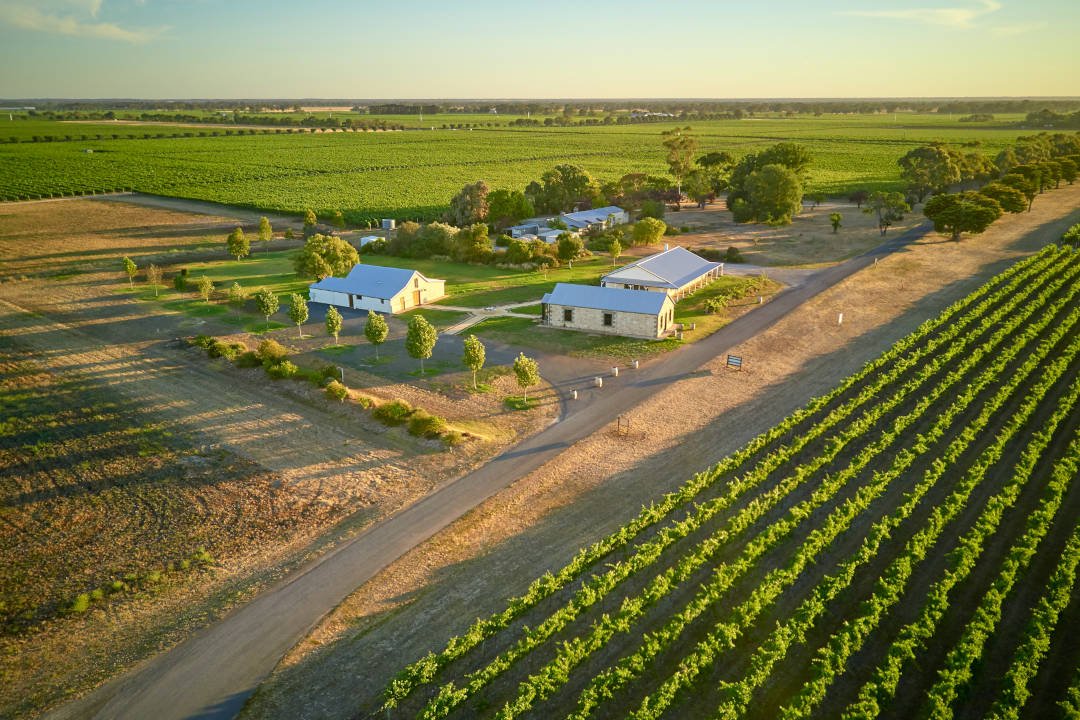
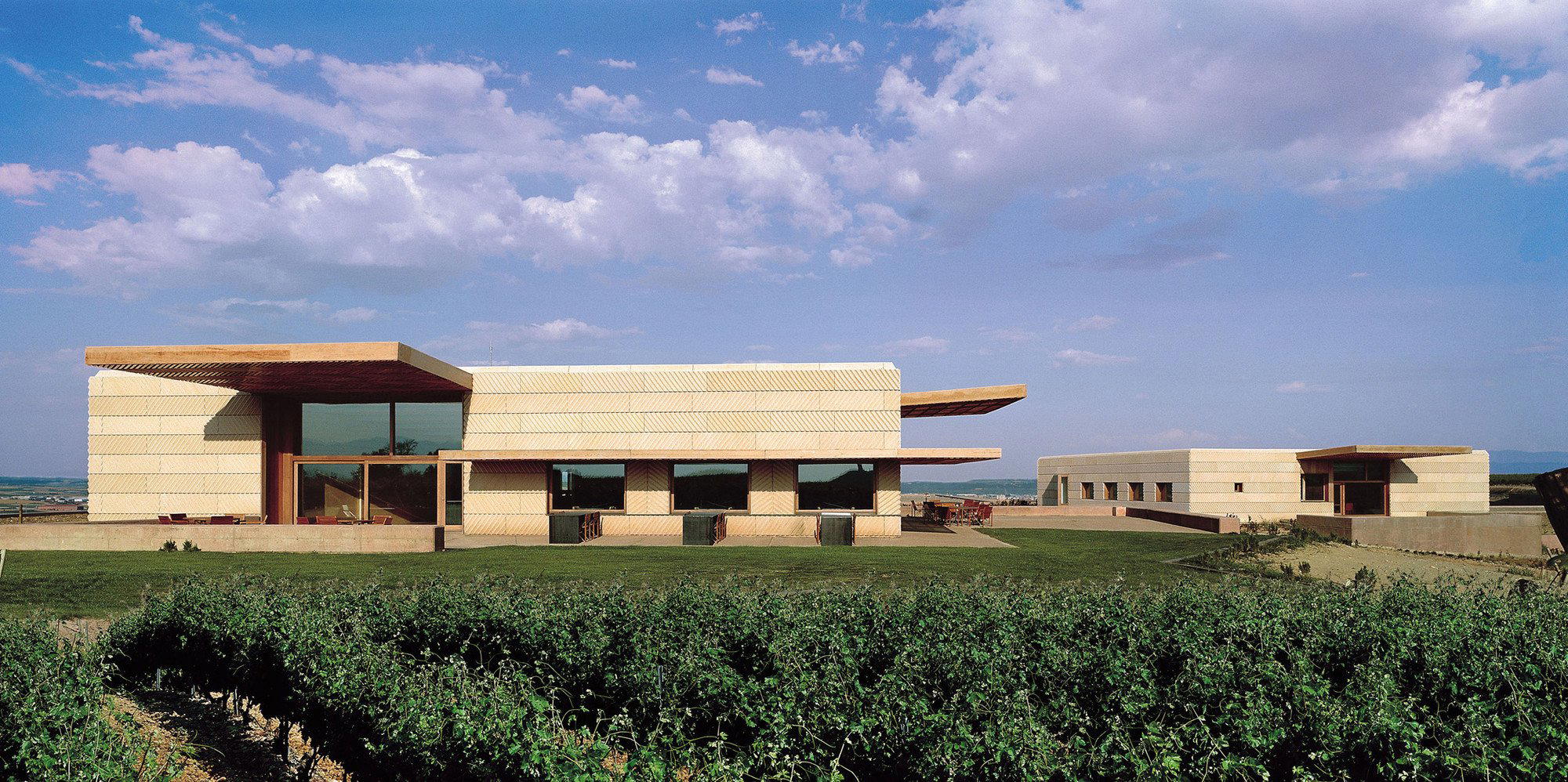
Wynns Coonawarra Estate reads as a place with deep provenance: the gabled stone winery and century-plus presence anchor it as a regionally important landmark. The writing on the land — the narrow terra rossa strip and limestone subsoil — is the primary architectural element here; the estate’s character derives as much from geology and vineyard aspect as from human design. Editorially, Wynns feels cultivated and quietly authoritative, the sort of winery whose prestige is earned through continual demonstration of site expression and longevity rather than flash. Visitors encounter history written into both building and soil.
Best For
Wynns suits visitors who come to understand place as much as wine. The cellar door is the logical entry point for tasting and for conversations about Coonawarra’s distinct soil, coastal influence and how those factors shape Cabernet Sauvignon. The estate’s standing and recent Pearl 3 Star Prestige recognition make it appropriate for milestone visits and serious wine-focused exploration: tastings that emphasize terroir, comparative vintages, and estate expression. It’s a destination stop on any Coonawarra itinerary for those prioritizing education and provenance.
Tasting Tips
At the cellar door, orient your tasting toward the estate’s Cabernet-driven identity: ask to try examples that showcase the terra rossa’s structure and maritime-accented acidity. Inquire about vintage variation and how cooler, wetter years differ from riper seasons — the description stresses hang time and acid lines, so staff can guide a vintage comparison. Given Wynns’s role as a benchmark Coonawarra estate, prioritize estate-labelled or region-specific bottlings that illustrate site expression rather than generic varietal examples.
Venue details
Ambiance
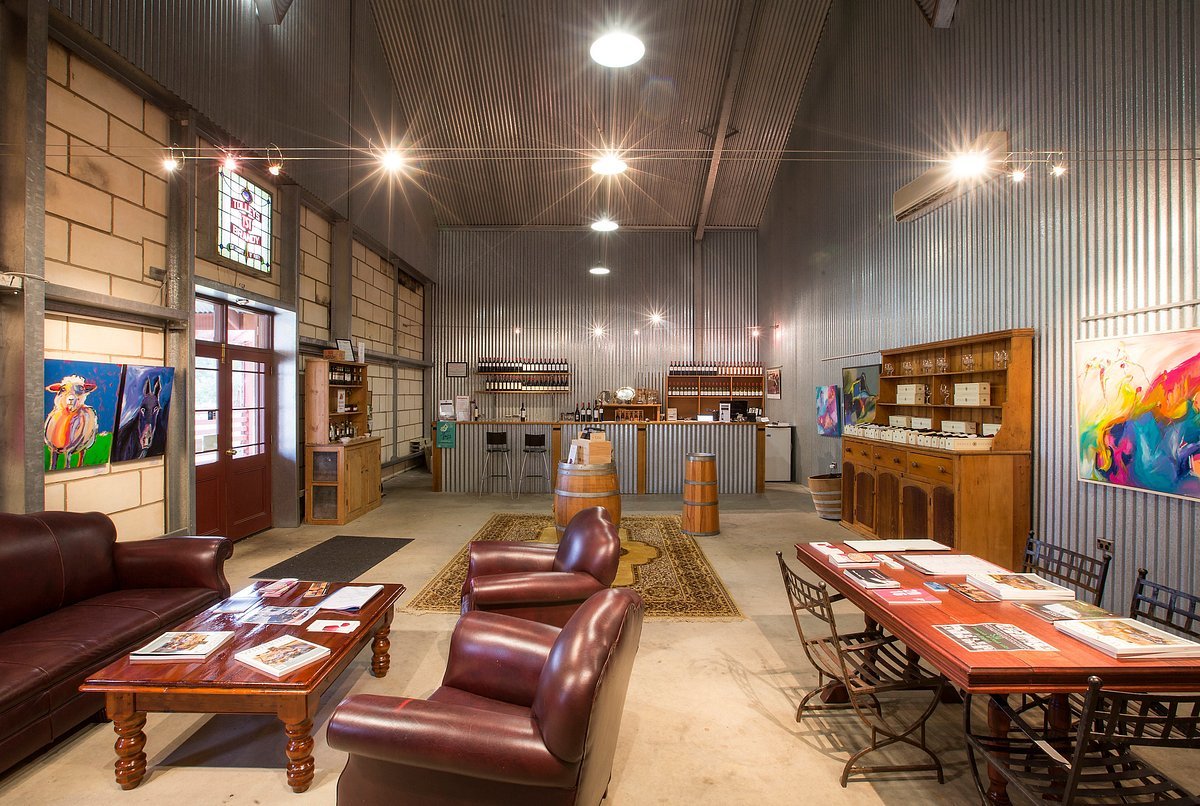
Historic and elegant with a stunning tasting room featuring a long wood table outlining the Terra Rossa region, knowledgeable staff, and a welcoming atmosphere amid beautiful grounds.
Tags
Vibe
Best For
Experience
View
At the Vineyard
- Appellation
- Coonawarra
- Varietals
- Cabernet Sauvignon, Shiraz
- Tour Duration
- 60-90 minutes
- Visits
- Walk-ins welcome
- Production
- Large producer
- Wine Styles
- Still Red
- Wine Club
- Not available
Know before you go
Know Before You Go
- Getting there
- 77 Memorial Dr, Coonawarra SA 5263
Planning details
Location
Recognition and awards

Also consider
Where to go if this is full
If access does not line up, start with Penley Estate or Majella Wines for a Coonawarra tasting plan that should feel less dependent on one difficult booking. For a more comparative route, add Katnook Estate, Balnaves of Coonawarra, or Parker Coonawarra Estate.
Winery context
How it compares in Coonawarra
Wynns Coonawarra Estate is the anchor choice when the visit needs to feel serious and occasion-worthy. Against Penley Estate and Majella Wines, it is the stronger pick for visitors who want a prestige-led Coonawarra stop rather than a looser tasting route. The trade-off is access: with booking difficulty marked Near Impossible, it is not the easy option.
For value, think in itinerary terms rather than bottle-price terms. If one hard-to-secure appointment is the point of the day, Wynns Coonawarra Estate earns the slot. If the goal is to taste across more producers with less pressure, Katnook Estate, Balnaves of Coonawarra, and Parker Coonawarra Estate are better cross-shops for a broader Coonawarra day.
Ambiance also points to different use cases. Choose Wynns Coonawarra Estate for a composed, wine-first occasion. Choose Penley Estate or Majella Wines when flexibility matters more, and add Katnook Estate, Balnaves of Coonawarra, or Parker Coonawarra Estate when the day should feel like a regional comparison rather than a single flagship appointment.
Explore Coonawarra
Around this place
Discover more on Pearl
Unlock the full Wynns Coonawarra Estate guide in Pearl, including awards, comparisons, FAQs, planning details, and nearby places.
Compare Wynns Coonawarra Estate
| Venue | Location | Awards |
|---|---|---|
| Wynns Coonawarra Estate | Coonawarra | 2026 Falstaff Winery Guide |
| Penley Estate | Coonawarra | 2026 Falstaff Winery Guide |
| Majella Wines | Coonawarra | 2026 Falstaff Winery Guide |
| Katnook Estate | Coonawarra | 2026 Falstaff Winery Guide |
| Balnaves of Coonawarra | Coonawarra | 2026 Falstaff Winery Guide |
| Parker Coonawarra Estate | Coonawarra | 2026 Falstaff Winery Guide |
How Wynns Coonawarra Estate compares with similar nearby venues.
FAQ
Frequently Asked Questions
How long should I plan for a visit to Wynns Coonawarra Estate?
When is the best time to visit Wynns Coonawarra Estate?
The best time to visit is not specified. Check the venue's current guidance before arranging a visit to Coonawarra.
What other Coonawarra venues can I compare with Wynns Coonawarra Estate?
Relevant Coonawarra names to compare include Penley Estate, Majella Wines, Katnook Estate, Balnaves of Coonawarra, and Parker Coonawarra Estate. Confirm current visitor details with each venue before finalising plans.
Are membership or special-access details confirmed for Wynns Coonawarra Estate?
Can Wynns Coonawarra Estate handle large groups?
Group capacity or arrangements are not specified. Contact Wynns Coonawarra Estate directly before planning for a larger party.