

Winery in Conselve, Italy
Distillerie Bonollo
500Pearl PointsFocused spirits stop
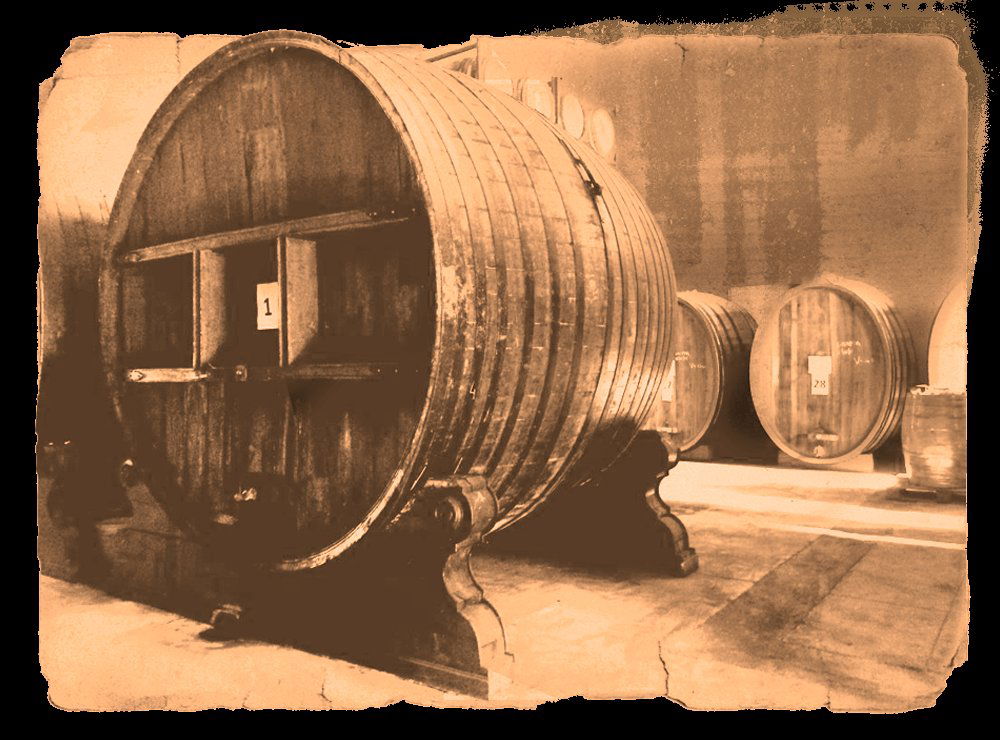
About Distillerie Bonollo
Distillerie Bonollo is worth prioritising if the goal is a focused Italian spirits stop near Conselve, not a casual tasting-room crawl. The value is strongest for returning Veneto drinks travellers who want producer depth and are willing to plan around a harder-to-secure visit.
For planning around Distillerie Bonollo in Conselve, keep the page grounded in the few details that are confirmed. The venue is listed in Conselve, the dress code is casual, it holds Pearl 2 Star Prestige (2025) recognition.
The verdict: consider it a priority only if Distillerie Bonollo itself is the reason for the stop. Specific visitor details such as hours, pricing, services, menu or visit format, group capacity, booking process are not verified here, so the safest approach is to confirm practical arrangements directly before building an itinerary around it.
Choose it for a focused Conselve stop, not an over-specified itinerary
Distillerie Bonollo is best treated as a named Conselve venue with limited verified public planning detail. That makes it a better fit for travellers who are comfortable confirming logistics in advance than for anyone who needs a fully documented schedule.
For trip planning around the area, compare it with other Conselve options generically rather than assuming unverified details. For comparison with other relevant names, consider Aperol (Barbieri), Distilleria F.lli Brunello, Distilleria Moccia, Fratelli Barbieri, Luxardo.
What the value decision comes down to
The practical value decision is simple: choose Distillerie Bonollo when the venue name, Conselve location, casual dress code, Pearl 2 Star Prestige (2025) recognition are enough reason to plan ahead. If your group needs confirmed details on format, services, timing, pricing, or capacity before committing, verify those points directly first.
Quick reference: treat Distillerie Bonollo as a Conselve venue worth advance confirmation, with casual dress and Pearl 2 Star Prestige (2025) recognition as the confirmed planning cues.
Frequently Asked Questions
Does Distillerie Bonollo offer shipping?
Shipping and service details are not verified here. The confirmed details are that Distillerie Bonollo is in Conselve, has a casual dress code, holds Pearl 2 Star Prestige (2025) recognition. Check the venue's official channels for the latest details.
Can Distillerie Bonollo handle large groups?
Group capacity and visit format are not verified here, so do not assume that large groups can be accommodated without confirmation. Check the venue's official channels for the latest details.
What is Distillerie Bonollo best known for?
No verified product, menu, or service specialty is listed for Distillerie Bonollo in the available facts. Use only the confirmed planning cues: Conselve location, casual dress code, Pearl 2 Star Prestige (2025) recognition. Check the venue's official channels for the latest details.
Is there a club or membership program at Distillerie Bonollo?
No verified club or membership detail is available here, so this page cannot assess membership value. Confirm any club, mailing-list, or purchase program directly with the venue before making plans.
When is the best time to visit Distillerie Bonollo?
Specific hours and ideal visit times are not verified here. Plan around confirmed facts only: Distillerie Bonollo is in Conselve, the dress code is casual, it holds Pearl 2 Star Prestige (2025) recognition. Check the venue's official channels for the latest details.
How long should I plan for a visit to Distillerie Bonollo?
Visit length is not verified here. Confirm the expected format and timing directly with Distillerie Bonollo before setting your schedule.
Do I need a reservation at Distillerie Bonollo?
Reservation requirements are not verified here. Because access and format details are not confirmed, check the venue's official channels before visiting.
Location
Via Padova, 74, 35026 Conselve PD
Conselve, Italy
Compare Distillerie Bonollo
| Venue | Location | Awards |
|---|---|---|
| Distillerie Bonollo | Conselve | Pearl 2 Star Prestige (2025) |
| Luxardo | Torreglia | , |
| Aperol (Barbieri) | Padua | , |
| Fratelli Barbieri | Padua | , |
| Distilleria F.lli Brunello | Montegalda | , |
| Distilleria Moccia | Ferrara | , |
How Distillerie Bonollo Conselve compares with similar nearby venues.
Also Consider
- Luxardo, Notable alternative
- Aperol (Barbieri), Notable alternative
- Fratelli Barbieri, Notable alternative
- Distilleria F.lli Brunello, Notable alternative
- Distilleria Moccia, Notable alternative
How it compares in the Veneto spirits set
Distillerie Bonollo is the pick when the trip needs a serious producer anchor rather than the easiest name to slot into a loose afternoon. Luxardo is the better cross-shop for travellers who want broader brand recognition and a more obvious heritage-drinks reference point, while Aperol (Barbieri) makes more sense for visitors chasing a familiar aperitivo name over a narrower distillery visit.
For value, the question is how much focus the group actually wants. Fratelli Barbieri and Distilleria F.lli Brunello are stronger alternatives if the priority is keeping the day flexible and comparison-led. Distillerie Bonollo is the more compelling call when the visit itself is the reason for the detour, not filler between meals.
If availability becomes the blocker, Distilleria Moccia is the peer to keep in the mix for a different Italian distillery angle. Choose Bonollo for a tighter, more intentional stop; choose the peers when the group values ease, name familiarity, or a broader drinks itinerary over producer specificity.
Explore Conselve
Save or rate Distillerie Bonollo on Pearl
Keep this venue in your Pearl passport, rate it after you visit, and track it alongside every other place you collect.