
Château Saint-Maur
Cogolin
Winery in Cogolin, France
 Book with Pearl
The Read
Schist-Rooted Provençal Precision
Price
$20–30tasting
Why go
Château Saint-Maur is the Cogolin winery to prioritise when the estate setting is part of the occasion, not just a backdrop to tasting. It suits dates, celebrations, and hosted itineraries better than last-minute wine touring, especially given the difficult booking profile and limited confirmed public detail on food, shipping, or club terms.
About Château Saint-Maur
Château Saint-Maur is a venue in Cogolin. The essential details are direct and useful for an initial shortlist: Marc Monrose is the chef/owner, the dress code is smart casual, and the venue holds Pearl 4 Star Prestige recognition for 2025. Those points establish its place as a considered option, while still leaving finer visit details to be checked directly.
For planning, keep expectations focused on the details in hand rather than assuming a particular cuisine, menu format, service style, price point, or set of opening hours. This is especially important with a venue where surrounding expectations can easily grow faster than the practical arrangements. If you are arranging a special visit, confirm all practical details directly with the venue before building the rest of your day around it. For nearby planning, you can also use our full Cogolin restaurants guide.
Book it for essentials, not assumptions
The strongest reasons to keep Château Saint-Maur on a shortlist are its Cogolin location, its smart casual dress code, Marc Monrose's role as chef/owner, and its Pearl 4 Star Prestige recognition for 2025. Taken together, these details give useful starting points for planning. Beyond that, ask directly about cuisine, tasting format, food service, beverage program, private-event capacity, and pricing before making plans.
That means the safest approach is to treat Château Saint-Maur as a venue that requires direct confirmation before you commit to a detailed itinerary. Ask the venue about current availability, service details, and any requirements for your visit, especially if you are planning for a date, celebration, or business-host setting. A quick check in advance can prevent the common planning mistake of assuming that a recognized venue automatically matches the format you have in mind.
The smart casual dress code is one of the clearest practical signals. It gives guests a useful baseline for how to arrive without implying anything more specific about the experience itself. Marc Monrose's chef/owner role is also worth noting, because it identifies the person associated with the venue while still leaving the actual current offer to be checked directly. The Pearl 4 Star Prestige recognition for 2025 adds another point of distinction, but it should not be stretched into claims about dishes, service sequence, or occasion type.
How to plan the rest of the day
Keep the itinerary simple and leave room for final arrangements. Cogolin can work as a base for a planned outing, but do not assume lunch service, dinner service, opening hours, transport details, or nearby add-ons for Château Saint-Maur. Make meal, hotel, or bar plans separately and confirm times before you go. In practice, that means treating the venue as one anchor in the day only after you have checked the exact details that matter to your group.
If you are comparing the venue with other château or domaine options, consider Château Sainte-Roseline, Château de Brégançon, Château de Rayne-Vigneau, Château de Saint-Martin, or Domaine de la Sanglière as separate points of reference rather than assuming they offer the same format or are part of the same local dining scene. The names may sit comfortably in the same broad mental category, but each should be researched on its own terms, with its own current arrangements checked before you make plans.
Quick reference: choose Château Saint-Maur for a Cogolin venue with Marc Monrose as chef/owner, smart casual dress, and Pearl 4 Star Prestige recognition for 2025; confirm all service details directly before planning around it.
Planning details
- Location
- Route D48, 535 Rte de Collobrières, 83310 Cogolin
- Website
- chateausaintmaur.com
- Phone
- +33 4 94 95 48 48
The take
The Take
The Vibe
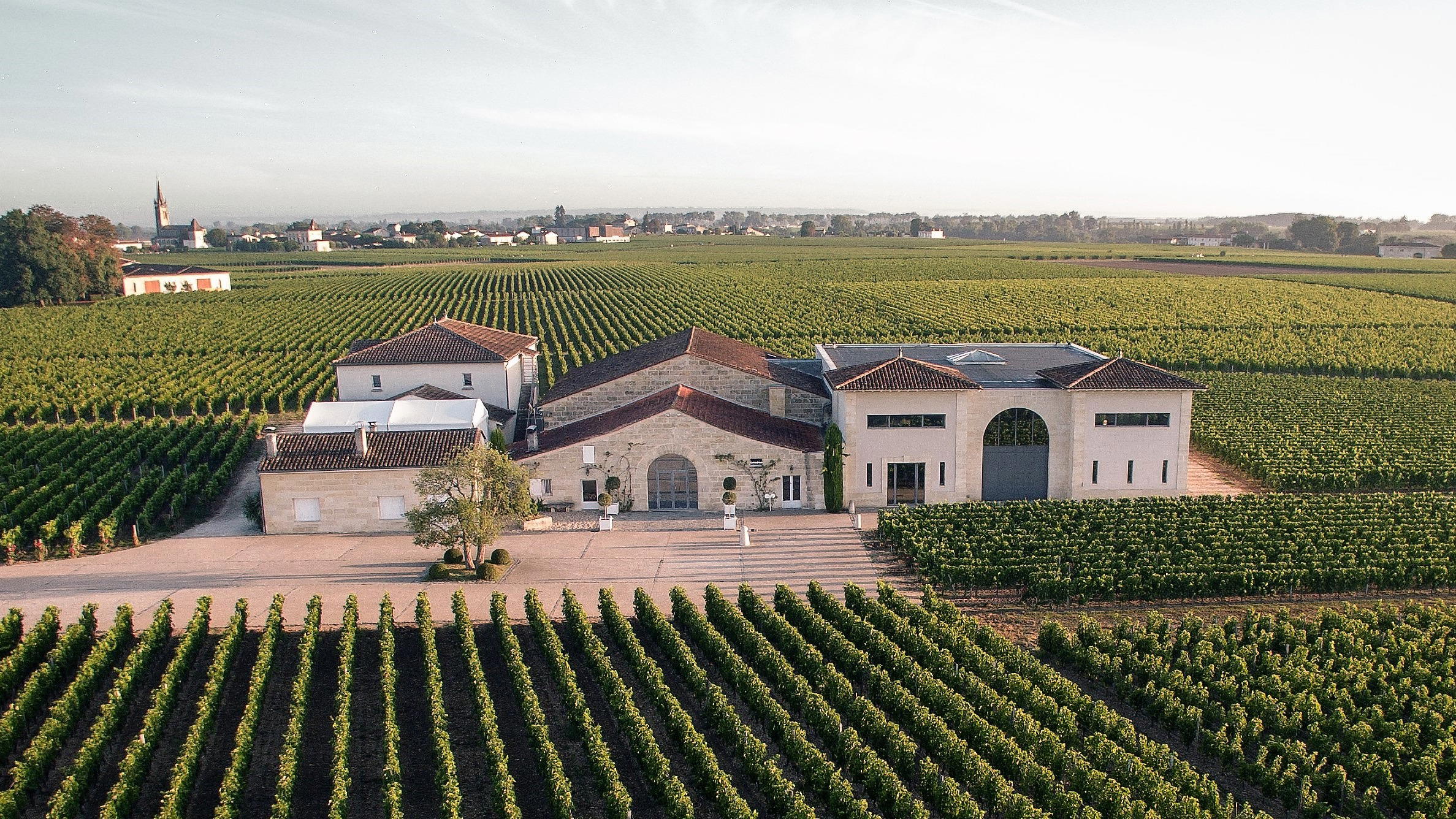
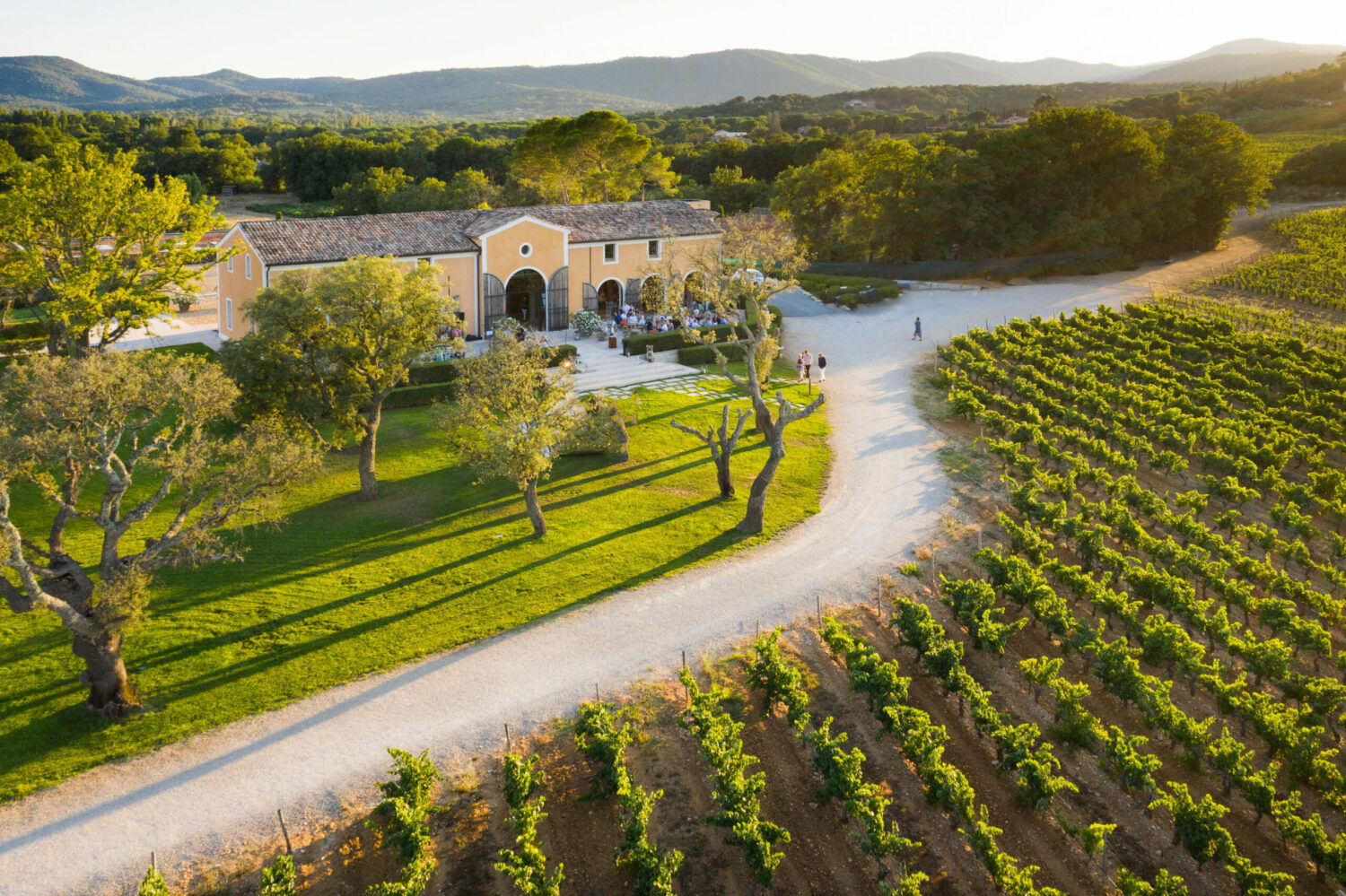
Château Saint-Maur presents a subdued, terroir-first personality. Set where the Maures Massif meets the vine and surrounded by cork oak, the estate emphasizes agricultural rigor and mineral-driven wines rather than seaside glamor. Visitors encounter an introspective atmosphere: quieter roads, schist-rich soils, and a focus on vine health that shapes everything from yields to flavor. This is Provence away from the coast’s photogenic clichés — a calm, reserved place where landscape and geology do the talking and the sensory experience is shaped more by soil and structure than by panoramic vistas or designer staging.
Best For
This estate suits visitors who come for learning and for moments that merit a bit more seriousness. Château Saint-Maur reads as a destination for wine education and deliberate tasting: its schist and gneiss soils, winemaking focus and a recent Pearl 4 Star Prestige award all point to wines made with precision and intention. It is a good fit for those seeking an inward-looking Provençal experience — tasting terroir-driven bottlings and exploring how inland Var differs from the region’s coastal rosés — rather than for travelers after seaside spectacle.
Tasting Tips
Prioritize the estate’s most serious bottlings and any wines flagged as prestige or single-vineyard expressions: the description highlights a Pearl 4 Star Prestige award and a winemaking approach tuned to low yields and mineral structure. Expect wines that show tighter structure and less overt fruit than coastal rosés; look for descriptors like schist-driven minerality or depth. When tasting, steer conversation toward vineyard sites, soils and the producer’s approach to stress and yields to better appreciate what sets these inland Var wines apart.
Venue details
Ambiance
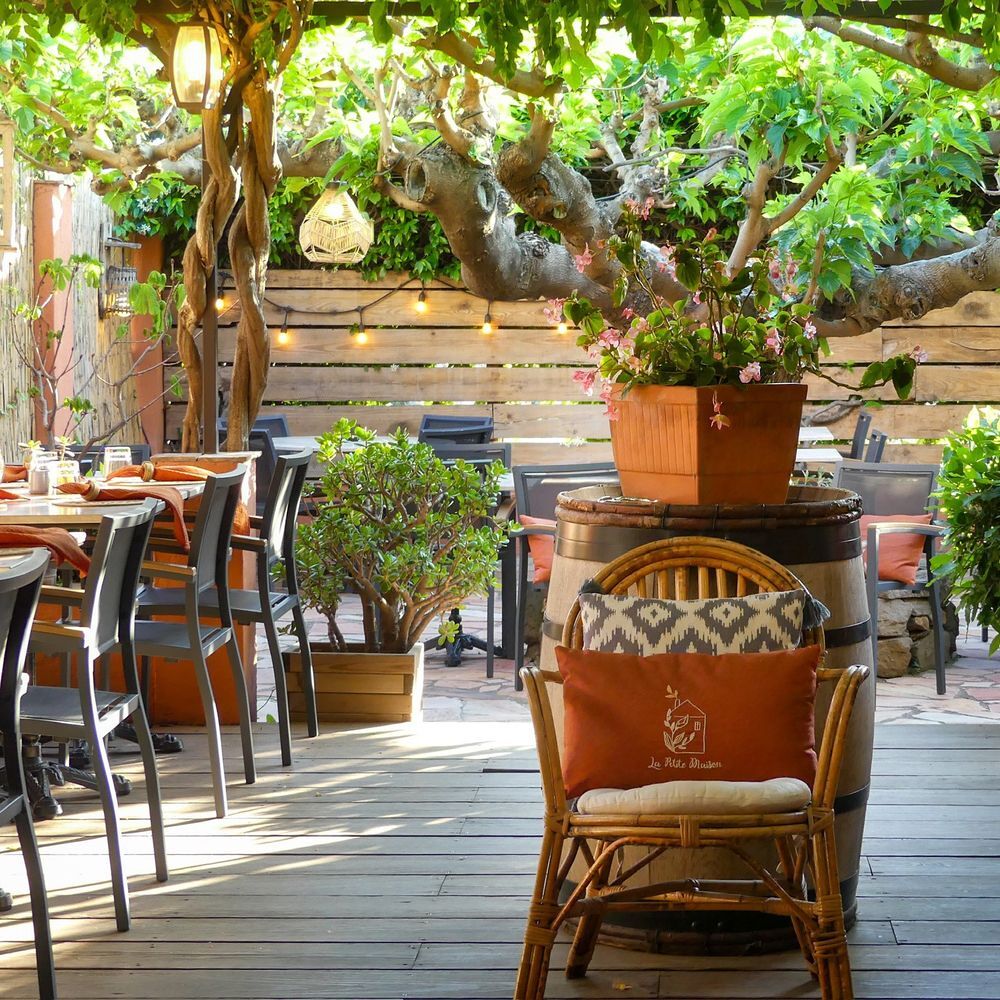
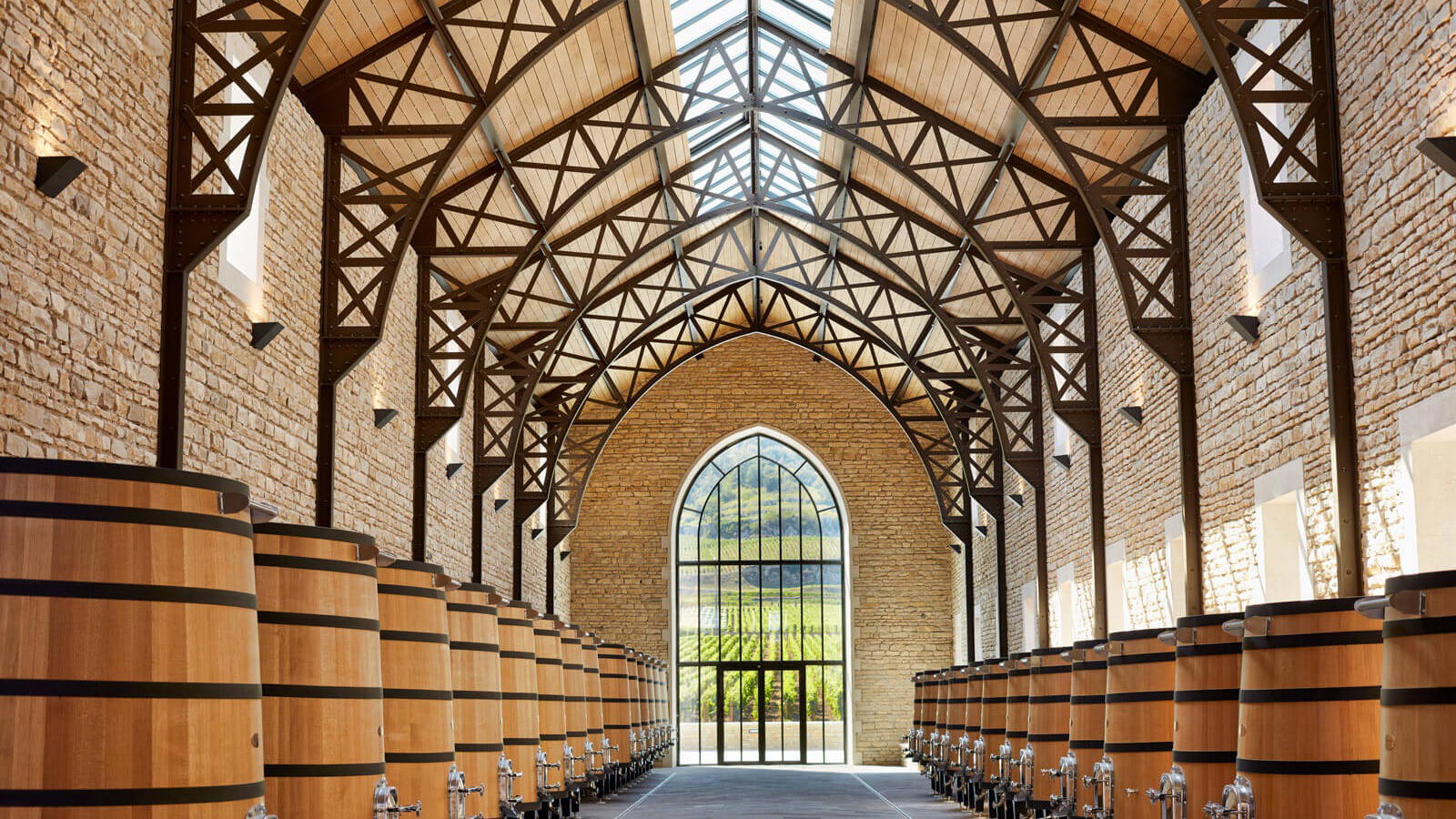
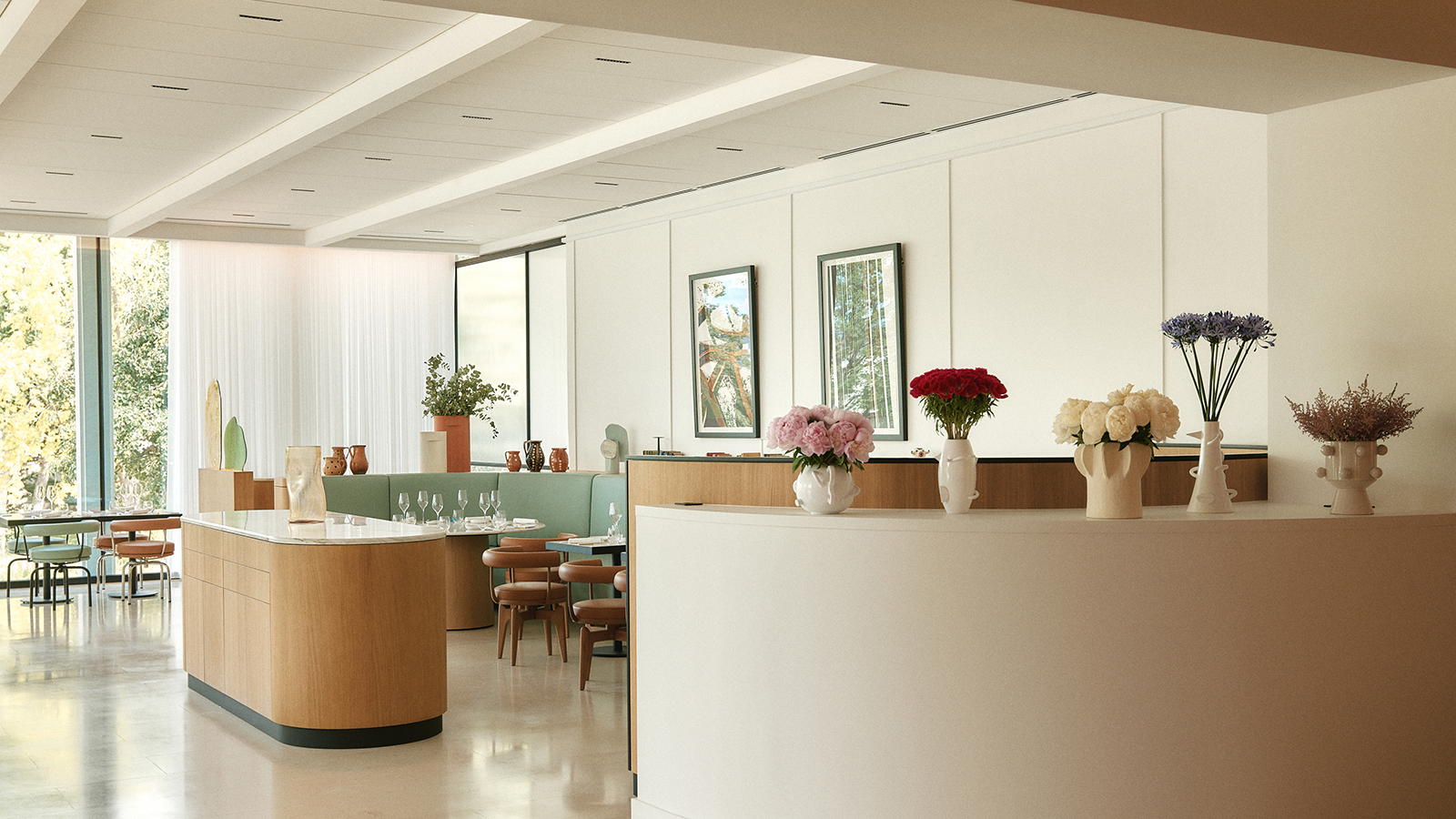
Luxurious sensory experience amid Provençal vineyards with modern high-tech cellars, terrace tastings, and views over the vineyards.
Tags
Vibe
Best For
Experience
Sourcing
View
At the Vineyard
- Appellation
- Côtes de Provence Cru Classé
- Varietals
- Cinsault, Syrah, Grenache, Rolle, Mourvèdre
- Tour Duration
- 45-90 minutes
- Tour Languages
- French, English
- Visits
- By reservation
- Farming
- Sustainable
- Wine Styles
- Still Rose, Still White, Still Red
- Food Pairing
- Offered
- Wine Club
- Not available
Know before you go
Know Before You Go
- Getting there
- Route D48, 535 Rte de Collobrières, 83310 Cogolin
Planning details
Location
Recognition and awards
Also consider
Where to look if Château Saint-Maur is full
Try Château Sainte-Roseline if the priority is another Provence estate experience with a similar sense of occasion. Try Domaine de la Sanglière if the goal is to keep a wine stop in the coastal Provence orbit without making the day revolve around one difficult booking.
Winery context
How Château Saint-Maur compares in the wider wine set
Choose Château Saint-Maur when Cogolin is the base and the visit needs to feel polished rather than transactional. Château de Saint-Martin and Château Sainte-Roseline are stronger cross-shops for readers willing to drive for another Provence estate mood, while Château Saint-Maur makes more sense when staying close to Cogolin matters.
Château de Brégançon and Domaine de la Sanglière are useful alternatives if availability is the deciding factor. With Château Saint-Maur carrying a much harder booking signal, those peers are better backup targets for travellers who cannot lock plans early.
Château de Rayne-Vigneau sits outside the immediate Cogolin frame and is a different kind of wine-country comparison. Cross-shop it for a broader château itinerary, not as a same-day substitute. For a special-occasion Provence stop, Château Saint-Maur remains the more relevant pick if the schedule is centred on Cogolin.
Explore Cogolin
Around this place
Discover more on Pearl
Unlock the full Château Saint-Maur guide in Pearl, including awards, comparisons, FAQs, planning details, and nearby places.
Compare Château Saint-Maur
| Venue | Location | Awards |
|---|---|---|
| Château Saint-Maur | Cogolin | 2025 Pearl 4 Star Prestige |
| Château de Rayne-Vigneau | Taradeau | 2025 Pearl 4 Star Prestige |
| Château de Saint-Martin | La Motte | 2025 Pearl 2 Star Prestige |
| Château de Brégançon | Saint-Cyr-sur-Mer | 2025 Pearl 2 Star Prestige |
| Château Sainte-Roseline | Les Arcs | 2025 Pearl 4 Star Prestige |
| Domaine de la Sanglière | Bormes-les-Mimosas | 2025 Pearl 3 Star Prestige |
How Château Saint-Maur compares with similar nearby venues.
FAQ
Frequently Asked Questions
When is the best time to visit Château Saint-Maur?
Opening hours and ideal visit times should be checked directly with the venue. Château Saint-Maur is in Cogolin, so confirm current availability before planning your day.
Does Château Saint-Maur offer shipping or delivery?
Does Château Saint-Maur offer a membership or purchase program?
Château Saint-Maur holds Pearl 4 Star Prestige recognition for 2025. Any membership or purchase details should be checked directly with the venue.
How long should I plan for a visit to Château Saint-Maur?
Are specific menu items or products identified for Château Saint-Maur?
Ask the venue directly for current recommendations on menu items, products, or signature selections.
Can Château Saint-Maur handle large groups?
If you are planning for a larger party, contact Château Saint-Maur directly and confirm whether the venue can accommodate your group.