Hennessy
Cognac
Winery in Cognac, France
 Book with Pearl
The Read
Grande Maison Heritage Immersion
Price
$50–100tasting
Why go
Hennessy is the safe flagship choice in Cognac when the visit needs to feel polished, recognizable, and special-occasion appropriate. Choose it for a high-profile house experience; cross-shop Martell, Camus Cognac, or Rémy Martin if you want a different balance of intimacy, heritage feel, or availability.
About Hennessy
For Hennessy in Cognac, the venue is in Cognac, the dress code is smart casual, and it carries Pearl 4 Star Prestige recognition for 2025. Use that information as the basis for planning, rather than assuming details about formats, pricing, tours, tastings, food, or booking policies. In practical terms, that means treating it as a recognized Cognac reference point, while keeping the rest of the itinerary flexible until you have checked the venue's own current information. If you are comparing Cognac names, Camus Cognac, Martell, Rémy Martin, Courvoisier, and Augier are natural points of reference.
Choose it for a recognized Cognac listing, with limited detail
Hennessy is a name to consider in Cognac. Specific details such as visit format, menu, tasting structure, price, opening schedule, address, or service style are not available. It also does not specify whether a visit should be approached as a short stop, a longer appointment, a guided experience, or something more informal. What can be stated confidently is that Hennessy is in Cognac, has a smart casual dress code, and is listed with Pearl 4 Star Prestige recognition in 2025.
That makes it a sensible option to keep on a Cognac shortlist when recognition and dress-code expectations matter. The Pearl 4 Star Prestige recognition gives it a clear place in a comparison of notable venues, and the smart casual dress code offers a useful signal for how to prepare without being overly formal. For planning beyond that, check the venue's official channels directly before committing the day around any specific experience, because the operational details are not included here.
As a comparison set, Rémy Martin, Camus Cognac, Martell, Courvoisier, and Augier can help frame the decision without assuming that each offers the same type of visit or the same logistics. The value of looking across several Cognac names is not to treat them as interchangeable, but to see which details best suit the way you want the day to feel. The safest approach is to compare availability, current visitor information, and your group's preferences before choosing.
The decision: confirm details before building the day around Cognac
Before planning around Hennessy, confirm current availability, booking requirements, timing, pricing, and any visitor experience details directly with the venue. This is especially important if your day depends on a tight sequence of reservations, travel between stops, or a specific kind of Cognac experience. If the details do not match your plans, consider other Cognac options such as Martell, Camus Cognac, Rémy Martin, Courvoisier, or Augier, or use our full Cognac guide as a broader starting point.
Do not assume food, bar service, hotel-style amenities, or a particular itinerary structure from this listing alone. The listing supports interest in Hennessy as a recognized Cognac venue, but it does not replace the need to verify the practical pieces that shape a successful visit. Plan dining, drinks, lodging, and other activities separately, then coordinate them around whichever Cognac appointment best fits the day. For the rest of the trip, use our full Cognac restaurants guide, our full Cognac bars guide, our full Cognac hotels guide, and our full Cognac experiences guide.
Planning details
- Location
- Quai Richard Hennessy, 16100 Cognac
- Website
- hennessy.com
- Phone
- +33 5 45 35 06 44
The take
The Take
The Vibe
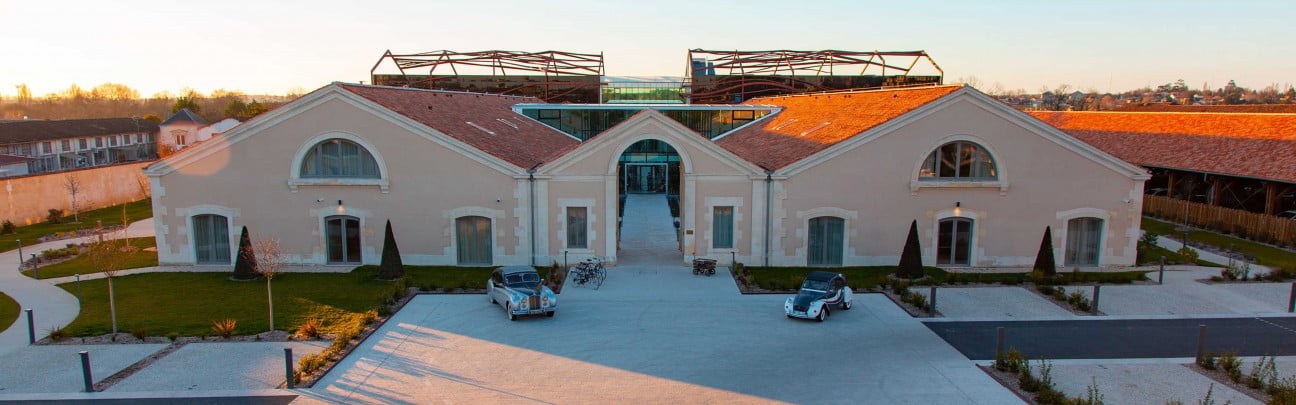
Hennessy presents a riverside gravity that feels both monumental and rooted. The maison occupies the same quay-side address on the Charente it has held since the eighteenth century, and the setting — where the river was once the trade artery of barrels — gives visits a distinctly scenic, classical quality. The house reads less like a craft boutique and more like an institutional benchmark: grand in scale, committed to a long-established blending doctrine, and quietly authoritative. Visitors encounter history and technical mastery together, where the riverfront location amplifies the sense of tradition and provenance.
Best For
This is a destination for visitors interested in serious spirits study and occasions that call for prestige. Hennessy is framed as both a reference point for Cognac and a place to engage with the house’s blending philosophy, making it especially well suited to wine-education–minded travelers, small groups seeking a definitive local experience, and special-occasion visits where a sense of history and stature matters. Because the maison represents the appellation at scale, it also works well for comparative study and benchmarking against smaller producers.
Tasting Tips
When engaging with Hennessy, orient conversations and tastings around blending rather than single-estate narratives. Ask about the house’s blending philosophy and the role of its cellar masters — the text emphasizes hereditary cellar masters and assembly across crus, vintages, and ages — and request explanations of how different eaux-de-vie are combined to achieve signature profiles. The maison’s recent EP Club Pearl 4 Star Prestige recognition signals expressions worth sampling if you want a sense of the house’s benchmark offerings.
Venue details
Ambiance
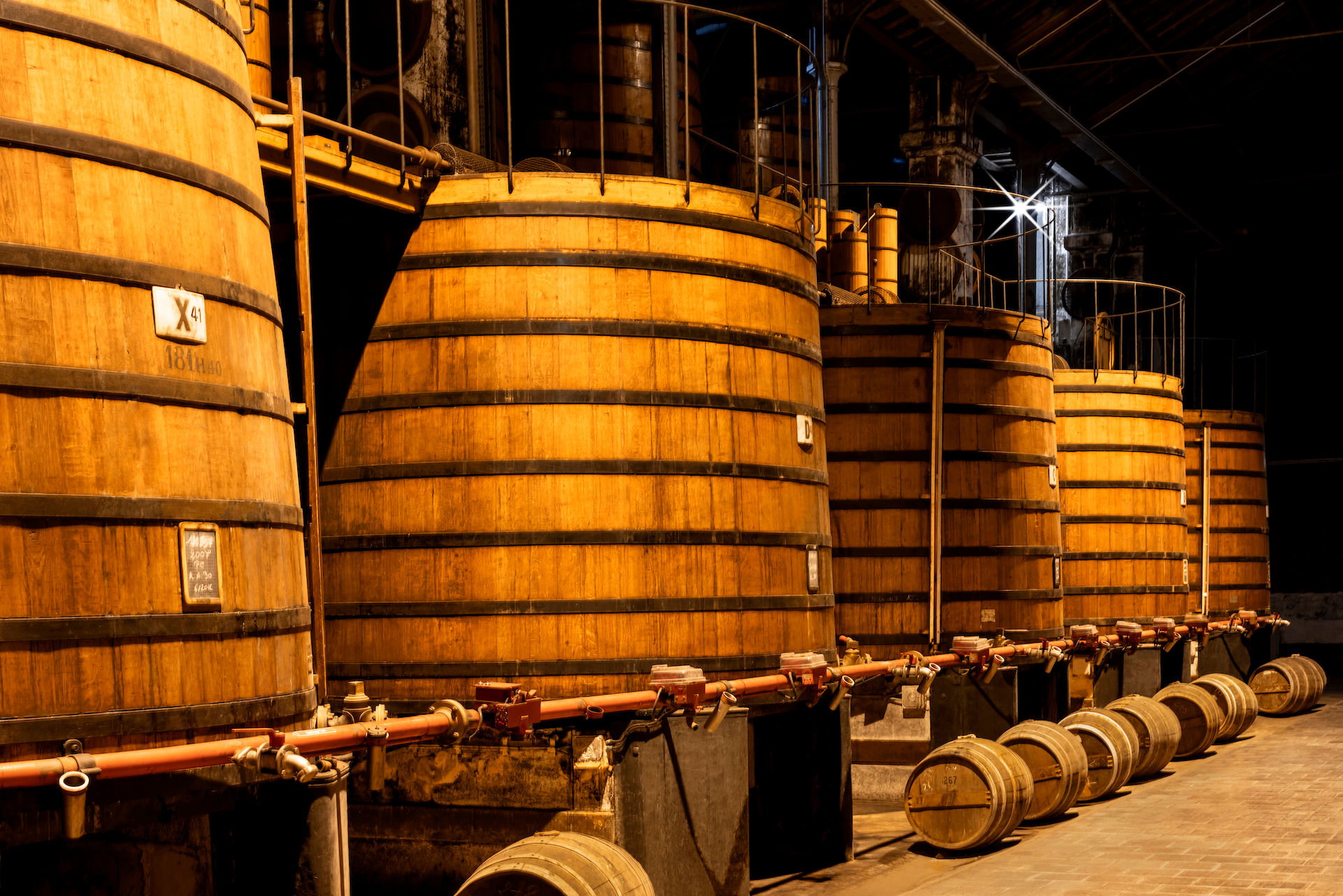
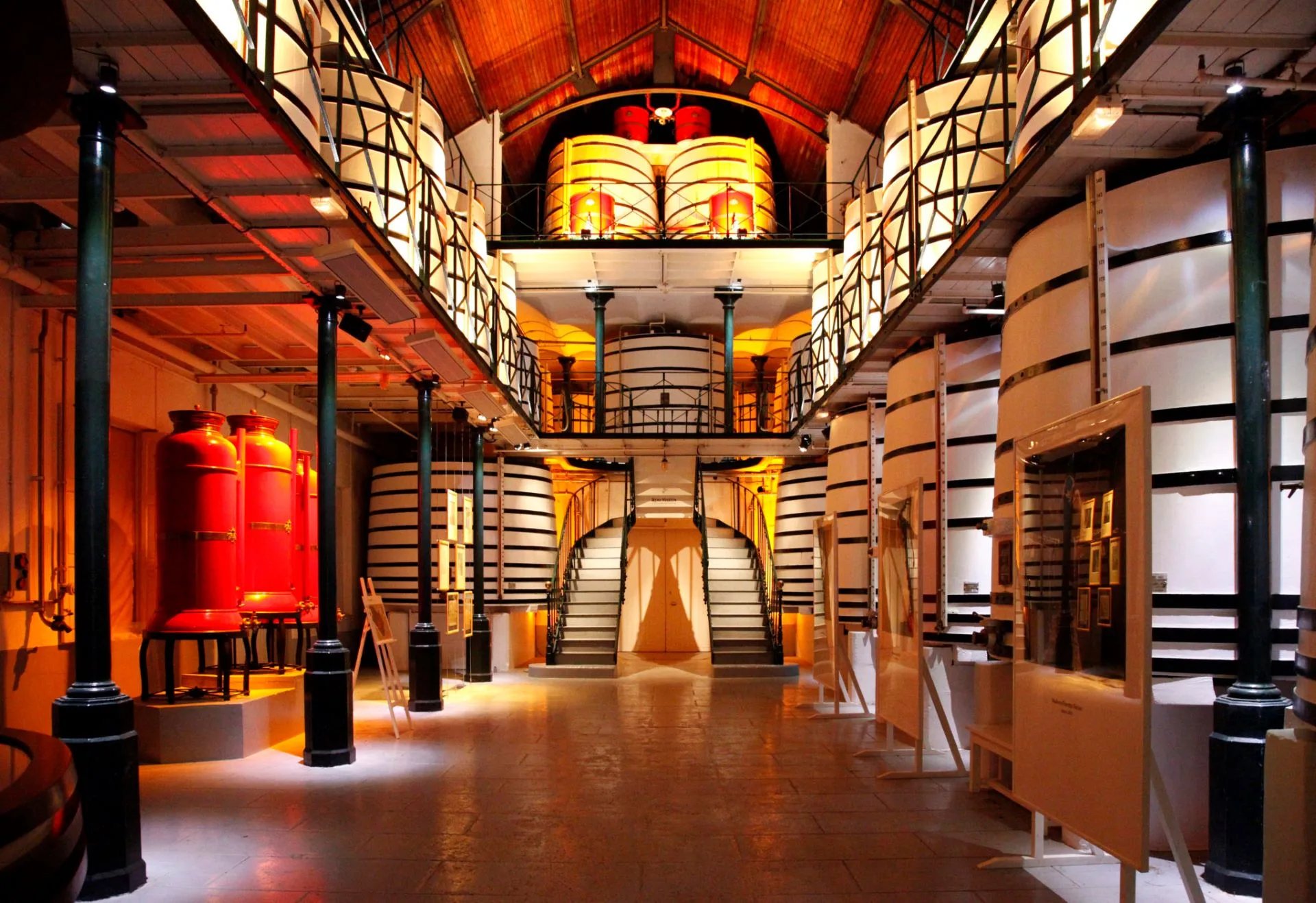
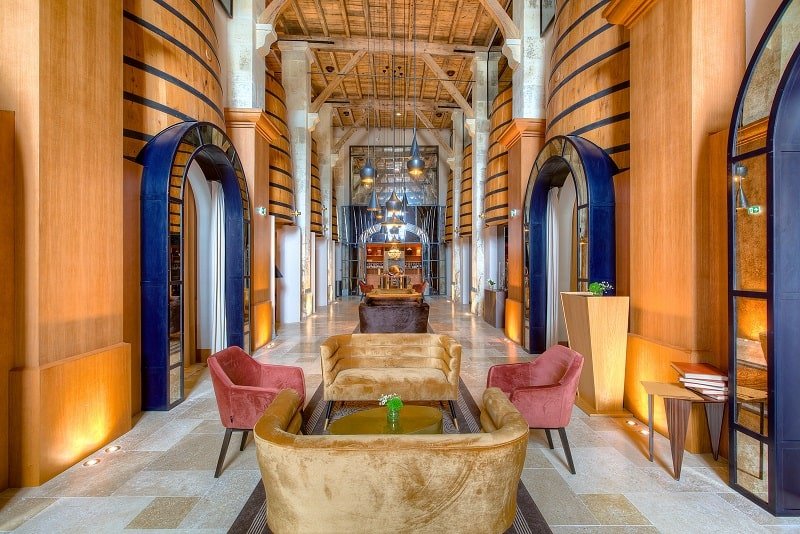
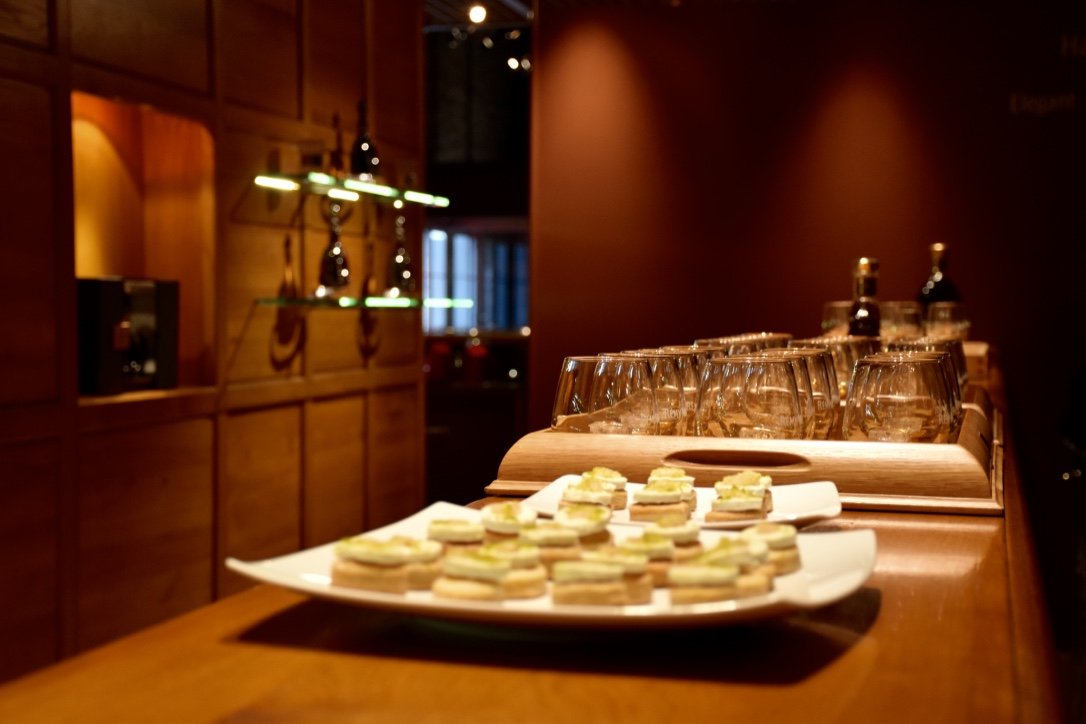
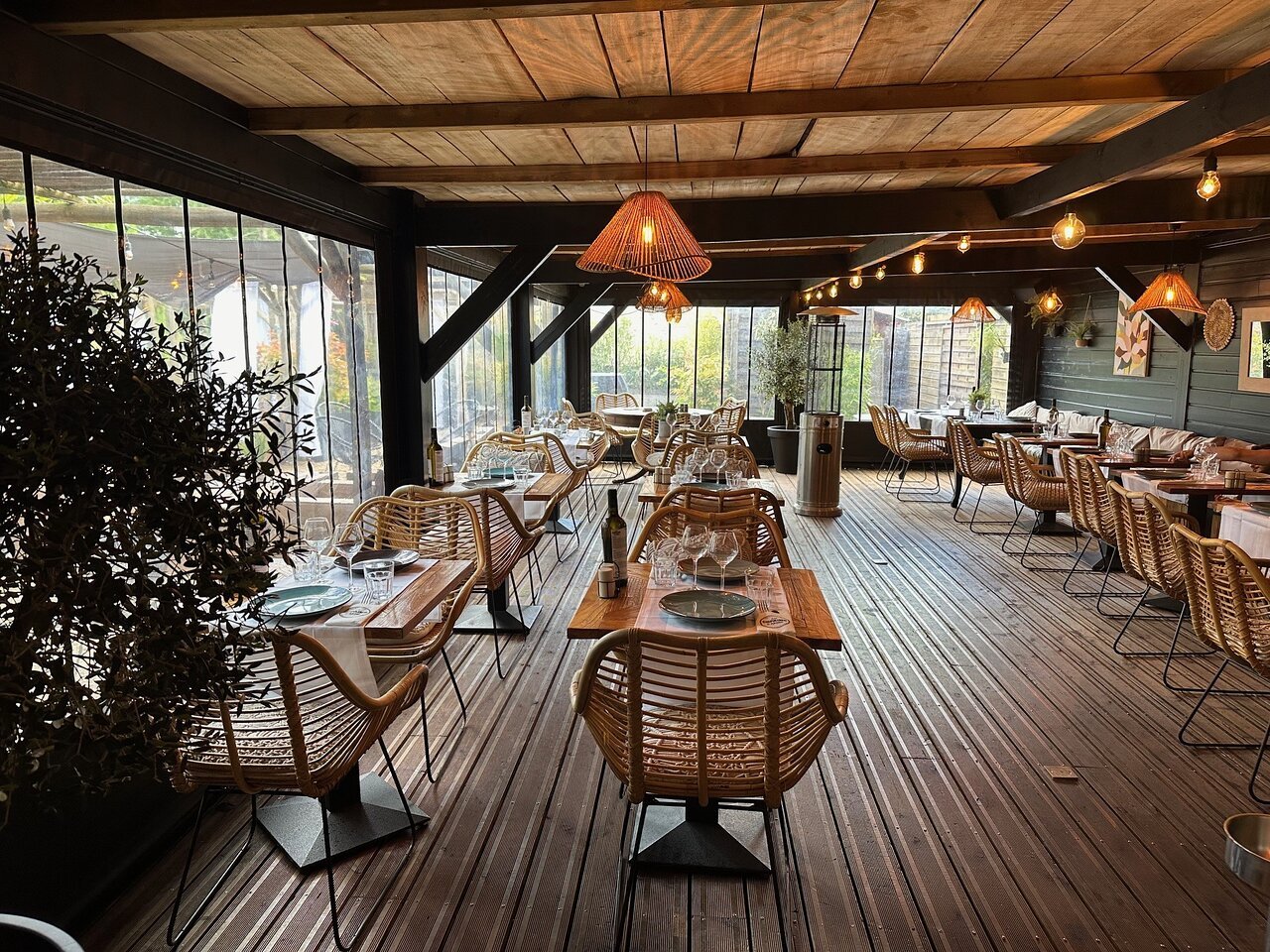
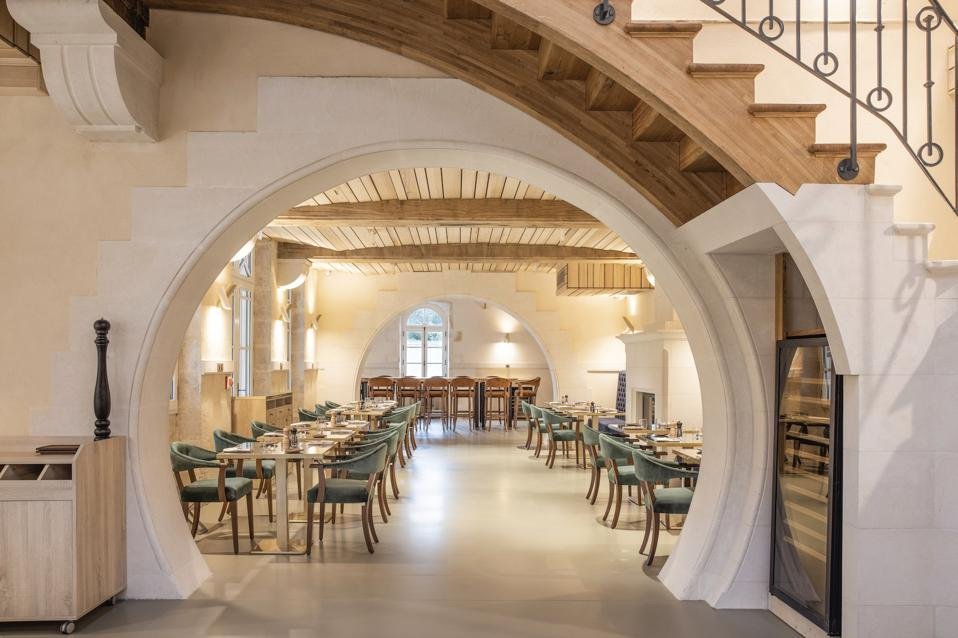
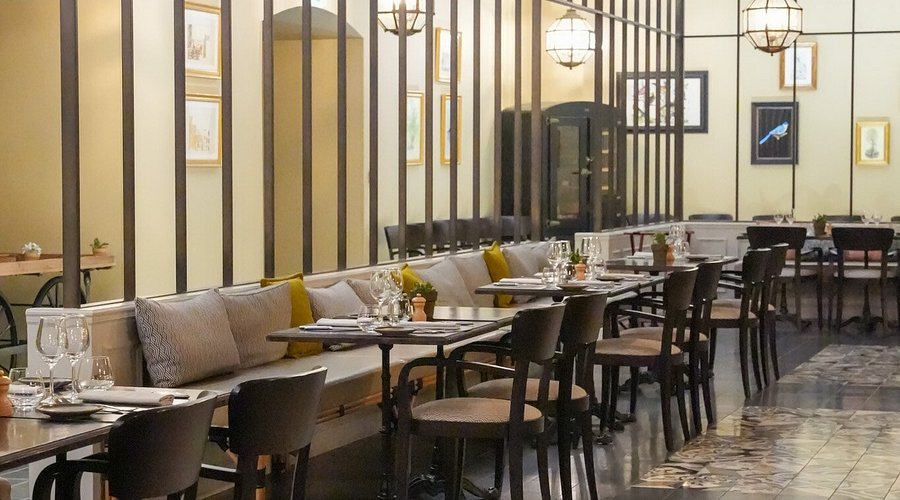
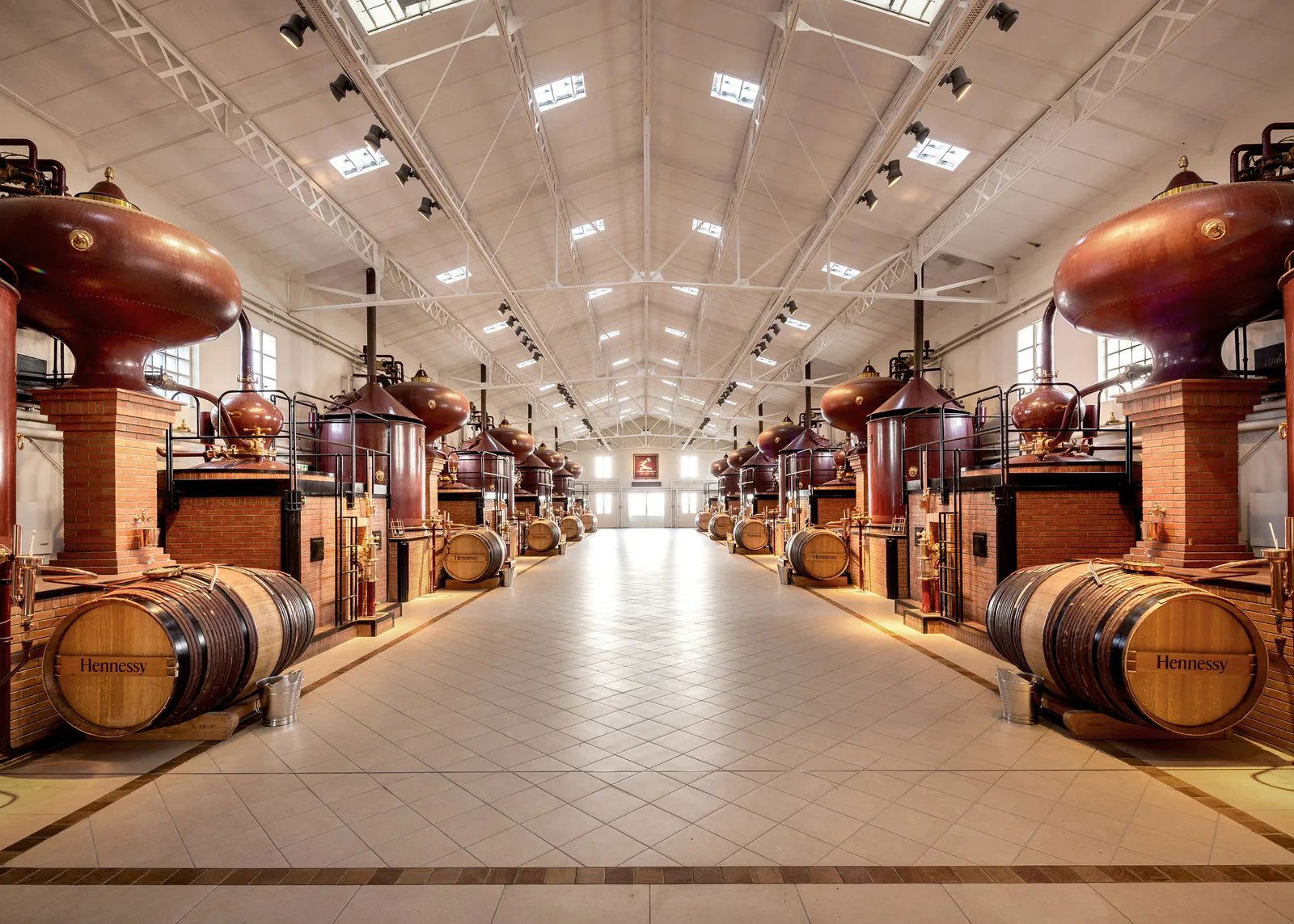
Elegant and sophisticated with modern audio-visual presentations, atmospheric cellars, and professional tastings in a luxurious visitor center.
Tags
Vibe
Best For
Experience
Accessibility
At the Vineyard
- Appellation
- Cognac
- Varietals
- ugni_blanc
- Tour Duration
- 90 minutes
- Tour Languages
- English, French
- Visits
- By reservation
- Production
- Large producer
- Wine Styles
- Fortified
- Food Pairing
- Offered
- Wine Club
- Not available
Know before you go
Know Before You Go
- Getting there
- Quai Richard Hennessy, 16100 Cognac
Planning details
Location
Also consider
If you cannot get the slot you want
Try Martell first if the goal is another major Cognac name in town. Try Camus Cognac if the group would rather trade scale for a calmer, more personal-feeling visit.
Winery context
How Hennessy compares in Cognac
Choose Hennessy when the priority is a flagship Cognac-house experience with broad name recognition. Martell is the closest cross-shop for visitors who want another major Cognac name in town, while Camus Cognac is the better fit if the group wants a more intimate house feel rather than the bigger-brand route.
Rémy Martin belongs in the same serious Cognac itinerary and is a strong alternative if availability works better. If the trip can stretch beyond central Cognac, Courvoisier and Augier make more sense for visitors willing to trade convenience for a different setting or a less obvious producer choice.
For a celebration or business guest, Hennessy is the safer first pick because the brand does more of the work for the group. For value and ease, compare open slots across Martell, Camus Cognac, and Rémy Martin before committing; the right choice is often the one that gives the cleanest timing without forcing the rest of the Cognac day around a single appointment.
Explore Cognac
Around this place
Discover more on Pearl
Unlock the full Hennessy guide in Pearl, including awards, comparisons, FAQs, planning details, and nearby places.
Compare Hennessy
| Venue | Location | Awards |
|---|---|---|
| Hennessy | Cognac | No published awards |
| Martell | Cognac | No published awards |
| Camus Cognac | Cognac | No published awards |
| Rémy Martin | Cognac | No published awards |
| Courvoisier | Jarnac | No published awards |
| Augier | Aigre | No published awards |
How Hennessy Cognac compares with similar nearby venues.
FAQ
Frequently Asked Questions
What other Cognac names can I compare with Hennessy?
Other Cognac names worth comparing include Martell, Camus Cognac, Rémy Martin, Courvoisier, and Augier. Check each venue's current visitor details directly before building an itinerary around them.
When is the best time to visit Hennessy?
Hours or ideal visiting times for Hennessy are not available. Check current opening times, booking windows, and any visitor requirements directly with the venue before finalizing your Cognac plans.