

 Book with Pearl

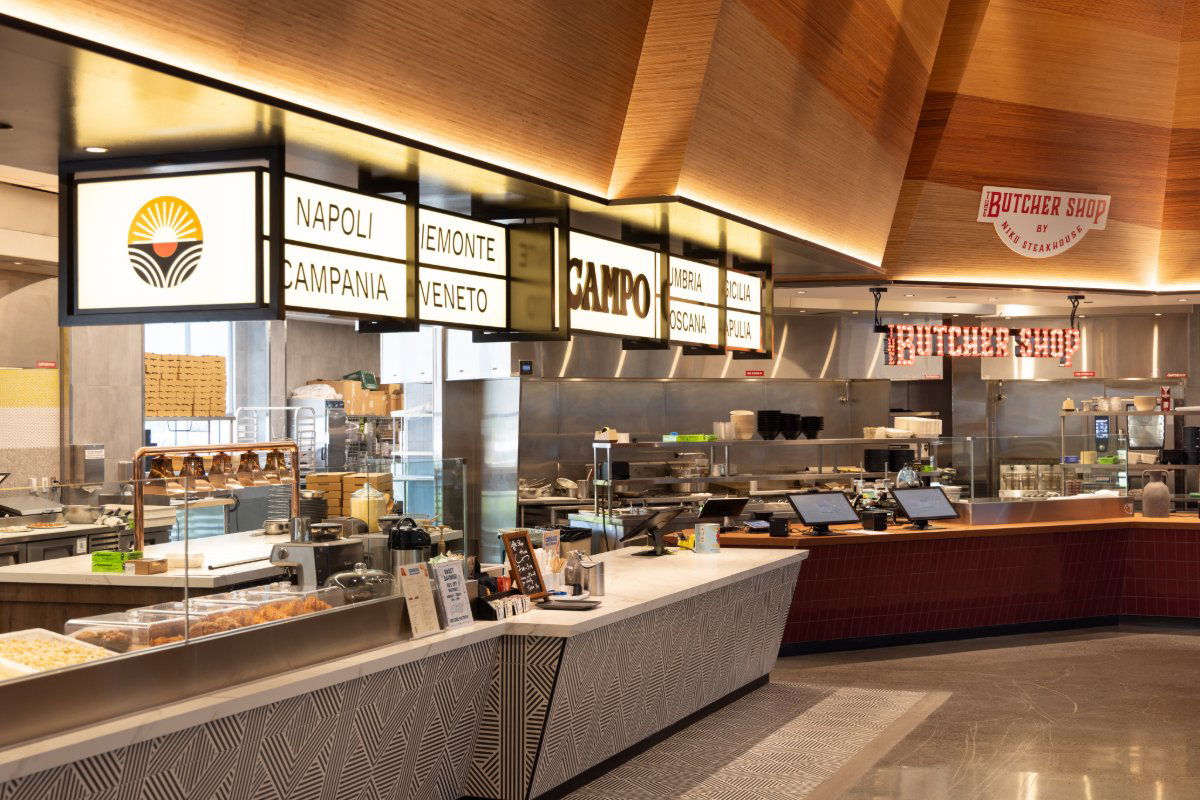
Wine Maker Dinner at Table Culture Provisions
Wine Maker Dinner in Petaluma featuring The Peay Vineyard at Table Culture Provisions.
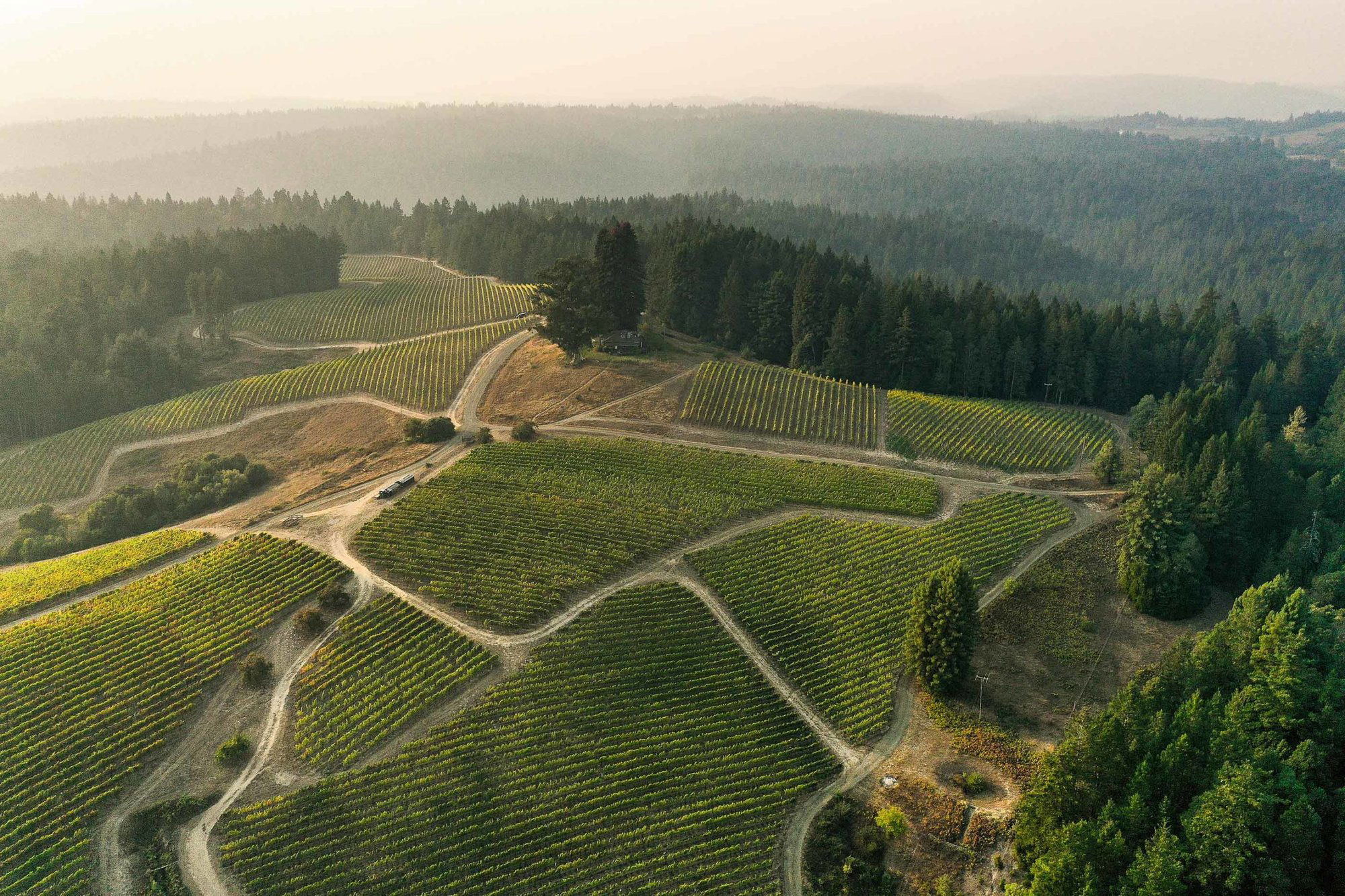

Annapolis/West Sonoma Coast, Cloverdale
Winery in Cloverdale, United States
Coastal-Ridge Cool-Climate Pinot
Price
$50–100tasting
Why go
Peay Vineyards is the Cloverdale pick for serious wine buyers, not casual same-day tasting groups. Its Pearl 2 Star Prestige recognition makes it worth pursuing if the goal is producer credibility and cellar interest, but the access profile means easier nearby wineries may suit relaxed itineraries better.
Peay Vineyards is a Cloverdale venue with a casual dress code and Pearl 2 Star Prestige recognition in 2025.
Use Peay Vineyards as a focused Cloverdale option when the venue itself is the reason for the visit. For timing, access, group size, reservations, and any specific visit format, confirm with the venue before you go.
Peay Vineyards is listed in Cloverdale, and the dress code is casual. That makes the planning frame direct: dress simply and verify the visit details directly if you need a specific appointment time, group arrangement, or on-site experience.
The strongest hook is its 2025 Pearl 2 Star Prestige recognition. Practical details such as hours, reservations, access requirements, or on-site amenities should be confirmed with the venue.
For a regional itinerary, compare Peay Vineyards with other options to research such as Gustafson Family Vineyards, Preston Farm & Winery, Bella Vineyards and Wine Cave, Clos du Bois, and Ferrari-Carano Vineyards and Winery. Peay Vineyards is the choice to consider when you want a Pearl-recognized Cloverdale stop, while the other names can help you shape the rest of the itinerary.
If you are planning more than one stop, keep the comparison practical: confirm each venue's current visit requirements, timing, and group policies before committing. Peay Vineyards is a casual-dress Cloverdale venue with 2025 Pearl 2 Star Prestige recognition.
Peay Vineyards sits at the austere edge of the Sonoma Coast, where fog and ocean air shape not just the grapes but the whole experience. The writing foregrounds cool-climate viticulture and a restrained, mineral-driven style that reads as refined and quietly purposeful. Expect a scenic, low-key setting focused on place and production rather than spectacle: mornings that are silvered with fog, brief warm afternoons, and vines coaxed to ripen slowly. The overall impression is contemplative and elegant with rustic, intimate notes—less about loud hospitality and more about tasting wines that reflect a distinctive coastal terroir.
This is a visit for people who care about how and where wine is made. The copy positions Peay as a spot for wine education and solo exploration—wine lovers who want to study cool-climate expressions of Pinot Noir, Chardonnay and Syrah will get the most out of a visit. The coastal context and quietly scenic surroundings make it fitting for a low-key romantic getaway too, where the emphasis is on tasting focused, mineral-driven wines and absorbing the landscape rather than socializing or bustling tasting-room activity.
Order with terroir in mind: focus on the cool-climate varietals the site emphasizes—Pinot Noir, Chardonnay and Syrah. The description notes lower alcohol, higher acidity and mineral definition, so look for wines that show red cherry, citrus and restrained fruit rather than overtly ripe or tropical profiles. If available, compare vintages or bottlings that showcase the place-driven tension the text highlights—those contrasts best reveal why this part of the Sonoma Coast is treated more like a European cool-climate region than a warmer California appellation.
Rustic and intellectual, with a weathered 1930s farmhouse aesthetic, minimal commercial infrastructure, and an emphasis on contemplative wine appreciation rather than hospitality theater.
Try Gustafson Family Vineyards first if staying close to Cloverdale matters. For a more scenic, visitor-friendly winery day, Bella Vineyards and Wine Cave is the cleaner backup.
Peay Vineyards is the more selective choice in this set: book it when the priority is producer seriousness and the trip can absorb a difficult reservation. Gustafson Family Vineyards is the cleaner Cloverdale fallback for visitors who want a simpler local plan without building the whole day around one hard-to-secure stop.
Ferrari-Carano Vineyards and Winery is the better fit for a more polished, destination-style winery day, especially for mixed groups where ambiance matters as much as the bottle. Bella Vineyards and Wine Cave is the stronger cross-shop when the setting itself is part of the appeal; choose Peay when the wine-program signal matters more than the visit format.
Preston Farm & Winery and Clos du Bois are easier recommendations for travelers who want a lower-friction Sonoma itinerary. Peay is the splurge of effort, not necessarily spend: pursue it for a focused wine decision, and use the others when group comfort, convenience, or a looser schedule matters more.
Unlock the full Peay Vineyards guide in Pearl, including awards, comparisons, FAQs, planning details, and nearby places.
| Venue | Location | Awards |
|---|---|---|
| Peay Vineyards | Cloverdale | 2026 Falstaff Winery Guide |
| Gustafson Family Vineyards | Cloverdale | No published awards |
| Ferrari-Carano Vineyards and Winery | Healdsburg | 2026 Falstaff Winery Guide2025 Pearl 2 Star Prestige |
| Bella Vineyards and Wine Cave | Healdsburg | 2025 Pearl 3 Star Prestige |
| Preston Farm & Winery | Healdsburg | No published awards |
| Clos du Bois | Geyserville | No published awards |
How Peay Vineyards Cloverdale compares with similar nearby venues.
Confirm timing directly with Peay Vineyards before visiting. It is in Cloverdale, has a casual dress code, and holds Pearl 2 Star Prestige recognition for 2025.
Group capacity should be confirmed directly before planning a large group visit. If group logistics are central to the day, compare current policies with other options such as Ferrari-Carano Vineyards and Winery.
The key points are its Cloverdale location, casual dress code, and 2025 Pearl 2 Star Prestige recognition. Confirm any other practical details directly with Peay Vineyards before committing to a visit plan.
Relevant comparisons to research include Ferrari-Carano Vineyards and Winery, Bella Vineyards and Wine Cave, Gustafson Family Vineyards, Preston Farm & Winery, and Clos du Bois. Check each venue's current visit details before planning a multi-stop day.
Confirm timing, access, reservations, group logistics, and the current visit experience directly with Peay Vineyards.
Pearl events
Public events currently associated with this Pearl venue.
Wine Maker Dinner in Petaluma featuring The Peay Vineyard at Table Culture Provisions.
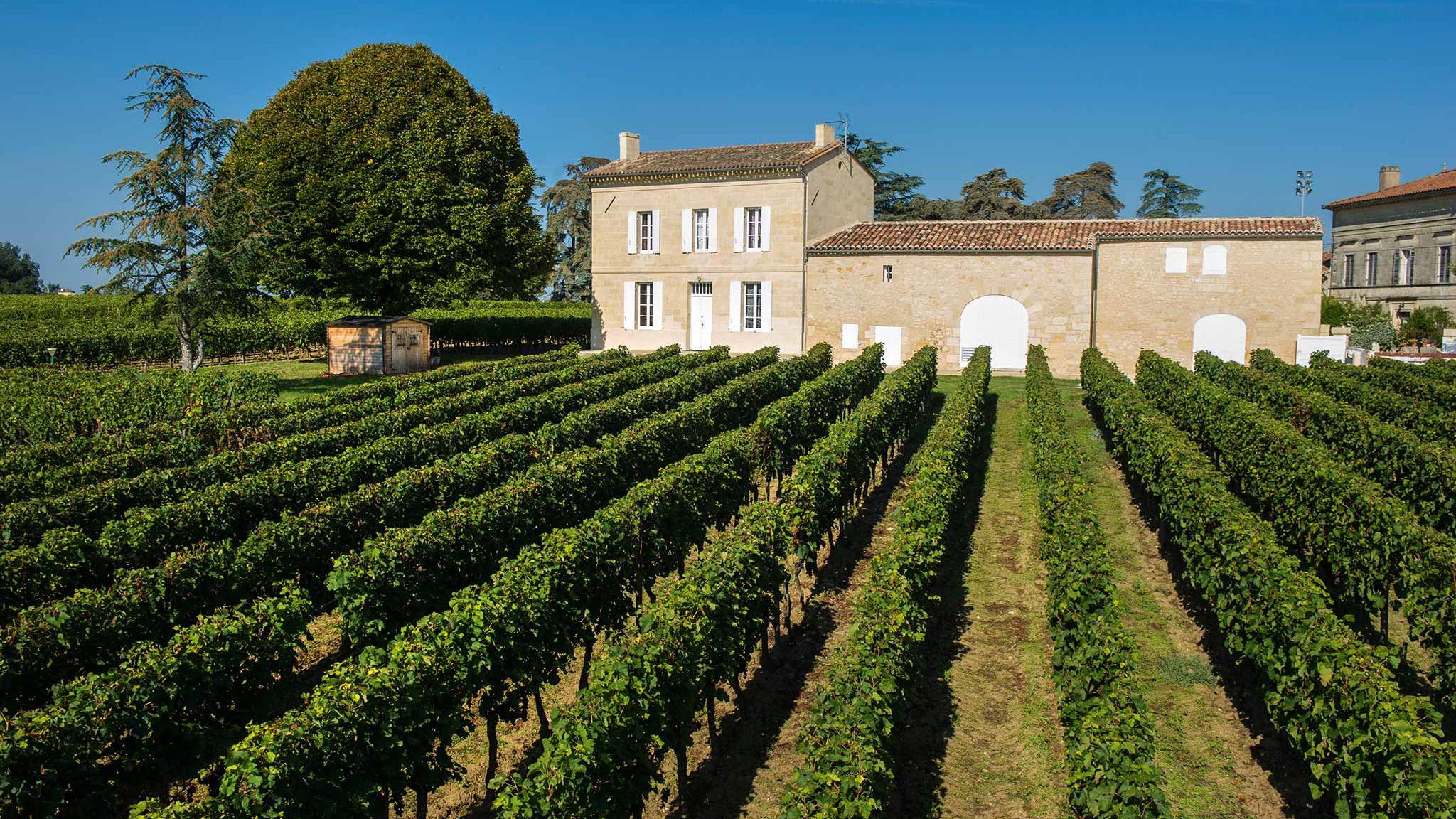 PingusRibera del DueroPingus is for serious Ribera del Duero collectors, not casual winery browsing. Book the pursuit if Peter Sisseck's producer name is the point of the trip; otherwise, use Arzuaga Navarro, Abadía Retuerta, or Vega Sicilia for a more rounded wine-day experience.
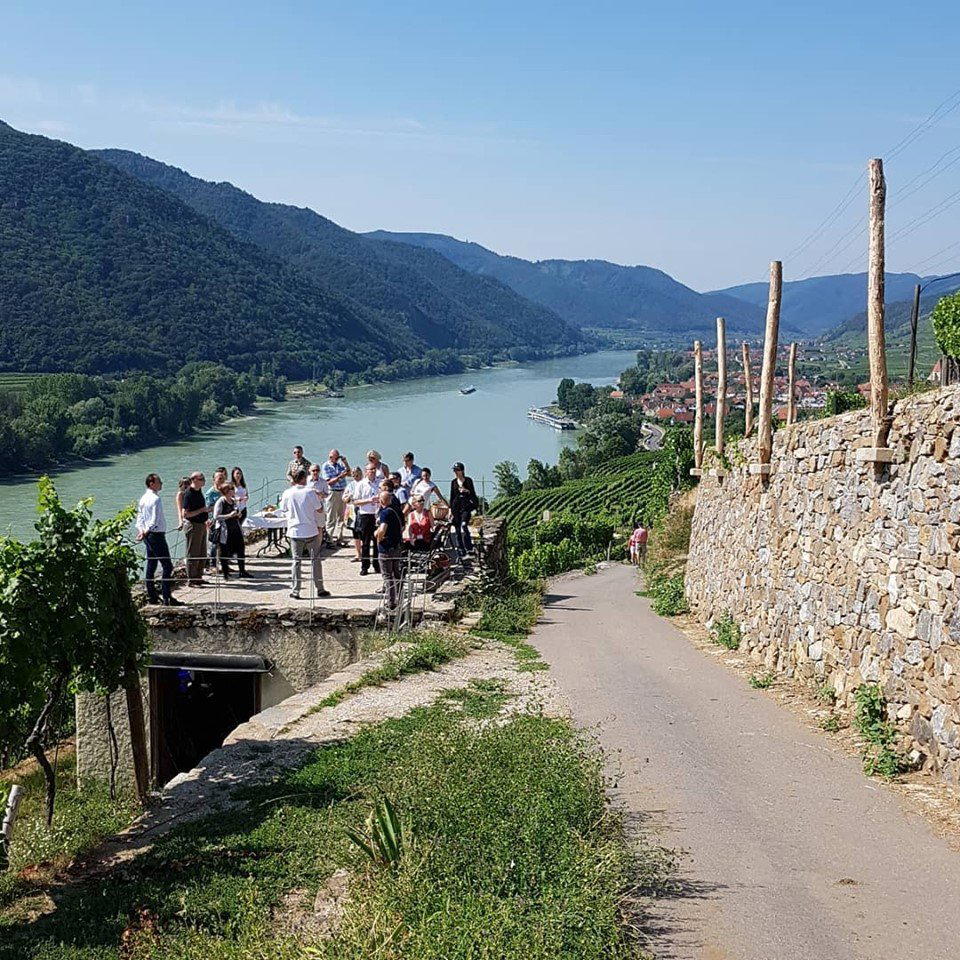 Weingut JamekJochingPrioritise Weingut Jamek if the trip is built around serious Wachau wine and selective bottle buying, not a casual tasting stop. Booking pressure makes it a risky anchor without a backup, but the value case is strong for visitors who want a quieter, credibility-led Joching winery experience.
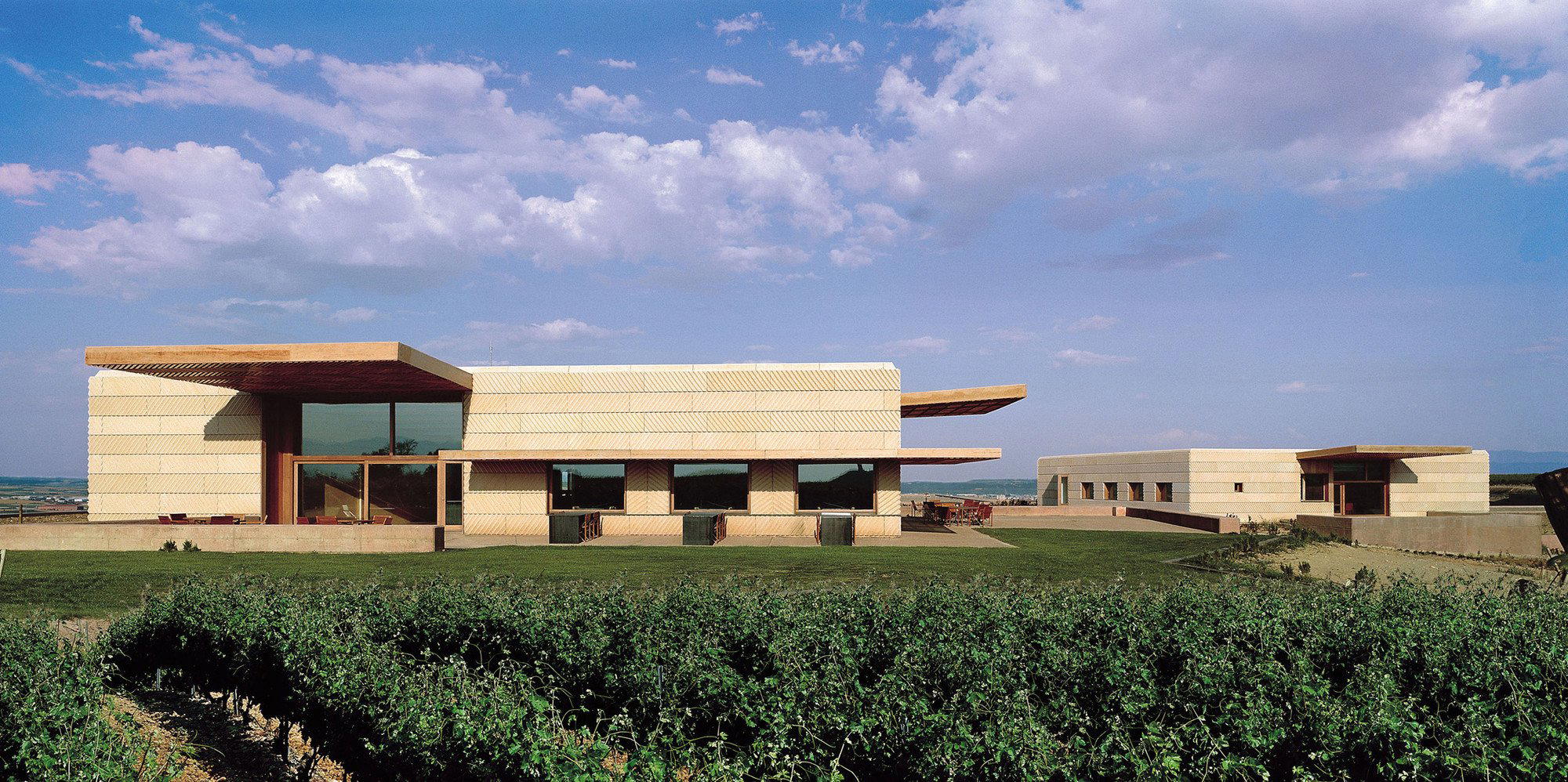 Campo ViejoLogroñoCampo Viejo is worth prioritizing if the aim is a structured Rioja winery stop in Logroño, especially as part of a food-and-wine weekend rather than a standalone meal plan. Treat the wine visit as the anchor and arrange restaurants, bars, and hotels around it; travelers wanting easier spontaneity should cross-shop Bodegas Franco-Españolas or Marqués de Murrieta.
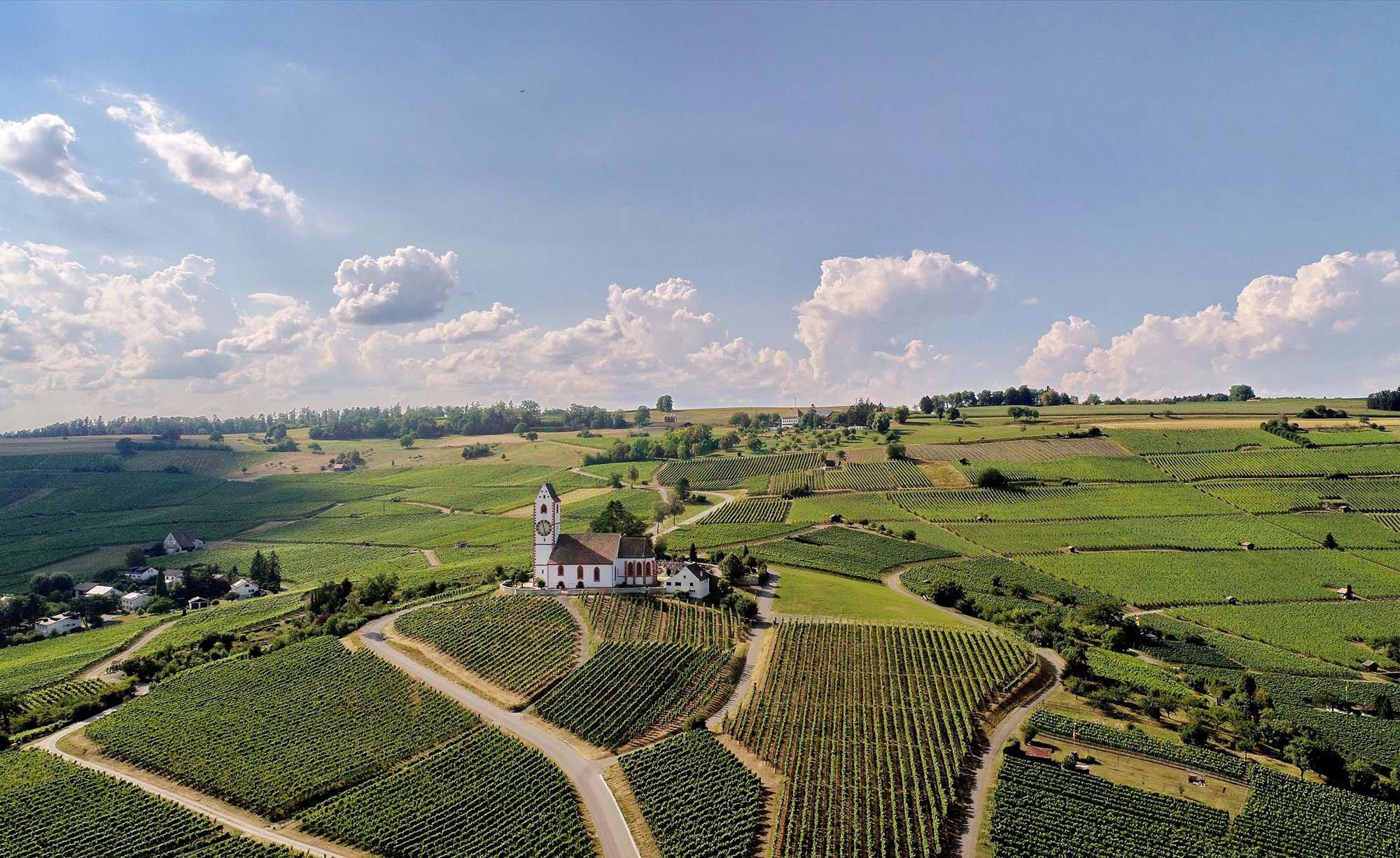 aagne weingutHallauBook aagne weingut only if wine is the main reason for the Hallau stop. The case for visiting is strongest for serious Swiss-wine buyers and celebration trips built around a focused tasting, with Falstaff 3 Stars in 2026 giving it a clear quality signal. Confirm logistics before planning around food, groups, or shipping.
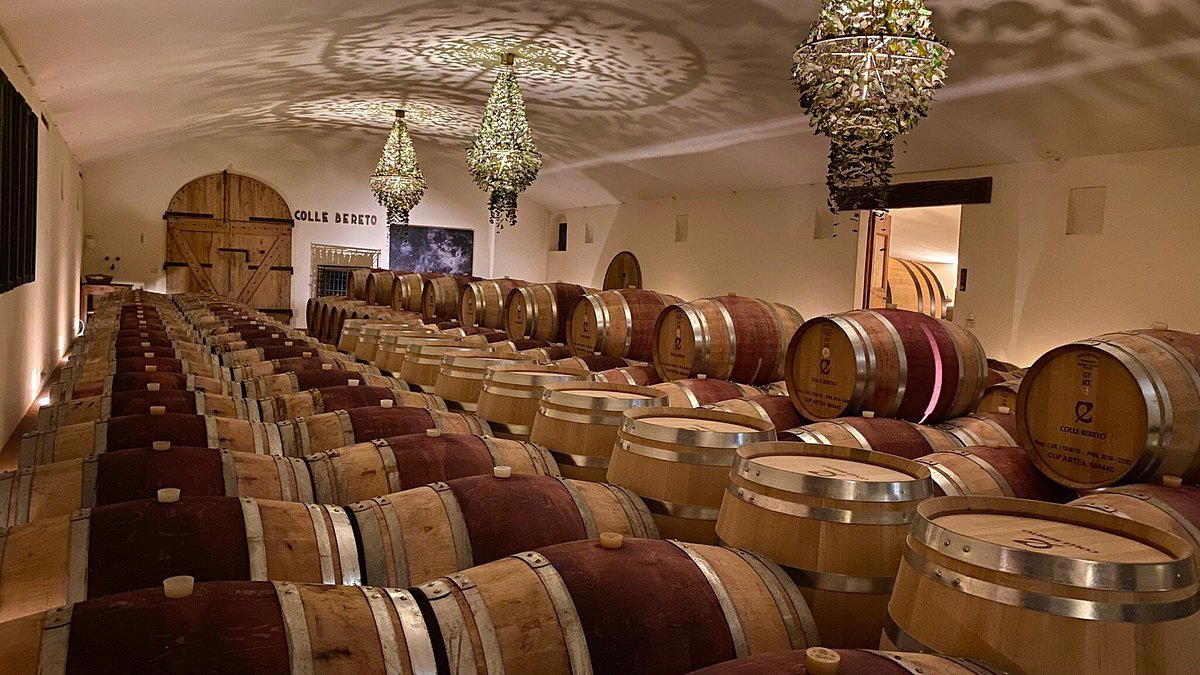 Azienda Agricola Colle BeretoRadda in ChiantiAzienda Agricola Colle Bereto is worth prioritizing in Radda if the goal is a polished Chianti Classico tasting rather than a quick cellar stop. The draw is the full portfolio, from Sangiovese-led labels to Pinot Noir, Merlot, Brut rosé, and white wine, plus historic brick cellars and quiet vineyard views that suit a special-occasion afternoon.