Adelina Wines
Springfarm, Clare Valley
Winery in Clare Valley, Australia
 Book with Pearl
The Read
Terroir-Anchored Prestige
Why go
Adelina Wines is worth prioritising for a smaller, wine-focused Clare Valley visit where pace and seriousness matter more than casual convenience. It is a better fit for couples, celebrations, and hosted occasions than for loose large-group itineraries. Keep Pikes Wines, Tim Adams Wines, Jim Barry Wines, or Kilikanoon as easier cross-shops if access or timing becomes difficult.
About Adelina Wines
Adelina Wines is a Clare Valley venue with a casual dress code and Pearl 2 Star Prestige recognition for 2025. Before building an itinerary around a visit, check directly with the venue for current visit format, hours, prices, group capacity, reservations, menu, and offerings.
A Clare Valley stop to plan directly
Adelina Wines is a Clare Valley option with Pearl 2 Star Prestige (2025) recognition. Confirm the current service style, appointment structure, visit length, and group suitability directly with the venue before planning.
If you are comparing Clare Valley options, consider Adelina Wines alongside Jim Barry Wines, Kilikanoon, Pikes Wines, Tim Adams Wines, and Wendouree. Those names can be useful reference points when deciding how to shape a regional itinerary, but the right choice depends on current availability and the kind of visit each venue is offering at the time.
Who should put it high on the itinerary
Adelina Wines is most relevant for travellers specifically considering recognised Clare Valley venues. Its Pearl 2 Star Prestige (2025) status gives it a clear reason to appear on a shortlist, while the casual dress code keeps the planning expectations direct.
Build the rest of the Clare Valley day with current details
For nearby planning, compare Adelina Wines with Jim Barry Wines, Kilikanoon, Pikes Wines, Tim Adams Wines, and Wendouree. For other dining, accommodation, bars, experiences, or venues in Clare Valley, use current local listings and confirm details directly before relying on them for a schedule.
Planning details
- Location
- 106 Wendouree Road East, Clare SA 5453
- Website
- adelina.com.au
- Phone
- +61 8 8842 1549
The take
The Take
The Vibe
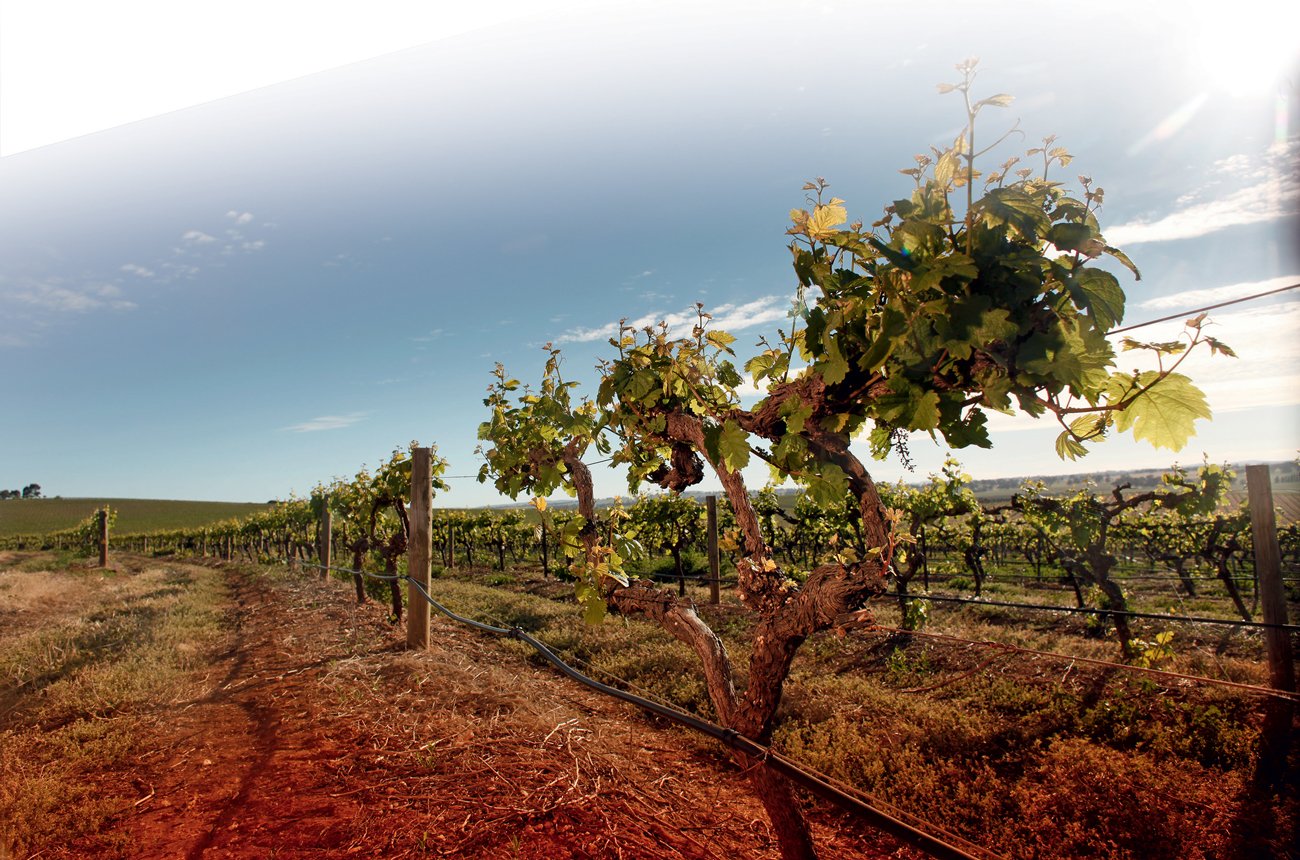
Adelina Wines reads like a quietly assured member of Clare Valley's small-producer scene. The writing stresses the region's slate and limestone soils, wide diurnal temperature swings, and an overall restraint that favors tension and acidity in both whites and reds. That measured sensibility is reflected in the estate's Pearl 2 Star Prestige recognition, which frames Adelina as a deliberate, lower-volume operation rather than a mass-production label. Visitors encounter a restrained, focused personality in the wines and a low-key presence in person — an understated winery where terroir and finesse take center stage.
Best For
This is a stop for people who travel for wine detail rather than spectacle. The property suits curious Riesling fans and anyone who wants to study how Clare's cool nights and slate subsoils influence acidity and structure. Because the profile emphasizes lower production and quieter marketing, it particularly rewards solo visitors or small groups looking for concentrated tasting time, and it fits well into an educational itinerary through the valley rather than a high-footfall tourist route. Expect a visit geared toward tasting and learning rather than entertainment or large-group activities.
Tasting Tips
Prioritize bottles that showcase the valley's hallmark acidity and mineral profile: seek out the Rieslings and the regionally expressive whites first, then sample the structured, tension-driven reds. The write-up highlights a Pearl 2 Star Prestige rating—look for those highlighted releases as signposts of the winery's best expressions. Because the producer is small-format and deliberate, opt for single-vineyard or limited-production bottlings when available to see how slate and limestone influence each wine. Ask staff about vintage context and the vineyard parcels to deepen your tasting notes.
Venue details
Ambiance
rustic and simple shed winery surrounded by old organic vineyards in a quiet valley setting
Tags
Vibe
Best For
Experience
Sourcing
View
At the Vineyard
- Appellation
- Clare Valley
- Varietals
- Shiraz, Grenache, Riesling, Mataro, Cabernet Sauvignon
- Visits
- By appointment only
- Farming
- Organic
- Wine Styles
- Still Red, Still White
- Wine Club
- Not available
Know before you go
Know Before You Go
- Getting there
- 106 Wendouree Road East, Clare SA 5453
Planning details
Location
Also consider
Where to go if this is full
If access is the issue, try Pikes Wines for a more flexible Clare Valley stop that works better for mixed groups. For a more established benchmark feel, Jim Barry Wines is the safer cross-shop.
Winery context
How it compares in Clare Valley
Adelina Wines is the pick for a quieter, more deliberate tasting day, while Pikes Wines is the safer choice for visitors who want a more flexible, group-friendly stop. If the priority is ease and a broader day-out feel, Pikes has the practical edge. If the priority is a smaller-format visit with more focus, Adelina Wines is the better target.
Against Wendouree, the decision is about access and temperament. Wendouree is the more collector-coded comparison, but that also makes it a harder fit for a relaxed occasion. Adelina Wines is better for a special visit where the group wants seriousness without turning the whole day into an allocation chase.
Jim Barry Wines, Kilikanoon, and Tim Adams Wines are stronger cross-shops for visitors who want established Clare Valley names with a clearer mainstream itinerary role. Choose those if the group includes first-timers or mixed-interest drinkers; choose Adelina Wines if the day is built around one more considered wine stop.
Explore Clare Valley
Around this place
Discover more on Pearl
Unlock the full Adelina Wines guide in Pearl, including awards, comparisons, FAQs, planning details, and nearby places.
Compare Adelina Wines
| Venue | Location | Awards |
|---|---|---|
| Adelina Wines | Clare Valley | No published awards |
| Tim Adams Wines | Clare Valley | 2026 Falstaff Winery Guide |
| Wendouree | Clare Valley | 2026 Falstaff Winery Guide |
| Pikes Wines | Clare Valley | No published awards |
| Jim Barry Wines | Clare Valley | 2026 Falstaff Winery Guide |
| Kilikanoon | Clare Valley | 2026 Falstaff Winery Guide |

How Adelina Wines Clare Valley compares with similar nearby venues.
FAQ
Frequently Asked Questions
Can Adelina Wines handle large groups?
Adelina Wines is a Clare Valley venue with Pearl 2 Star Prestige (2025) recognition and a casual dress code. Confirm any large-group planning directly with the venue.
When is the best time to visit Adelina Wines?
Do I need a reservation at Adelina Wines?
Because Adelina Wines has Pearl 2 Star Prestige (2025) recognition, it is sensible to confirm current availability and booking expectations directly before visiting.
What current details should I confirm before visiting Adelina Wines?
How long should I plan for a visit to Adelina Wines?
Confirm current hours, format, and availability with Adelina Wines before setting your Clare Valley schedule.