
L'Aventure
Chavot-Courcourt
Winery in Chavot-Courcourt, France
 Book with Pearl
The Read
Marne Valley Terroir Winemaking
Why go
Book L'Aventure only if the wine access itself is the occasion. Its 2025 Pearl 3 Star Prestige recognition and 1998 first vintage make it a serious target, but the planning friction is high, so casual Champagne visitors should keep easier alternatives nearby.
About L'Aventure
Specifics such as service format, pricing, hours, menu, visitor access, or address are not available, so the safest way to evaluate it is as a prestige-recognized Chavot-Courcourt venue that requires direct confirmation before planning around it.
L'Aventure should not be treated as a fully documented restaurant, tasting room, bar, or visitor-center experience. For a celebration, date, or dedicated detour, the recognition may make it worth investigating; for a group that needs specific hours, food service, pricing, or a predictable itinerary, confirm every practical detail with the venue before committing.
Worth it for travelers who are comfortable confirming details directly
The value case depends less on a published format and more on how much weight you give the recognition. L'Aventure's Pearl 3 Star Prestige recognition for 2025 places it on the radar, but it does not have a public price range, menu structure, booking policy, service style, or visitor format available. The clean recommendation is to treat it as a promising but detail-light Chavot-Courcourt option, not as a venue with enough logistics to plan blindly.
If the trip is built around Chavot-Courcourt, use broader local guides to shape the rest of the day, then confirm L'Aventure's current arrangements directly. If you are comparing other notable options, keep the comparison practical: what is known, what still needs checking, and whether the venue fits the needs of your group.
Plan it with confirmation, not assumptions
Because details like hours, reservation rules, pricing, food service, tasting details, or a street address are not available, do not assume a same-day visit, a meal, a tasting format, or a specific length of stay. The safest approach is to contact L'Aventure directly, confirm the current experience, and only then build the rest of the itinerary around it.
For broader cross-shopping, consider L'Aventure alongside Alfred Gratien, Gosset, Laherte Frères, Nicolas Feuillatte, and Pierre Gimonnet & Fils. These names can help frame the decision, but L'Aventure itself should be judged only on details confirmed by the venue.
Planning details
- Location
- Champagne Laherte Brothers, Rue des Jardins, Chavot-Courcourt, France
- Website
- aventurewine.com
The take
The Take
The Vibe
L'Aventure reads as a focused, sophisticated grower operation that emphasizes terroir over brand scale. The copy situates the house within the Côte des Blancs' complex soils and highlights a long-form commitment to single-village and single-plot expression. Awards and a multi-decade production record reinforce a measured, precision-driven personality rather than broad commercial reach. That combination makes the winery feel like a quietly serious destination for people who care about vineyard specificity and cellar choices, a refined stop rather than a showy tasting-room spectacle.
Best For
This producer is best for visitors who want to deepen their understanding of terroir and grower Champagne. The write-up foregrounds site fidelity, vintage variation and cellar strategy, so tastings here suit wine-education visits, solo exploration of stylistic nuance, and small groups focused on vineyard-driven difference. It reads less like a mass-tourism attraction and more like a discovery for serious enthusiasts and industry-minded guests seeking close readings of soil, aspect and vinification choices.
Tasting Tips
When tasting at L'Aventure, prioritize site-specific and single-village expressions that showcase the interaction of chalk and clay described in the text. Ask about the vintages that illustrate the producer's approach to cellar strategy and structural balance; the profile suggests that comparing multiple plot- or village-designated cuvées will reveal the differences the copy emphasizes. Note the Pearl 3 Star Prestige recognition and request those highlighted bottlings or recent vintages that represent the house’s signature precision.
Venue details
Ambiance
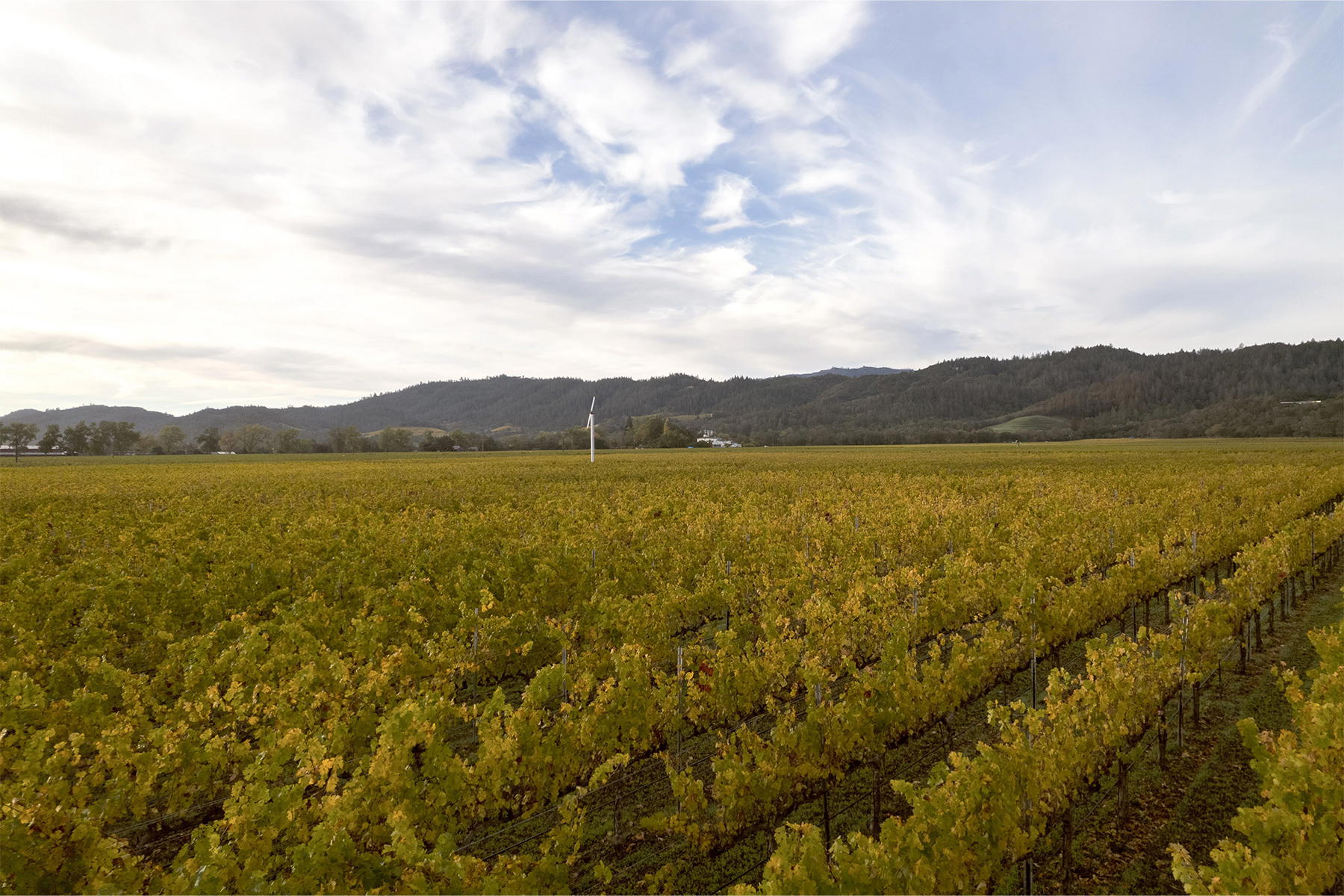
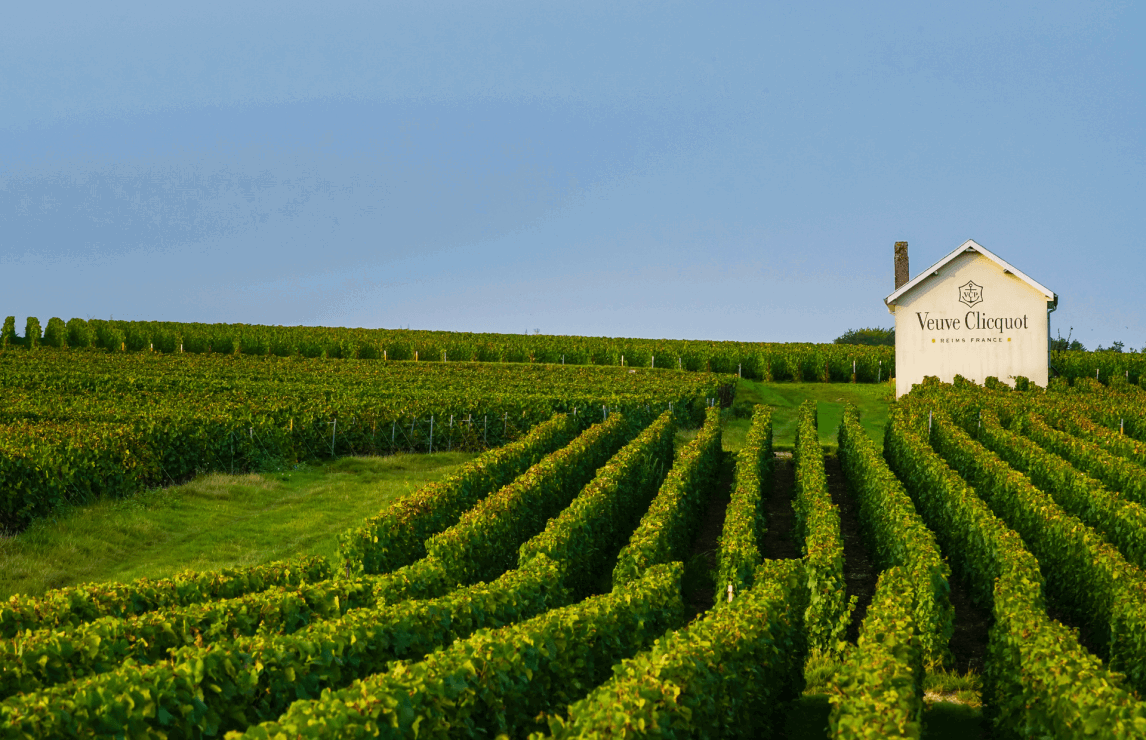
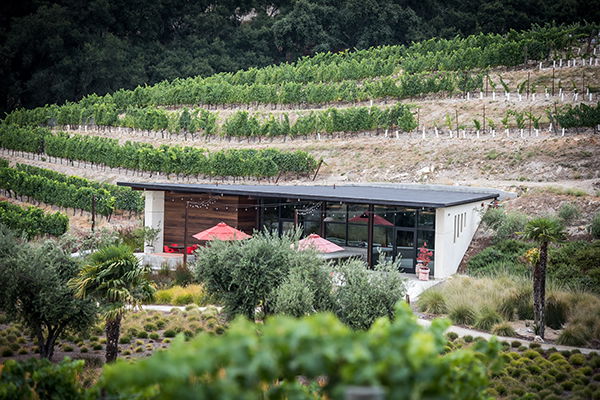
Calm and inspiring rural atmosphere amid misty vineyards and historic village charm.
Tags
Vibe
Best For
Experience
Sourcing
View
At the Vineyard
- Appellation
- Champagne AOC
- Varietals
- Pinot Meunier, Pinot Noir, Chardonnay
- Tour Duration
- 60-90 minutes
- Tour Languages
- French
- Visits
- By appointment only
- Farming
- Organic
- Production
- Small producer
- Wine Styles
- Sparkling
- Shipping
- Available
- Wine Club
- Not available
Know before you go
Know Before You Go
- Getting there
- Champagne Laherte Brothers, Rue des Jardins, Chavot-Courcourt, France
Planning details
Location
Champagne Laherte Brothers, Rue des Jardins, Chavot-Courcourt, France · Directions
Recognition and awards
Also consider
If you cannot secure it
Try Laherte Frères first if you want to stay close to the Chavot-Courcourt grower context. For a more accessible Champagne-house backup, Nicolas Feuillatte is the safer practical alternative for groups that need easier planning.
Winery context
How it compares for Champagne-focused planning
L'Aventure is the harder, more access-driven choice against Laherte Frères, Pierre Gimonnet & Fils, Nicolas Feuillatte, Gosset, and Alfred Gratien. Choose it when the trip is built around a serious wine allocation or collector-style visit; choose the peers when the group needs more predictable visitor logistics.
For value for money, L'Aventure is difficult to judge without public pricing, so the safer read is value through scarcity and recognition rather than through an obvious tasting fee comparison. Nicolas Feuillatte is the easier fit for a broader group, while Gosset and Alfred Gratien make more sense for travelers who want a more classic Champagne-house frame. Pierre Gimonnet & Fils and Laherte Frères are better cross-shops for drinkers who care about grower identity and focused Champagne tasting.
For ambiance, expect L'Aventure to appeal more to a small, wine-serious party than to a group looking for a polished visitor-center rhythm. If the booking comes through, it is the splurge of effort. If not, Laherte Frères or Pierre Gimonnet & Fils are the more natural backups for a wine-led day, while Nicolas Feuillatte is the safer fallback for easier scheduling.
Explore Chavot-Courcourt
Around this place
Discover more on Pearl
Unlock the full L'Aventure guide in Pearl, including awards, comparisons, FAQs, planning details, and nearby places.
Compare L'Aventure
| Venue | Location | Awards |
|---|---|---|
| L'Aventure | Chavot-Courcourt | 2025 Pearl 3 Star Prestige |
| Laherte Frères | Blancs-Coteaux | 2026 Falstaff Winery Guide2025 Pearl 4 Star Prestige |
| Pierre Gimonnet & Fils | Cuis | 2026 Falstaff Winery Guide2025 Pearl 4 Star Prestige |
| Nicolas Feuillatte | Chouilly | 2026 Falstaff Winery Guide2025 Pearl 3 Star Prestige |
| Gosset | Épernay | 2026 Falstaff Winery Guide2025 Pearl 4 Star Prestige |
| Alfred Gratien | Épernay | 2026 Falstaff Winery Guide2025 Pearl 4 Star Prestige |

How L'Aventure Chavot-Courcourt compares with similar nearby venues.
FAQ
Frequently Asked Questions
Are memberships or special access available at L'Aventure?
Membership or special-access information is not available, so do not assume that any such option is available. Confirm any access details directly with the venue.
Does L'Aventure serve food?
Food service is not available. Do not plan on L'Aventure as a meal stop unless the venue confirms that directly. If you need a meal as part of the day, make a separate dining plan in or around Chavot-Courcourt and check L'Aventure's current details before you go.
How long should I plan for a visit to L'Aventure?
No visit length, hours, or service format is available. Plan only after confirming the current arrangements with L'Aventure directly. If you are comparing it with Laherte Frères, Gosset, Alfred Gratien, Nicolas Feuillatte, or Pierre Gimonnet & Fils, build extra flexibility into the itinerary until each venue's logistics are clear.
What other venues should I compare with L'Aventure?
For broader comparison, look at Laherte Frères, Pierre Gimonnet & Fils, Gosset, Alfred Gratien, and Nicolas Feuillatte. L'Aventure itself is the Chavot-Courcourt venue in this guide, and any specific visit details should be confirmed directly with the venue.
Do I need a reservation at L'Aventure?
A reservation requirement is not available. Because hours, access, and visit format are not available, the safest approach is to contact L'Aventure directly before going. Treat any plan as provisional until the venue confirms the current arrangements.