
Domaine William Fèvre
Chablis
Winery in Chablis, France
 Book with Pearl
The Read
Kimmeridgian Terroir Authority
Why go
Prioritize Domaine Willian Fevre if the visit itself is the special-occasion anchor and the group cares about serious Chablis more than casual tasting-room ease. Access needs advance planning; for a looser day, cross-shop La Chablisienne or Domaine Eleni & Edouard Vocoret instead.
About Domaine William Fèvre
Domaine Willian Fevre is a Chablis venue associated with Didier Séguier and recognized with Pearl 3 Star Prestige (2025). For travelers comparing Chablis names, it belongs on the shortlist, especially when the goal is to understand the venue rather than build a day around unrelated extras. Keep the plan grounded: confirm any visit details directly with the domaine before arranging the rest of the day.
The clearest verified details are simple: the venue is in Chablis, Didier Séguier is associated with it, the dress code is smart casual, Pearl lists it as 3 Star Prestige for 2025. Beyond that, do not assume a specific tasting format, meal service, private appointment, shipping option, club program, price, or schedule unless the domaine confirms it for your date.
Worth the effort if the visit is the occasion
This is best framed as a focused Chablis stop rather than a catch-all hospitality plan. If the visit matters because of the venue name and the Chablis context, Domaine Willian Fevre is a strong candidate. If the group needs specific services, timing, food, or a particular format, verify those details in advance instead of relying on assumptions.
Food should not be treated as part of the plan unless the estate confirms it. A cautious plan is to separate the venue visit from lunch or dinner and use Our full Chablis restaurants guide for the meal. The same applies to the rest of the day: use Our full Chablis hotels guide if staying overnight, Our full Chablis bars guide for a post-visit drink, Our full Chablis experiences guide if the group needs something beyond the confirmed venue appointment.
How to choose among Chablis producers
Use this domaine when the priority is a Pearl-recognized Chablis venue. Domaine Dauvissat, Domaine Billaud-Simon, Domaine Eleni & Edouard Vocoret, Domaine Louis Michel & Fils, La Chablisienne are natural names to compare when shaping a Chablis itinerary, depending on what each venue can confirm for your date.
The practical recommendation is simple: make Domaine Willian Fevre an anchor only after confirming the visit details directly. For a looser day, start with Our full Chablis wineries guide and compare it with other Chablis producers before committing the schedule.
Planning details
- Location
- 10 Rue Jules Rathier, 89800 Chablis
- Website
- williamfevre.fr
- Phone
- +33 3 86 18 14 37
The take
The Take
The Vibe
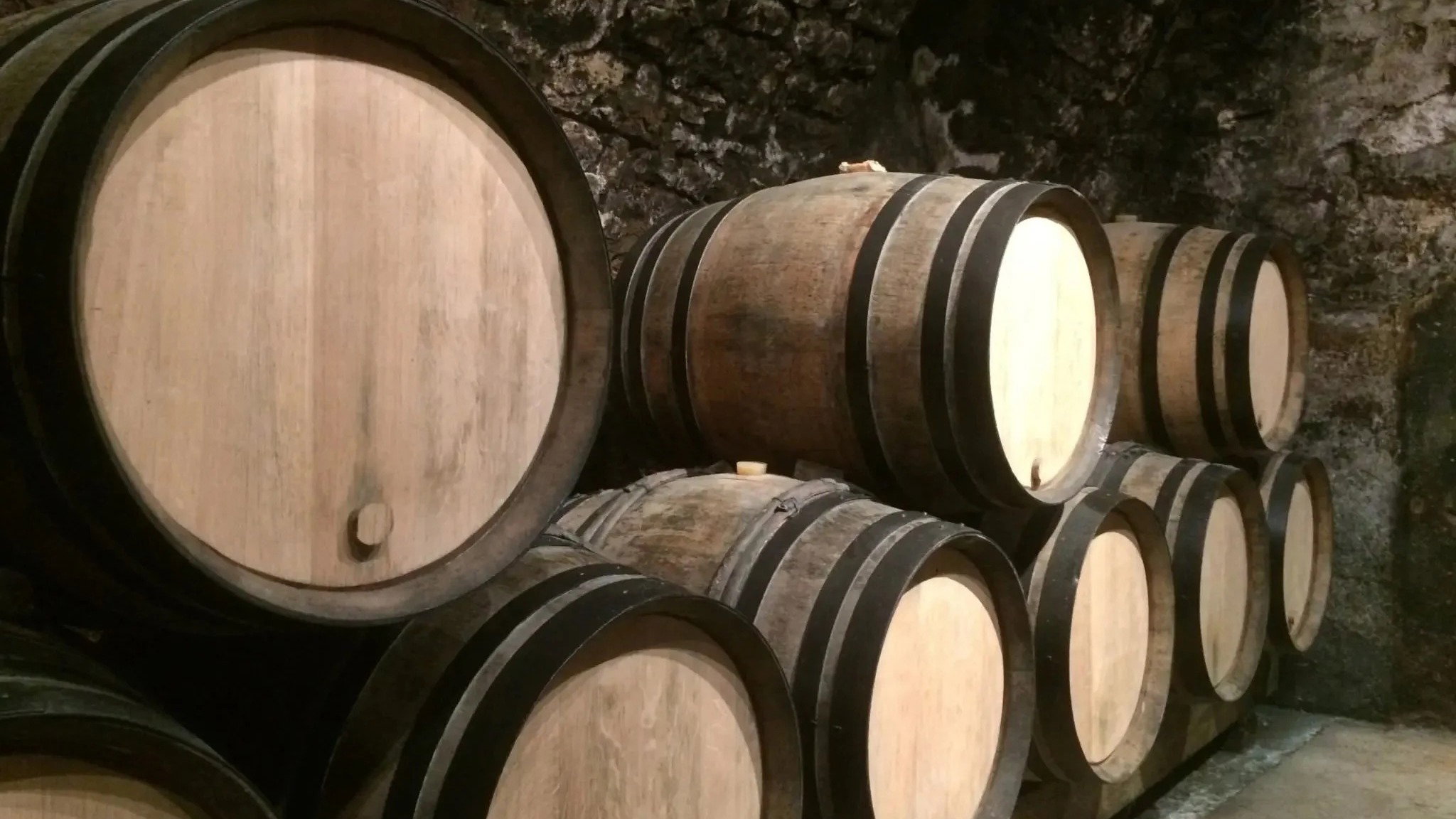
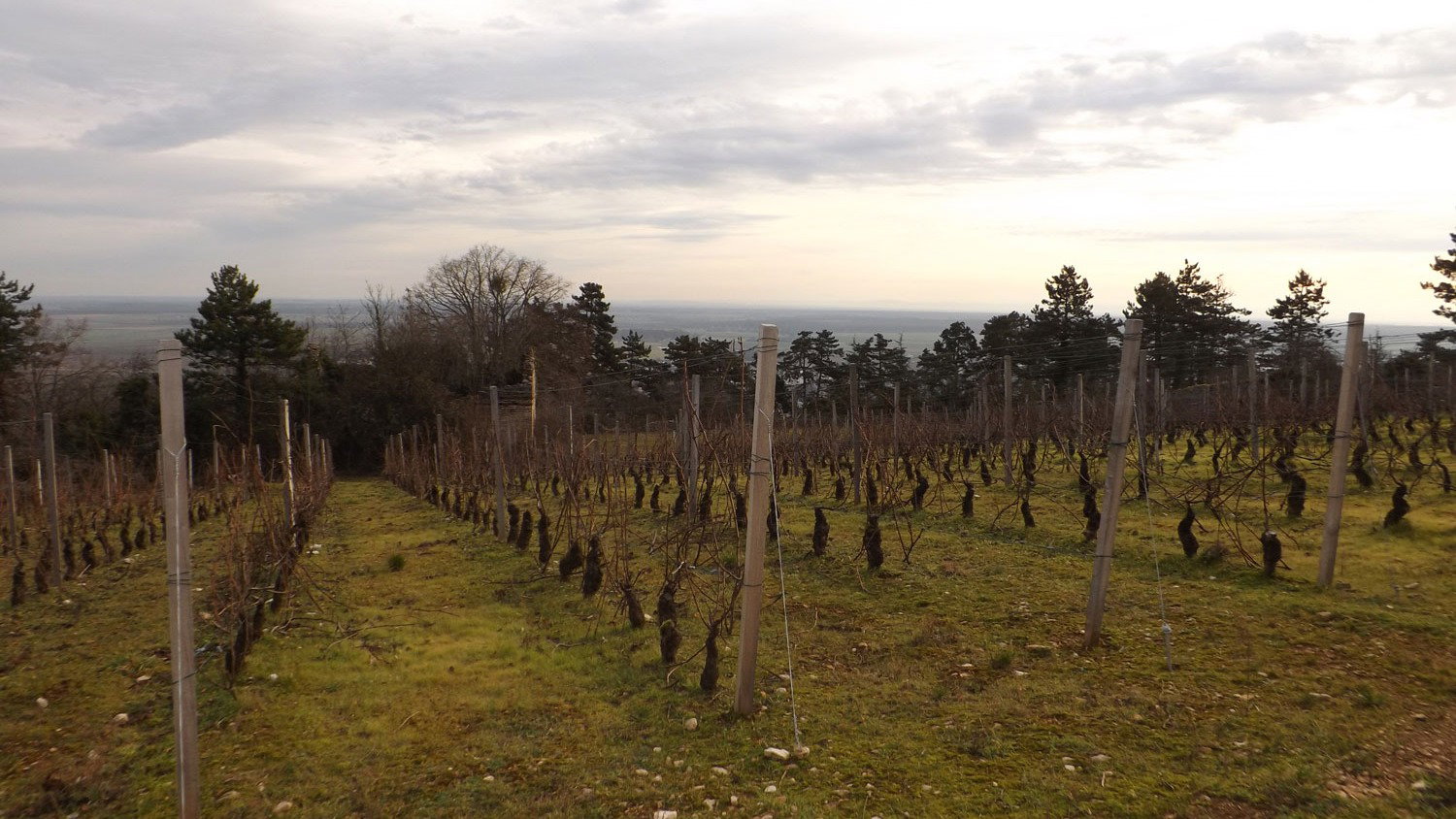
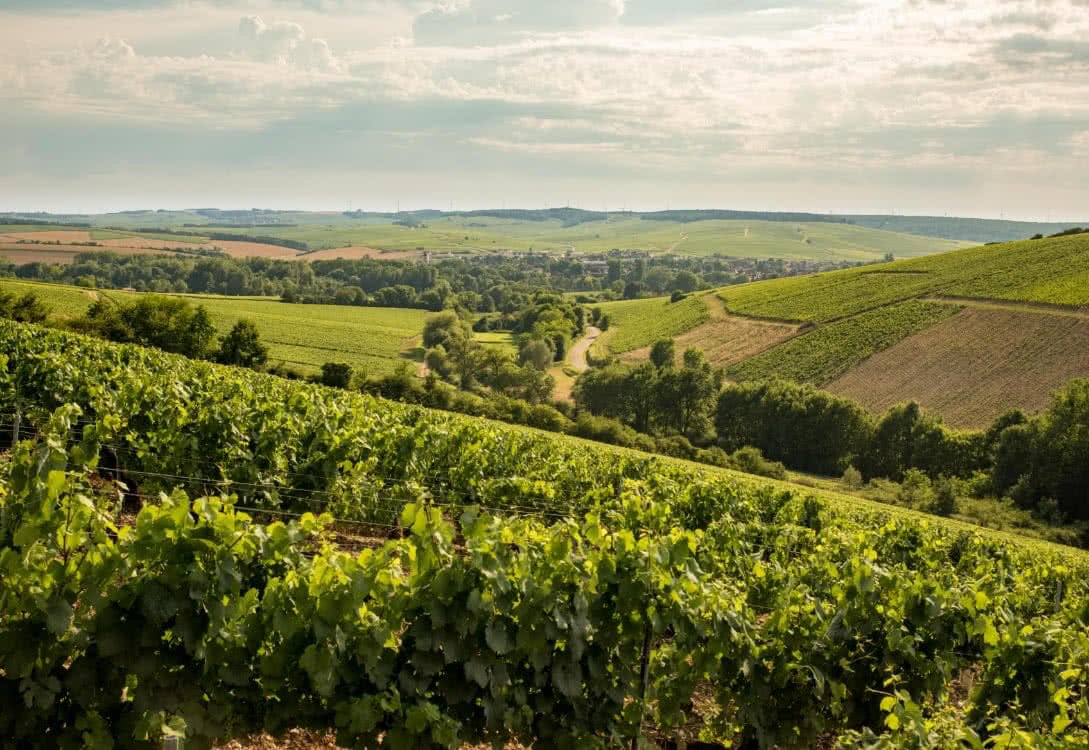
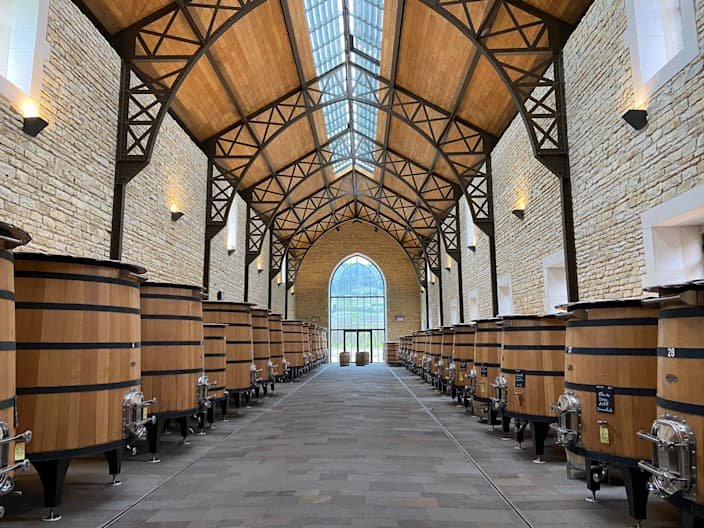
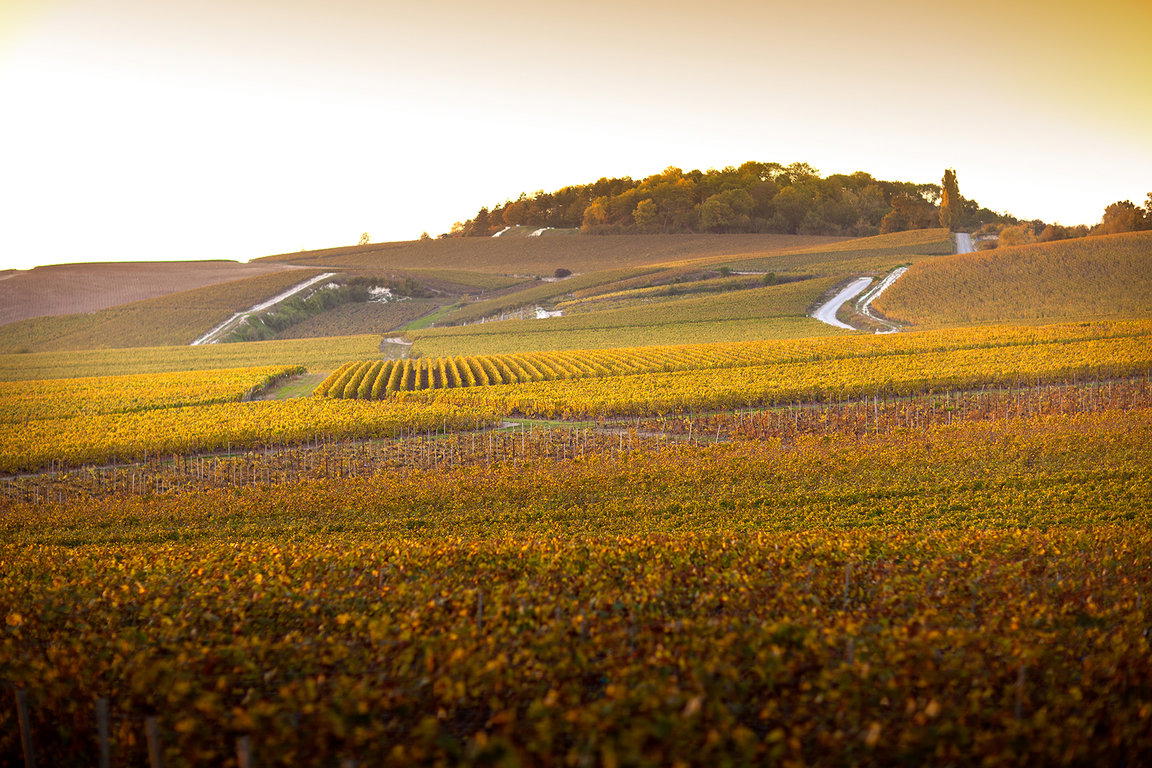
Domaine William Fèvre reads like a textbook in Chablis character: disciplined, unhurried and deeply geological. The writing foregrounds Kimmeridgian limestone and the domaine’s large holdings of Grand Cru and Premier Cru sites, so the place feels less about flash and more about provenance. Cellar decisions—barrel formats, ageing choices and the restraint between oak and steel—shape impressions as much as vineyard slope. Visiting feels like stepping into a focused, quietly confident institution: ordered, reflective and serious about the stylistic subtleties that define great Chablis.
Best For
This domaine is best for visitors who come to study Chablis rather than party. With one of the appellation’s largest parcels of Premier and Grand Cru land and an aging program that is central to its reputation, William Fèvre suits wine-education visits and special-occasion tastings where provenance and cellar talk matter. Enthusiasts seeking a deeper conversation about terroir, barrel selection and stylistic choices will find the estate’s work and its recognition—such as the 2025 Pearl award—especially rewarding.
Tasting Tips
When tasting here, focus on the estate’s Premier Cru and Grand Cru bottlings and ask specific questions about the ageing program: which cuvées see older barrels, which are kept in larger formats such as demi-muids or foudres, and where stainless steel is preferred. Taste for the tension between the appellation’s signature mineral salinity and the textural influence of oak. Mention winemaker Didier Séguier and request notes on barrel selection and oxidative strategy—those cellar decisions are the clearest way to understand how William Fèvre shapes its wines.
Venue details
Ambiance
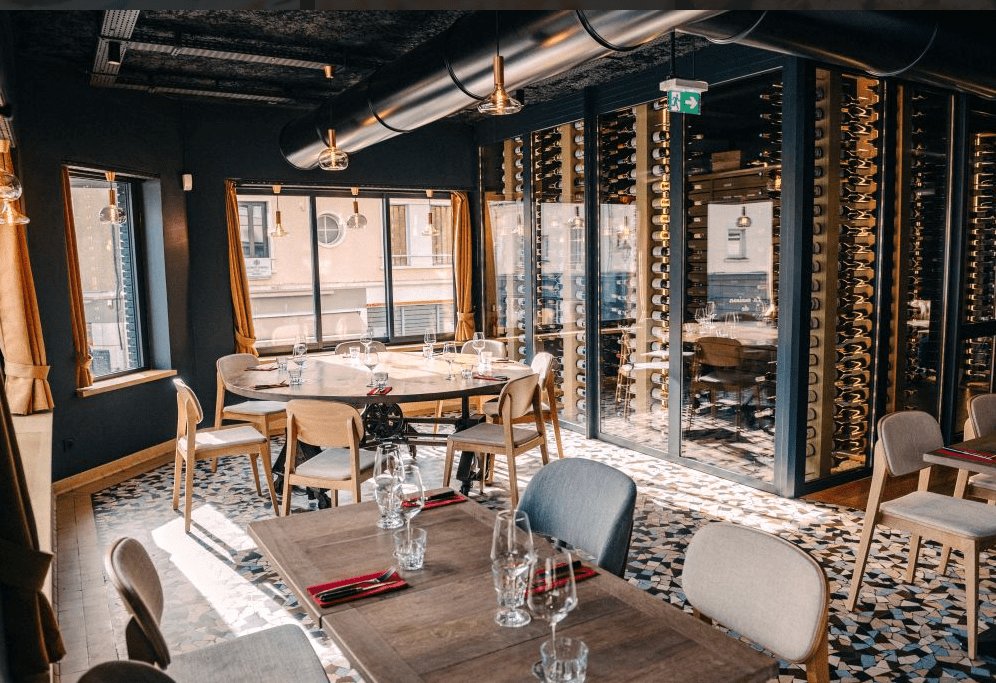
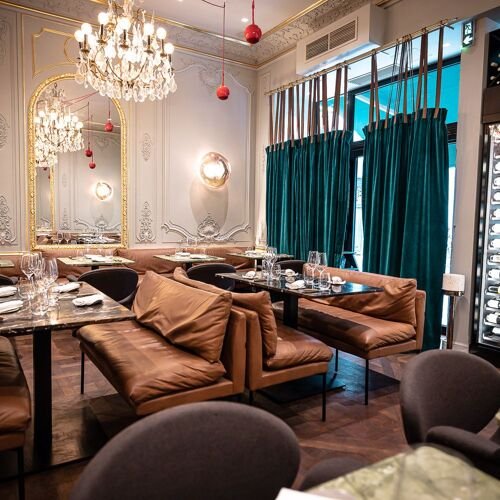
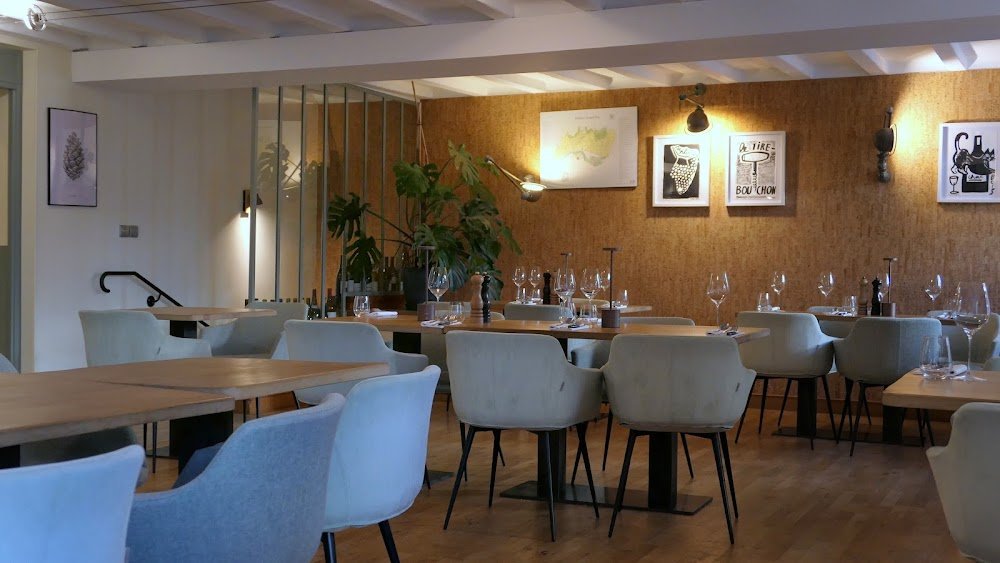
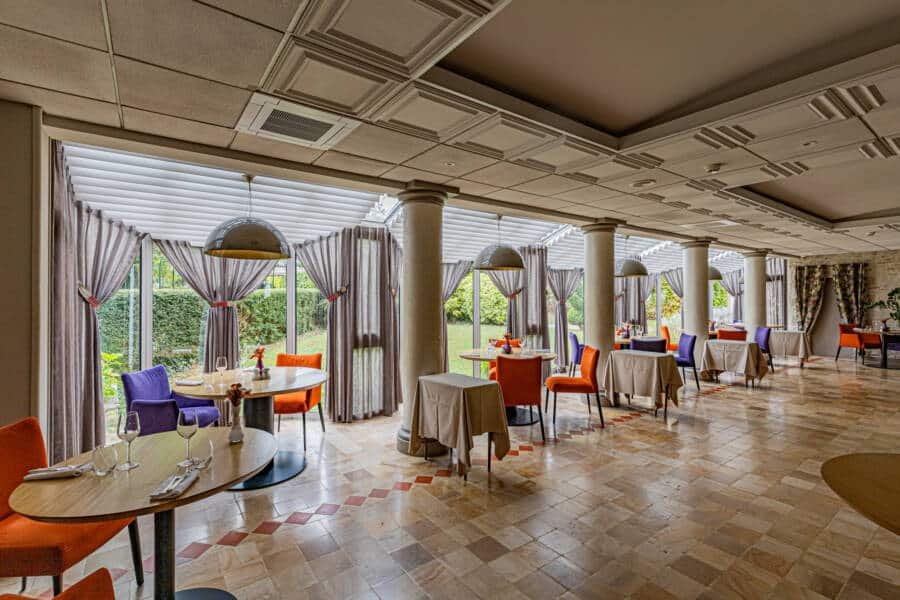
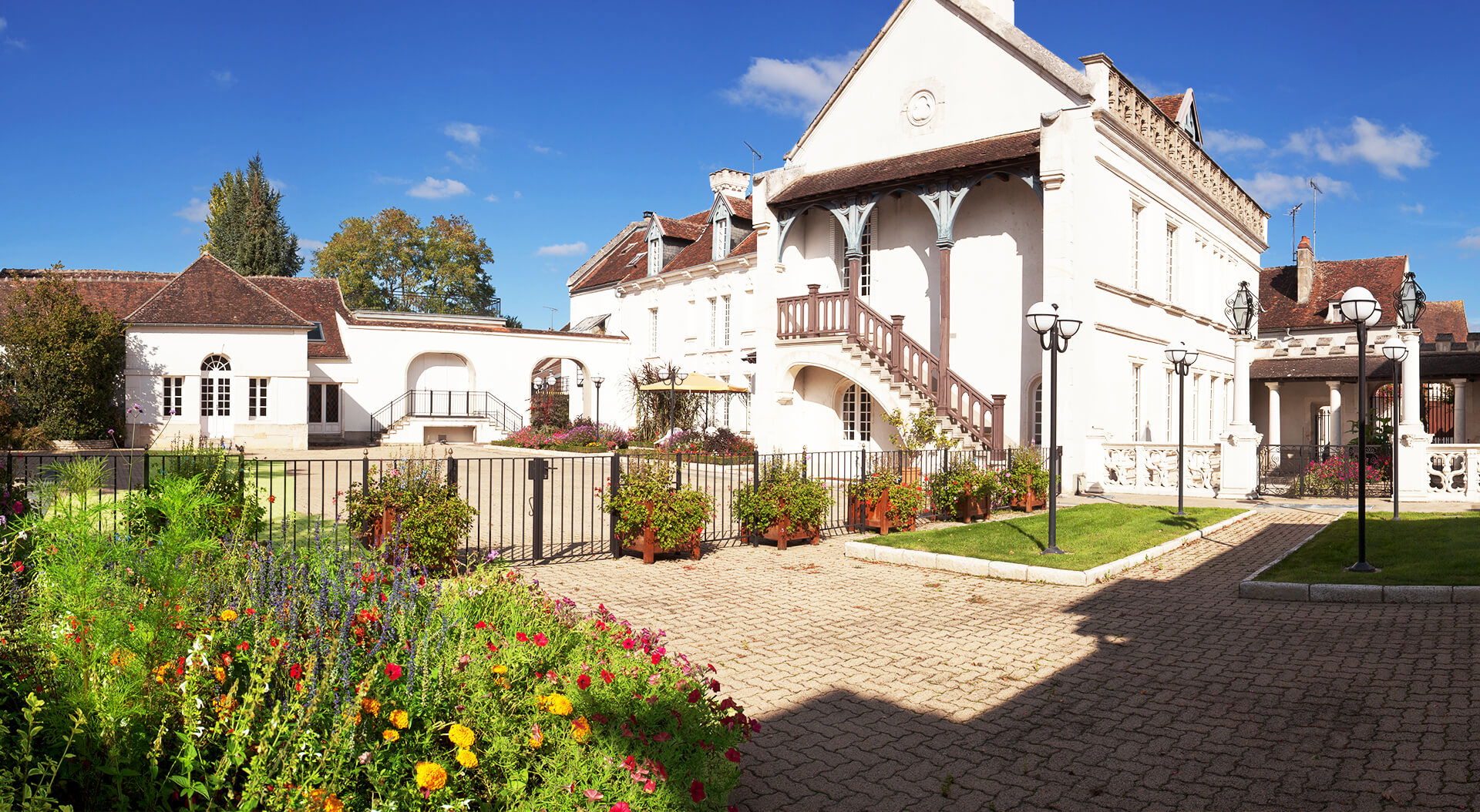
Elegant and refined atmosphere highlighting the purity and minerality of Chablis terroir.
Tags
Vibe
Best For
Experience
Sourcing
View
At the Vineyard
- Appellation
- Chablis AOC
- Varietals
- Chardonnay, Sauvignon Blanc
- Wine Club
- Not available
Planning details
Location
Recognition and awards
Also consider
Also Consider
- Domaine Louis Michel & Fils, Notable alternative
- Domaine Dauvissat, Notable alternative
- Domaine Billaud-Simon, Notable alternative
- Domaine Eleni & Edouard Vocoret, Notable alternative
- La Chablisienne, Notable alternative
Winery context
How It Compares
Domaine Willian Fevre is the right choice when the itinerary needs a serious, name-recognition Chablis anchor. Compared with Domaine Louis Michel & Fils, it feels like the more occasion-driven target; Louis Michel is the cleaner cross-shop for visitors who want another established town producer without making the day feel as high-pressure.
Against Domaine Dauvissat, the decision is about access and collector intensity. Dauvissat is the prestige play for wine-focused travelers who are willing to build the trip around a difficult ask. Domaine Willian Fevre is still a serious plan-ahead choice, but it works better as the main appointment for a celebration where the whole group may not be chasing the rarest possible producer.
Domaine Billaud-Simon is the closest polished alternative, while Domaine Eleni & Edouard Vocoret is better for a smaller, more personal-feeling visit. If convenience and group flexibility matter more than producer prestige, La Chablisienne is the practical fallback.
Explore Chablis
Around this place
Discover more on Pearl
Unlock the full Domaine William Fèvre guide in Pearl, including awards, comparisons, FAQs, planning details, and nearby places.
Compare Domaine William Fèvre
| Venue | Location | Awards |
|---|---|---|
| Domaine Willian Fevre | Chablis | No published awards |
| Domaine Louis Michel & Fils | Chablis | No published awards |
| Domaine Dauvissat | Chablis | 2025 Pearl 4 Star Prestige |
| Domaine Billaud-Simon | Chablis | No published awards |
| Domaine Eleni & Edouard Vocoret | Chablis | No published awards |
| La Chablisienne | Chablis | No published awards |
How Domaine Willian Fevre Chablis compares with similar nearby venues.
FAQ
Frequently Asked Questions
What other wineries are near Domaine Willian Fevre?
For comparison in Chablis, consider Domaine Dauvissat, Domaine Louis Michel & Fils, Domaine Billaud-Simon, Domaine Eleni & Edouard Vocoret, La Chablisienne alongside Domaine Willian Fevre.