
Domaine Billaud-Simon
Chablis
Winery in Chablis, France
 Book with Pearl
The Read
Kimmeridgian Chalk Precision
Why go
Domaine Billaud-Simon is worth prioritizing if your Chablis trip is built around serious producer context rather than casual tasting. Access is the main constraint, so treat it as a planned appointment and cross-shop Domaine Louis Michel & Fils or Domaine Eleni & Edouard Vocoret if you need a more flexible backup in Chablis.
About Domaine Billaud-Simon
Domaine Billaud-Simon is a Chablis venue with Pearl 2 Star Prestige recognition for 2025. It is a priority Chablis listing for visitors building a careful shortlist.
For planning, keep the location reference simple: Domaine Billaud-Simon is in Chablis. Any visit should be checked directly with the venue before you build a day around it, especially for opening times, booking requirements, visit format, and on-site services.
A Chablis listing for visitors building a careful shortlist
Choose Domaine Billaud-Simon if you are building a Chablis-focused shortlist and want to include a Pearl 2 Star Prestige venue. The dress code is smart casual, so plan accordingly if you attend.
For comparison, Domaine Louis Michel & Fils, Domaine Dauvissat, Domaine Eleni & Edouard Vocoret, Domaine François Lamarche, and Domaine Willian Fevre are other names to consider when building a wider shortlist.
How to decide if it belongs on a first Chablis itinerary
For first-timers, Domaine Billaud-Simon belongs on the list if you are prioritizing Chablis venues with confirmed recognition, but you should confirm current visitor details directly before relying on it for a specific itinerary.
If the trip needs more than one stop, use Chablis as the anchor and keep the rest practical. Pair this with Our full Chablis wineries guide for alternatives, then use Our full Chablis restaurants guide, Our full Chablis hotels guide, Our full Chablis bars guide, and Our full Chablis experiences guide to keep the day from becoming a logistics exercise. For a wider comparison, Domaine François Lamarche gives another reference point, but it should not replace a local Chablis name if this is your first time in town.
Planning details
- Location
- 1 Quai de Reugny, 89800 Chablis
- Website
- billaud-simon.com
- Phone
- +33 3 86 42 10 33
The take
The Take
The Vibe
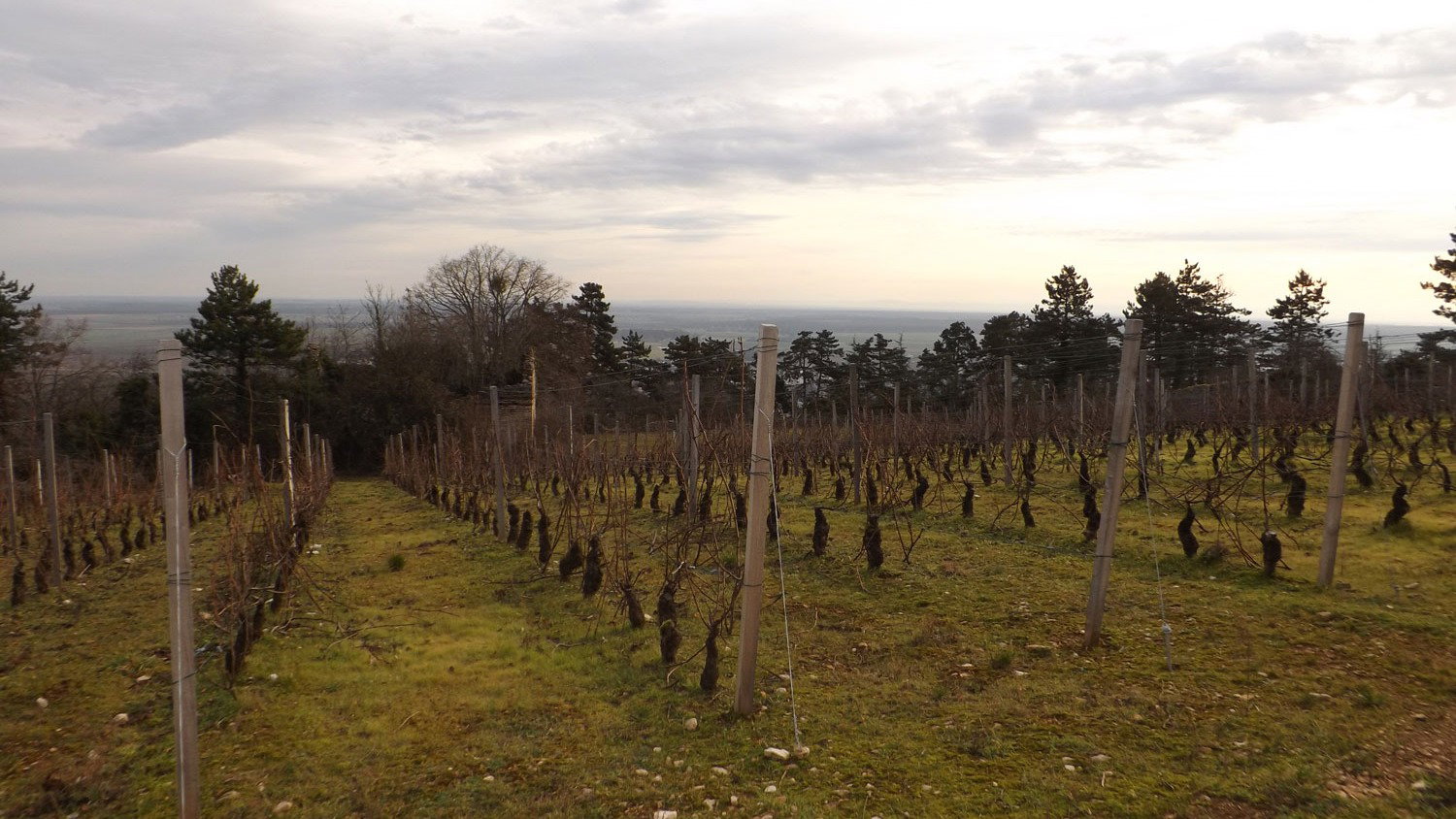
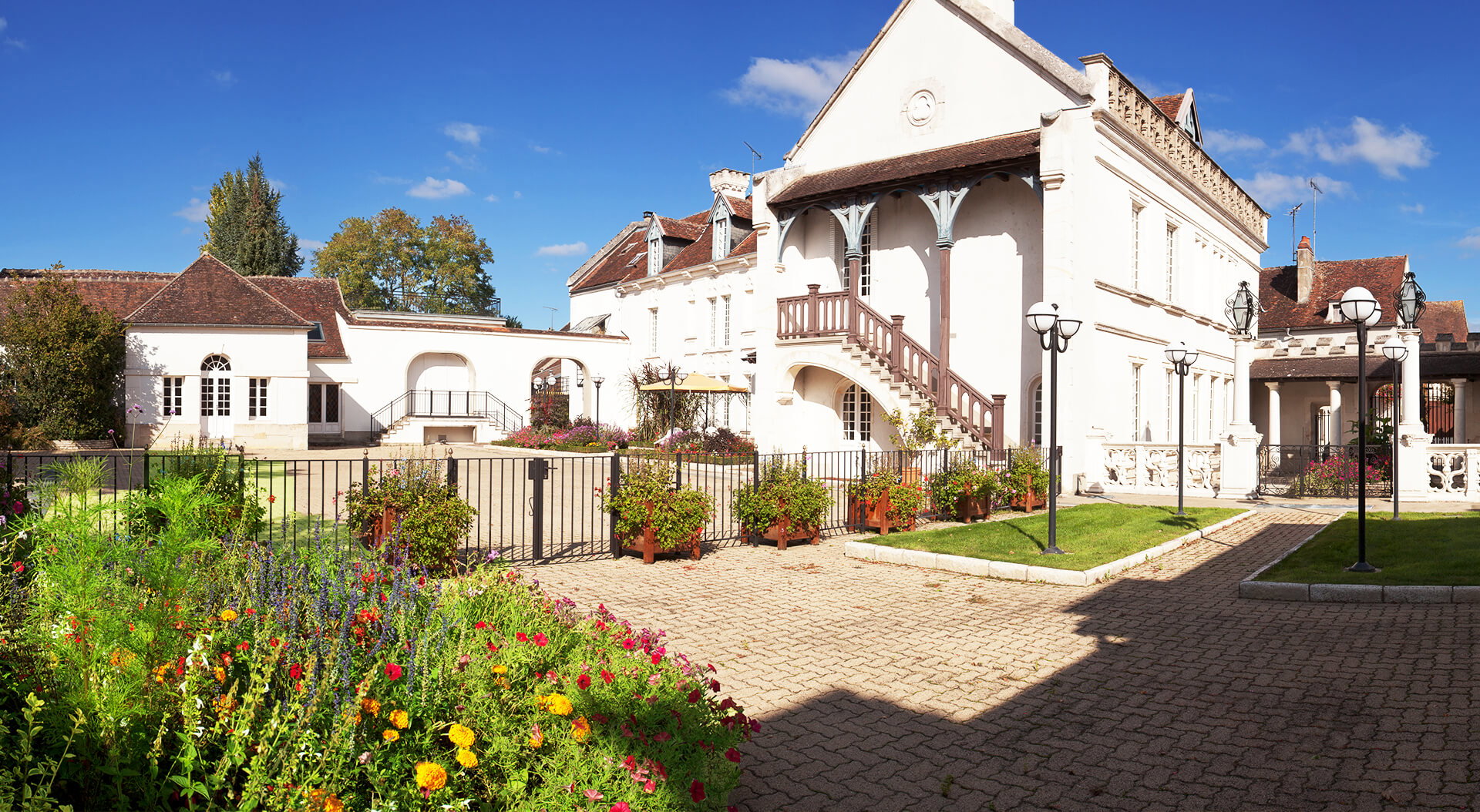
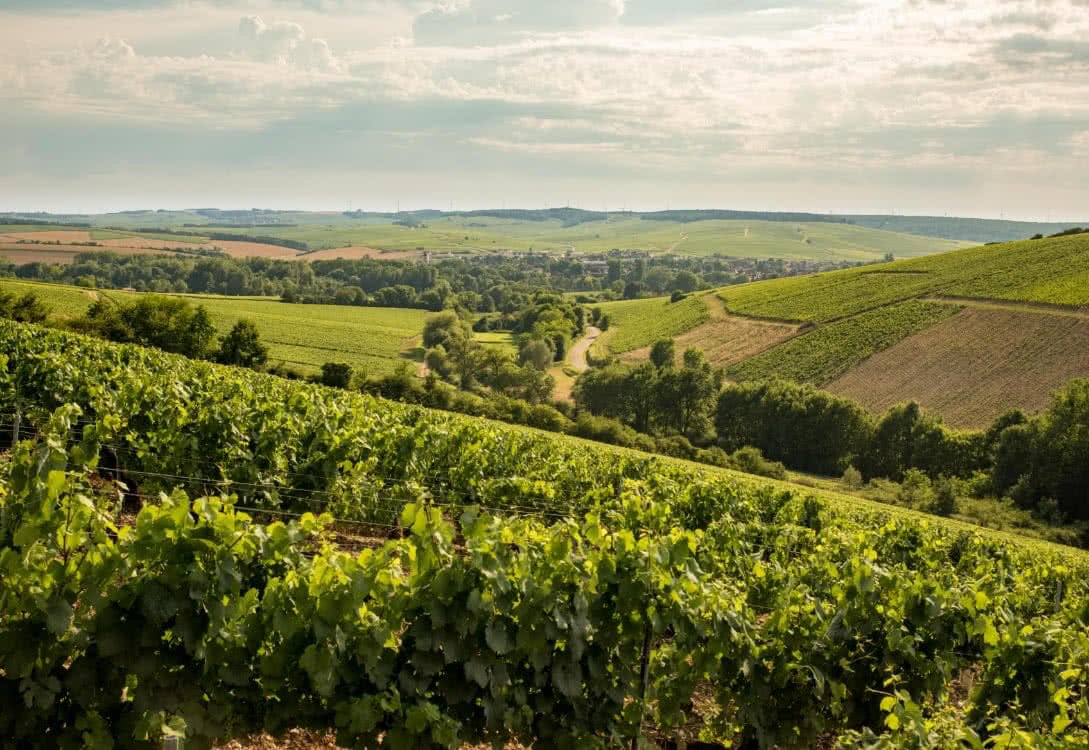
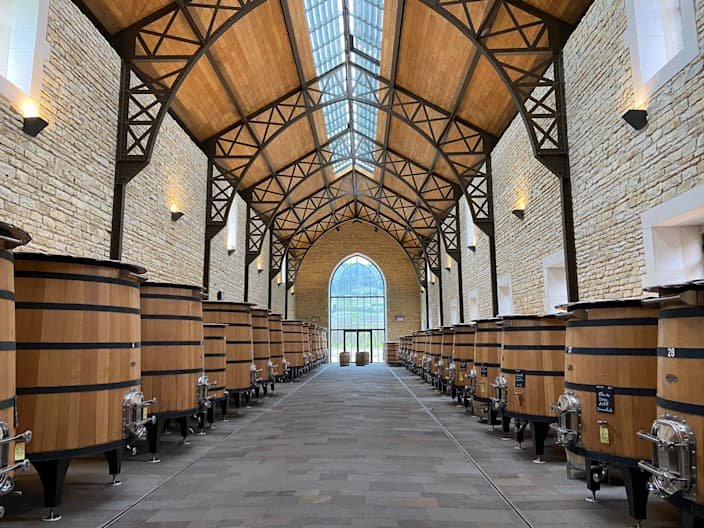
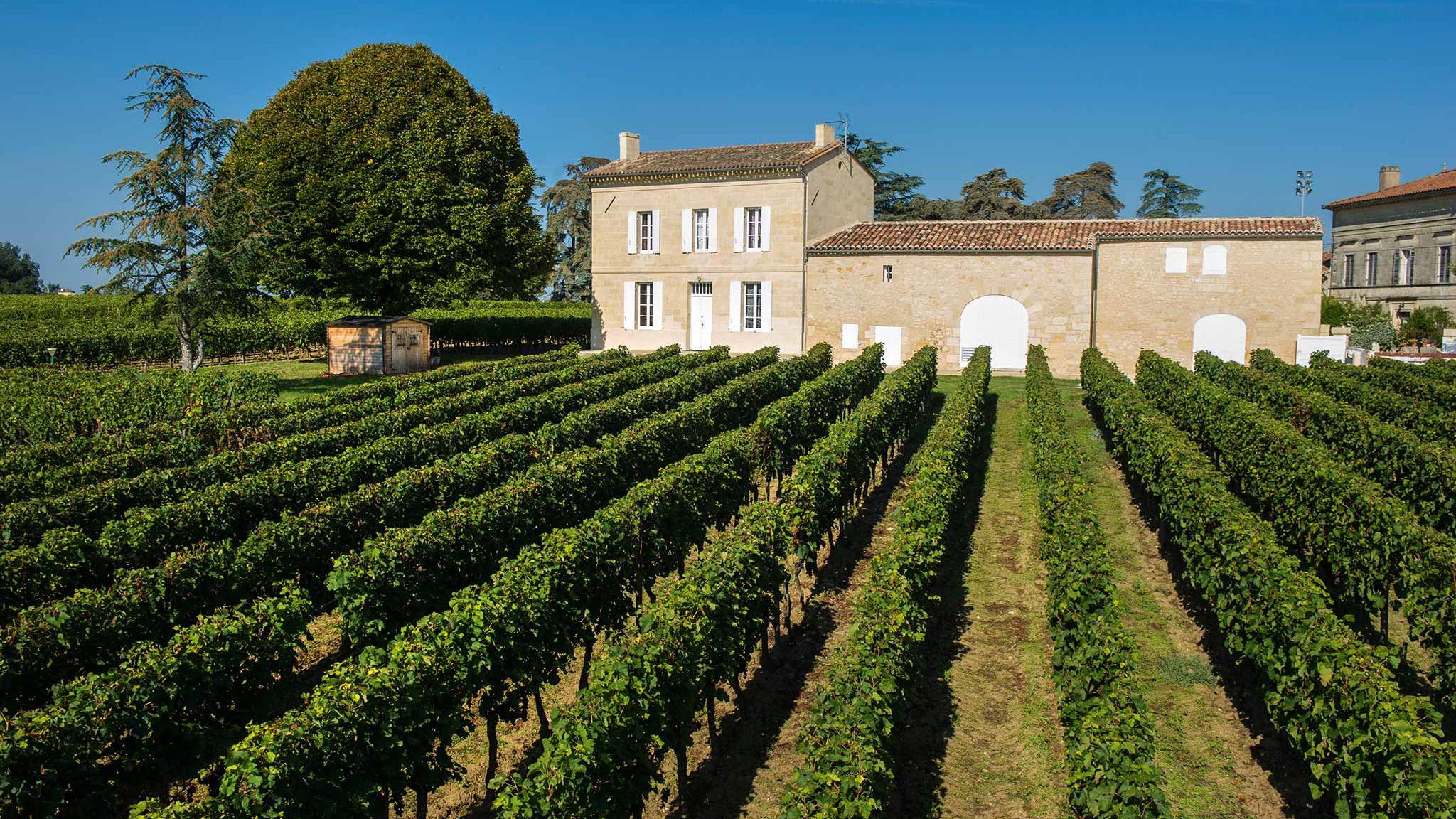
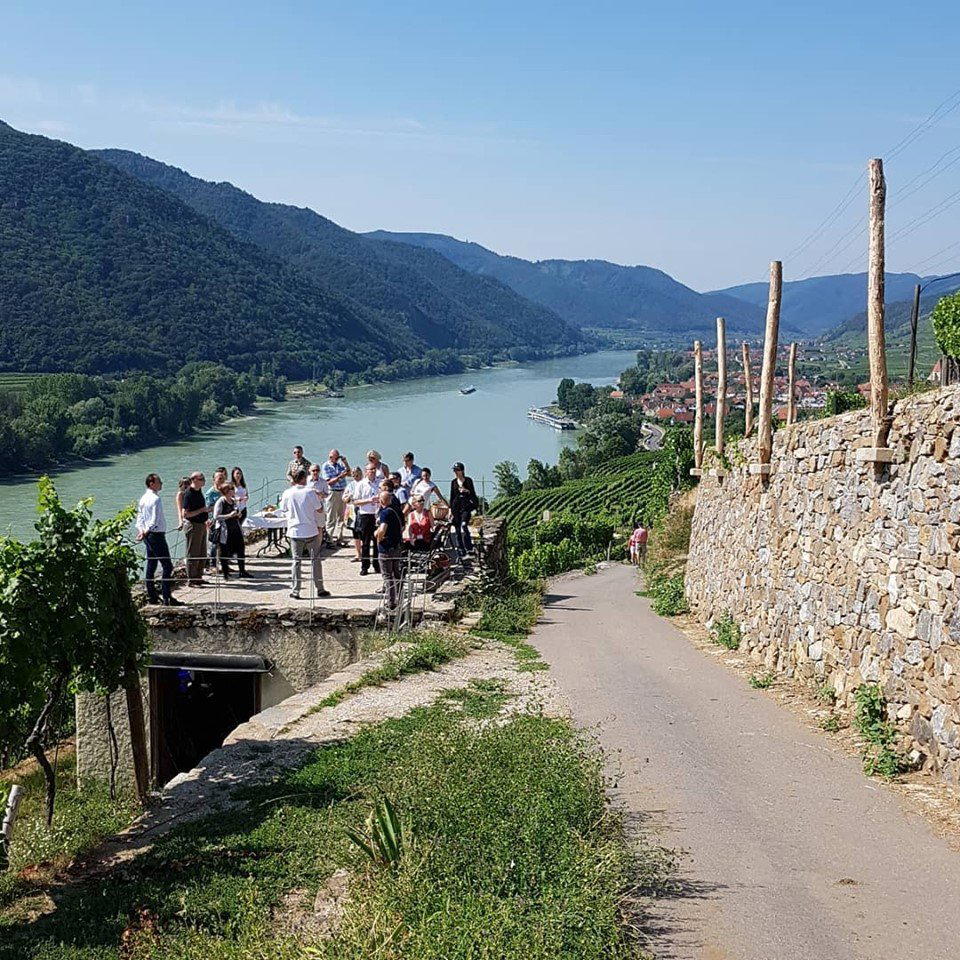
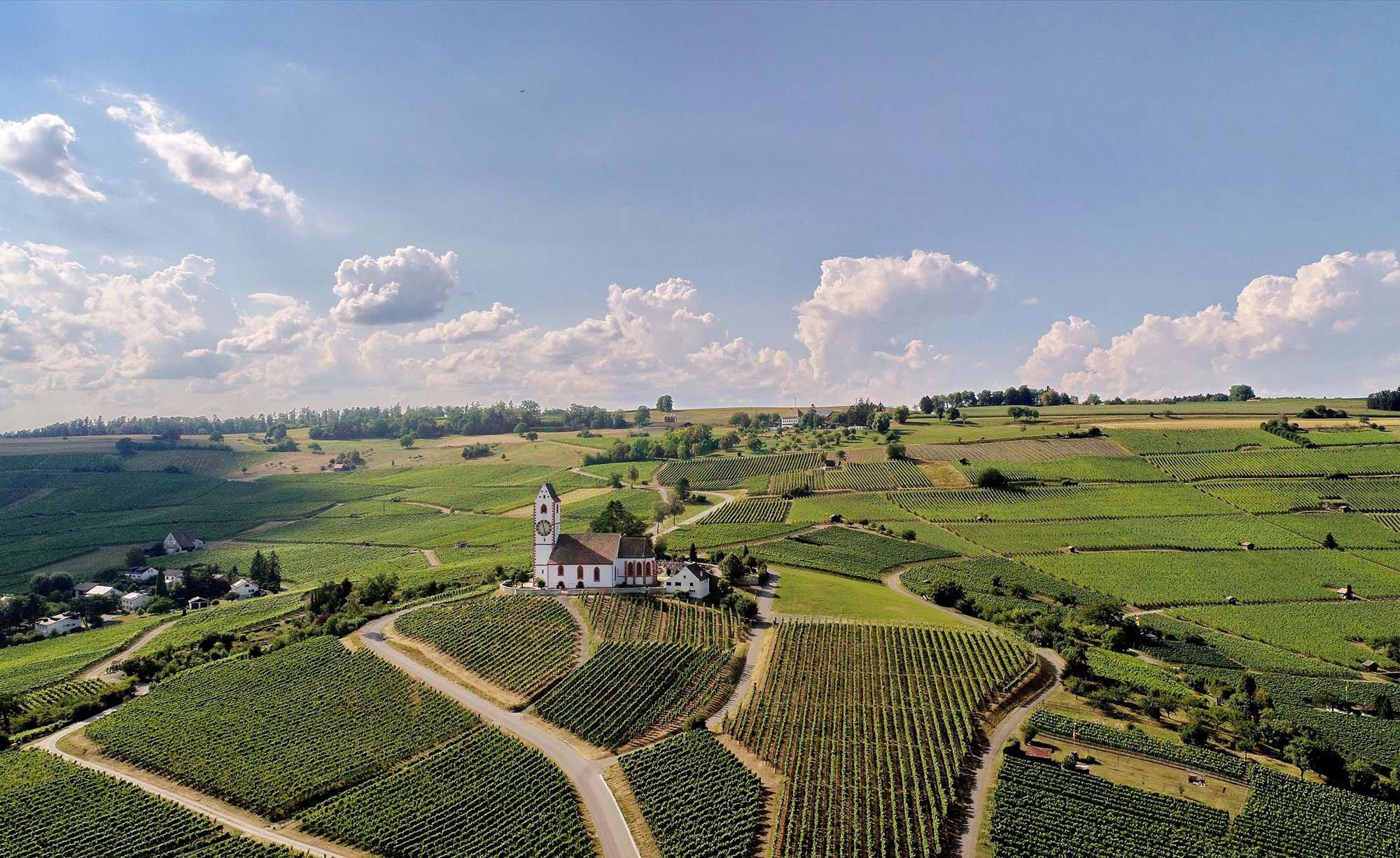
Domaine Billaud-Simon sits at the heart of Chablis, where the Serein river and chalky, Kimmeridgian hillsides shape both the landscape and the wines. The setting reads as quietly scenic and restrained: vineyards tilt toward pale light and a coolness pervades the valley, producing an atmosphere that favors contemplation over flash. The domaine’s placement on the Quai de Reugny at the river’s edge lends a picture-postcard quality to visits, while its 2025 Pearl 2 Star Prestige recognition signals a quietly confident, serious producer. Overall the place feels scenic and serene, a fitting home for mineral-driven Chardonnay.
Best For
This domaine is best for guests interested in learning about terroir and the architecture of Chablis wines. The copy dwells on Kimmeridgian limestone, mineral tension and ageing potential, making the estate a natural stop for wine-education visits and focused solo exploration. Its recognition among the appellation’s upper tier also makes it a worthy choice for marking a special occasion with bottles that reflect Chablis’s more austere, age-worthy style. Visitors who want a thoughtful, terroir-forward experience will find the setting and messaging well aligned with that aim.
Tasting Tips
When tasting or selecting bottles from Billaud-Simon, look for references to Kimmeridgian limestone and Premier- or Grand-Cru sites—these signal the mineral tension the text highlights. Expect taut, saline, mineral-driven Chardonnay rather than overtly oaky or buttery styles; choices that emphasize acidity and ageing potential are true to the domaine’s argument. Given the domaine’s Pearl 2 Star Prestige recognition, consider bottles from recent acclaimed vintages or estate-designated cuvées if you want to experience the producer at the upper tier described in the copy.
Venue details
Ambiance
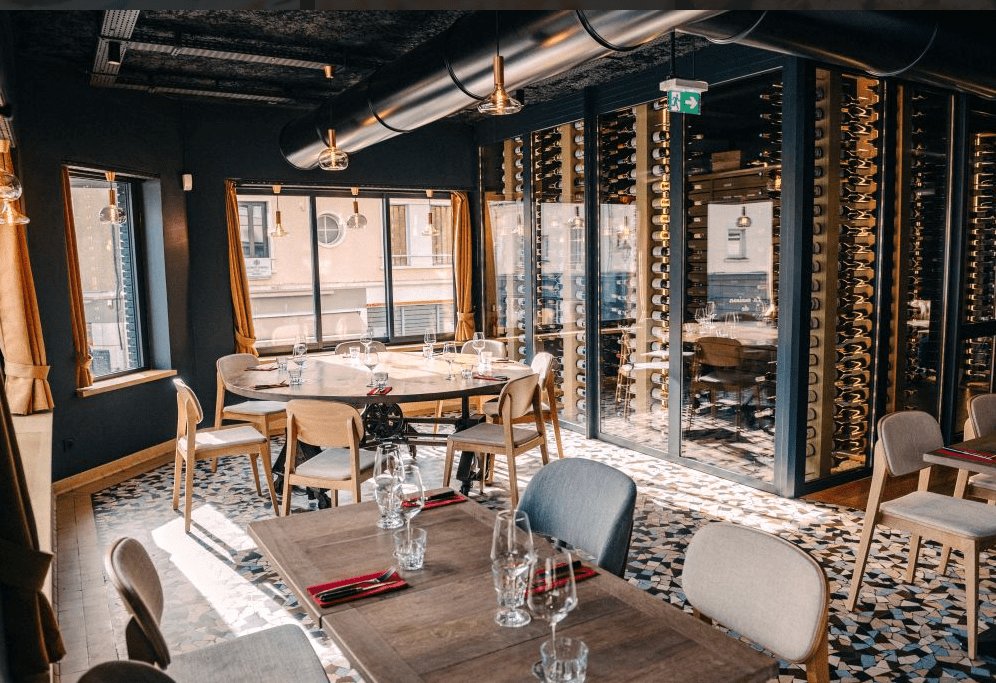
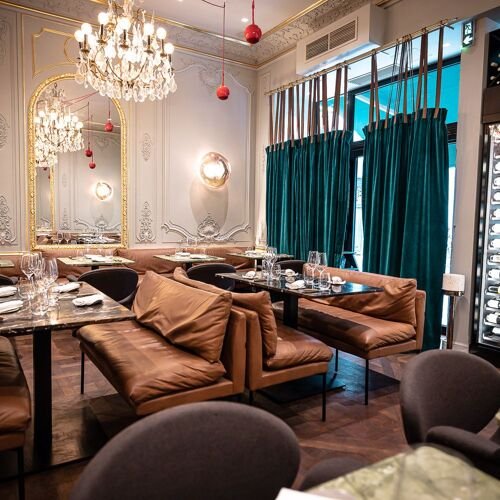
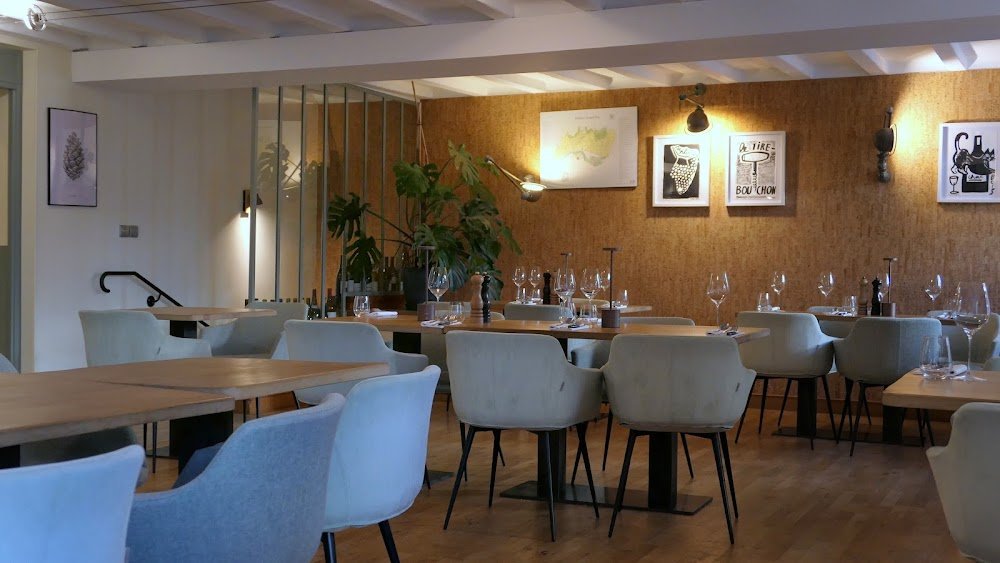
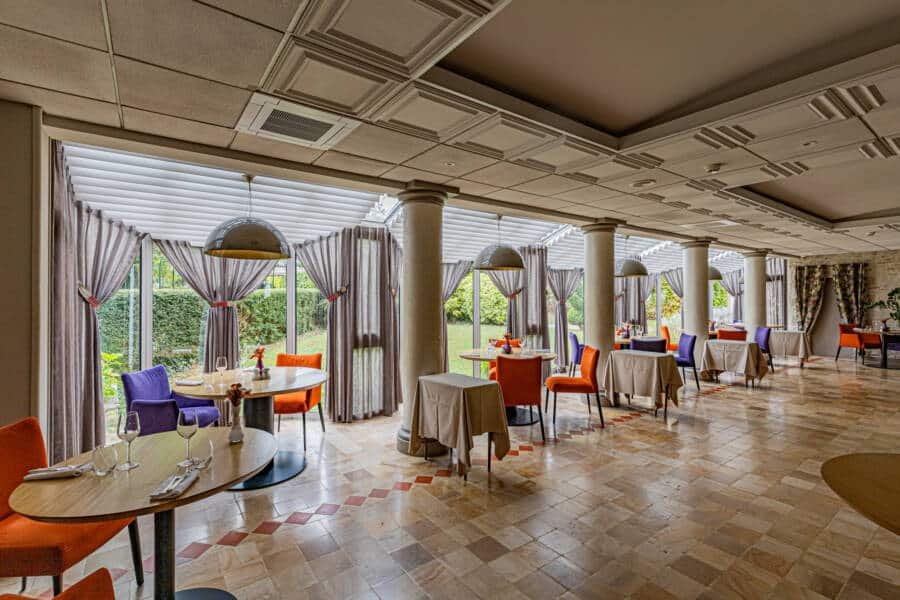
Elegant and refined with a focus on purity, minerality, and crisp freshness reflecting the Kimmeridgian terroir.
Tags
Vibe
Best For
Experience
View
At the Vineyard
- Appellation
- Chablis AOC
- Varietals
- Chardonnay
- Tour Duration
- 60-90 minutes
- Tour Languages
- French, English
- Visits
- By appointment only
- Production
- Small producer
- Wine Styles
- Still White
- Wine Club
- Not available
Know before you go
Know Before You Go
- Getting there
- 1 Quai de Reugny, 89800 Chablis
Planning details
Location
Recognition and awards

Also consider
Also Consider
- Domaine Louis Michel & Fils, Notable alternative
- Domaine Willian Fevre, Notable alternative
- Domaine Dauvissat, Notable alternative
- Domaine Eleni & Edouard Vocoret, Notable alternative
- Domaine François Lamarche, Notable alternative
Winery context
Domaine Billaud-Simon is the pick for readers who want a serious Chablis producer in the center of the appellation conversation, but it is not the easiest option to slot into a loose itinerary. Domaine Louis Michel & Fils is the more practical cross-shop if value and simplicity matter more than chasing the hardest appointments.
For prestige-focused drinkers, Domaine Dauvissat is the tougher comparison: choose it if access is the whole point and the trip can flex around the appointment. Choose Domaine Billaud-Simon if you want a serious Chablis stop without making the entire itinerary depend on one producer.
Domaine Eleni & Edouard Vocoret is the better alternative for a smaller, more contemporary-feeling Chablis visit, while Domaine François Lamarche works better as a Burgundy contrast than as a direct Chablis substitute. Domaine Willian Fevre is the other obvious name to check when availability is the deciding factor.
Explore Chablis
Around this place
Discover more on Pearl
Unlock the full Domaine Billaud-Simon guide in Pearl, including awards, comparisons, FAQs, planning details, and nearby places.
Compare Domaine Billaud-Simon
| Venue | Location | Awards |
|---|---|---|
| Domaine Billaud-Simon | Chablis | 2026 Falstaff Winery Guide |
| Domaine Louis Michel & Fils | Chablis | 2026 Falstaff Winery Guide |
| Domaine Willian Fevre | Chablis | No published awards |
| Domaine Dauvissat | Chablis | 2026 Falstaff Winery Guide2025 Pearl 4 Star Prestige |
| Domaine Eleni & Edouard Vocoret | Chablis | 2026 Falstaff Winery Guide |
| Domaine François Lamarche | Chablis | 2025 Pearl 3 Star Prestige |

How Domaine Billaud-Simon Chablis compares with similar nearby venues.
FAQ
Frequently Asked Questions
Do I need a reservation at Domaine Billaud-Simon?
Are wine club or allocation details for Domaine Billaud-Simon?
If membership or allocation information matters to you, check directly with Domaine Billaud-Simon and compare your options with other names such as Domaine Dauvissat or Domaine Eleni & Edouard Vocoret.
What other names can I compare with Domaine Billaud-Simon?
Consider Domaine Louis Michel & Fils, Domaine Willian Fevre, Domaine Dauvissat, Domaine Eleni & Edouard Vocoret, and Domaine François Lamarche alongside Domaine Billaud-Simon when building a broader shortlist.