

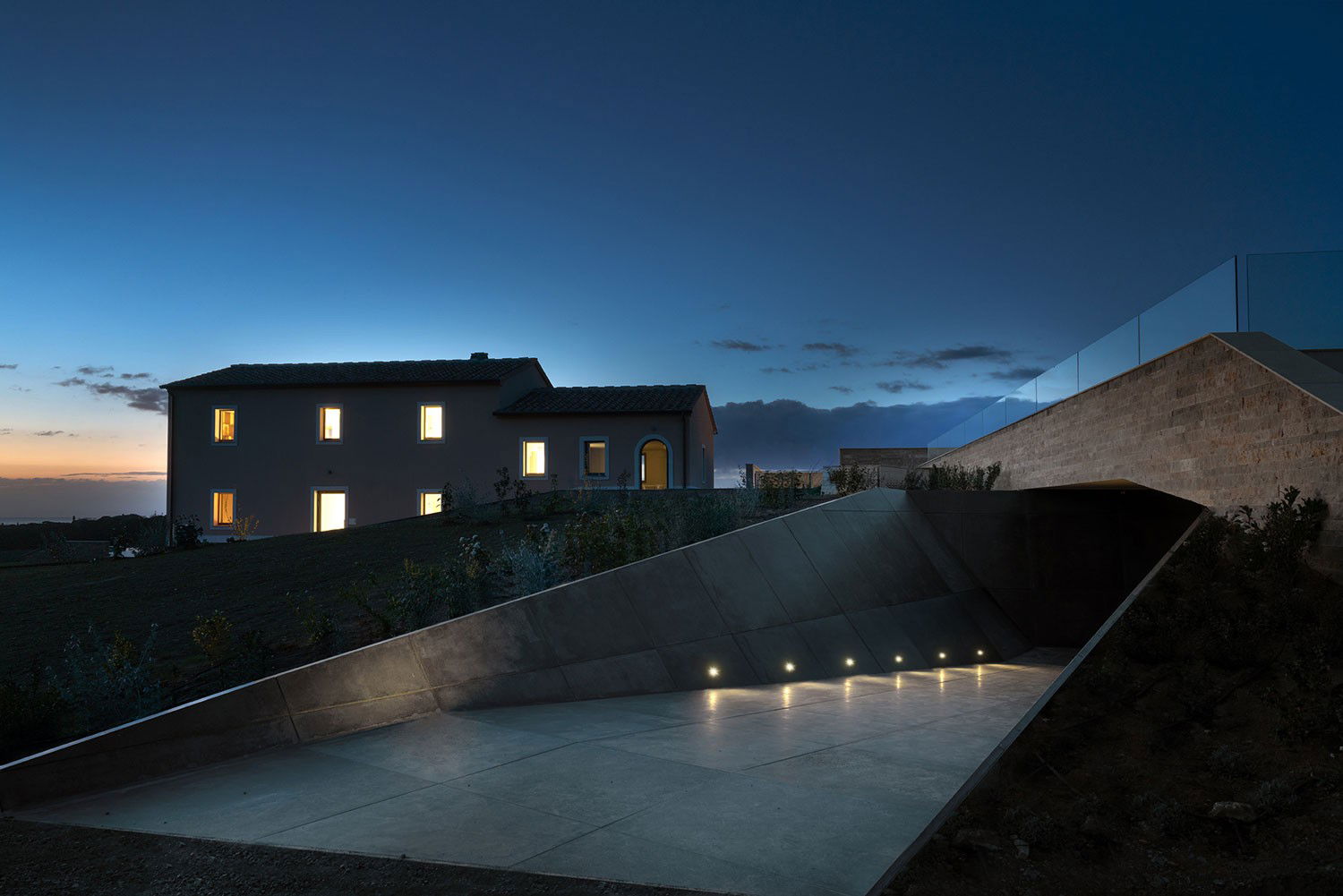


Masseto
Castagneto Carducci
Winery in Castagneto Carducci, Italy
 Book with Pearl
The Read
Clay-Terroir Merlot Monoculture
Why go
Masseto is a wine estate near Bolgheri in Castagneto Carducci, Tuscany.
About Masseto
For Masseto in Castagneto Carducci, the record is intentionally narrow. The confirmed details are that Masseto has Pearl 5 Star Prestige recognition for 2025, the dress code is smart casual, and Axel Heinz is listed as chef/owner until 2023. Beyond those points, specific claims about current visitor arrangements, menus, prices, hours, or services should be confirmed directly before planning around them.
The practical value question is therefore simple: consider Masseto if its name and Castagneto Carducci setting are already central to your trip. If you are comparing options, keep the comparison focused on regional names such as Ornellaia, Le Macchiole, Tenuta Guado al Tasso, Tenuta San Guido, and Tenuta di Biserno, or look more broadly at other dining and hospitality options in Castagneto Carducci.
Book for confirmed details, not assumptions
Masseto is best approached with direct confirmation rather than assumptions about what is available on a given day. Use the Castagneto Carducci restaurants guide, the Castagneto Carducci hotels guide, the Castagneto Carducci bars guide, and the Castagneto Carducci experiences guide to plan the rest of the trip around details you can verify.
For comparison planning, Ornellaia, Le Macchiole, Tenuta Guado al Tasso, Tenuta San Guido, and Tenuta di Biserno are the relevant named reference points. The safest approach is to compare only what each venue confirms directly, especially for access, timing, services, and visitor expectations.
Membership value depends on access
If the question is whether a direct relationship with Masseto is worth pursuing, the answer depends on what the venue confirms for you. The record confirms Masseto's Pearl 5 Star Prestige recognition for 2025 and smart casual dress code, but it does not verify a membership structure, pricing, hours, visitor format, or other current service details.
The practical verdict: treat Masseto as a recognized Castagneto Carducci venue with limited public details in this record. Confirm the current offer directly, then compare it with Ornellaia, Le Macchiole, Tenuta Guado al Tasso, Tenuta San Guido, Tenuta di Biserno, or other Castagneto Carducci options depending on the trip you want to build.
Planning details
- Location
- Località Ornellaia, 57022 Castagneto Carducci LI
- Website
- masseto.com/it
- Phone
- +39 366 121 2265
The take
The Take
The Vibe
Masseto presents as a focused, terroir-first estate perched above the Tyrrhenian, where a single ten-hectare parcel of Merlot on dense blue-grey marine clay defines the place. The writing emphasizes geology over fashion, tracing how this unusual soil moderates heat stress and yields wines with a structural profile closer to Bordeaux’s right bank. That seriousness of purpose—small scale, vineyard-specific, and cellaring-oriented—gives the estate an iconic, classic presence within Bolgheri. The setting feels calm and landscape-driven, more about the vineyard’s geology and long-term expression than about flash, which imparts a serene, contemplative aura to the site.
Best For
Masseto is best for serious wine lovers and collectors who prioritize terroir and cellaring potential. The estate’s argument is geological: Merlot planted on iron-rich, slow-draining blue clay produces tannic, ageworthy wines that reward patience. It suits tastings or visits centered on understanding site expression and is a natural fit for educational experiences that explore soil, varietal behavior in coastal Tuscany, and cellar aging. Given its focused production and prestige within Bolgheri, Masseto also fits special-occasion purchases for buyers seeking a wine that reflects a clearly articulated vineyard philosophy.
Tasting Tips
When selecting Masseto, prioritize structure and ageability over immediate fruit-driven appeal. The text highlights tannin architecture that 'rewards cellaring,' so consider acquiring bottles to hold for several years to allow the wine’s framework to harmonize. Look for established vintages with some bottle age if you want approachability now; otherwise, plan to add recent releases to a cellar. Because the estate’s identity is rooted in its blue-grey clay and single-parcel production, treat bottles as terroir statements rather than casual, short-term drinking wines.
Venue details
Ambiance
Discreet and pure exterior hiding an intriguing temple-like interior with monolithic concrete masses, evocative play of light and shadow, and a sense of weight and density evoking the surrounding earth.
Tags
Vibe
Best For
Experience
Sourcing
View
At the Vineyard
- Appellation
- Bolgheri
- Varietals
- Merlot
- Tour Duration
- 60-90 minutes
- Visits
- By appointment only
- Farming
- Sustainable
- Production
- Small producer
- Wine Styles
- Still Red
- Wine Club
- Not available
Know before you go
Know Before You Go
- Getting there
- Località Ornellaia, 57022 Castagneto Carducci LI
Planning details
Location
Recognition and awards

Also consider
Where to look if access does not work
Try Ornellaia first if the goal is a high-prestige Castagneto Carducci winery with broader appeal. For a second fallback, Le Macchiole is the better choice when the priority is regional depth rather than a single collector label.
Winery context
How Masseto compares in Castagneto Carducci
Masseto is the collector-first choice in this local set. Compared with Ornellaia, it is the narrower play: less useful for a mixed-interest group, stronger for someone who wants the most focused high-end wine appointment. Ornellaia is the safer recommendation when the group wants prestige with broader estate context.
Le Macchiole and Tenuta Guado al Tasso are better cross-shops for travelers who want serious Bolgheri context without making one rare-label target drive the whole itinerary. Tenuta San Guido is the obvious peer for label-driven collectors, while Tenuta di Biserno suits visitors who want another polished coastal Tuscan reference point.
The practical recommendation: choose Masseto if the trip is built around collecting and allocation value. Choose Ornellaia for the cleanest all-around visit, Le Macchiole or Tenuta Guado al Tasso for a broader regional read, and Tenuta San Guido when the priority is another benchmark name.
Explore Castagneto Carducci
Around this place
Discover more on Pearl
Unlock the full Masseto guide in Pearl, including awards, comparisons, FAQs, planning details, and nearby places.
Compare Masseto
| Venue | Location | Awards |
|---|---|---|
| Masseto | Castagneto Carducci | 2026 Falstaff Winery Guide2025 Pearl 5 Star Prestige |
| Ornellaia | Castagneto Carducci | No published awards |
| Le Macchiole | Bolgheri | 2026 Falstaff Winery Guide |
| Tenuta Guado al Tasso | Bolgheri | 2026 Falstaff Winery Guide2025 Pearl 4 Star Prestige |
| Tenuta San Guido | Bolgheri | 2026 Falstaff Winery Guide2025 Pearl 5 Star Prestige |
| Tenuta di Biserno | Bolgheri | 2026 Falstaff Winery Guide |
How Masseto Castagneto Carducci compares with similar nearby venues.
FAQ
Frequently Asked Questions
How long should I plan for a visit to Masseto?
Plan only after confirming current access, timing, and any appointment requirements directly with Masseto in Castagneto Carducci.
Is a membership relationship with Masseto worth pursuing?
If that matters to your planning, ask Masseto directly and compare the confirmed details with Ornellaia, Tenuta San Guido, or Tenuta Guado al Tasso.
Does Masseto serve food?
Treat any food-related planning as unconfirmed unless Masseto verifies it directly.
What is the key recognition for Masseto?
Masseto in Castagneto Carducci is with Pearl 5 Star Prestige recognition for 2025. Axel Heinz is listed as chef/owner until 2023, and the dress code is smart casual.