Viña Morandé
Casablanca Valley, Casablanca
Winery in Casablanca, Morocco
 Book with Pearl
The Read
Coastal Terroir Elegance
Why go
Viña Morandé is a better fit for a planned wine-focused visit than a casual drop-in. Prioritise it if you can confirm a private or upgraded tasting that adds substance, not just a quieter room; otherwise keep the appointment concise and plan food, transport, and the rest of the day separately.
About Viña Morandé
Viña Morandé is a venue in Casablanca with Pearl 1 Star Prestige recognition for 2025. Details are limited, so planning should stay simple and confirmation-led.
Use the recognition as a reason to look more closely, not as a substitute for practical checks. Before arranging a visit, confirm the current format, timing, availability, and any services directly with the venue through its own channels.
Plan the visit around confirmed details
If you are considering Viña Morandé as part of a Casablanca itinerary, build the plan around confirmed information rather than assumptions. Information about food service, hours, group capacity, or a specific visit format is not available, so those details should be checked before the rest of the day is set.
Plan the surrounding day conservatively and use broader city resources to fill in the rest of the itinerary: Our full Casablanca restaurants guide, Our full Casablanca hotels guide, and Our full Casablanca bars guide.
Quick reference: Viña Morandé is in Casablanca and holds Pearl 1 Star Prestige recognition for 2025; confirm all visit details directly before committing your plans.
Planning details
- Location
- Casablanca, Morocco
The take
The Take
The Vibe
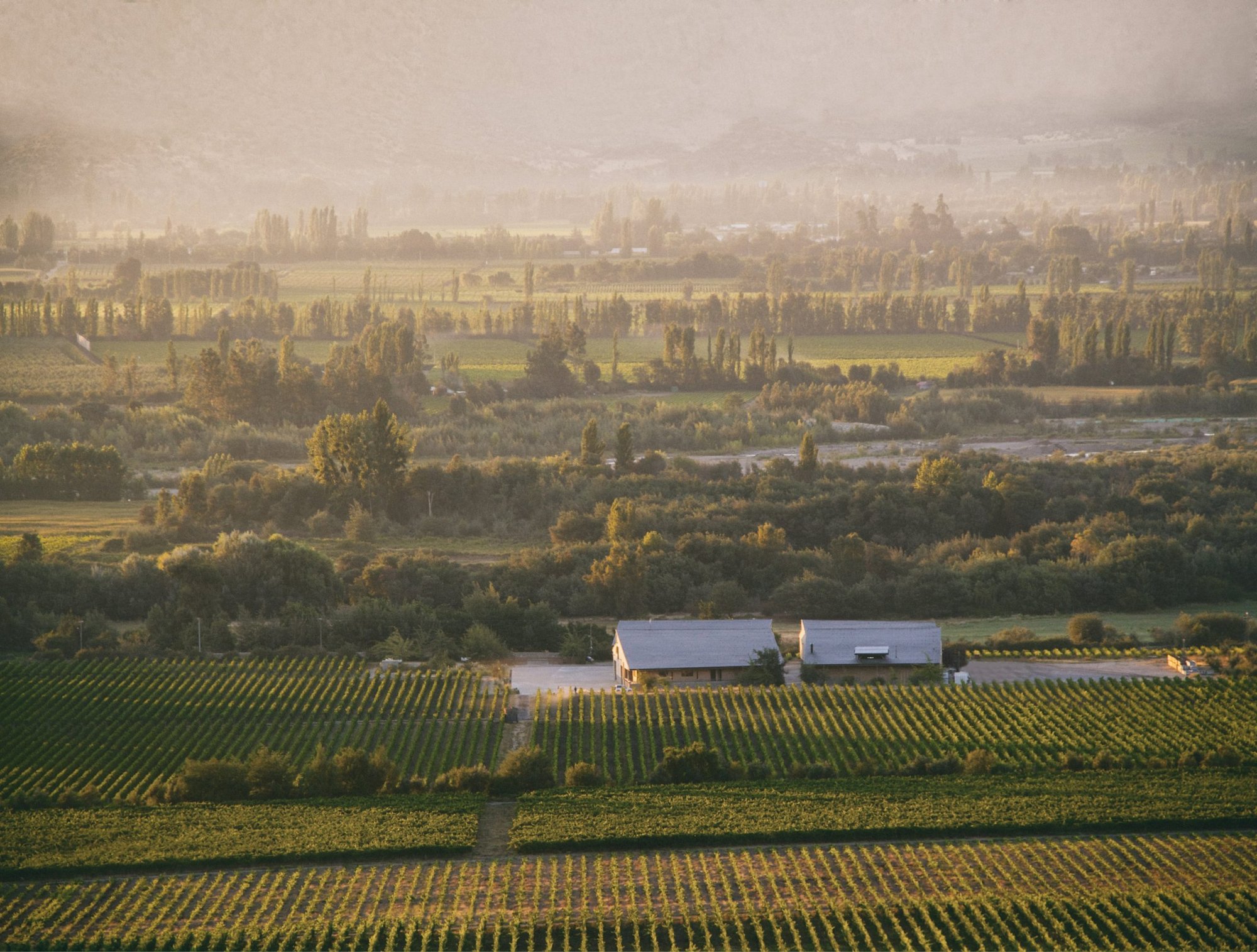
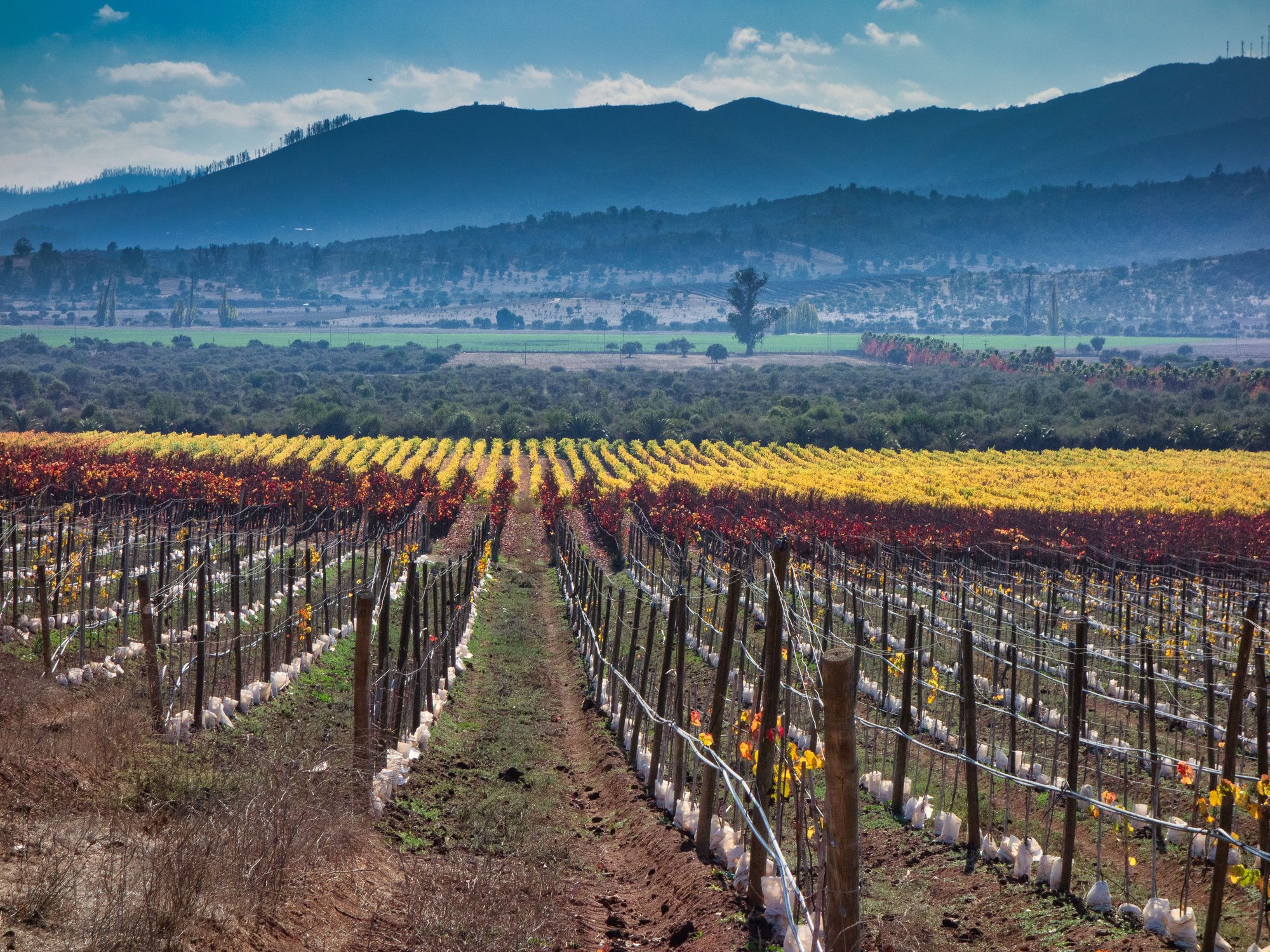
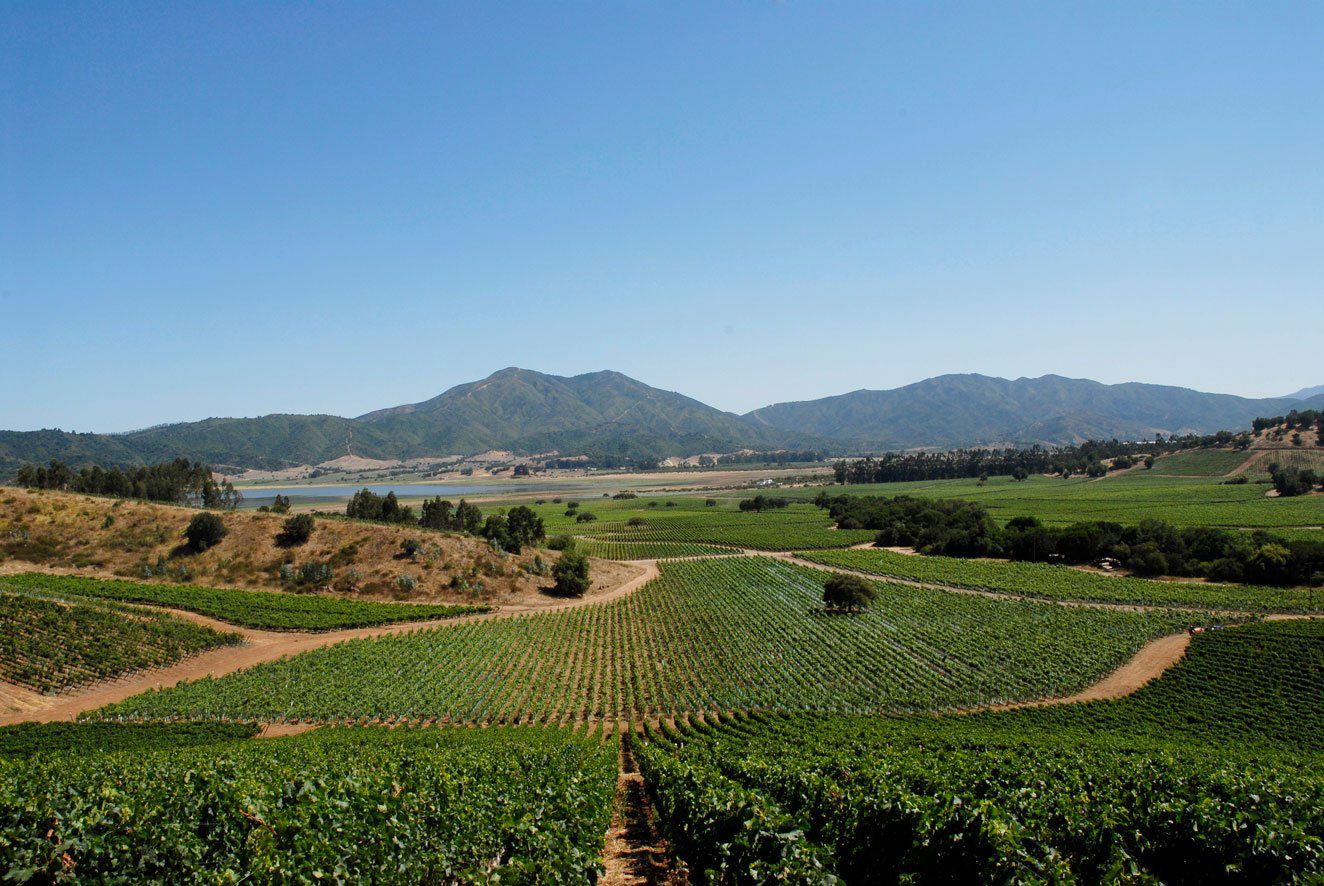
Viña Morandé sits within the cool, fog-kissed landscape of Casablanca Valley, where the Pacific’s influence shapes a low, lingering morning mist and a patchwork of vine rows across rolling hills. The piece frames the estate as terroir-first: the climate and valley orientation are presented as central to the wines. Rather than spectacle, the tone is quietly authoritative — this is a place where place matters, and where the environment informs winemaking choices. Visitors encounter a measured, scenic setting that foregrounds viticulture and cool-climate expression rather than flashy visitor trappings.
Best For
This profile is best for wine enthusiasts and anyone curious about how coastal influence and terroir shape Chilean wines. The write-up highlights Casablanca’s cool-climate whites standing alongside Carmenère and Cabernet, so the estate appeals to people who want to compare varietal styles in a single appellation. It also suits readers seeking context — the winery’s recognition within a fine-wine corridor and the emphasis on terroir make Morandé a good stop for those focused on vineyard-driven tasting and regional comparisons rather than quick souvenir tasting.
Tasting Tips
When engaging with Morandé’s portfolio, prioritize tastings that illustrate the valley’s cool-climate character alongside its red varieties. The description specifically contrasts cool-climate white varieties with Carmenère and Cabernet, so sample both types to appreciate the site-driven differences. Ask about vineyard sites and the valley’s east–west orientation — those details are central to the narrative and will deepen understanding of ripening, yields and stylistic choices. Keep the conversation focused on terroir and comparative tasting rather than on generic winery amenities, which are not detailed here.
Venue details
Ambiance
A pioneering, sustainability-minded winery with a cool-climate Casablanca Valley identity and a creative-laboratory feel, including an underground, gravity-fed cellar for its more daring wines.
Tags
Vibe
Best For
Experience
Sourcing
View
At the Vineyard
- Appellation
- Casablanca Valley
- Varietals
- Gewürztraminer, Sauvignon Blanc, Pinot Noir, Cabernet Sauvignon
- Tour Duration
- 4h
- Tour Languages
- English, Spanish
- Visits
- By appointment only
- Farming
- Sustainable
- Production
- Small producer
- Wine Styles
- Still White, Still Red, Sparkling
- Founded
- 1996
- Wine Club
- Available
Planning details
Location
Casablanca, Morocco · Directions
Around this place
Discover more on Pearl
Unlock the full Viña Morandé guide in Pearl, including awards, comparisons, FAQs, planning details, and nearby places.
FAQ
Frequently Asked Questions
Does Viña Morandé serve food?
When is the best time to visit Viña Morandé?
Are specific offerings at Viña Morandé ?
Specific offerings are not available. For current details, consult Viña Morandé directly before your Casablanca visit.
Are membership or repeat-purchase options for Viña Morandé?
Are additional services for Viña Morandé?
Can Viña Morandé handle large groups?
Information on group capacity is not available. Larger parties should contact Viña Morandé directly to confirm whether the venue can accommodate the requested date and format.
How long should I plan for a visit to Viña Morandé?
A specific visit length is not available. Confirm the current format and timing directly with Viña Morandé before setting the rest of your Casablanca plans.