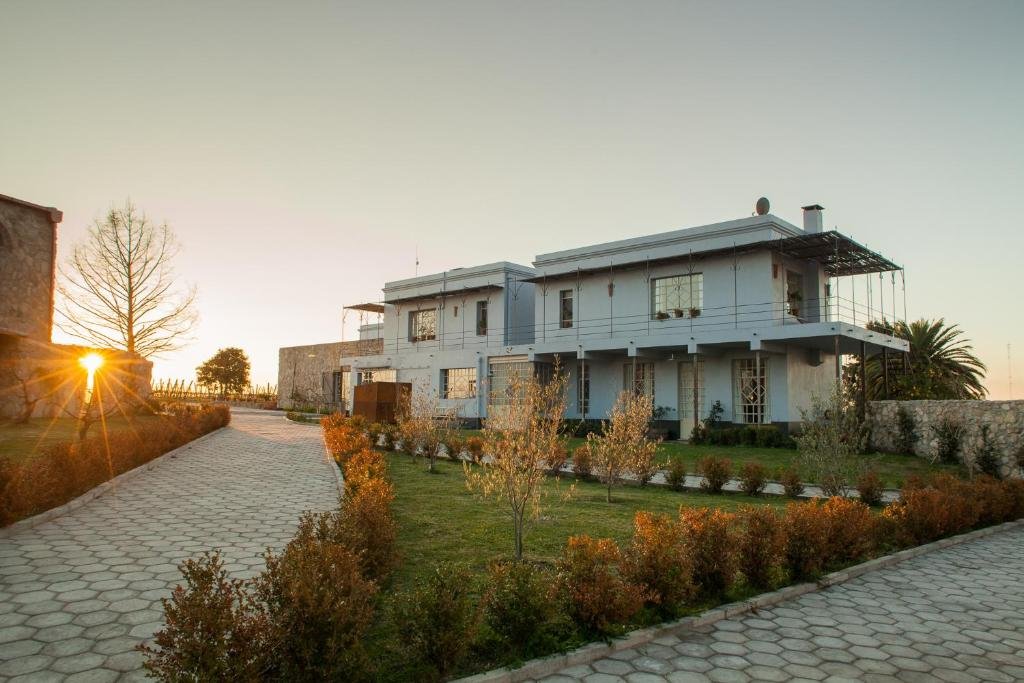
Narbona Wine Lodge
Carmelo
Winery in Carmelo, Uruguay
 Book with Pearl
The Read
Vineyard-Rooted Lodge Stay
Price
$50–100tasting
Why go
Narbona Wine Lodge is the Carmelo choice for a slower, occasion-led wine stay rather than a quick tasting stop. It makes sense for couples and small groups who want countryside calm built into the experience, but access is difficult enough that it should anchor the itinerary, not fill a spare afternoon.
About Narbona Wine Lodge
Narbona Wine Lodge is a Carmelo venue with a smart casual dress code and 2 Star Prestige recognition for 2025. These are useful anchors for planning: the location, the level of recognition, and the general expectation around how guests should present themselves. Before planning around menus, hours, prices, rooms, tastings, booking difficulty, or services, confirm the current details directly with the venue. Treat any general description as a starting point for questions rather than as the basis for a fixed itinerary.
Use it as an option when the venue name and recognition make it relevant to your itinerary, but avoid assuming a particular dining format, beverage program, or visit length from third-party descriptions alone. In a destination like Carmelo, where venues can appeal to travelers for different combinations of hospitality, wine, food, and setting, the safest approach is to clarify the current offering before locking in plans. For broader planning, compare it with venues such as Bodega Los Cerros de San Juan, Campotinto, El Legado, Familia Irurtia, and South Spirits Lab, or browse Our full Carmelo hotels guide.
A Carmelo venue with confirmed recognition
The core planning facts are simple: Narbona Wine Lodge is in Carmelo, the dress code is smart casual, and it carries 2 Star Prestige recognition for 2025. That makes it a venue to consider for a polished Carmelo plan, especially if you are narrowing a list around places with a clearly stated level of recognition. The smart casual code also gives a useful cue for packing and presentation, suggesting a neat, composed approach rather than something overly informal. Still, those facts do not define the full shape of a visit, so check the exact experience with the venue.
Before relying on assumptions about food service, tastings, accommodation, group capacity, or reservations, contact the venue directly. A name that includes “Wine Lodge” may naturally lead travelers to expect certain elements, but expectations should not replace confirmation. If the visit is meant to anchor a day in Carmelo, contact the venue before finalizing transport, meal timing, companion plans, or any surrounding stops. Confirm the current offering directly, then build the rest of the itinerary around what the venue actually provides.
Who should consider Narbona Wine Lodge
Choose Narbona Wine Lodge if you want a Carmelo venue with smart casual expectations and 2 Star Prestige recognition. It is most useful in planning when those two details are enough to place it on your shortlist, particularly for travelers who prefer venues with a more polished signal than a purely casual stop. It may also suit an itinerary where the emphasis is on selecting a recognized Carmelo name first, then clarifying the practical details afterward. If your decision depends on a specific format, meal, beverage list, price point, or schedule, check those details before committing.
For comparison, consider Bodega Los Cerros de San Juan, Campotinto, El Legado, Familia Irurtia, and South Spirits Lab, or look at other dining and hospitality options generically. The goal is not to assume that these venues offer the same kind of experience, but to use them as reference points while you gather current, direct information. Keep the comparison focused on current details rather than assumptions about format or services. Once the basics are confirmed, you can decide whether Narbona Wine Lodge fits the tone, timing, and level of certainty you need for your Carmelo plans.
Planning details
- Location
- 3JGG+G3G 21, 70100 Carmelo, Departamento de Colonia
- Website
- narbona.com.uy
- Phone
- +598 4544 6831
The take
The Take
The Vibe
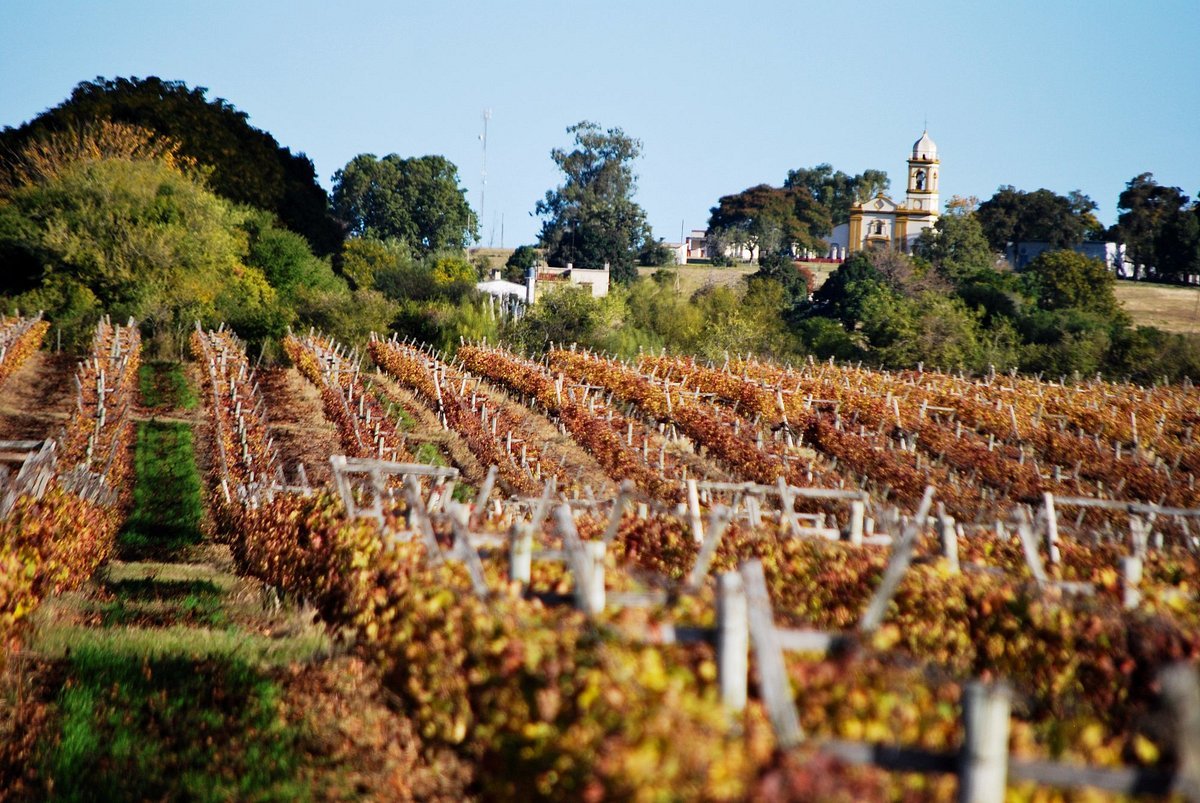
Narbona sits among Carmelo’s cluster of rural estates, presenting an estate-scale wine lodge experience shaped by the nearby Río de la Plata. The property reads as quietly refined and rustic rather than urbane: unpaved roads, vineyard edges and river-moderated landscapes define the setting. Its Pearl 2 Star Prestige rating signals that the experience leans toward serious hospitality and production credibility rather than casual weekend tasting. Visitors encounter a contemplative, scenic pace—walkable grounds, pastoral views and a sense of being on an agricultural estate rather than in a busy wine village.
Best For
The lodge is best for travelers who prioritize wine education, landscape-driven relaxation and discreet, high-quality estate hospitality. Because Narbona is placed within Carmelo’s wine corridor and described in terms of production credibility and experience quality, it naturally suits guests seeking deeper context on local viticulture and quiet, scenic stays. It also fits couples and small-party celebrations that value privacy and rural character over nightlife: the property rewards relaxed exploration of estate grounds and riverside environs.
Venue details
Ambiance
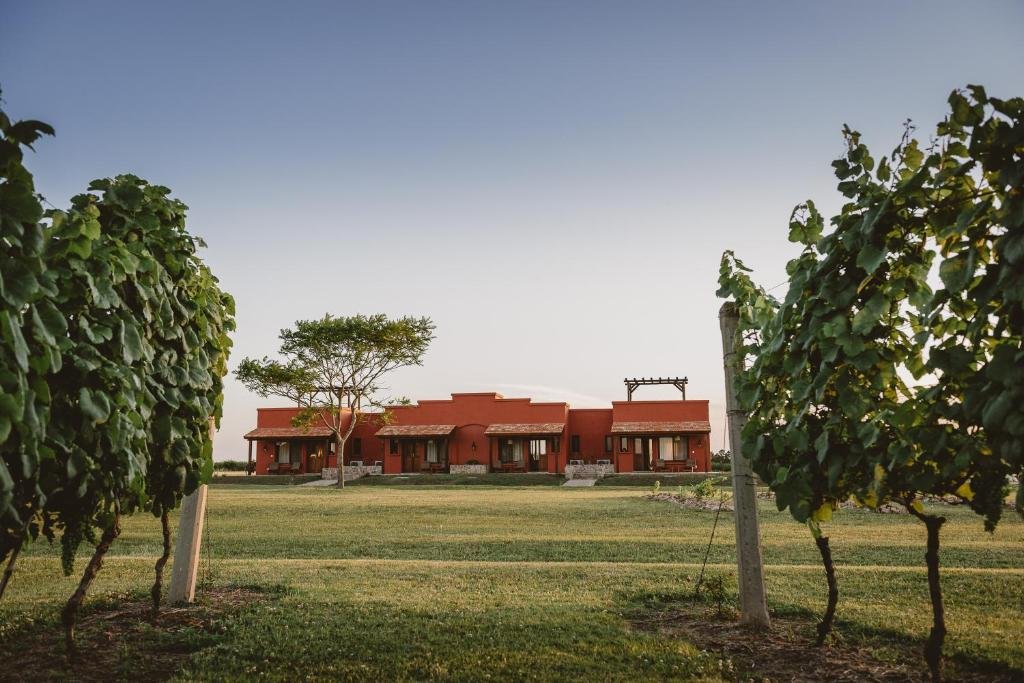
Tranquil and refined with peaceful historic charm, spacious rooms overlooking vineyards, soft lighting from fireplaces, and a deeply relaxing atmosphere.
Tags
Vibe
Best For
Experience
View
At the Vineyard
- Varietals
- Tannat, Pinot Noir, Sauvignon Blanc, Rose
- Tour Duration
- 30-60 minutes
- Tour Languages
- Spanish, English
- Visits
- By reservation
- Production
- Small producer
- Wine Styles
- Still Red, Still White, Still Rose, Sparkling
- Food Pairing
- Offered
- Wine Club
- Not available
Know before you go
Know Before You Go
- Getting there
- 3JGG+G3G 21, 70100 Carmelo, Departamento de Colonia
Planning details
Location
Also consider
Where to look if it is unavailable
If Narbona Wine Lodge is unavailable, try Campotinto first for a Carmelo alternative with a similar wine-country trip fit. El Legado is the other sensible fallback when the goal is to stay within Carmelo rather than reroute the itinerary.
Winery context
How it compares in Carmelo
Against Campotinto, El Legado, and Familia Irurtia, Narbona Wine Lodge is the stronger choice when the visit needs to feel like the main event. The lodge format gives it more occasion weight, while the other Carmelo names are better cross-shops if the priority is a simpler winery stop or a less itinerary-defining visit.
For value, start with Campotinto or El Legado if the group wants the Carmelo wine setting without building the whole day around one venue. For ambience and celebration pacing, Narbona Wine Lodge has the clearer brief. For broader heritage-style comparison outside the immediate Carmelo set, Bodega Los Cerros de San Juan is the more obvious longer-range alternative.
South Spirits Lab is a different kind of drinks-led cross-shop, better for travelers who care more about experimentation than wine-country lodging. If the trip is centered on Carmelo, keep Narbona Wine Lodge for the special occasion and use Familia Irurtia or Campotinto as the easier secondary stop.
Explore Carmelo
Around this place
Discover more on Pearl
Unlock the full Narbona Wine Lodge guide in Pearl, including awards, comparisons, FAQs, planning details, and nearby places.
Compare Narbona Wine Lodge
| Venue | Location | Awards |
|---|---|---|
| Narbona Wine Lodge | Carmelo | No published awards |
| Campotinto | Carmelo | No published awards |
| El Legado | Carmelo | No published awards |
| Familia Irurtia | Carmelo | 2026 Falstaff Winery Guide |
| Bodega Los Cerros de San Juan | Colonia del Sacramento | No published awards |
| South Spirits Lab | Buenos Aires | No published awards |

How Narbona Wine Lodge Carmelo compares with similar nearby venues.
FAQ
Frequently Asked Questions
When is the best time to visit Narbona Wine Lodge?
The best time to visit depends on the current schedule and offering, so confirm timing directly with Narbona Wine Lodge. The key planning facts are that it is in Carmelo, has a smart casual dress code, and holds 2 Star Prestige recognition for 2025.
Does Narbona Wine Lodge serve food?
Contact Narbona Wine Lodge directly before assuming a meal, tasting, menu, or specific service format is available.