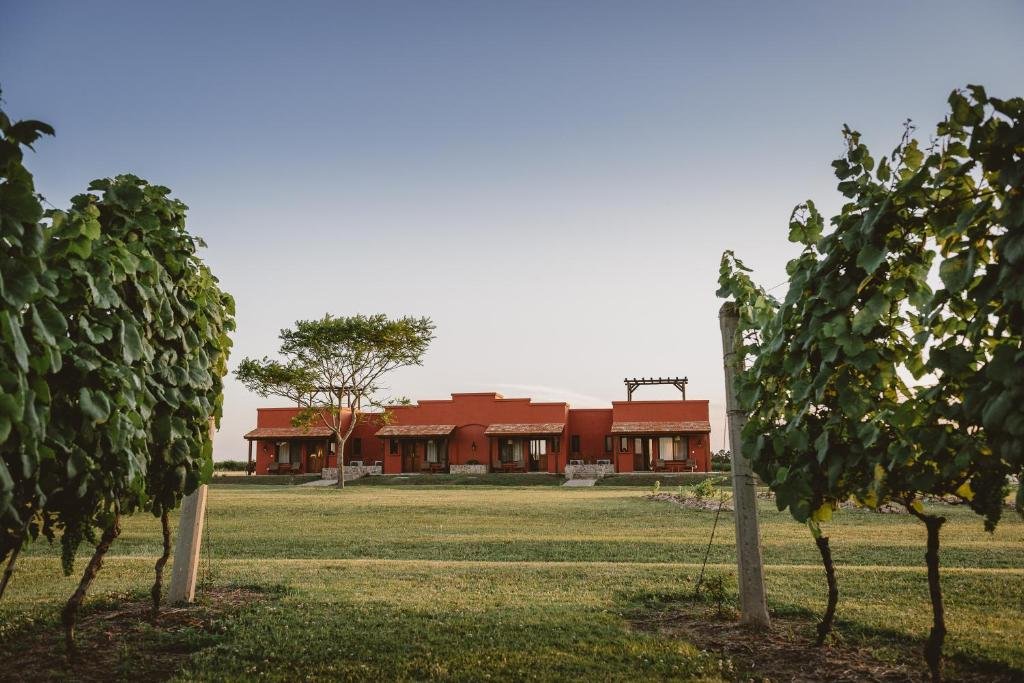
El Legado
Carmelo
Winery in Carmelo, Uruguay
 Book with Pearl
The Read
Río de la Plata Terroir Hospitality
Price
$50–100tasting
Why go
El Legado is a strong fit for a quiet, special-occasion winery stop in Carmelo, especially for couples or small groups who value atmosphere over a highly packaged visitor experience. Cross-shop Narbona Wine Lodge for a more established wine-lodge setup, or Campotinto and Familia Irurtia for easier Carmelo itinerary planning.
About El Legado
El Legado is a Carmelo venue with smart casual dress code and 2 Star Prestige recognition for 2025.
Travelers comparing options can also look at Narbona Wine Lodge, Campotinto, and Familia Irurtia, while keeping El Legado on the shortlist for a Carmelo stop with confirmed Prestige recognition.
A Carmelo choice with limited planning detail
El Legado may suit travelers looking at Carmelo venues with confirmed recognition. The safest planning approach is to confirm the current offering directly with the venue before assuming what a visit includes.
Use the confirmed smart-casual dress code as the practical baseline, and avoid relying on assumptions about availability, timing, or scheduled service. For overnight planning, pair it with the Carmelo hotels guide.
Who should book, and who should cross-shop
Book El Legado if you want a Carmelo venue with 2 Star Prestige recognition and you are comfortable confirming the operational details directly. Cross-shop if you need information on timing, food, price, or group arrangements before committing. Other venues to compare include Bodega Los Cerros de San Juan, Campotinto, Familia Irurtia, Narbona Wine Lodge, and South Spirits Lab.
For travelers mapping a fuller Carmelo stay, keep the decision grounded in confirmed details: El Legado is in Carmelo, has a smart-casual dress code, and carries 2 Star Prestige recognition for 2025. Anything beyond that should be checked with the venue before planning around it.
Planning details
- Location
- Ramal Ruta 97, 70100 Carmelo, Departamento de Colonia
- Website
- bodegaellegado.com.uy
- Phone
- +598 98 666 001
The take
The Take
The Vibe
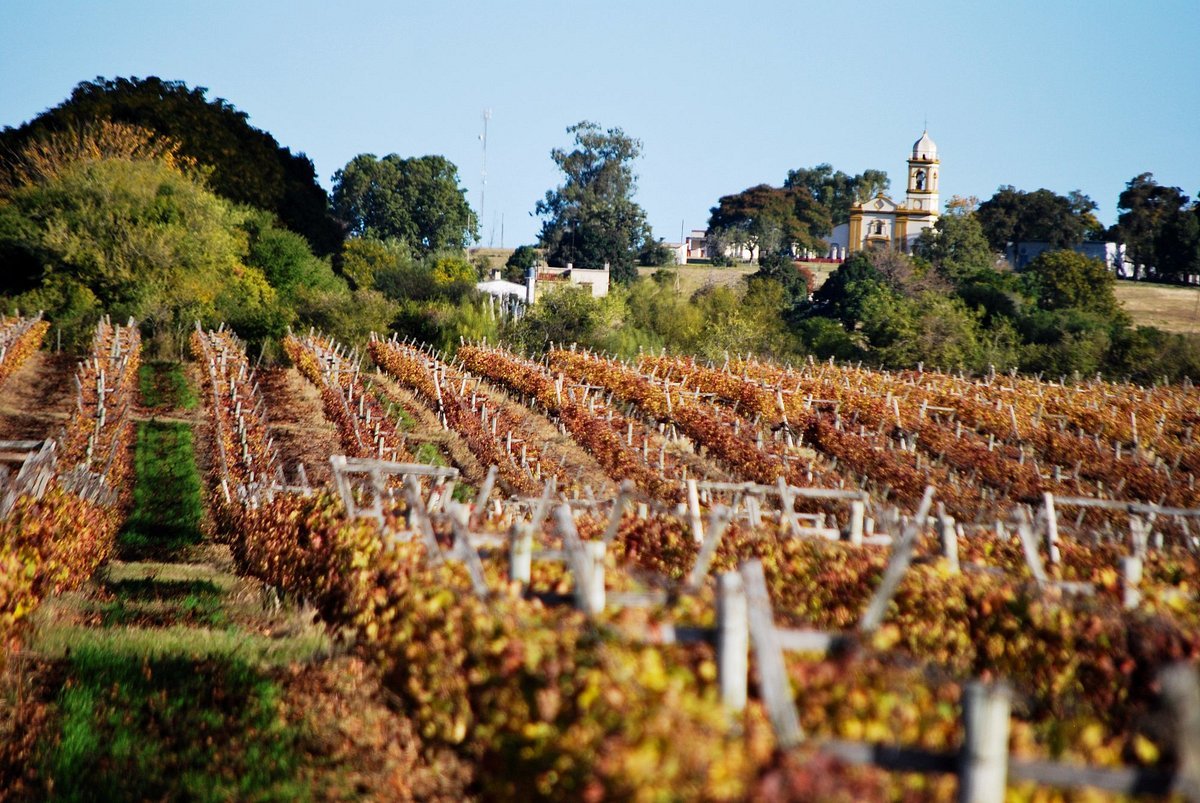
El Legado presents a tranquil, property-first winery experience rooted in Carmelo's clay-and-limestone soils and the moderating influence of the nearby Río de la Plata estuary. The writing emphasizes an unhurried pace and tasting-room–centered visits, giving the place a relaxed, serene quality. The terroir—slow-draining loam and maritime air—feels central to the estate's identity, and the tone of the description positions El Legado as a quietly refined stop on Ruta 97. Visitors can expect a contemplative, charming setting where the focus is on the land and the wines it produces rather than on flash or spectacle.
Best For
El Legado is best for wine-focused travelers who prioritize terroir, quiet tastings, and estate-centered wine tourism. It suits visitors exploring Ruta 97’s wine corridor—people who prefer property-based experiences over restaurant-driven outings and who want to learn how clay soils and estuarial influence shape ripening and acidity. The property’s Pearl 2 Star Prestige recognition also makes it a good fit for travelers seeking reliably crafted regional wines without the bustle of larger, more commercialized wineries. It appeals to those planning deliberate wine days rather than quick, high-volume stops.
Tasting Tips
When you visit El Legado, center your conversation on place and process: ask how the Río de la Plata’s maritime influence and the clay/limestone-inflected loam affect ripeness and acidity. Because the region’s tourism is "anchored in tasting rooms," plan for a seated tasting rather than casual bar service and ask staff about estate bottlings and the wines that illustrate the property’s soils. Mention the 2025 Pearl 2 Star Prestige award to prompt a discussion of consistency across recent vintages and to learn which releases the team considers most representative.
Venue details
Ambiance
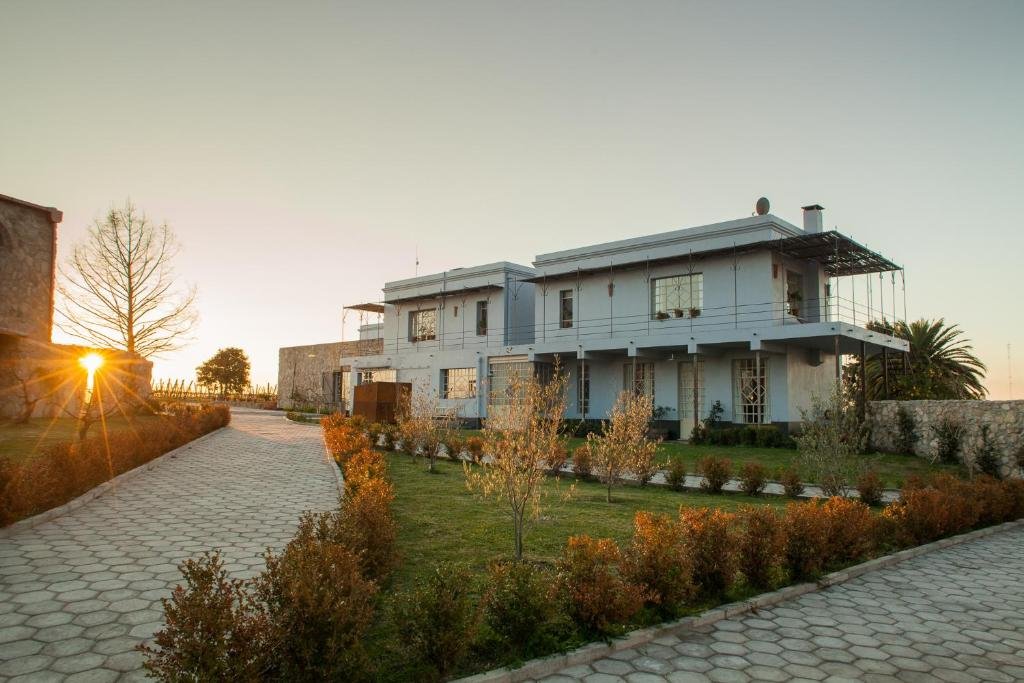
Warm, intimate atmosphere with natural surroundings, elegant decor, and welcoming hospitality from family owners; guests describe beautiful, peaceful settings among vineyards with comfortable, spotless accommodations.
Tags
Vibe
Best For
Experience
Sourcing
View
At the Vineyard
- Appellation
- Colonia
- Varietals
- Tannat, Syrah
- Tour Duration
- 120-180 minutes
- Tour Languages
- Spanish, English
- Visits
- By appointment only
- Farming
- Sustainable
- Wine Styles
- Still Red
- Food Pairing
- Offered
- Wine Club
- Not available
Know before you go
Know Before You Go
- Getting there
- Ramal Ruta 97, 70100 Carmelo, Departamento de Colonia
Planning details
Location
Ramal Ruta 97, 70100 Carmelo, Departamento de Colonia · Directions
Also consider
Also Consider
- Campotinto, Notable alternative
- Familia Irurtia, Notable alternative
- Narbona Wine Lodge, Notable alternative
- Bodega Los Cerros de San Juan, Notable alternative
- South Spirits Lab, Notable alternative
Winery context
How it compares in Carmelo
El Legado is the quieter, more occasion-led choice in this Carmelo set. Pick it when the goal is a slower winery visit with a calmer feel; choose Campotinto if the priority is an easier-to-slot Carmelo tasting day, or Familia Irurtia if the group wants a more established local name for a broader wine-country itinerary.
Narbona Wine Lodge is the safer pick for travelers who want the winery experience wrapped into a lodging-and-hospitality format. El Legado makes more sense for a focused stop than for a full-service wine-country base. For larger groups, Narbona, Campotinto, or Familia Irurtia are more practical starting points because visitor logistics are easier to plan around.
Bodega Los Cerros de San Juan and South Spirits Lab sit outside the immediate Carmelo comparison and are better treated as broader Uruguay drinks alternatives rather than direct substitutes. If the trip is Carmelo-specific, keep the decision between El Legado for atmosphere, Narbona for lodging depth, and Campotinto or Familia Irurtia for simpler planning.
Explore Carmelo
Around this place
Discover more on Pearl
Unlock the full El Legado guide in Pearl, including awards, comparisons, FAQs, planning details, and nearby places.
Compare El Legado
| Venue | Location | Awards |
|---|---|---|
| El Legado | Carmelo | No published awards |
| Campotinto | Carmelo | No published awards |
| Familia Irurtia | Carmelo | 2026 Falstaff Winery Guide |
| Narbona Wine Lodge | Carmelo | No published awards |
| Bodega Los Cerros de San Juan | Colonia del Sacramento | No published awards |
| South Spirits Lab | Buenos Aires | No published awards |

How El Legado Carmelo compares with similar nearby venues.
FAQ
Frequently Asked Questions
How long should I plan for a visit to El Legado?
What other venues should I compare with El Legado?
Other venues to compare include Bodega Los Cerros de San Juan, Campotinto, Familia Irurtia, Narbona Wine Lodge, and South Spirits Lab. Confirm each venue's current details directly before planning around it.