Campotinto
Colonia Estrella, Carmelo
Winery in Carmelo, Uruguay
 Book with Pearl
The Read
Colonia Estrella Terroir Dining
Why go
Campotinto is a strong Carmelo choice for a celebration-led winery visit, especially if ambiance matters as much as the tasting. The caution: published practical details are thin, so confirm availability and format before making it the anchor of a wine day.
About Campotinto
Campotinto is a Carmelo venue with Pearl 2 Star Prestige recognition for 2025. The dress code is casual, and planning should stay flexible until you have checked the current format, menu, pricing, hours, reservations, seating, and beverage service directly.
Choose this for a recognized Carmelo stop, with details to check
The safest recommendation is to consider Campotinto when you want a Carmelo venue with 2025 Pearl 2 Star Prestige recognition. That accolade gives it a clear place on a premium itinerary, while the casual dress code keeps expectations relaxed rather than formal.
The tradeoff is information clarity. If a specific meal, tasting, schedule, or bottle matters to the day, confirm those details directly before building the itinerary around Campotinto.
Where it fits in a Carmelo itinerary
Campotinto can be considered as one recognized Carmelo stop within a broader plan. If you are comparing options, look at other venues such as El Legado, Familia Irurtia, Narbona Wine Lodge, Bodega Los Cerros de San Juan, or South Spirits Lab, while confirming the current details for each before you commit.
For readers building a wider trip, use Campotinto as a Pearl-recognized venue rather than assuming a specific format. Pair it with separate plans for meals, hotels, or evening activities as needed, and check any time-sensitive details directly.
Bottom line: prioritize Campotinto if a 2025 Pearl 2 Star Prestige venue in Carmelo is what you want. For a format-first itinerary, compare it with other options and confirm the practical details before making it the main stop.
Planning details
- Location
- Caminos de los Peregrinos 8, 70100 Carmelo, Departamento de Colonia, Uruguay
- Website
- campotinto.com
- Phone
- +598 4542 7744
The take
The Take
The Vibe
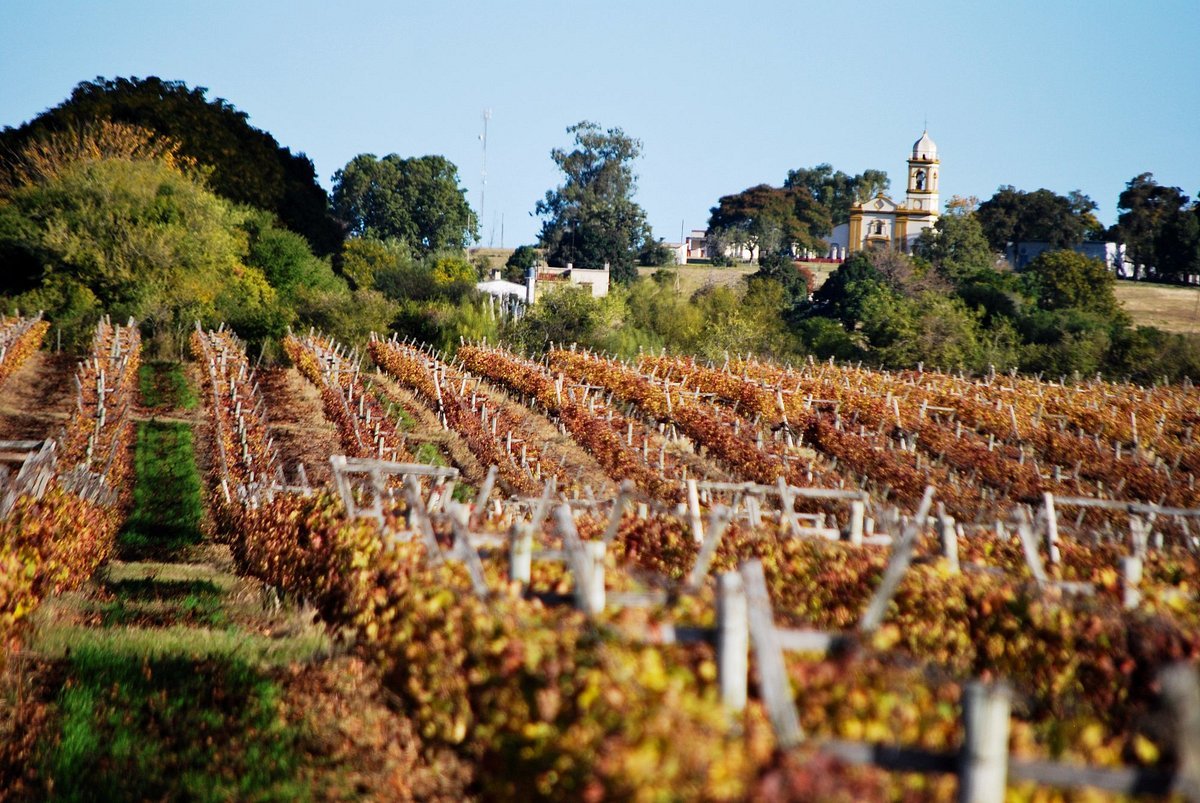
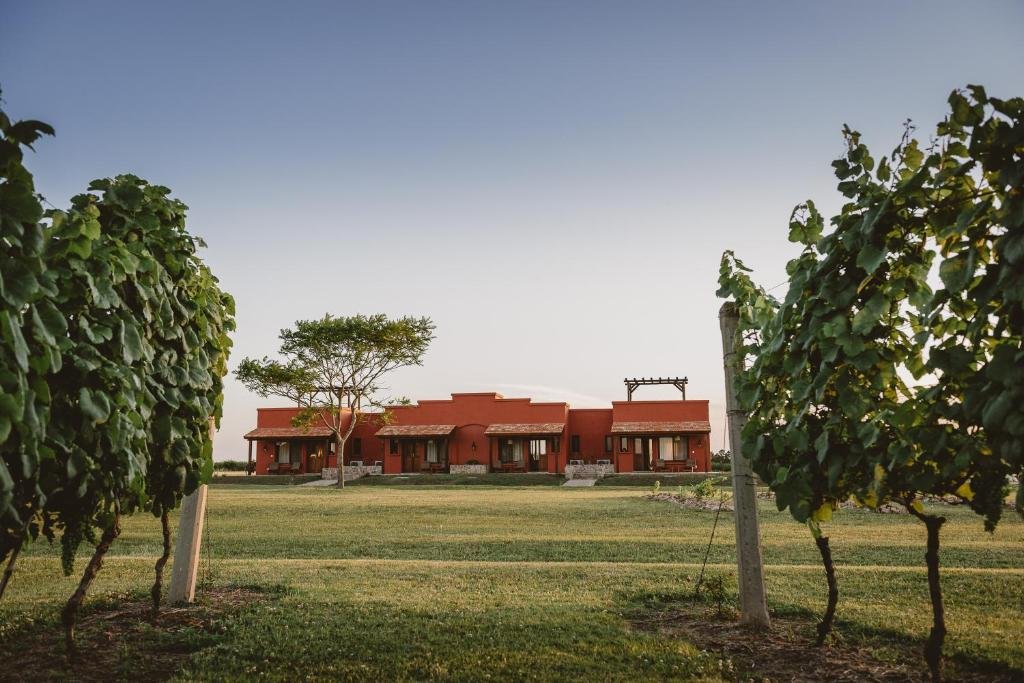
Campotinto feels deliberately off the beaten path: the approach along unpaved turnoffs, through gates and across working fields sets a tone of quiet seclusion. The estate leans into the agricultural character of Colonia, where family parcels and working estancias define the landscape more than purpose‑built visitor centers. That rural remove is part of the appeal—tastings and visits here feel grounded, unfussy and authentic rather than polished or touristic. The overall mood is a restrained, charming stillness that highlights vines, terroir and the rhythms of an active wine property.
Best For
This is a property for people who want to learn about place as much as wine. Campotinto’s setting and discussion of local varieties—Tannat alongside Merlot, Cabernet Franc and cooler‑climate whites—make it well suited to wine education and focused tasting visits. Its secluded estate grounds also work for small group outings or solitary exploration of a distinct Uruguayan terroir. The Pearl 2 Star Prestige rating signals that visitors can expect considered production and a regionally informed perspective rather than a mainstream tasting‑room spectacle.
Tasting Tips
Plan your visit with the rural access in mind: descriptions repeatedly note unpaved turnoffs, gated approaches and agricultural roads, so allow extra time to reach the property. When you taste, prioritize how Tannat and the local expressions of Merlot, Cabernet Franc and the cooler‑night whites reflect Colonia’s clay‑heavy soils and river‑moderated climate—these varieties and terroir are central to the narrative presented. Keep expectations geared toward an estate‑based, educational visit rather than a highly commercial visitor center.
Venue details
Ambiance
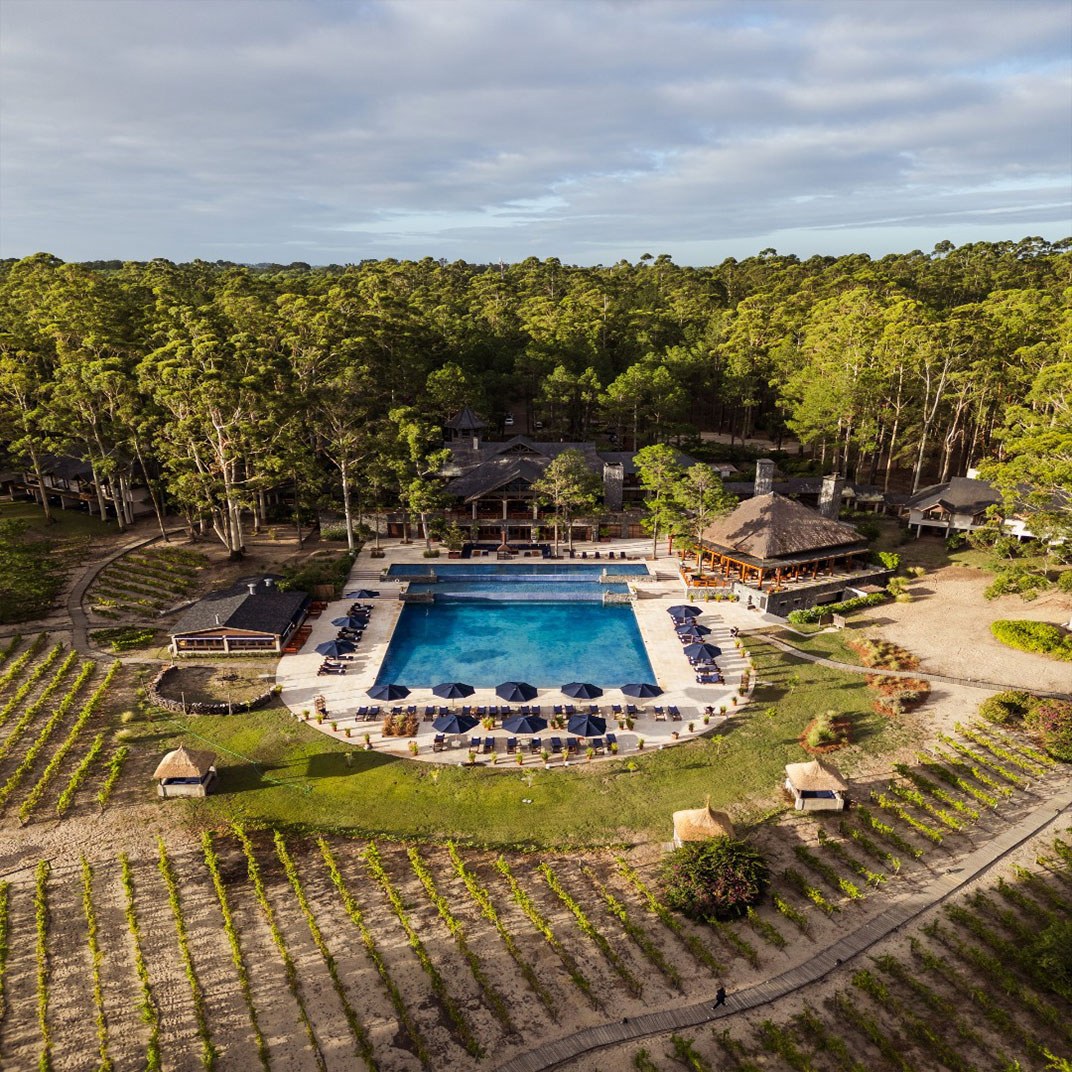
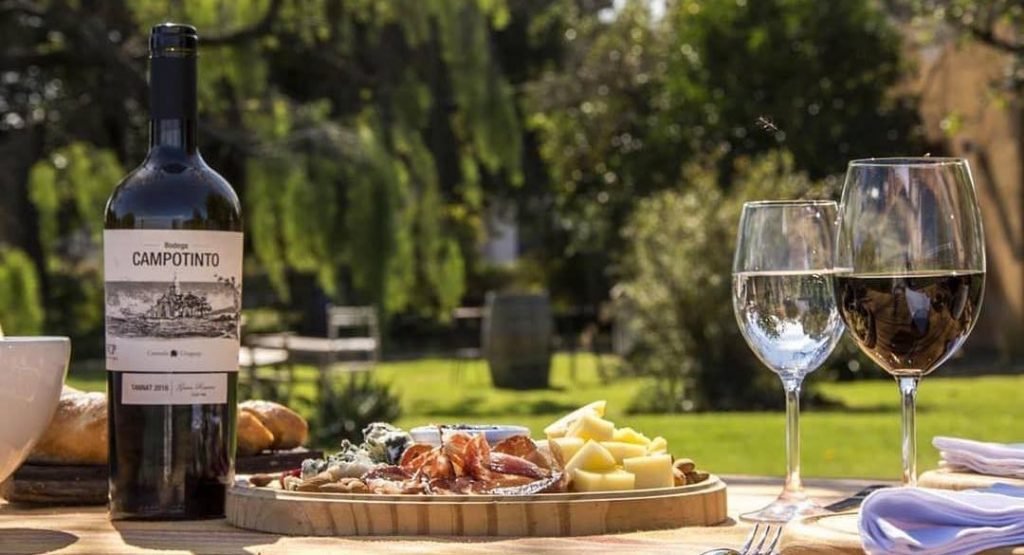
Boutique countryside wine estate atmosphere with a rustic-elegant feel, combining traditional rural charm, vineyard views and a relaxed, unhurried pace for tastings and long lunches.
Tags
Vibe
Best For
Experience
View
Accessibility
At the Vineyard
- Appellation
- Carmelo, Colonia, Uruguay
- Varietals
- Tannat, Viognier, Merlot, Cabernet Franc, Marselan
- Tour Languages
- Spanish, English
- Visits
- By reservation
- Wine Styles
- Still Red, Still White, Still Rose
- Food Pairing
- Offered
- Shipping
- Available
- Founded
- 2013
- Wine Club
- Not available
Know before you go
Know Before You Go
- Getting there
- Caminos de los Peregrinos 8, 70100 Carmelo, Departamento de Colonia, Uruguay
Planning details
Location
Caminos de los Peregrinos 8, 70100 Carmelo, Departamento de Colonia, Uruguay · Directions
Also consider
If Campotinto is not available
Try El Legado or Familia Irurtia first if the goal is a Carmelo tasting route. Choose Narbona Wine Lodge if the backup plan needs more of a destination feel around the wine stop.
Winery context
How it compares in Carmelo
Campotinto is the occasion-led choice in this Carmelo set: better for a polished, slower winery stop than for travelers trying to maximize producer count in one day. El Legado and Familia Irurtia are the more natural cross-shops for a tasting-focused route, while Campotinto works better when the setting is part of the value calculation.
Narbona Wine Lodge is the clearest alternative if the day needs a broader hospitality feel around the wine stop. Choose Narbona when lodging or a fuller destination format matters; choose Campotinto when the plan is a quieter Carmelo winery visit with a stronger special-occasion signal.
Bodega Los Cerros de San Juan and South Spirits Lab sit outside the immediate Carmelo peer group, so they make more sense for travelers building a wider Uruguay drinks itinerary. For most Carmelo visitors, start with Campotinto, El Legado, Familia Irurtia, and Narbona before adding out-of-metro stops.
Explore Carmelo
Around this place
Discover more on Pearl
Unlock the full Campotinto guide in Pearl, including awards, comparisons, FAQs, planning details, and nearby places.
Compare Campotinto
| Venue | Location | Awards |
|---|---|---|
| Campotinto | Carmelo | No published awards |
| El Legado | Carmelo | No published awards |
| Familia Irurtia | Carmelo | 2026 Falstaff Winery Guide |
| Narbona Wine Lodge | Carmelo | No published awards |
| Bodega Los Cerros de San Juan | Colonia del Sacramento | No published awards |
| South Spirits Lab | Buenos Aires | No published awards |

How Campotinto Carmelo compares with similar nearby venues.
FAQ
Frequently Asked Questions
Is Campotinto worth planning around?
Campotinto is worth considering if you want a Carmelo venue with 2025 Pearl 2 Star Prestige recognition. Confirm practical information before making it the center of a trip.
What other venues should I compare with Campotinto?
For comparisons, look at El Legado, Familia Irurtia, Narbona Wine Lodge, Bodega Los Cerros de San Juan, and South Spirits Lab. Campotinto is one Pearl-recognized Carmelo option, but current formats and visit details should be checked directly.
Do I need a reservation at Campotinto?
What is the flagship wine at Campotinto?
Do not assume a named bottle anchors the visit unless Campotinto confirms it directly.
Does Campotinto serve food?
When is the best time to visit Campotinto?
Choose a time only after confirming availability directly, especially if Campotinto is part of a wider Carmelo itinerary.