New Harbour Distillery
Woodstock, Cape Town
Winery in Cape Town, South Africa
The Read
Cape Farms Grain-to-Glass
Why go
New Harbour Distillery is worth considering if the goal is a focused Cape Town spirits stop rather than a classic wine-estate outing. First-timers should choose it for a small, drinks-led visit and cross-shop Durbanville estates if the group wants scenery, food, a more familiar tasting-day format.
About New Harbour Distillery
New Harbour Distillery is listed in Cape Town with a casual dress code and Pearl 2 Star Prestige recognition for 2025. Beyond those confirmed points, the public-facing details are limited, so the safest way to plan is to verify current visit options directly with the venue before building a day around it.
Book this with clear expectations
The strongest grounded case for New Harbour Distillery is simple: it is a Cape Town venue with confirmed Pearl 2 Star Prestige recognition in 2025. Specifics such as menu format, tasting structure, food service, pricing, hours, visit length are not verified here, so avoid assuming a particular style of experience until the venue confirms it.
For visitors comparing options, Nitida Wine Farm, De Grendel Wine Estate, Meerendal Wine Estate, Diemersdal Wine Estate, Durbanville Hills are other names to consider if the plan is more wine-led. New Harbour Distillery remains the more relevant name to check when the group specifically wants to include this Cape Town venue.
First-timers should build the day around one clear reason to go
Do not make detailed assumptions about the visit before checking directly with New Harbour Distillery. The verified information supports a casual Cape Town venue with Pearl 2 Star Prestige recognition, but it does not confirm dining, a guided tasting format, a private experience, a flagship product, or a particular length of stay.
If you are choosing for a mixed group, confirm the essentials first: whether the venue is open for the kind of visit you want, whether booking is needed, whether any available options match the occasion. If the group wants a more familiar wine-estate plan, compare with De Grendel Wine Estate, Durbanville Hills, Diemersdal Wine Estate, Meerendal Wine Estate, or Nitida Wine Farm.
For visitors shaping a fuller Cape Town itinerary, use New Harbour Distillery as one possible stop and keep the rest of the plan flexible until the venue confirms current details. You can also browse Our full Cape Town restaurants guide, Our full Cape Town bars guide, Our full Cape Town hotels guide for other Cape Town planning ideas.
The take
The Take
The Vibe
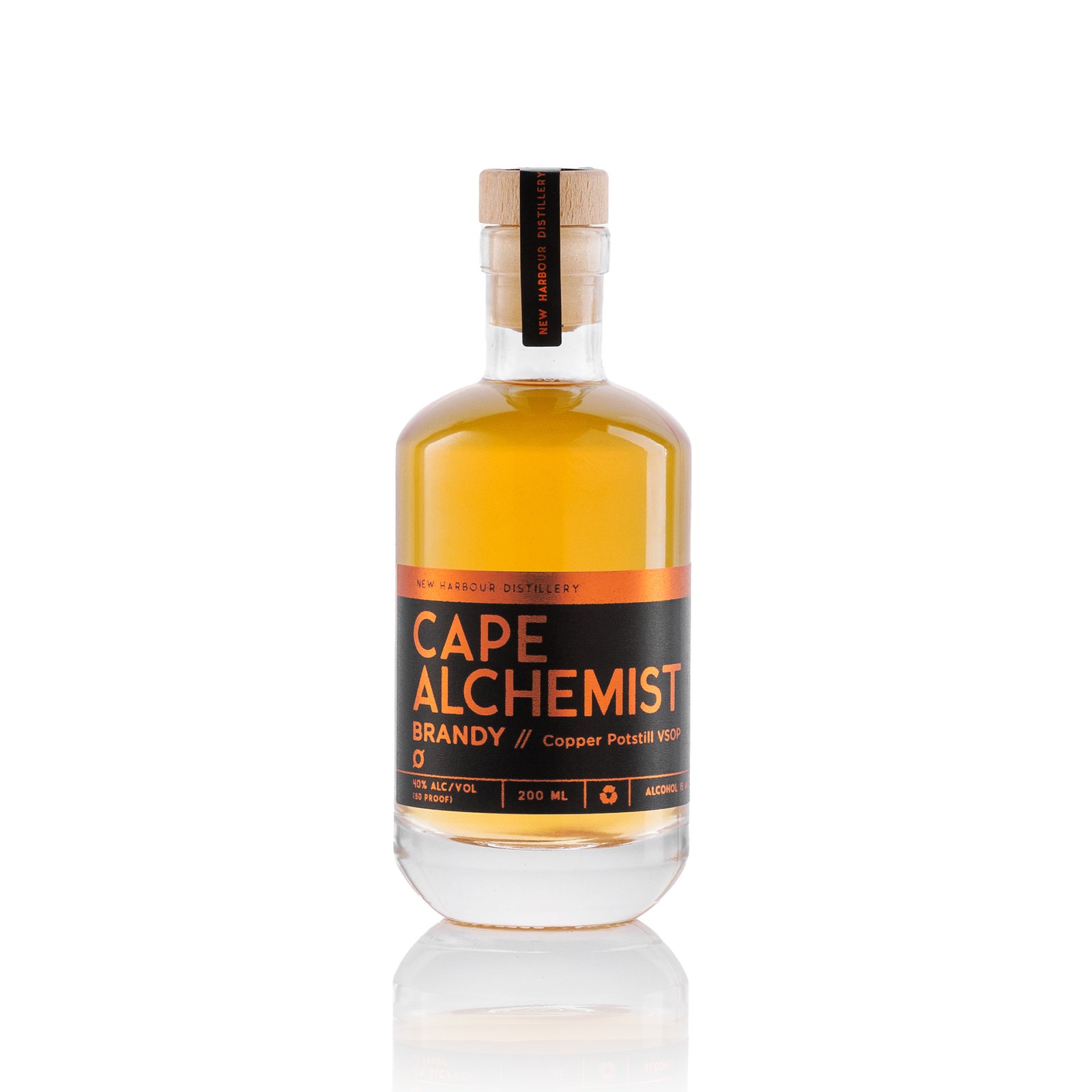
New Harbour Distillery occupies a working, production-first setting at the African Spirit Lab, and the experience reflects that practical DNA. It feels deliberately off the usual tourist track — set in an industrial estate on the fringes of Cape Town rather than a scenic valley — so the atmosphere is low-key and functional rather than decorative. The place reads as a craft-spirits workshop more than a polished tasting-room: steel and process trump plush seating, and the character comes from the distilling craft itself. Visitors should expect an unshowy, production-oriented vibe rather than a postcard view.
Best For
This is a stop for people who are specifically interested in craft distilling and production environments rather than postcard vineyard scenery. The distillery appeals to curious visitors who make a point of seeking out local makers, and to those who want an alternative to the Constantia wine‑estate circuit. Because the site sits in a working industrial park, it suits deliberate visits where the draw is process and provenance — learning about how small-batch spirits are made and experiencing a production-focused setting rather than a landscaped tasting lawn.
Planning details
Location
African Spirit Lab, 1 Kiepersol Crescent, Unit 1, Kiepersol Park, Atlas Gardens, Cape Farms, Cape Town, 7530 · Directions
Also consider
Also Consider
- Nitida Wine Farm, Notable alternative
- De Grendel Wine Estate, Notable alternative
- Meerendal Wine Estate, Notable alternative
- Diemersdal Wine Estate, Notable alternative
- Durbanville Hills, Notable alternative
Winery context
How it compares with Cape Town wine-route peers
Choose New Harbour Distillery when the priority is a focused spirits-led stop rather than a broad estate experience. Nitida Wine Farm and Meerendal Wine Estate are safer choices for visitors who want the more familiar Cape Town winery rhythm, especially for groups that need an easy social setting.
De Grendel Wine Estate and Durbanville Hills make more sense for first-timers who care about views, estate polish, a fuller outing. New Harbour Distillery is the narrower recommendation: better for drinkers who want production-focused context, weaker for anyone expecting a leisurely vineyard day.
Diemersdal Wine Estate is the easier cross-shop for a conventional tasting route, while New Harbour Distillery is the more specialist pick. If the group is split between wine and spirits, book the estate; if everyone wants the distillery angle, keep the plan tight and make this the main drinks stop rather than an add-on.
Around this place
Discover more on Pearl
Unlock the full New Harbour Distillery guide in Pearl, including awards, comparisons, FAQs, planning details, and nearby places.
Compare New Harbour Distillery
| Venue | Location | Awards |
|---|---|---|
| New Harbour Distillery | Cape Town | No published awards |
| Nitida Wine Farm | Cape Town | No published awards |
| De Grendel Wine Estate | Cape Town | No published awards |
| Meerendal Wine Estate | Cape Town | No published awards |
| Diemersdal Wine Estate | Cape Town | No published awards |
| Durbanville Hills | Cape Town | No published awards |
How New Harbour Distillery Cape Town compares with similar nearby venues.
FAQ
Frequently Asked Questions
Does New Harbour Distillery serve food?
Food service is not verified in the available guide data. New Harbour Distillery is confirmed as a Cape Town venue with a casual dress code and Pearl 2 Star Prestige recognition for 2025, but you should check the venue's official channels for current food or visit details. If food is central to the plan, compare with options such as De Grendel Wine Estate or Durbanville Hills and confirm their current offering directly as well.
How long should I plan for a visit to New Harbour Distillery?
A specific visit length is not verified. Plan only after confirming current opening details, booking requirements, the kind of experience available directly with New Harbour Distillery in Cape Town.
Does New Harbour Distillery have a wine club?
A wine club offering is not verified for New Harbour Distillery. The confirmed details are its Cape Town location, casual dress code, Pearl 2 Star Prestige recognition for 2025. For a wine-focused comparison, Nitida Wine Farm or Meerendal Wine Estate may be more relevant to research.
Does New Harbour Distillery have a flagship wine?
A flagship wine is not verified for New Harbour Distillery. Because the confirmed data does not include a wine program or specific products, do not plan around a named bottle unless the venue confirms it directly. If wine is the goal, De Grendel Wine Estate, Durbanville Hills, or Diemersdal Wine Estate are better comparison points to research.
When is the best time to visit New Harbour Distillery?
Specific hours and best visiting times are not verified in the available guide data. Check New Harbour Distillery's official channels before going, especially if you are coordinating the visit with other Cape Town plans. For a wine-heavy day, Durbanville Hills or Meerendal Wine Estate may be useful alternatives to compare.