
Durbanville Hills
Durbanville, Cape Town
Winery in Cape Town, South Africa
 Book with Pearl
The Read
Tygerberg Valley Precision
Price
$30–50tasting
Why go
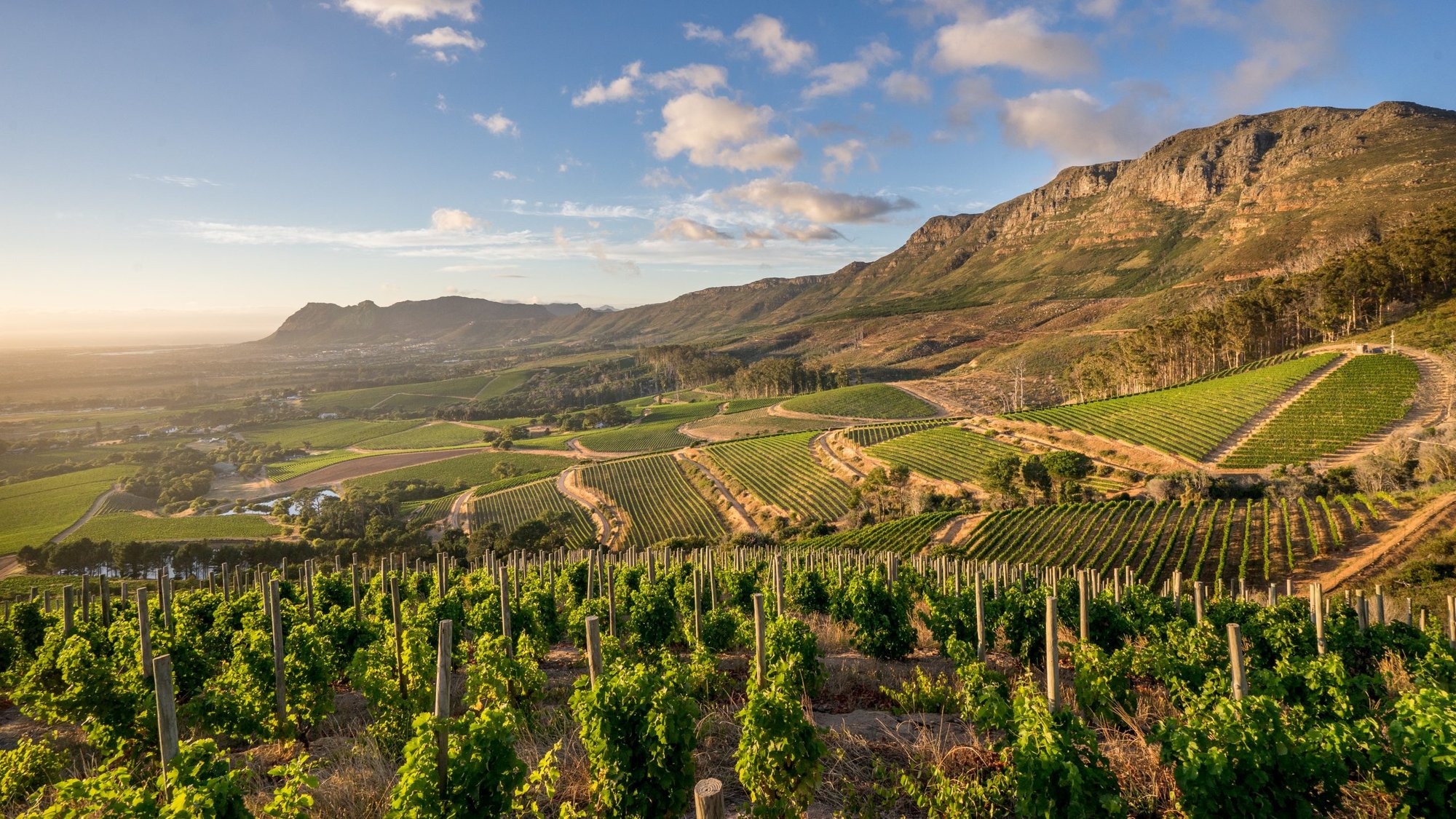
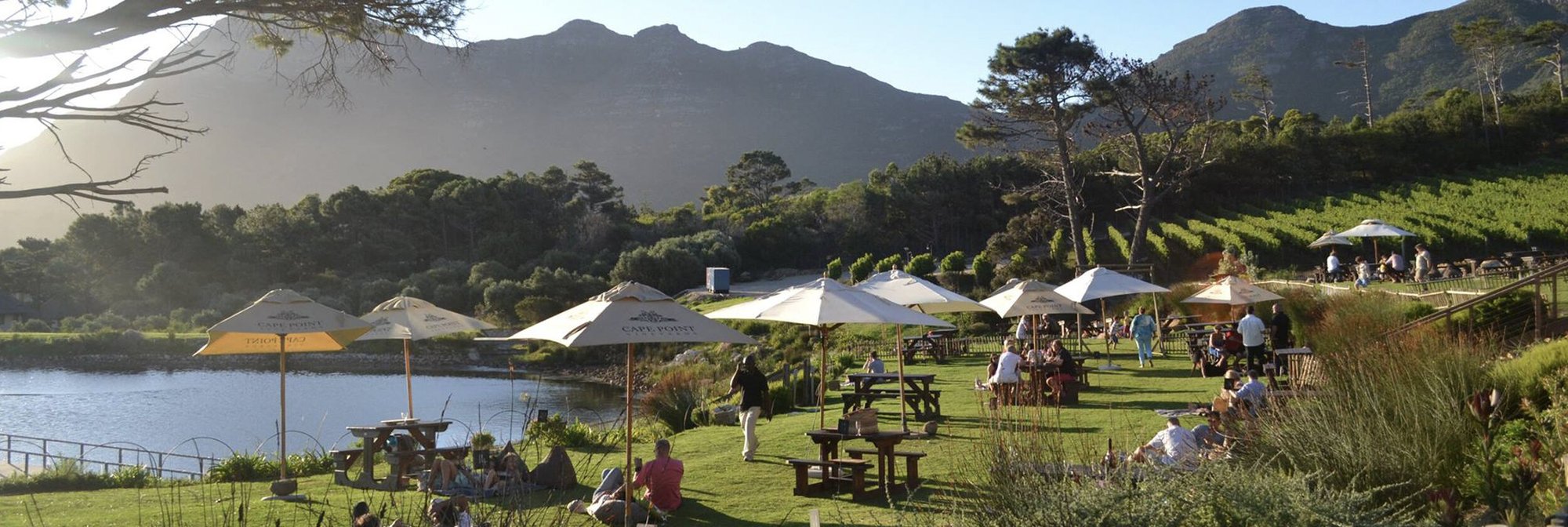
A strong Cape Town pick when the wine day needs a polished estate setting rather than a deep producer crawl. Durbanville Hills makes the most sense for daytime celebrations, dates, and business meals where the Tygerberg Valley outlook is part of the value; plan ahead for peak lunch and weekend slots.
About Durbanville Hills
For planning, anchor your visit around its location, schedule, dress code, and recognition rather than assuming a specific menu, format, service, benefits, purchases, or on-site experience.
Use the schedule as the main planning anchor: Monday runs from 12–5 PM; Tuesday through Friday from 11 AM–5 PM; and Saturday and Sunday from 11 AM–4:30 PM. If you are comparing it with other nearby options, consider De Grendel Wine Estate, Diemersdal Wine Estate, Durbanville Distillery, Meerendal Wine Estate, and Nitida Wine Farm.
Choose it when the basics fit your plans
Durbanville Hills is in Cape Town, keeps daytime hours throughout the week, and asks guests to dress smart casual. Check specific views, menus, tasting structures, booking formats, or beverage programmes directly before you plan around them.
For a daytime visit, the shorter weekend window is worth noting: Saturday and Sunday close at 4:30 PM, while Tuesday through Friday close at 5 PM and Monday opens later at 12 PM. If timing, food, tastings, accessibility, private events, or purchases matter to your group, confirm those details with the venue before you go.
Where it fits in a Cape Town day
Durbanville Hills can be considered alongside other named nearby options such as De Grendel Wine Estate, Diemersdal Wine Estate, Durbanville Distillery, Meerendal Wine Estate, and Nitida Wine Farm. For broader planning around dining, stays, and drinks in the city, use Our full Cape Town restaurants guide, Our full Cape Town hotels guide, and Our full Cape Town bars guide.
Any more specific plans, including food, tastings, purchases, events, or group arrangements, should be confirmed directly before committing the day around them.
Planning details
- Location
- Tygerberg Valley Road, Cape Farms, Cape Town, Western Cape, South Africa
- Website
- durbanvillehills.co.za
- Phone
- +27215581300
The take
The Take
The Vibe
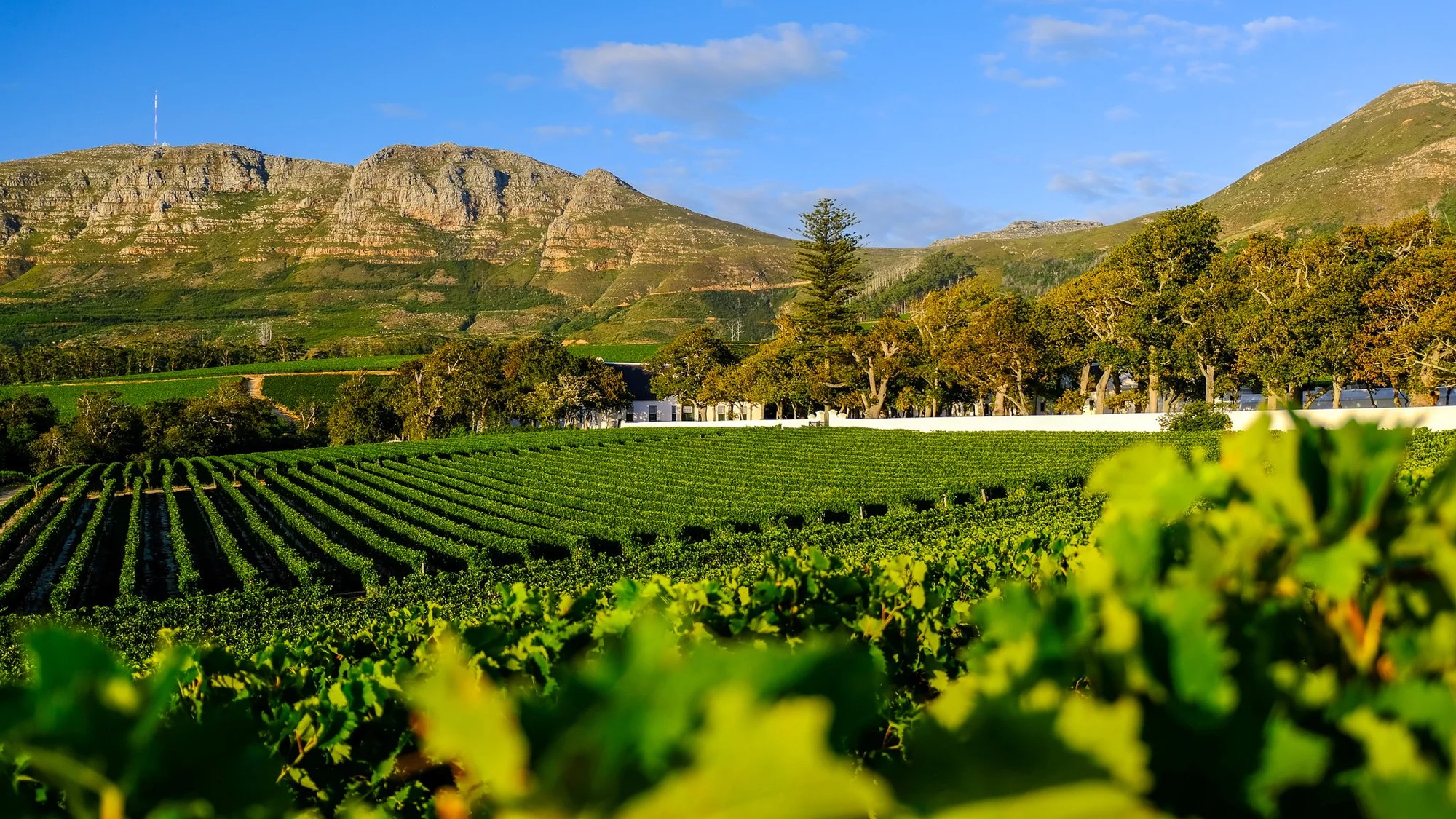
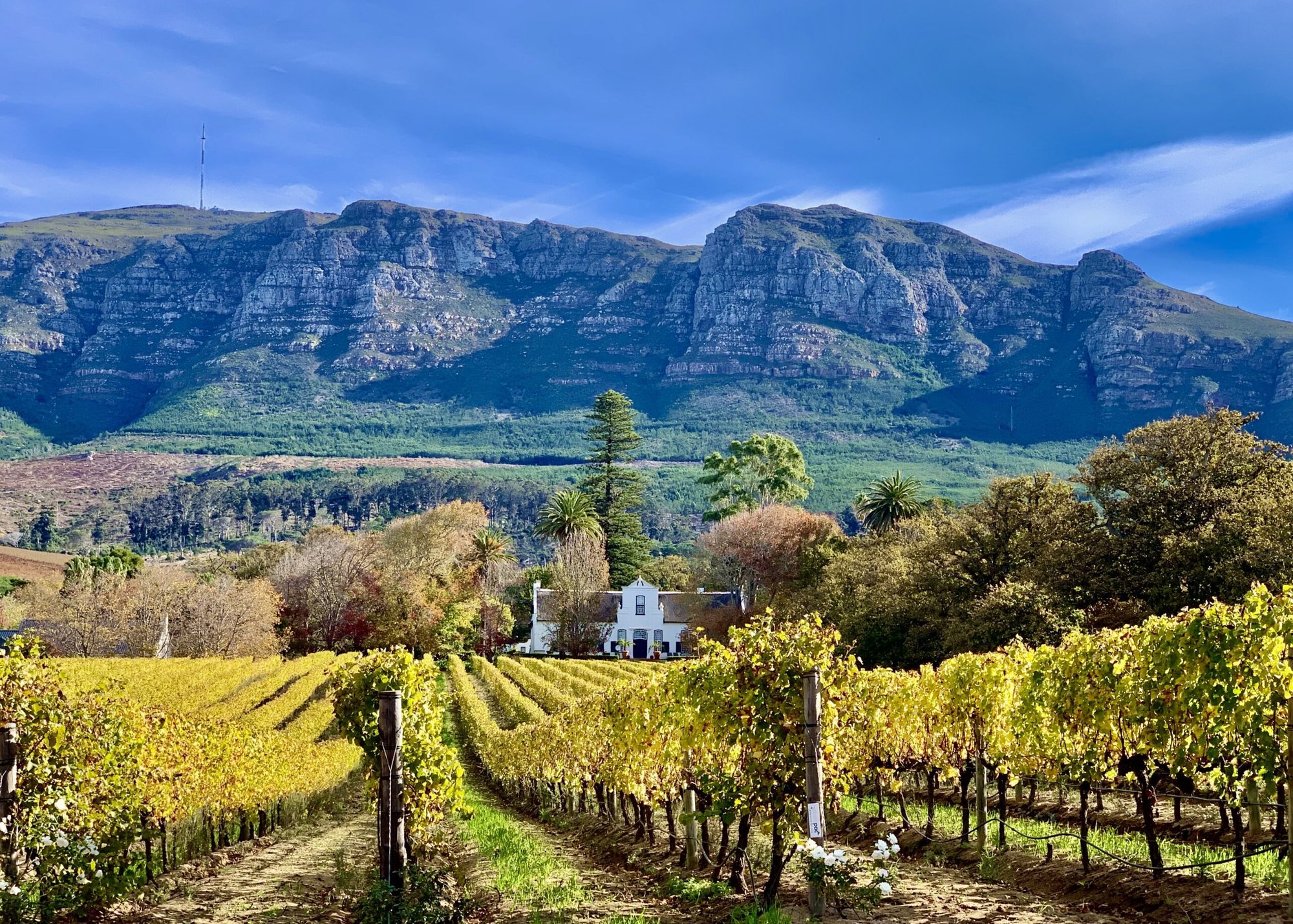
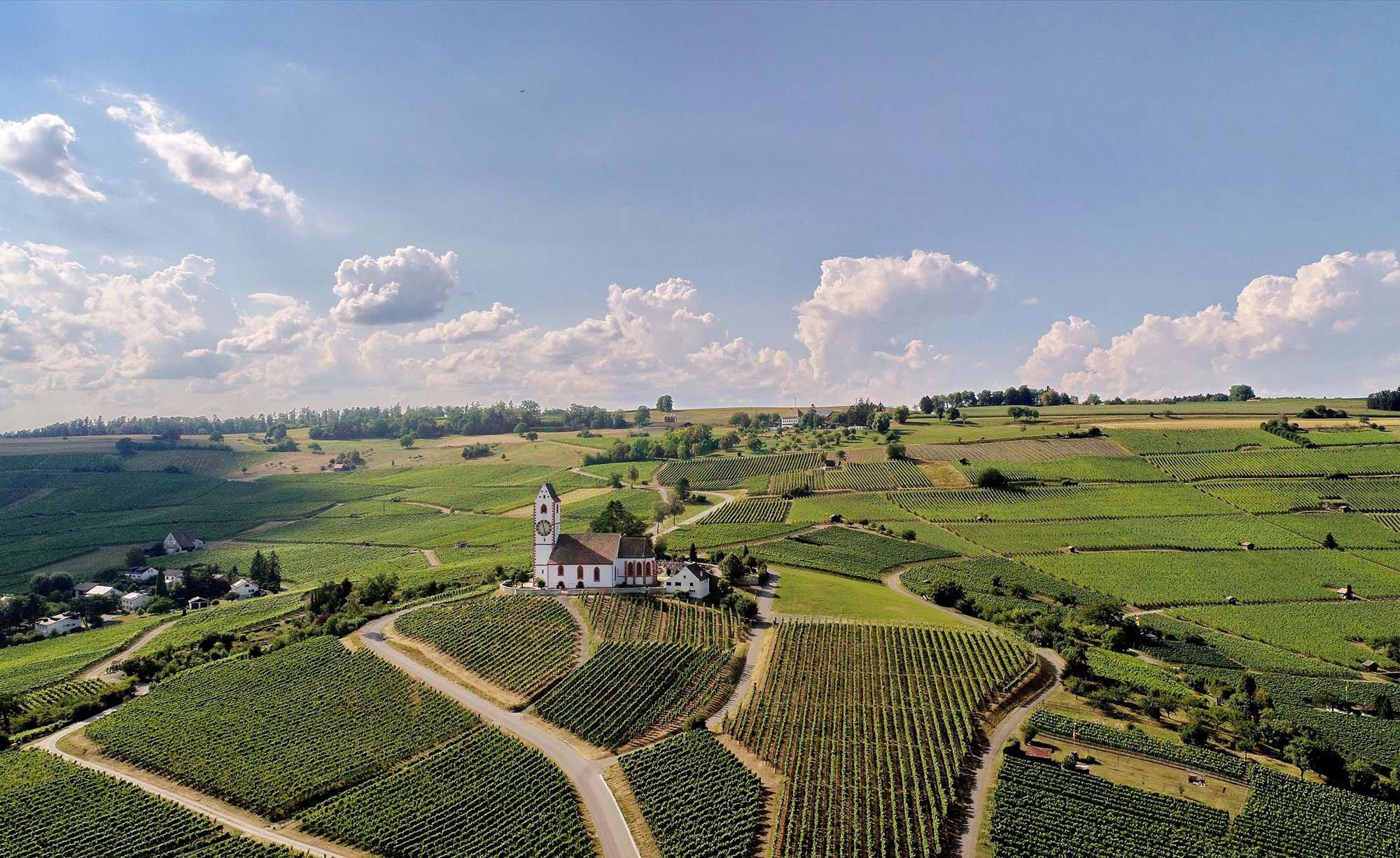
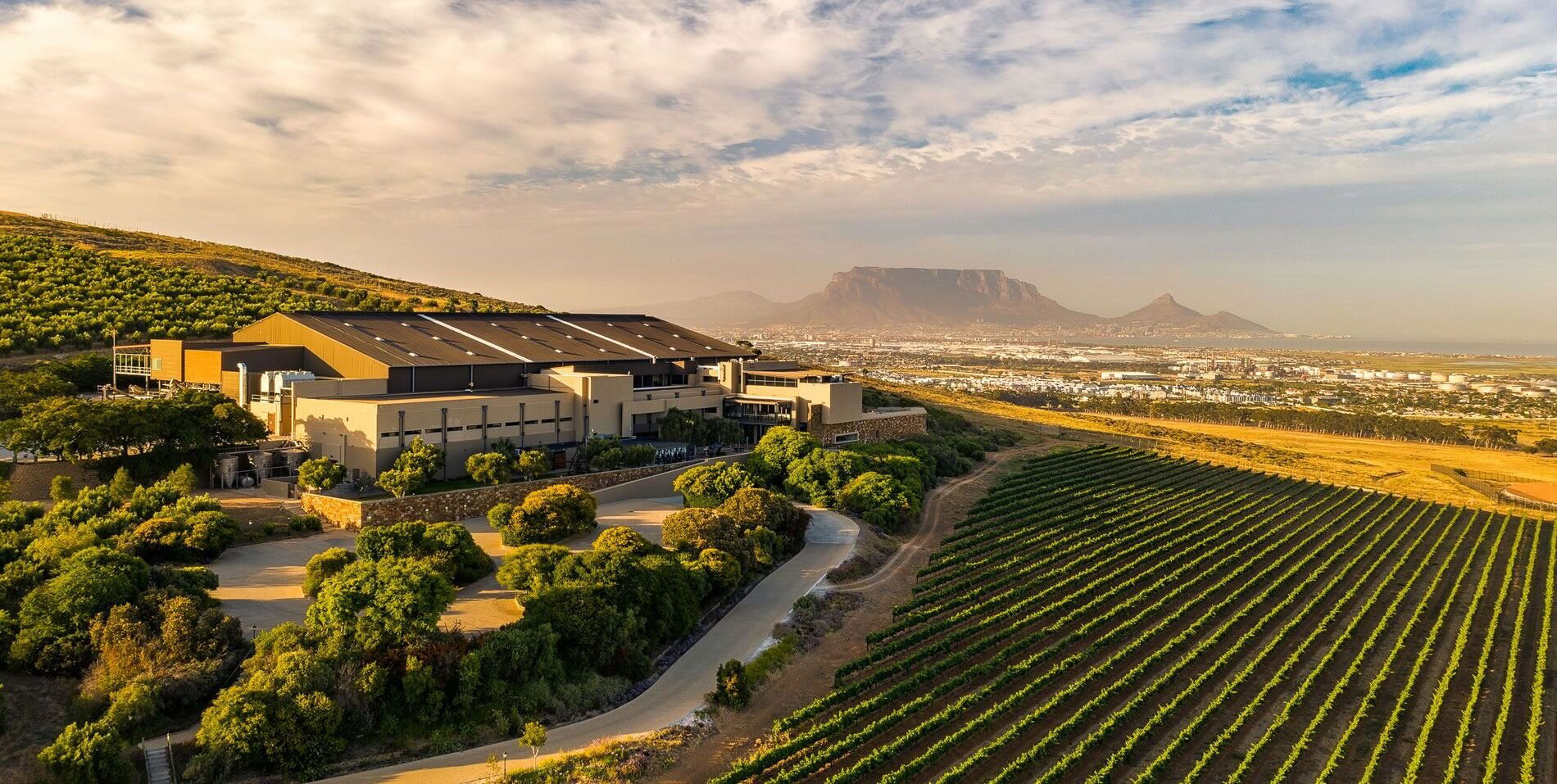
Durbanville Hills reads as a terroir-first Cape estate grounded in its Tygerberg Valley setting. The copy emphasizes cool afternoon winds from the nearby Atlantic that slow ripening and preserve acidity, producing restrained whites and cool-climate reds rather than overtly fruity styles. That climatic argument, along with talk of scale and a maturing fine-wine programme, gives the estate a composed, classic character—less the colonial glamour of Constantia and more a purposeful, production-focused contender.
Best For
This estate is best for visitors who come to read terroir as much as to taste. The narrative in the description positions Durbanville Hills for those interested in wine education, comparative tastings across Cape corridors, and group visits that explore cool-climate whites and restrained reds. Its scale and awards make it a sensible stop for celebrations and special occasions where a degree of polish matters, and for couples or small groups seeking a scenic, professionally run cellar experience. The emphasis is on learning and tasting wines that reflect the Tygerberg microclimate rather than purely social or late-night drinking occasions.
Tasting Tips
When selecting bottles or flights, prioritize the estate’s whites and cool-climate reds: the copy explicitly links the property’s proximity to the Atlantic and afternoon winds with wines that retain acidity and exhibit restraint. If offered a comparison tasting, include a structured white and a lighter red to sense the valley’s acid-driven tension rather than reaching immediately for big, ripe styles.
Venue details
Ambiance
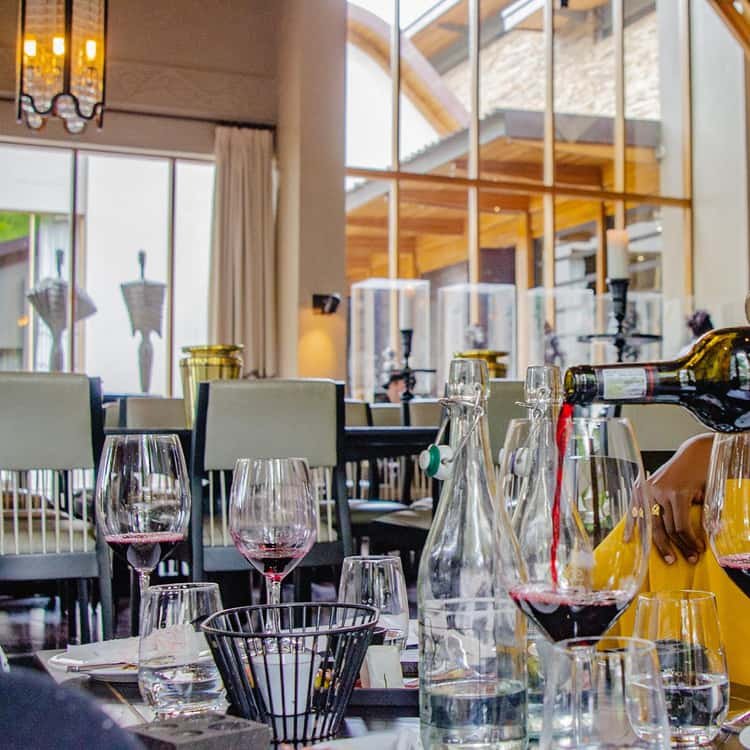
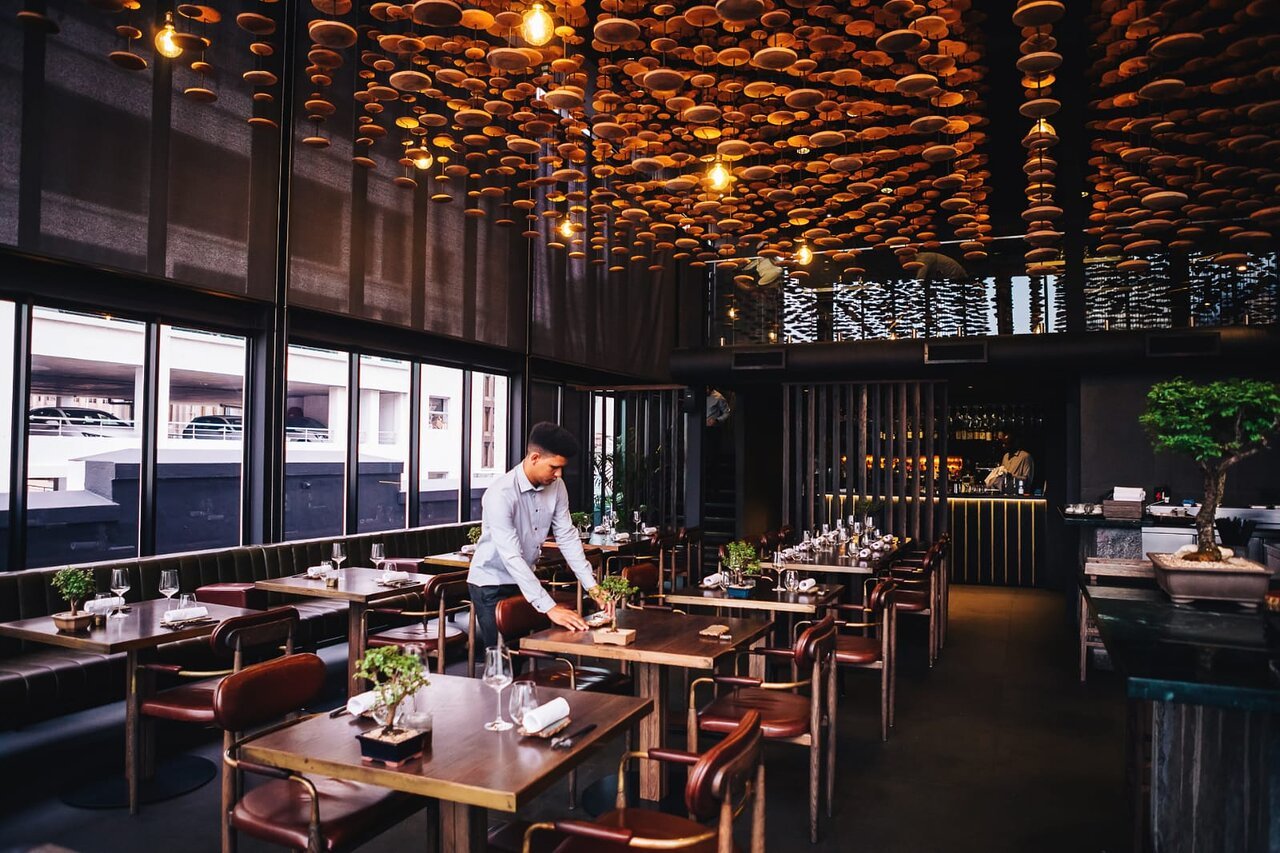
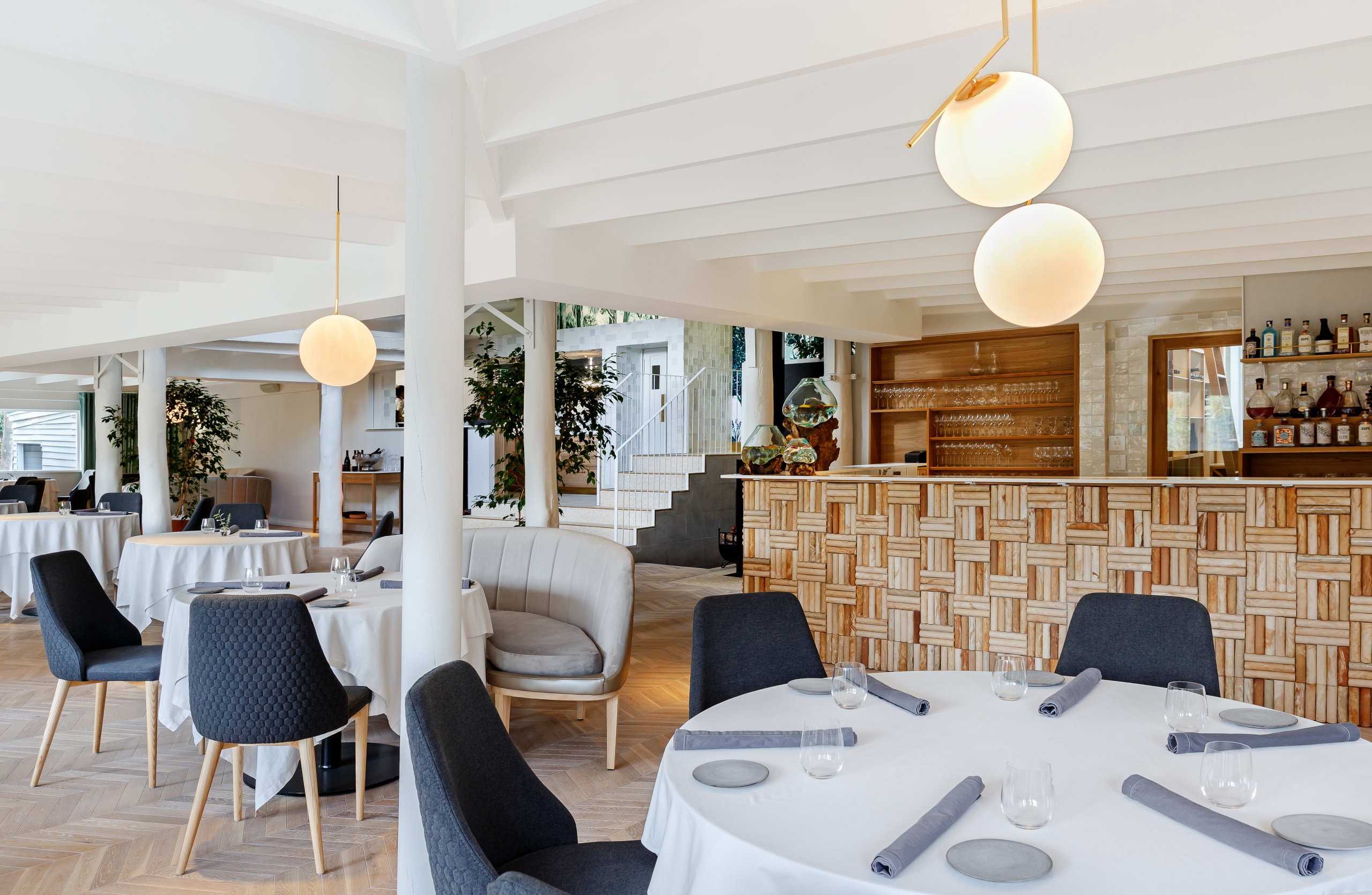
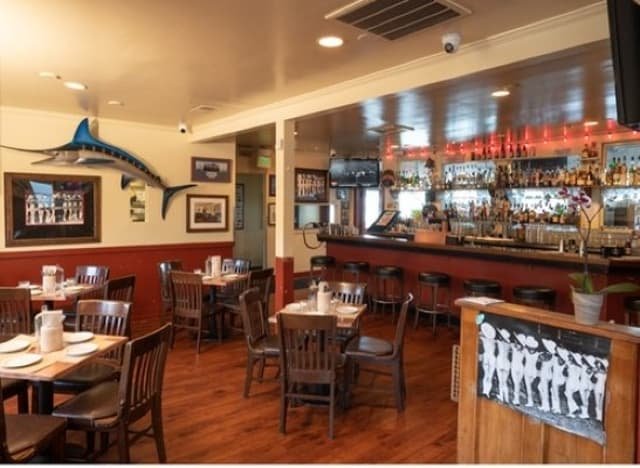
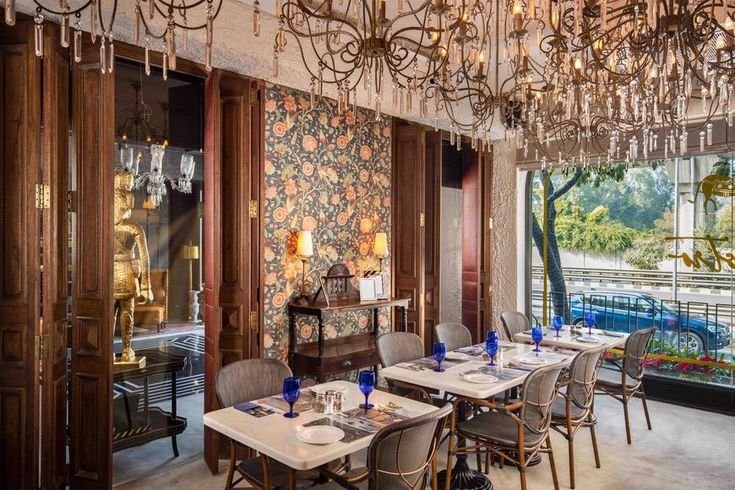
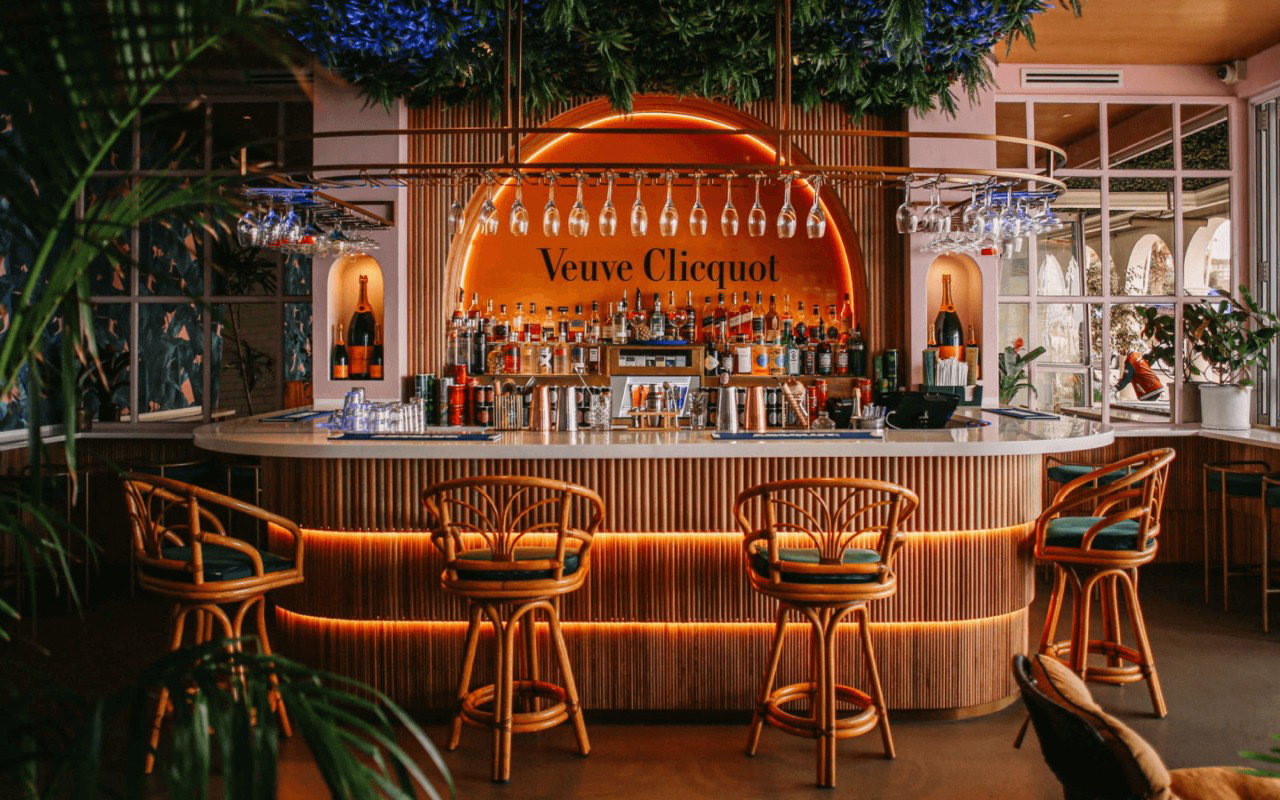
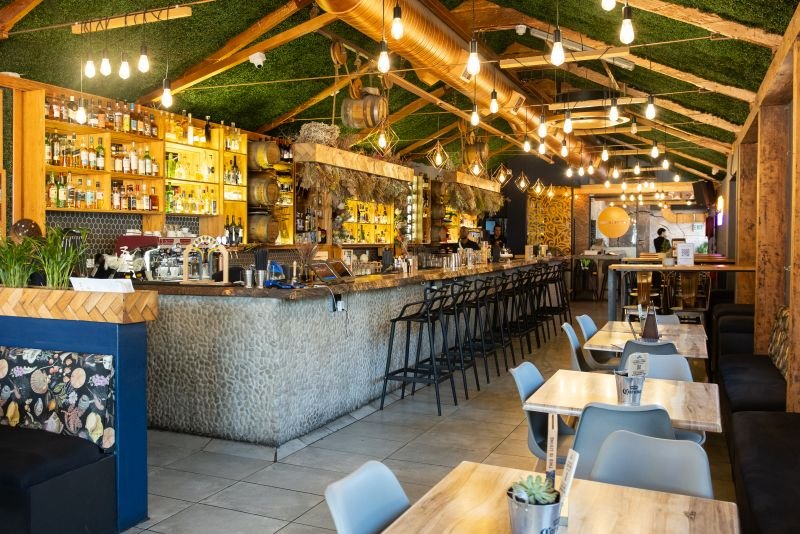
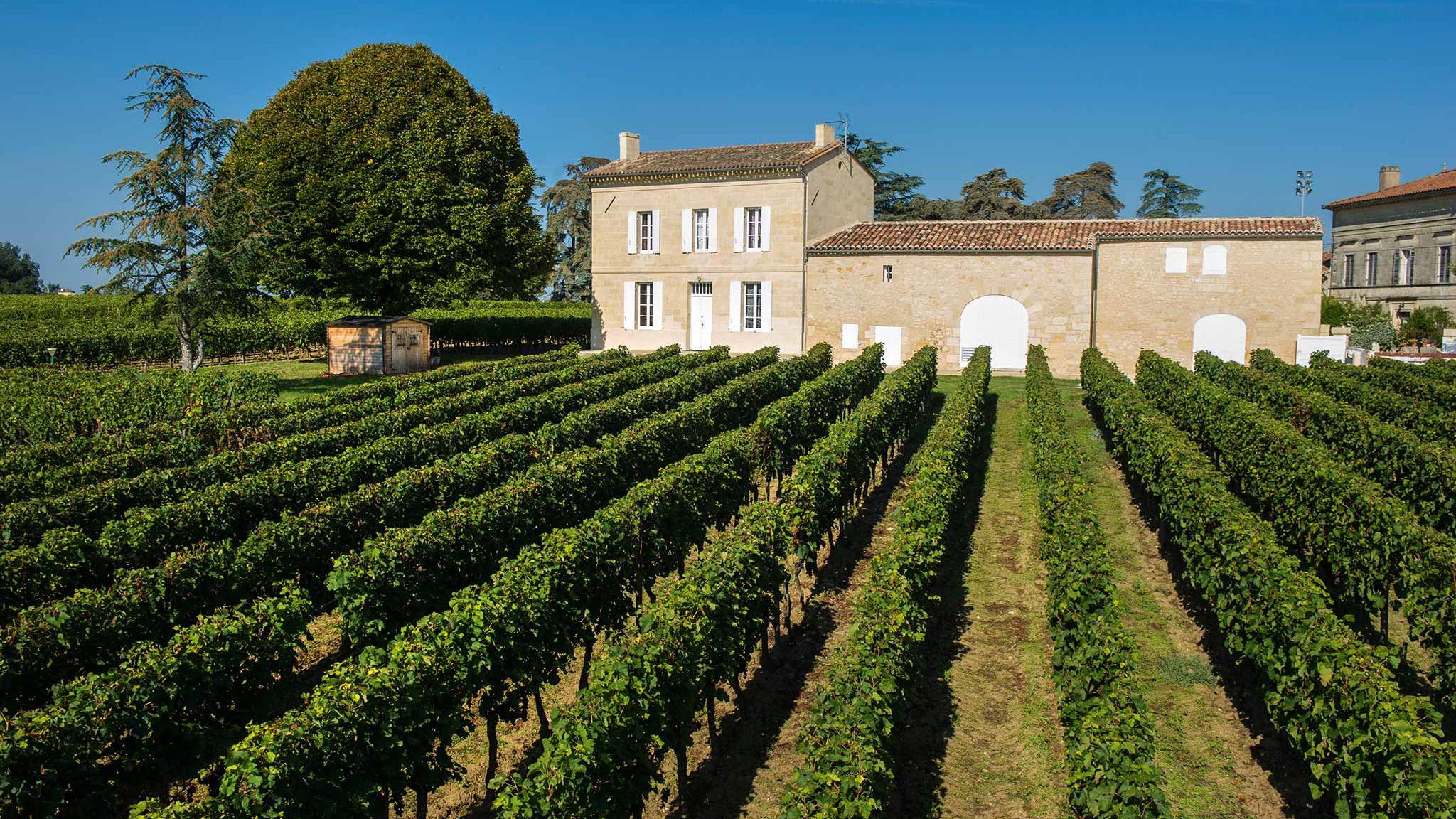
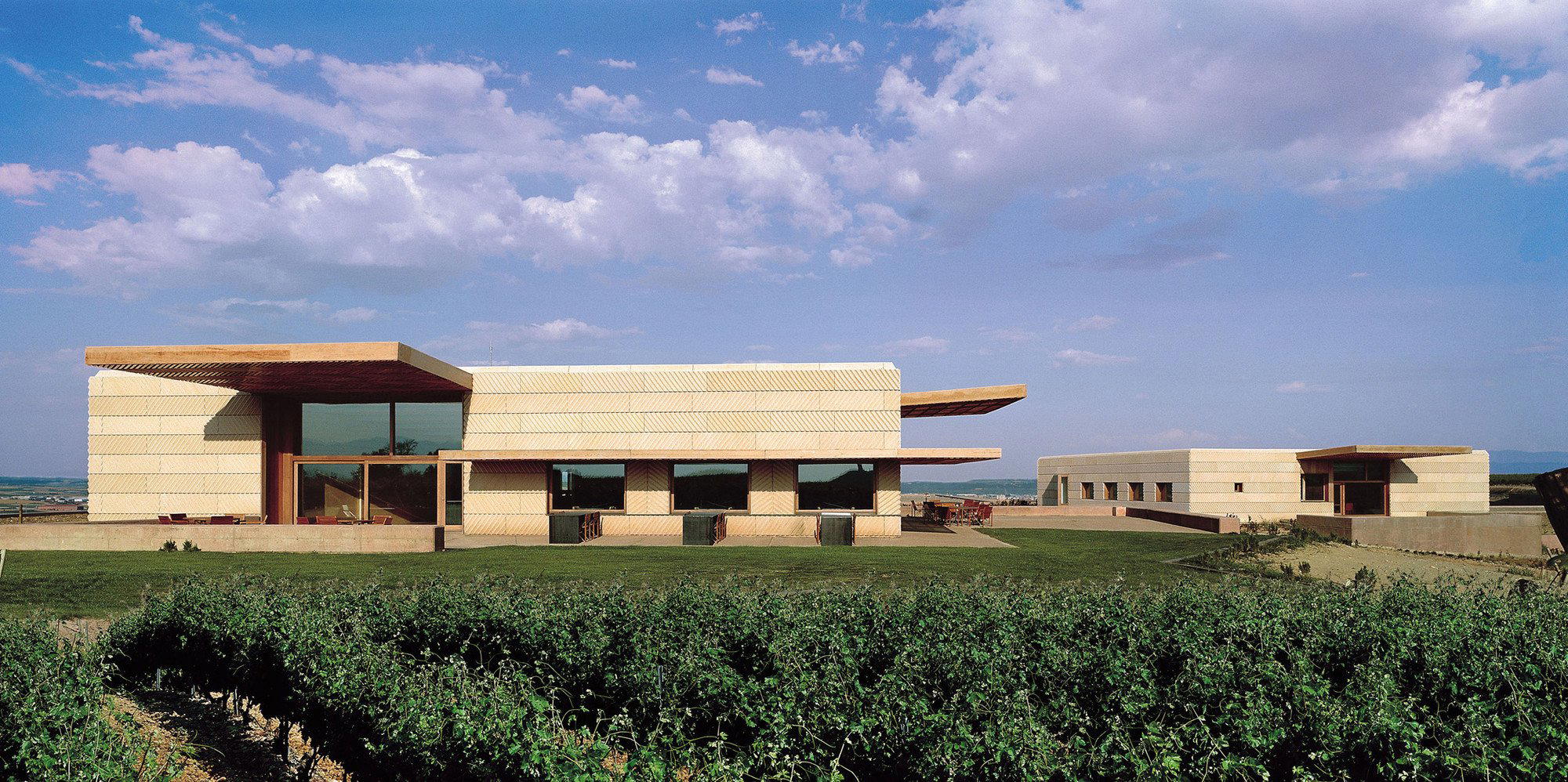
Modern, bright tasting room with chic contemporary seating and outdoor olive grove setting; some reviewers note the space can feel cold and impersonal, though the views and ambiance are generally praised as exceptional.
Tags
Vibe
Best For
Experience
Sourcing
View
Accessibility
At the Vineyard
- Appellation
- Durbanville
- Varietals
- Sauvignon Blanc, Chenin Blanc, Chardonnay, Cabernet Sauvignon, Merlot
- Tour Duration
- 60-90 minutes
- Visits
- By reservation
- Farming
- Sustainable
- Wine Styles
- Still White, Still Red, Sparkling
- Food Pairing
- Offered
- Wine Club
- Not available
Know before you go
Know Before You Go
- Getting there
- Tygerberg Valley Road, Cape Farms, Cape Town, Western Cape, South Africa
Planning details
Location
Tygerberg Valley Road, Cape Farms, Cape Town, Western Cape, South Africa · Directions
Recognition and awards

Also consider
Also Consider
- Durbanville Distillery, Notable alternative
- Nitida Wine Farm, Notable alternative
- Diemersdal Wine Estate, Notable alternative
- Meerendal Wine Estate, Notable alternative
- De Grendel Wine Estate, Notable alternative
Winery context
Against Durbanville Distillery, Durbanville Hills is the more natural choice for a wine-led occasion with a scenic estate feel. Choose the distillery when the group wants spirits instead of a traditional winery rhythm; choose this estate when the visual setting and lunch-friendly pacing matter more.
Nitida Wine Farm, Diemersdal Wine Estate, and Meerendal Wine Estate are the closer cross-shops for a Durbanville wine day. Pick Durbanville Hills for a more setting-forward, occasion-ready stop; cross-shop the others if the priority is building a multi-estate route with a broader producer comparison.
De Grendel Wine Estate is the peer to weigh when ambiance is the main decision point. If the booking goal is a polished Cape Town wine experience with strong views, compare availability between the two first, then decide by timing and group fit rather than trying to squeeze both into a rushed lunch window.
Around this place
Discover more on Pearl
Unlock the full Durbanville Hills guide in Pearl, including awards, comparisons, FAQs, planning details, and nearby places.
Compare Durbanville Hills
| Venue | Location | Awards |
|---|---|---|
| Durbanville Hills | Cape Town | 2026 Falstaff Winery Guide |
| Durbanville Distillery | Cape Town | No published awards |
| Nitida Wine Farm | Cape Town | No published awards |
| Diemersdal Wine Estate | Cape Town | 2026 Falstaff Winery Guide |
| Meerendal Wine Estate | Cape Town | No published awards |
| De Grendel Wine Estate | Cape Town | No published awards |
How Durbanville Hills Cape Town compares with similar nearby venues.
FAQ
Frequently Asked Questions
What should I know about membership or visitor benefits at Durbanville Hills?
When is the best time to visit Durbanville Hills?
Use the hours to plan your visit: Monday 12–5 PM; Tuesday to Friday 11 AM–5 PM; and Saturday to Sunday 11 AM–4:30 PM. Weekend visits have the shortest closing window, so plan accordingly.