
Winery in Cape Town, South Africa
Durbanville Distillery
500ptsTerroir-Driven Distilling
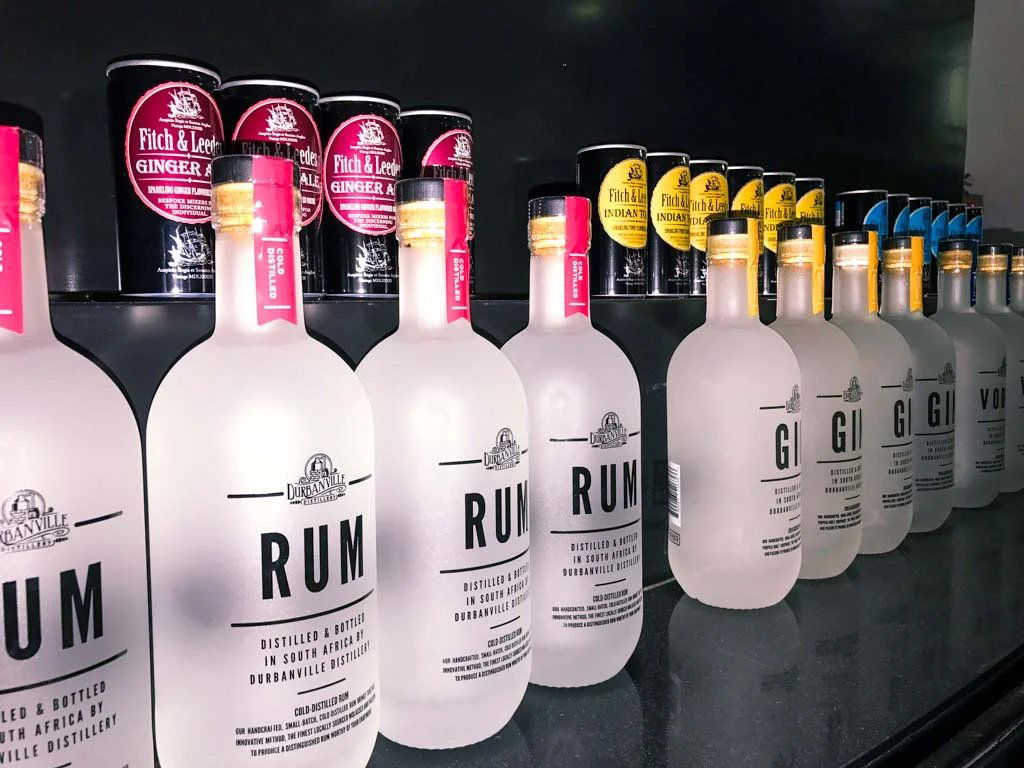
About Durbanville Distillery
Durbanville Distillery operates from Atlas Gardens in Cape Town's northern suburbs, holding a Pearl 2 Star Prestige award for 2025. It represents the smaller, craft-focused tier of South African spirits production, where provenance and local grain character define the output. For those tracing the Western Cape's growing distilling scene, it sits alongside a broader conversation about what the region's terroir can yield beyond wine.
Where the Northern Suburbs Shape the Spirit
The drive out to Durbanville along the R302 tells you something before you arrive. The land flattens and opens, the coastal mountain backdrop gives way to wheat and canola fields, and the air carries a dryness distinct from the humidity of the Cape Peninsula. At 36 Sycamore Crescent in Atlas Gardens, Durbanville Distillery sits within a suburb better known for its wine valley than its spirits production — which is precisely the point. Craft distilling in the Western Cape has grown in the shadow of the region's wine dominance, and operations like this one represent a deliberate pivot toward local grain and botanical sourcing in a place where the raw materials are close at hand.
This is a neighbourhood that has historically been a feeder zone for Cape Town's wine industry. The Durbanville Hills appellation produces Sauvignon Blanc and Merlot that appear across restaurant lists throughout the city. The distillery sits at the edge of that agricultural tradition and draws on it, operating in the same register of locality that defines the better craft producers across the Western Cape.
Provenance as the Founding Logic
The dominant trend in South African craft spirits over the past decade has been a shift away from imported botanicals and neutral base spirits toward hyper-local sourcing. Distilleries that have built durable reputations — Cape of Storms Distilling Co. and Oude Molen Distillery in Grabouw among them , have staked their identity on what the Cape's agricultural zones can yield: fynbos botanicals, locally malted barley, fruit from established orchards. Durbanville Distillery operates within this same logic.
The award record supports this positioning. A Pearl 2 Star Prestige recognition from Michelangelo International Wine and Spirits Awards in 2025 places the distillery within a credentialed tier of South African producers. The Pearl award category at Michelangelo is specifically designed to identify producers working at prestige level, and a 2-star result indicates consistent quality across submitted expressions rather than a single standout entry. That kind of recognition carries more weight than a single gold medal because it implies range and reliability in the production program.
For the ingredient-sourcing story, this matters. A distillery earning prestige recognition is, almost by definition, one that has resolved the provenance question in a way that judges can taste. Whether that resolution comes through locally grown grain, Cape-harvested botanicals, or water source discipline, the result points toward a production philosophy grounded in place rather than imported formula.
The Durbanville Context: Agriculture That Translates to Glass
Durbanville's wine valley sits roughly 25 kilometres north of Cape Town's city centre, and the appellation's cooler, wind-affected growing conditions have made it a reliable source of aromatic white varieties. Sauvignon Blanc from here regularly shows a minerality and lift that separates it from Stellenbosch or Paarl equivalents. That same agricultural character , soils with good drainage, moderate temperatures, proximity to both the Atlantic and the mountain range , creates conditions where botanical and grain crops carry specific regional flavour signatures.
This is the context that makes a distillery address in Atlas Gardens legible as a production decision rather than a commercial real estate one. Operations choosing to distil where their source materials grow produce different spirits from those purchasing neutral base spirit and blending in industrial parks. Across the Western Cape, the estates that have built the most coherent identities have done exactly this: Babylonstoren in Franschhoek grows much of what appears on its tables, and Val de Vie Estate in Paarl has built its premium positioning around the same farm-to-glass coherence. Durbanville Distillery applies analogous thinking to spirits production in a suburb that is already agricultural in character.
Craft Distilling in the Western Cape: The Broader Field
South Africa's craft spirits sector has expanded considerably since the country's first dedicated craft distillery regulations were formalised. The number of operational stills has roughly tripled in the past decade, with the Western Cape accounting for the majority. This growth has created a meaningful spread in quality: some operations work from imported concentrates with minimal local differentiation, while others have built production programs that reflect specific appellation character.
The distinction between these tiers is most visible in competition results. Prestige-level recognition at Michelangelo or gold medals at the South African Craft Distillers' Guild typically correlate with producers who have invested in local sourcing and proper aging infrastructure. Operations with that kind of recognition sit in a different competitive conversation from volume-oriented producers.
For comparative context within the Western Cape's spirits and premium drinks production, Constantia Glen, Groot Constantia, Beau Constantia, and Buitenverwachting all represent the premium tier of Cape production in wine, where provenance and appellation integrity define the peer set. The same logic now applies across spirits. Further afield, Creation Wines in Hermanus, Neethlingshof Estate in Stellenbosch, and Vergelegen Wine Estate in Somerset West each demonstrate how deep agricultural roots and rigorous production can generate products that hold their own in international judging contexts. Graham Beck Wines in Robertson offers a further reference point for how a regional producer builds sustained credibility through consistent competition performance across multiple years and product lines.
Internationally, the template is established: Aberlour in Aberlour shows how a spirits producer can anchor identity to a specific geographic and agricultural source over generations. The principle scales down to smaller operations, and Western Cape craft distilleries are increasingly working with it consciously.
Planning a Visit: What to Know
Durbanville Distillery is located at 36 Sycamore Crescent in Atlas Gardens, a suburb accessible from Cape Town's northern freeways. The distillery holds a Pearl 2 Star Prestige award for 2025, which is the most current verified credential available. Specific operating hours, tasting formats, pricing, and booking requirements are not confirmed in available data, and contacting the distillery directly before visiting is the practical approach. For those building a Cape Town itinerary that combines spirits and wine, the Durbanville Hills wine valley is immediately adjacent, making a combined visit to both the distillery and nearby wine estates a coherent half-day or full-day program.
For broader Cape Town planning, the full Cape Town guide covers the city's wine, dining, and drinks scene with neighbourhood-level detail. Those with an interest in comparing craft spirits production across South African regions will find Accendo Cellars a useful point of reference for how a focused, site-specific production philosophy operates in a different terroir context entirely.
Frequently Asked Questions
- What is the signature bottle at Durbanville Distillery?
- The Pearl 2 Star Prestige recognition at Michelangelo 2025 indicates a prestige-level production program, but specific bottle names, expressions, and tasting notes are not confirmed in current available data. The award result, particularly at the 2-star level, typically reflects quality across multiple expressions rather than a single product. Direct contact with the distillery will confirm current available releases, and the Durbanville wine region context suggests a production identity rooted in local agricultural sourcing.
- What is the main draw of Durbanville Distillery?
- The 2025 Pearl 2 Star Prestige award from Michelangelo is the clearest external validation of the distillery's position within the Western Cape's craft spirits tier. For visitors coming from Cape Town, the combination of that credentials story and the agricultural character of the Durbanville area makes it a coherent destination for anyone tracking where South African craft spirits production is heading. It operates outside the more heavily trafficked Constantia and Stellenbosch circuits, which means shorter queues and a quieter tasting environment for those willing to drive north rather than south from the city.
Related editorial
- Best Fine Dining Restaurants in ParisFrom three-Michelin-star icons to the next generation of Parisian chefs pushing boundaries, these are the restaurants that define fine dining in the world's culinary capital.
- Best Luxury Hotels in RomeFrom rooftop terraces overlooking ancient ruins to Michelin-starred hotel dining, these are the luxury hotels that make Rome unforgettable.
- Best Cocktail Bars in KyotoFrom sleek lounges to hidden speakeasies, Kyoto's cocktail scene blends Japanese precision with global influence in ways you won't find anywhere else.
Save or rate Durbanville Distillery on Pearl
Keep this venue in your Pearl passport, rate it after you visit, and track it alongside every other place you collect.