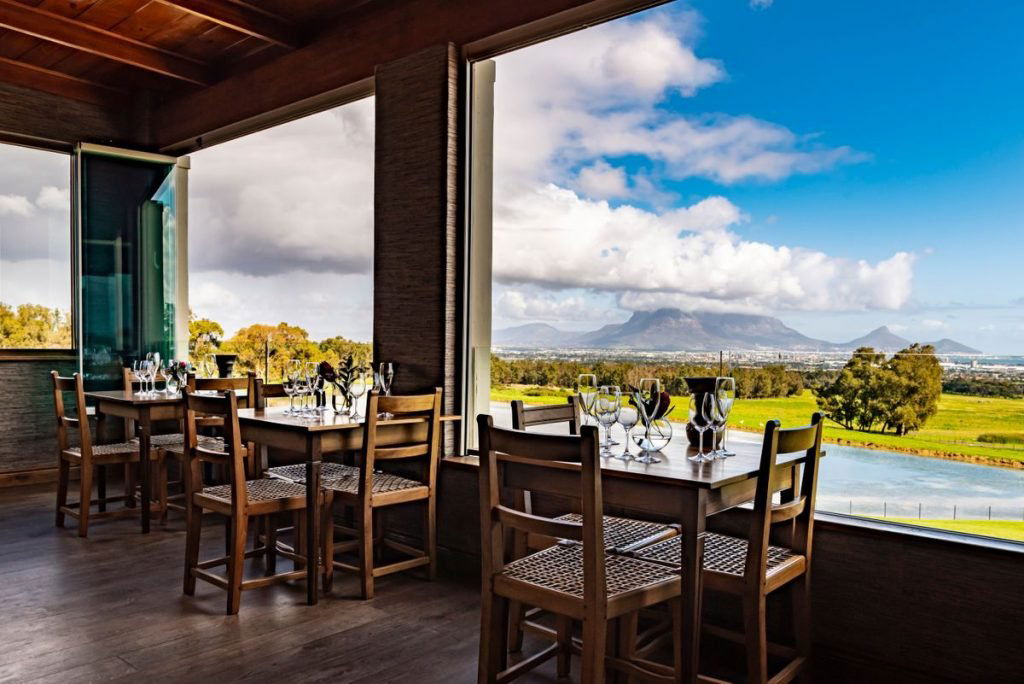
De Grendel Wine Estate
Panorama, Cape Town
Winery in Cape Town, South Africa
 Book with Pearl
The Read
Northern Cape Estate Dining
Why go
Choose De Grendel Wine Estate if you want a Durbanville-side Cape Town wine outing with an estate feel rather than a quick city tasting. It is better for travellers building a wine-led half-day north of the city than for groups prioritising restaurants, cocktails, or hotel convenience.
About De Grendel Wine Estate
Should you consider De Grendel Wine Estate? If you are looking at a Cape Town stop, it belongs on the shortlist.
Opening hours, pricing, menu format, specific wines, tasting options, or reservation requirements are not available. If you are comparing it with other Cape Town options, start with broader Cape Town guides and confirm current practical details directly before building a day around the visit.
A Cape Town venue
That makes it a notable Cape Town venue, but information on specific tasting formats, restaurant offerings, wine list details, chefs, price points, or service schedules is not available.
For a comparison set, consider De Grendel Wine Estate alongside Nitida Wine Farm, Durbanville Hills, Meerendal Wine Estate, Durbanville Distillery, and New Harbour Distillery. Those names are useful for building a broader wine-and-spirits shortlist without assuming that every venue offers the same format or experience.
How to decide if it belongs in your Cape Town itinerary
Choose De Grendel Wine Estate if a Cape Town visit is part of the plan and you are comfortable confirming the operational details before you go. Confirm details about lunch, tastings, pricing, transport time, and booking rules. For a city-first itinerary, use Our full Cape Town restaurants guide, Our full Cape Town bars guide, Our full Cape Town hotels guide, and Our full Cape Town experiences guide to shape the wider day.
If your group is also considering other named options, Durbanville Distillery, New Harbour Distillery, Nitida Wine Farm, Durbanville Hills, and Meerendal Wine Estate can help frame the decision.
For travellers planning beyond Cape Town, use De Grendel Wine Estate as a Cape Town entry in the itinerary rather than as a stand-in for every South African wine region. De Grendel Wine Estate warrants a focused mention, but not a detailed description of route design, signature bottles, dining style, or comparative rankings.
Planning details
- Location
- De Grendel Wine Estate and Restaurant, Plattekloof Road, Panorama, Cape Town, 7500
- Website
- degrendel.co.za
- Phone
- +27 21 558 6280
The take
The Take
The Vibe
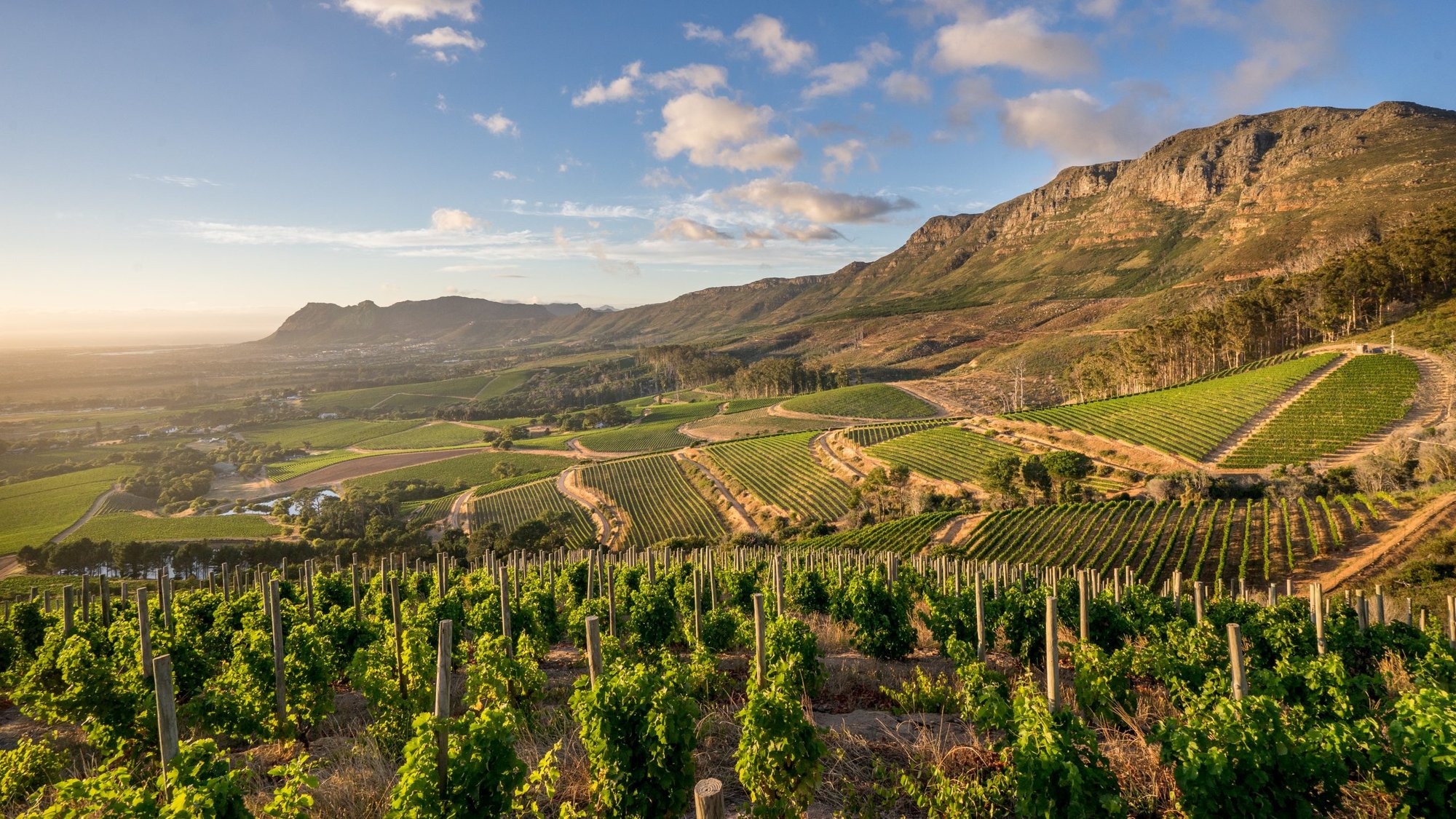
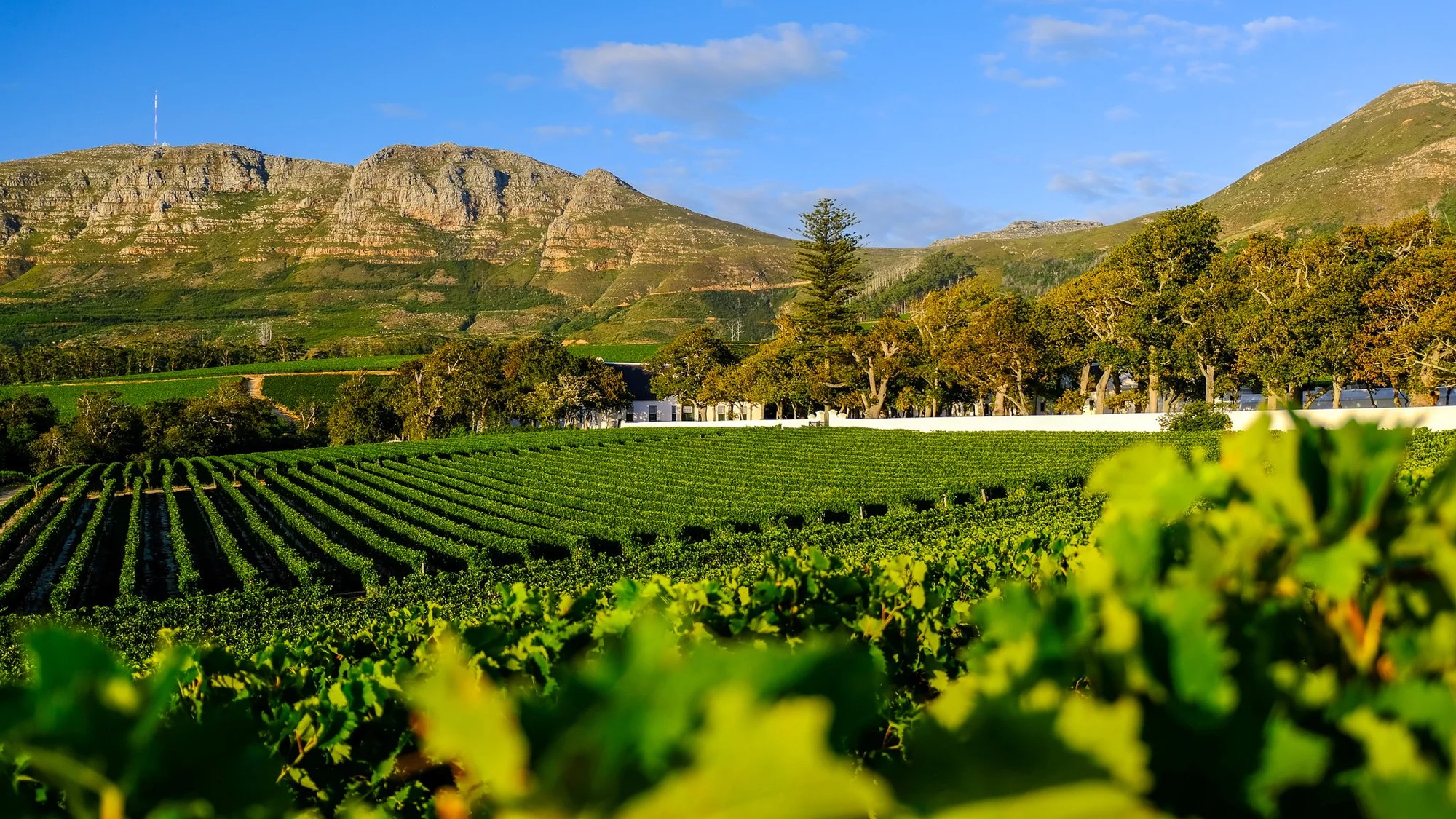
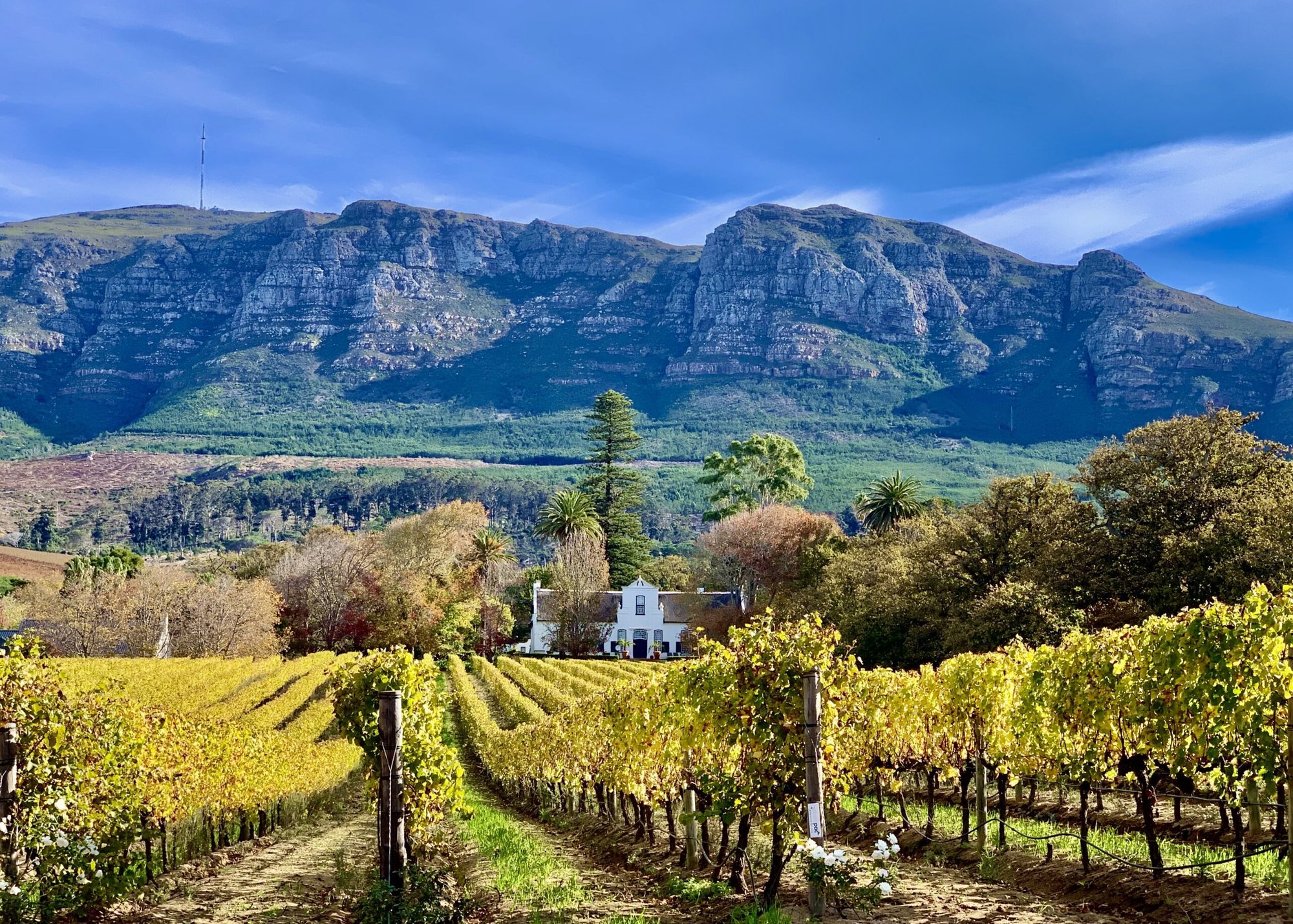
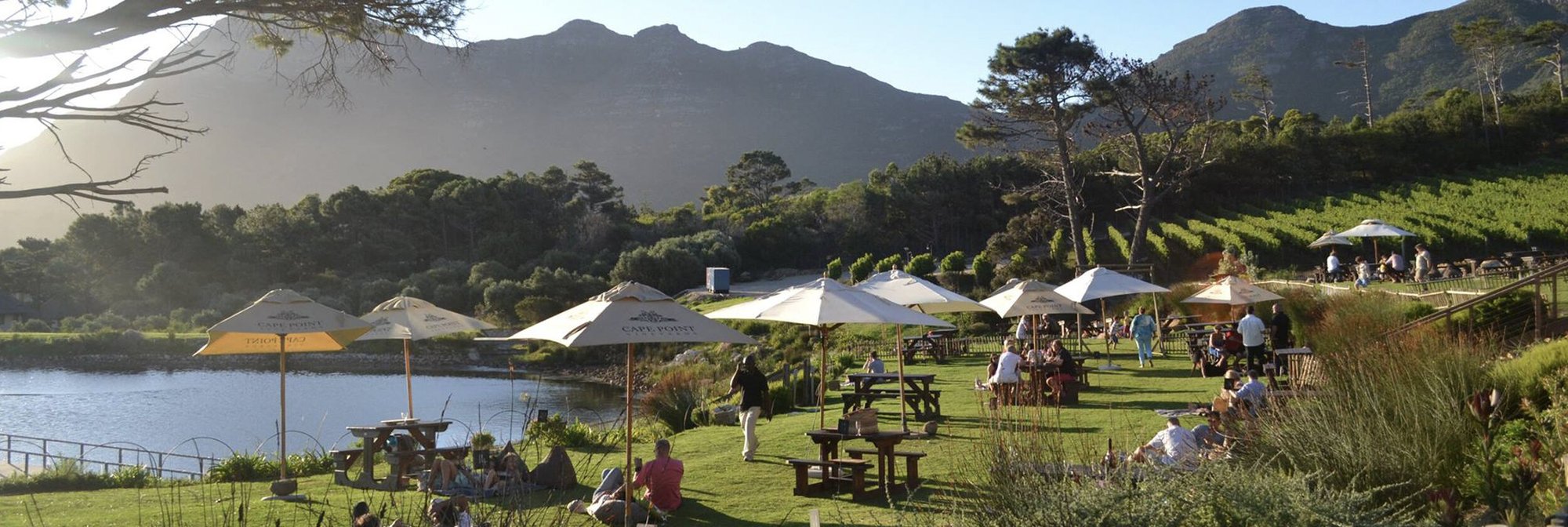
De Grendel presents a composed, scenic presence on a northerly approach out of Cape Town: the city recedes quickly and vine rows and a mountain backdrop arrive in short order. The estate’s higher Plattekloof elevation and cooler air slow ripening, and the copy links that climate to a cellar philosophy that favors restraint and freshness. Everything reads less like theatrical wine‑country pageantry and more like deliberate, site-driven craft—an elevated working estate where landscape and cellar practice combine to create a measured, quietly sophisticated rural character.
Best For
De Grendel works well for visitors who want direct engagement with terroir and the cellar’s craft. Its accessible location on Plattekloof Road and estate setting make it a convenient stop from the city, while the text’s focus on barrel ageing, blending and cool-climate ripening makes it particularly suitable for wine education and tasting-focused group outings. The scenic vineyard and mountain context also suit romantic or celebratory visits where the landscape and site expression are part of the experience.
Tasting Tips
When tasting at De Grendel, prioritize wines that showcase the cool‑climate freshness and balance the text highlights. Ask about barrel‑ageing choices, oak selection and blending decisions—the copy specifically points to those cellar practices as decisive for style. Focus on examples that demonstrate measured sugar accumulation, lively acidity and subtle oak influence rather than overt fruitiness; probing the cellar team’s approach will reveal whether a given wine leans toward site expression or winemaker-driven style.
Venue details
Ambiance
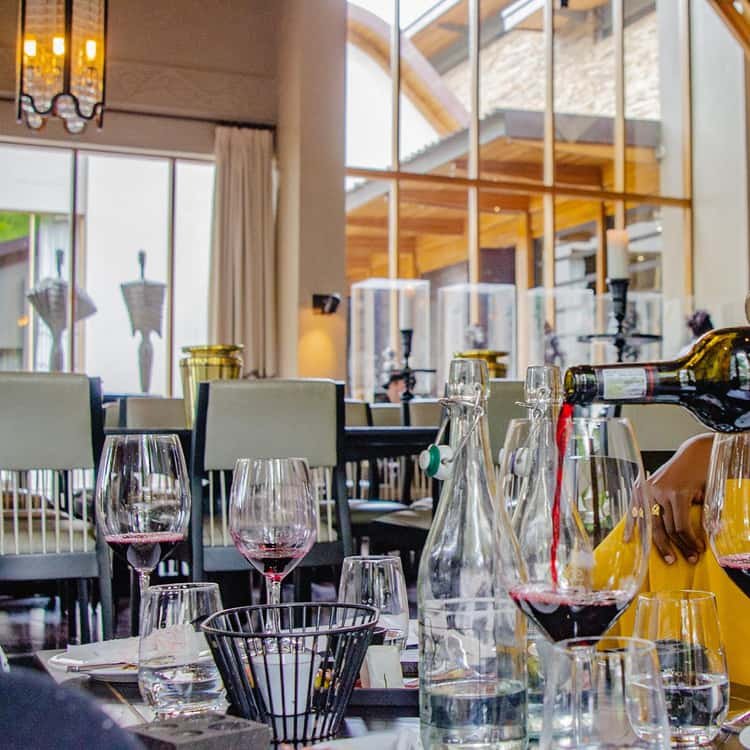
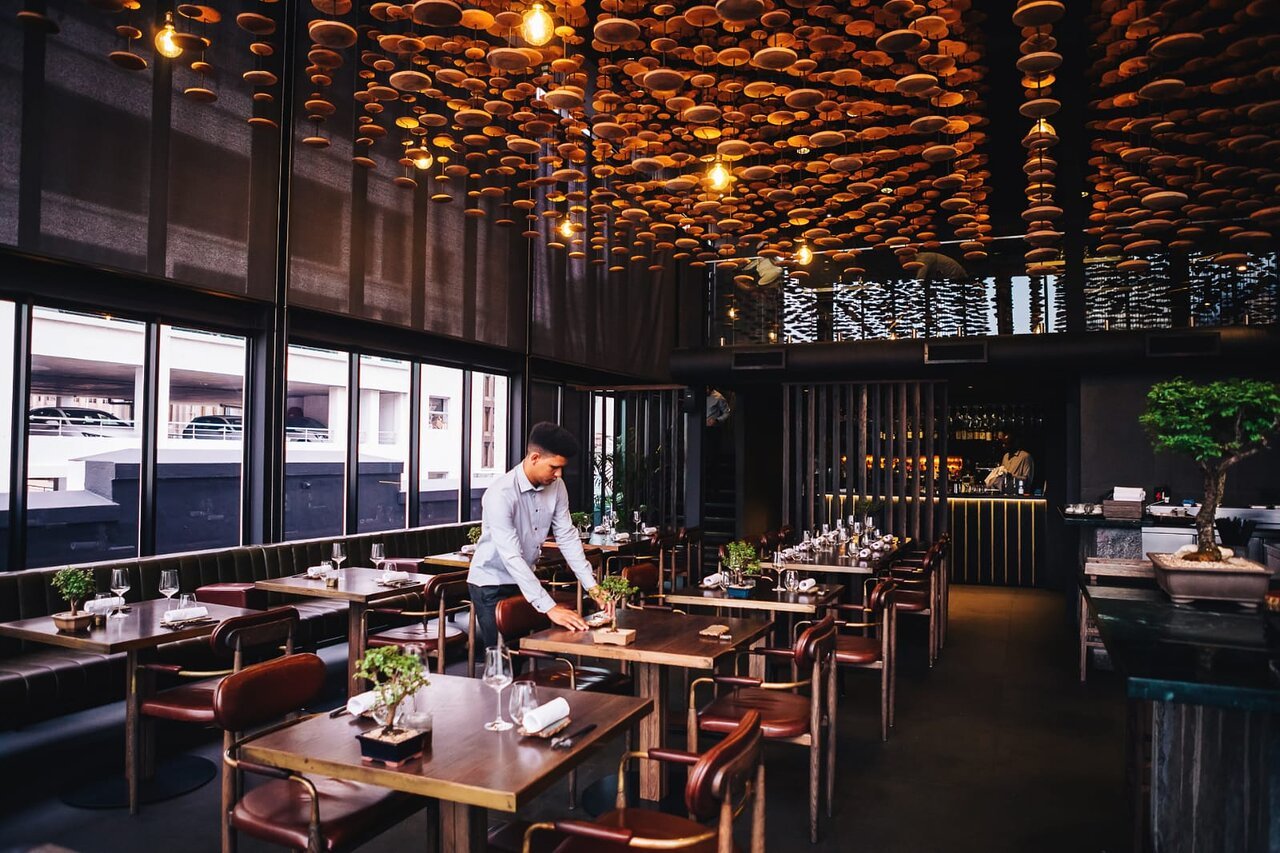
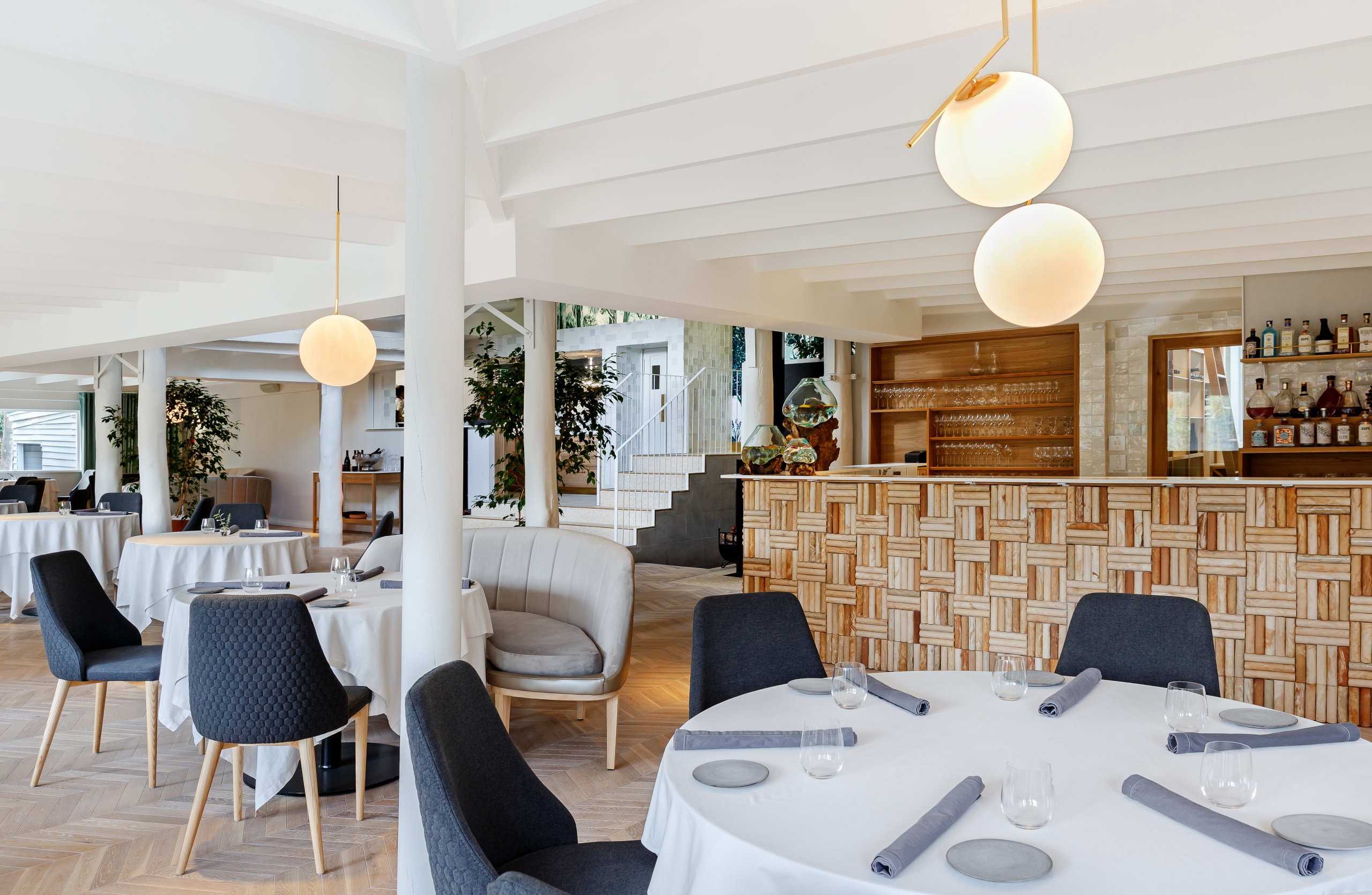
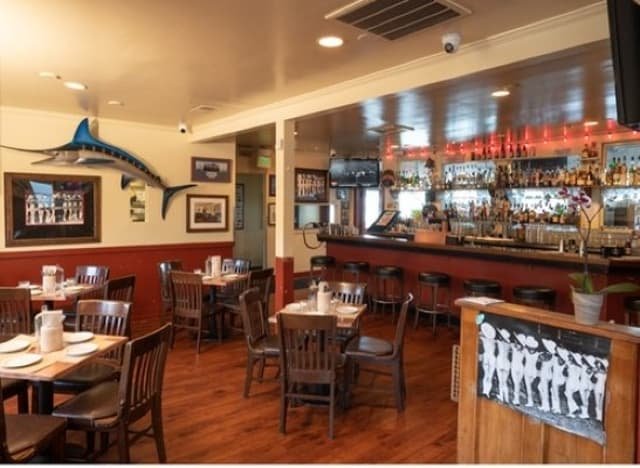
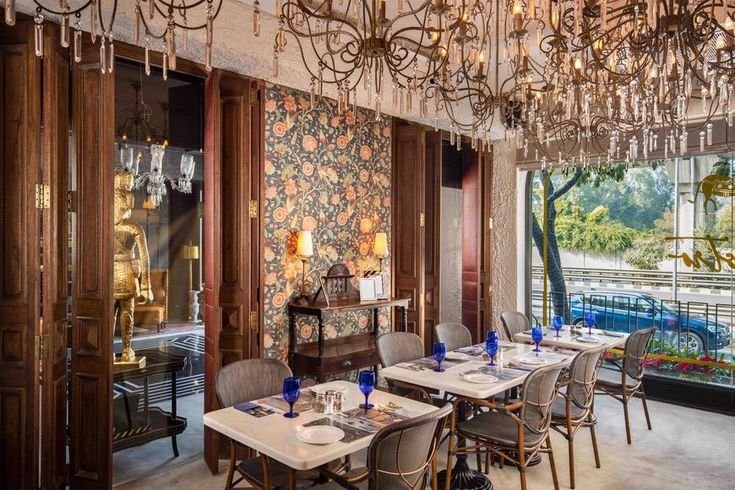
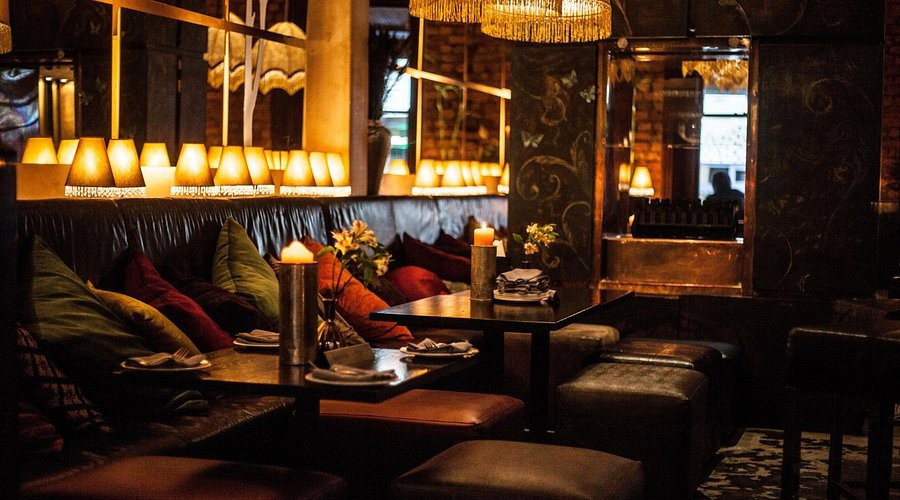
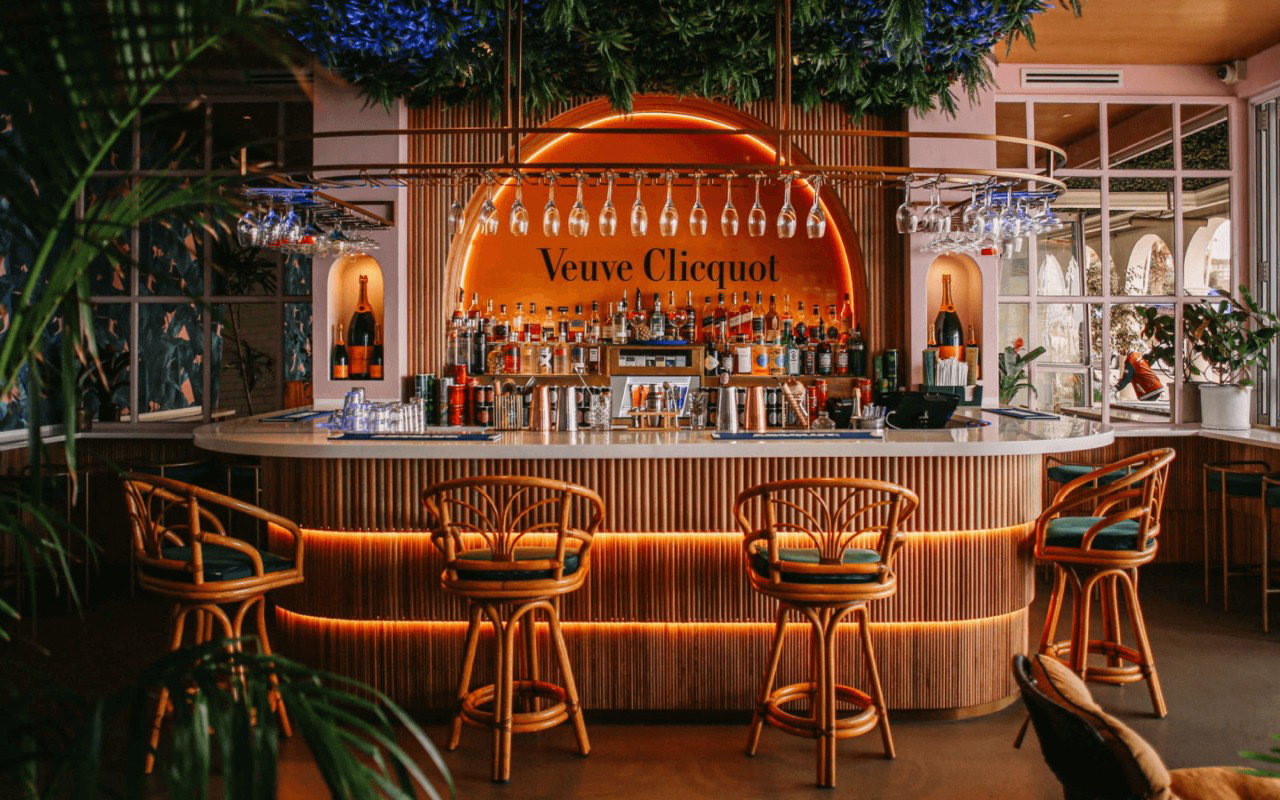
Relaxed yet upmarket atmosphere with natural light from large arched windows and verandah, complemented by peaceful fynbos surroundings and spectacular vistas.
Tags
Vibe
Best For
Experience
Sourcing
View
At the Vineyard
- Appellation
- Durbanville
- Varietals
- Sauvignon Blanc, Cabernet, Merlot, Pinotage, Chardonnay
- Tour Duration
- 60-90 minutes
- Visits
- By reservation
- Farming
- Sustainable
- Wine Styles
- Still Red, Still White
- Food Pairing
- Offered
- Shipping
- Available
- Wine Club
- Available
Know before you go
Know Before You Go
- Getting there
- De Grendel Wine Estate and Restaurant, Plattekloof Road, Panorama, Cape Town, 7500
Planning details
Location
De Grendel Wine Estate and Restaurant, Plattekloof Road, Panorama, Cape Town, 7500 · Directions
Also consider
Also Consider
- Nitida Wine Farm, Notable alternative
- New Harbour Distillery, Notable alternative
- Durbanville Hills, Notable alternative
- Durbanville Distillery, Notable alternative
- Meerendal Wine Estate, Notable alternative
Winery context
How it compares in Cape Town
Against Nitida Wine Farm, Durbanville Hills, and Meerendal Wine Estate, De Grendel Wine Estate is the pick for readers who want the wine estate to feel like the main event rather than one stop in a packed tasting crawl. Durbanville Hills is the easier recommendation for a more obvious, visitor-friendly Durbanville reference point; Nitida and Meerendal work better when the goal is to compare several local labels in one outing.
If the group includes people less focused on wine, New Harbour Distillery and Durbanville Distillery are smarter cross-shops. They shift the day toward spirits and a shorter attention span, which can be better value for mixed groups. Choose De Grendel when the group wants vineyard atmosphere and a slower pace; choose the distillery options when variety matters more than estate depth.
For ambiance, De Grendel is better suited to a planned afternoon than a quick add-on. Meerendal and Durbanville Hills are stronger alternatives if the reader wants a broader Durbanville circuit with easier comparison between stops, while Nitida is useful for keeping the day compact. The decision is simple: book De Grendel for a focused estate visit, cross-shop the others for a more flexible route.
Around this place
Discover more on Pearl
Unlock the full De Grendel Wine Estate guide in Pearl, including awards, comparisons, FAQs, planning details, and nearby places.
Compare De Grendel Wine Estate
| Venue | Location | Awards |
|---|---|---|
| De Grendel Wine Estate | Cape Town | No published awards |
| Nitida Wine Farm | Cape Town | No published awards |
| New Harbour Distillery | Cape Town | No published awards |
| Durbanville Hills | Cape Town | 2026 Falstaff Winery Guide |
| Durbanville Distillery | Cape Town | No published awards |
| Meerendal Wine Estate | Cape Town | No published awards |

How De Grendel Wine Estate Cape Town compares with similar nearby venues.
FAQ
Frequently Asked Questions
What other venues can I compare with De Grendel Wine Estate?
For comparison, look at Nitida Wine Farm, Durbanville Hills, Meerendal Wine Estate, Durbanville Distillery, and New Harbour Distillery. Confirm current offerings directly, because specific tasting formats, menus, prices, or hours are not specified.
What is the flagship wine at De Grendel Wine Estate?
A single flagship bottle is not specified.
Do I need a reservation at De Grendel Wine Estate?
A reservation requirement is not specified. Before visiting De Grendel Wine Estate in Cape Town, check the venue directly for current booking rules, hours, and any visit-specific requirements. The dress code is smart casual.