
Château Kirwan
Cantenac
Winery in Cantenac, France
 Book with Pearl
The Read
Cantenac Classified Terroir
Why go
Prioritise Château Kirwan for a serious Cantenac winery appointment, especially if the day is built around Margaux-area château visits. It is a stronger fit for wine-focused travellers than for anyone seeking a casual tasting room or food-led stop, so plan ahead and keep a nearby backup in mind.
About Château Kirwan
In Cantenac, Château Kirwan is a premium venue with Pearl 3 Star Prestige (2025). The dress code is smart casual, so visitors should plan for a polished but not formal presentation.
For specific services, visit formats, food options, shipping, group policies, prices, or hours, contact Château Kirwan directly before making detailed plans, especially if your visit depends on a particular service or schedule.
Book with details, not assumptions
The safest way to approach Château Kirwan is to start with the basics: it is in Cantenac, it carries Pearl 3 Star Prestige (2025), and smart casual dress is appropriate. Anything more specific should be checked with the venue before you build an itinerary around it.
That means not assuming a particular tasting format, meal service, visitor timetable, group capacity, delivery option, or retail arrangement unless Château Kirwan confirms it directly. The appeal here is the prestige profile in Cantenac, with practical hospitality details arranged directly with the venue.
Where it fits in comparison planning
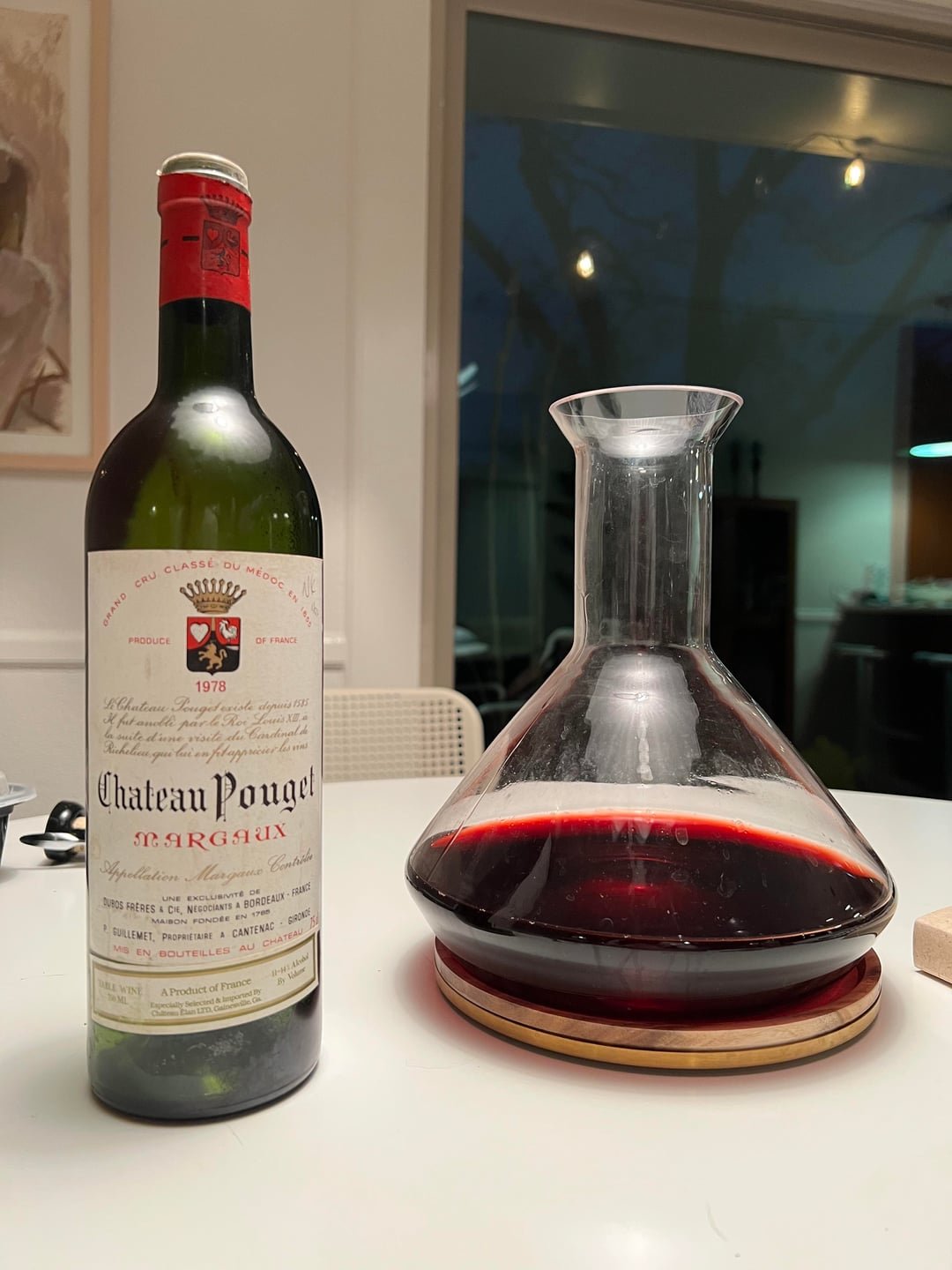
For comparison planning, Château Kirwan can be considered alongside Château Prieuré-Lichine, Château d'Issan, Château Pouget, Château Boyd-Cantenac, and Château Desmirail. Use those names as reference points when shaping a plan, while confirming each venue's current access and services individually.
For a broader local plan, use Cantenac dining, hotel, bar, and experience research generically rather than assuming Château Kirwan itself provides those services. If your schedule depends on a meal, transport window, group arrangement, or purchase option, verify it with the relevant venue before committing.
Quick reference: Château Kirwan is in Cantenac, has Pearl 3 Star Prestige (2025), and uses a smart casual dress code. Confirm all other practical details directly.
Planning details
- Location
- Chem. de Kirwan, 33460 Cantenac
- Website
- chateau-kirwan.com
- Phone
- +33 5 57 88 71 00
The take
The Take
The Vibe
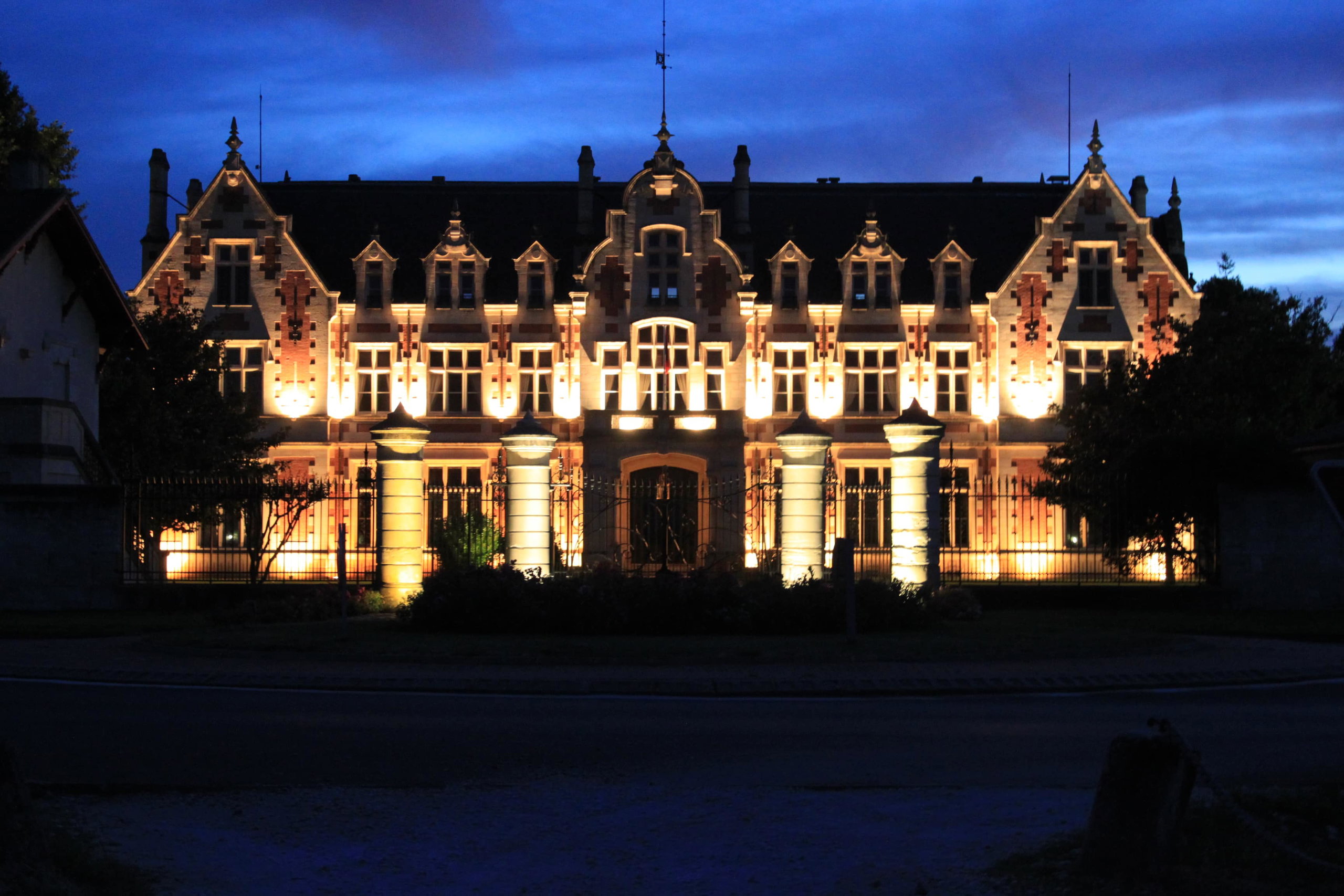
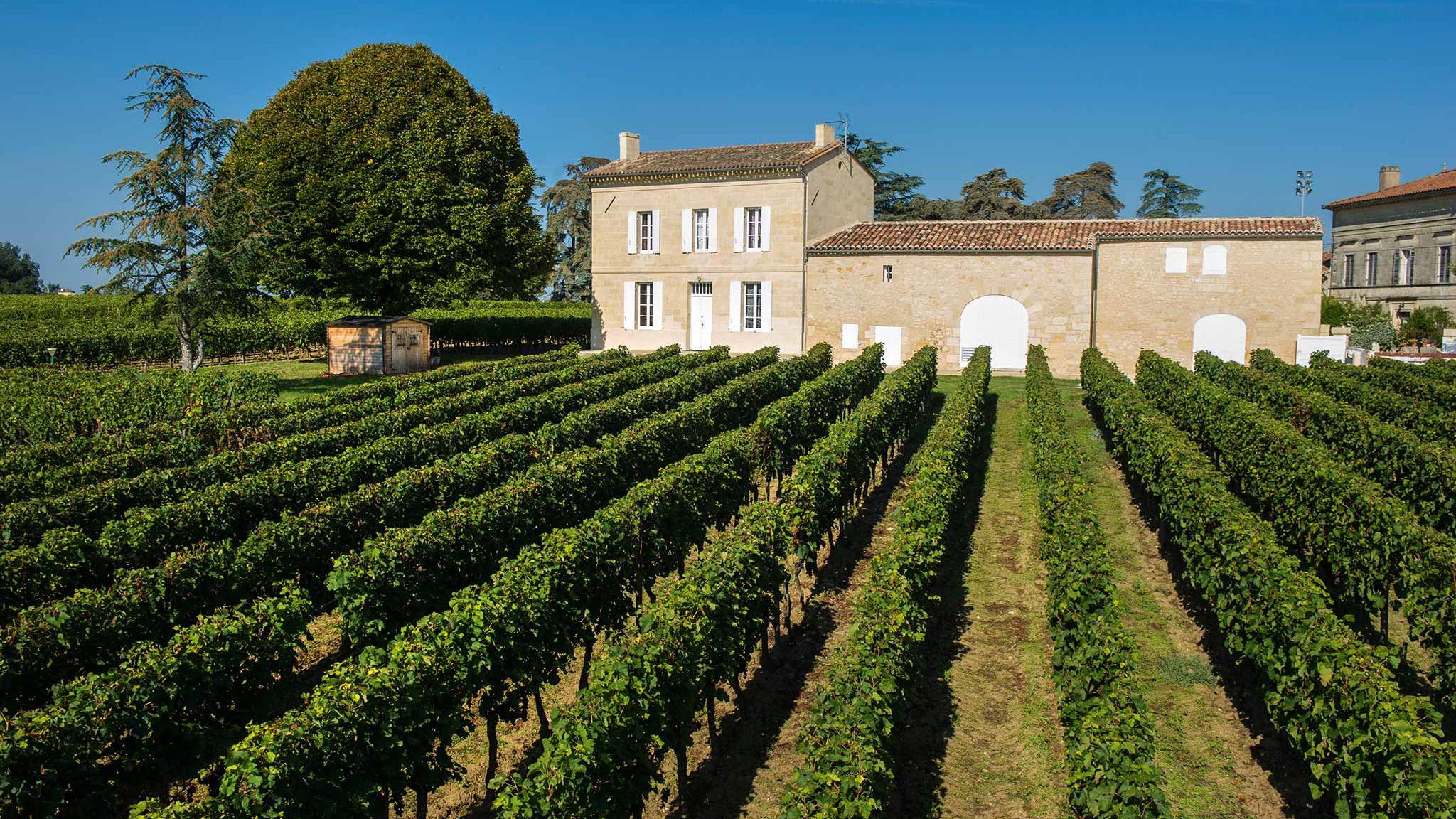
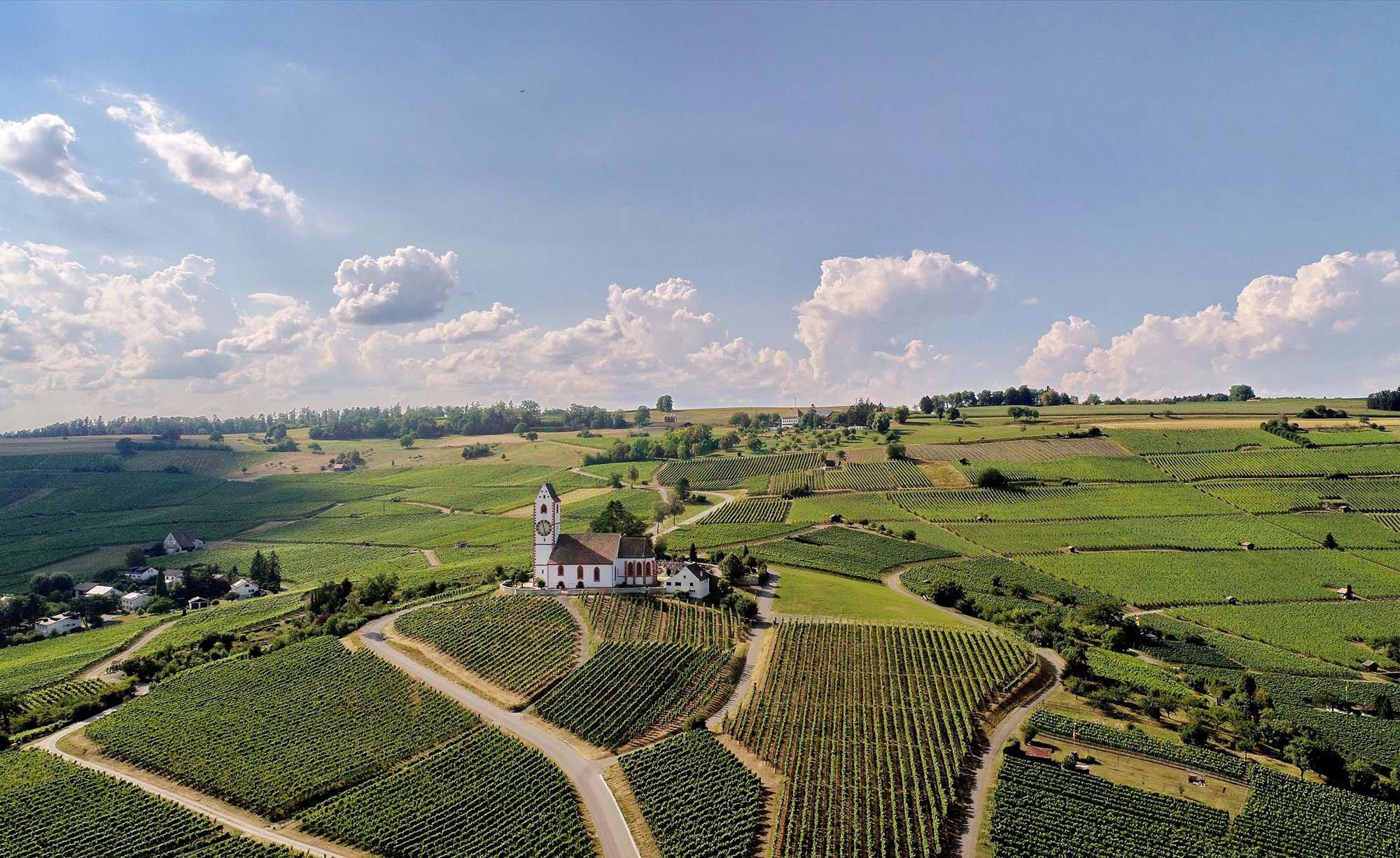
Château Kirwan reads like a classic Margaux estate: a historic, classed‑growth property where geology and tradition shape a measured elegance. The writing underscores the château’s place within Cantenac’s gravelly terroir and the 1855 classification, so the sense is one of long lineage and careful cultivation rather than flash. Visitors encounter a composed estate aesthetic—approaching along the Chemin de Kirwan hints at formal grounds and a studied landscape—where the wines favor finesse, fine tannins and a tonal elegance that reflects the commune’s reputation.
Best For
Kirwan is best for visitors seeking an informative, terroir‑focused winery experience and those marking a special visit to Bordeaux. The text emphasizes classification, soils and the estate’s position in Margaux, making the château a natural stop for people interested in wine education, the history of the 1855 growths and comparison tastings with neighboring classified estates. It’s also well suited to someone planning a considered, celebratory tasting—an occasion that matches the property’s classed‑growth status and quiet, refined presence.
Tasting Tips
When tasting at Kirwan, focus on structure and evolution: ask to compare recent and older vintages to understand how the Günzian gravel influences tannin refinement and balance. The description explicitly names nearby classed estates—Brane Cantenac, d’Issan, Boyd‑Cantenac, Pouget and Prieuré‑Lichine—so request comparative notes or side‑by‑side references to place Kirwan within Cantenac’s spectrum. Probe vineyard parcels and soil profiles mentioned in the write‑up to connect sensory impressions to the estate’s terroir-driven style.
Venue details
Ambiance
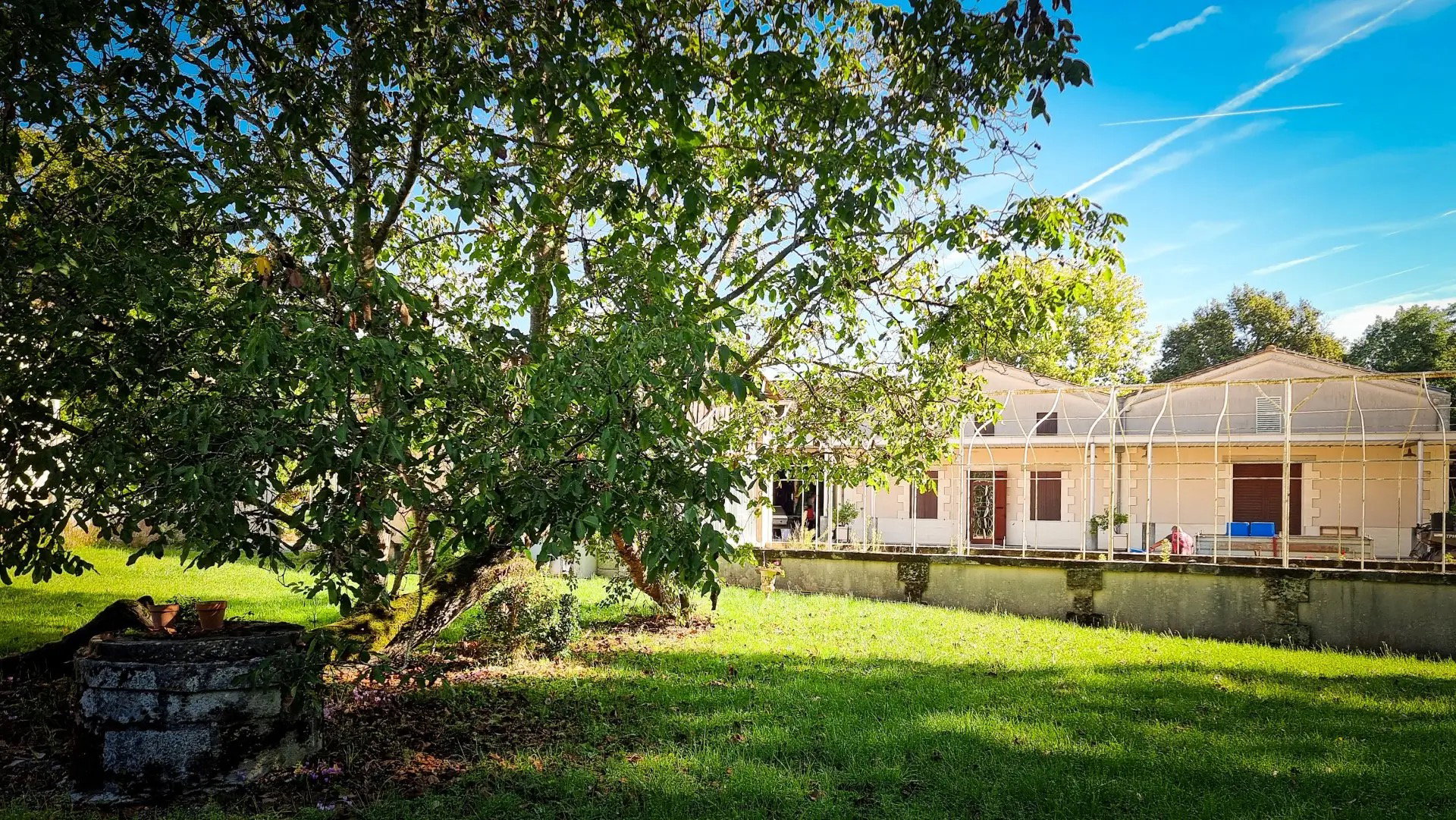
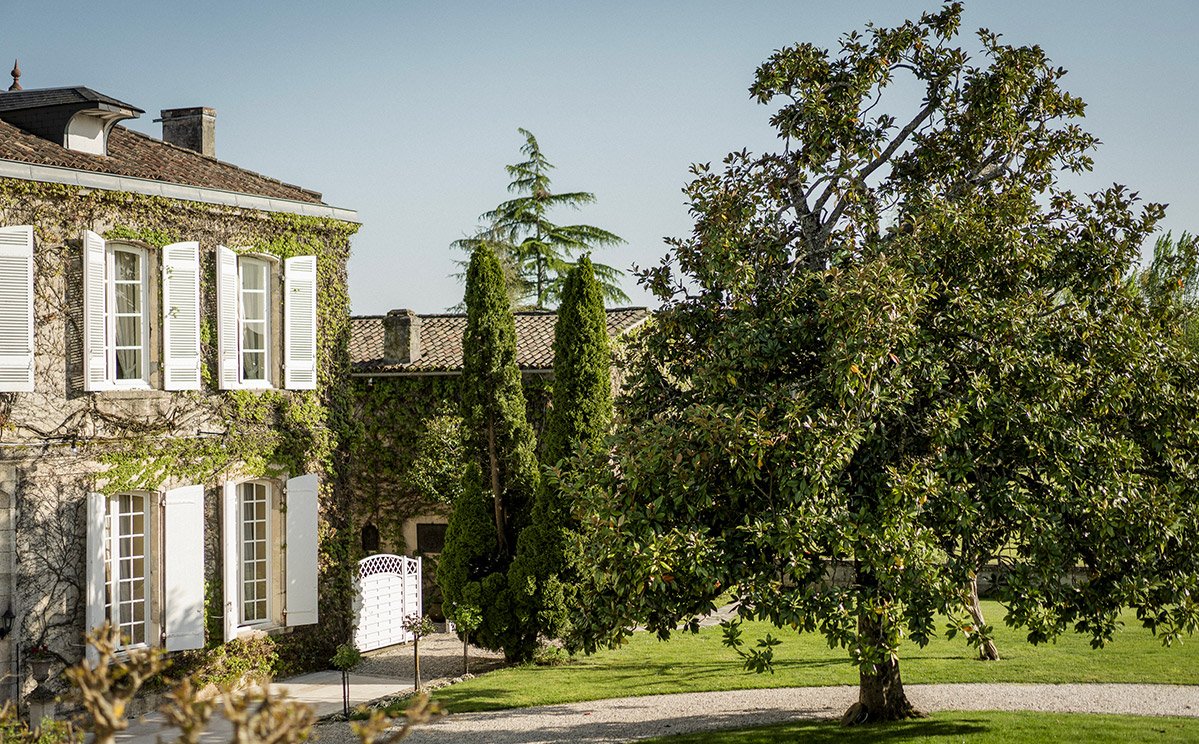
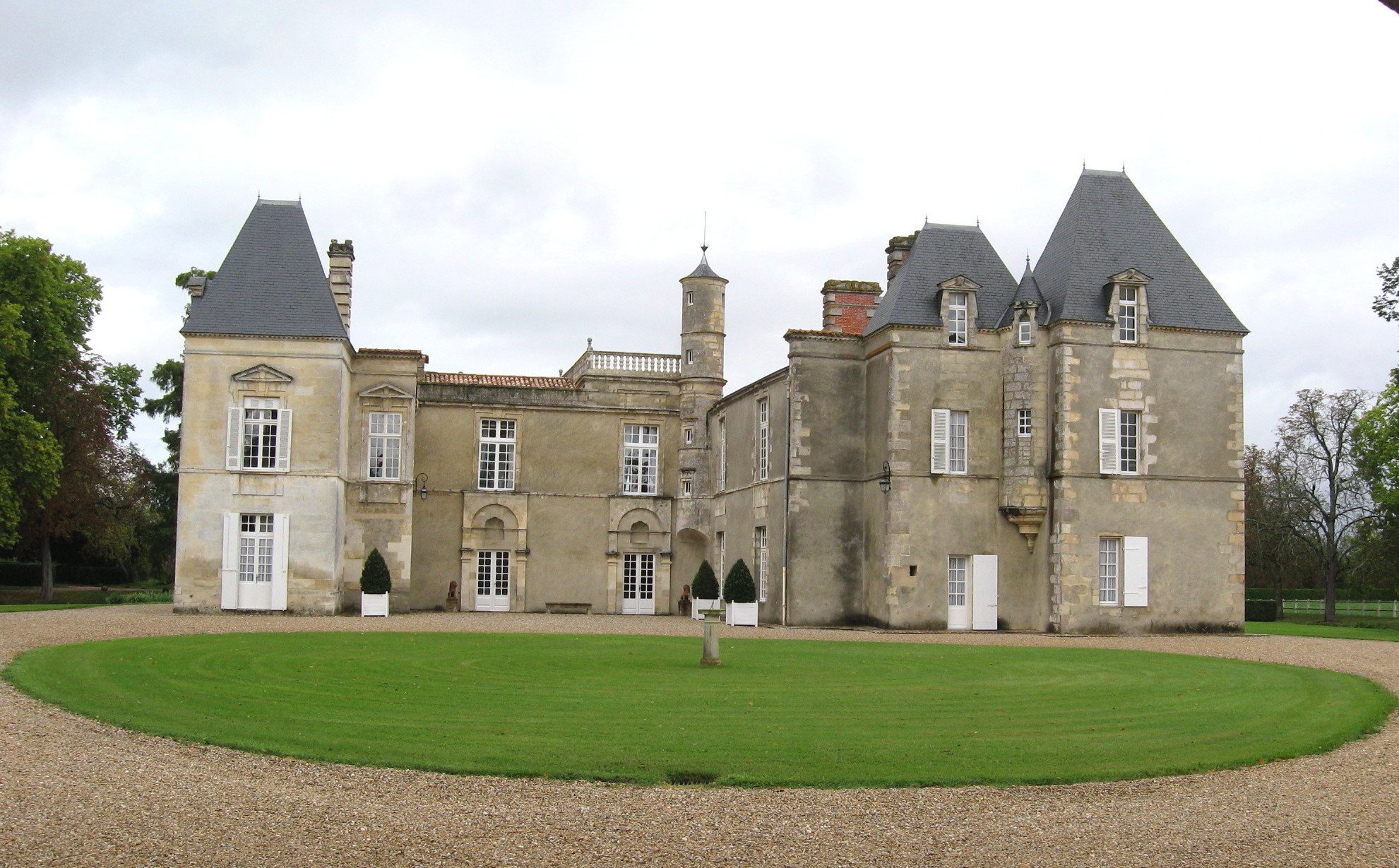
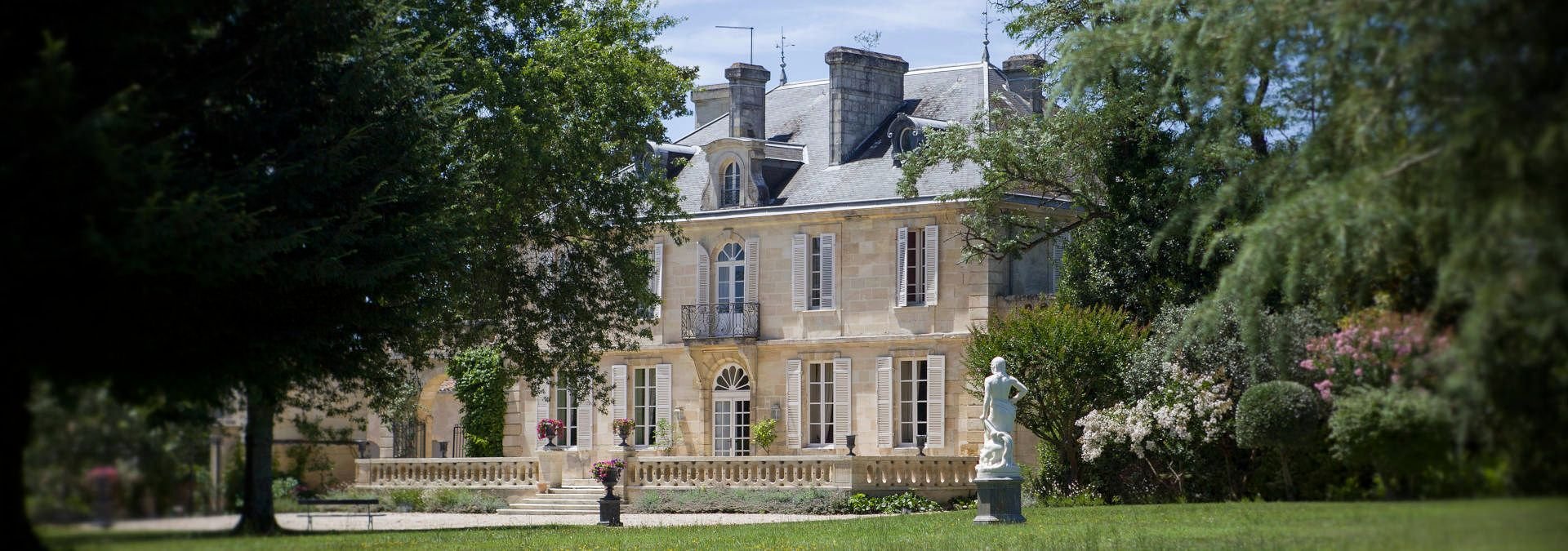
Elegant and classical atmosphere in a charming 18th-century mansion surrounded by picturesque gardens and gravelly vineyards.
Tags
Vibe
Best For
Experience
View
At the Vineyard
- Appellation
- Margaux AOC
- Varietals
- Cabernet Sauvignon, Merlot, Cabernet Franc, Petit Verdot, Carmenere
- Tour Duration
- 60-90 minutes
- Tour Languages
- French, English
- Visits
- By appointment only
- Wine Styles
- Still Red
- Wine Club
- Not available
Know before you go
Know Before You Go
- Getting there
- Chem. de Kirwan, 33460 Cantenac
Planning details
Location
Recognition and awards

Also consider
Where to Try If This Is Full
Try Château d'Issan if the goal is another serious Cantenac château visit. Choose Château Pouget if the itinerary needs a more practical fallback in the same village area.
Winery context
How It Compares
Château Kirwan is the stronger choice if the day can revolve around one higher-effort Cantenac appointment. Compared with Château Prieuré-Lichine and Château d'Issan, it makes the most sense for visitors who care more about a serious château stop than maximum flexibility.
If ease matters more, Château Pouget and Château Boyd-Cantenac are the better cross-shops to consider. Château Desmirail sits outside the immediate Cantenac set, so use it when the route already stretches beyond the village rather than as a same-block substitute.
Value depends on what the visitor wants from the tasting. For a prestige-led, wine-focused itinerary, choose Château Kirwan. For a more forgiving day with less pressure around timing, start with Château Pouget or Château Boyd-Cantenac.
Explore Cantenac
Around this place
Discover more on Pearl
Unlock the full Château Kirwan guide in Pearl, including awards, comparisons, FAQs, planning details, and nearby places.
Compare Château Kirwan
| Venue | Location | Awards |
|---|---|---|
| Château Kirwan | Cantenac | 2026 Falstaff Winery Guide |
| Château Prieuré-Lichine | Cantenac | 2026 Falstaff Winery Guide |
| Château Desmirail | Margaux | 2026 Falstaff Winery Guide |
| Château d’Issan | Cantenac | 2026 Falstaff Winery Guide |
| Château Pouget | Cantenac | 2026 Falstaff Winery Guide |
| Château Boyd-Cantenac | Cantenac | 2026 Falstaff Winery Guide |
How Château Kirwan Cantenac compares with similar nearby venues.
FAQ
Frequently Asked Questions
Does Château Kirwan ship wine?
If shipping matters for your visit, ask Château Kirwan directly before you go rather than assuming it is available.
Can Château Kirwan handle large groups?
Contact Château Kirwan directly if your plans involve a large party or any specific arrangement.
Is the wine club at Château Kirwan worth joining?
Does Château Kirwan serve food?
Do not plan Château Kirwan as a meal stop unless the venue confirms that option directly.