Bodega Marichal
Etchevarría, Las Violetas, Canelones
Winery in Canelones, Uruguay
The Read
Canelones Terroir Focus
Why go
Bodega Marichal is a better pick for wine travellers who can handle booking friction than for anyone needing a fully mapped lunch-and-tasting plan. Treat it as a focused Canelones winery stop, confirm the visit before building the day around it, keep backup options nearby.
About Bodega Marichal
Bodega Marichal is a Canelones venue with Pearl 2 Star Prestige (2025) recognition and a casual dress code. Beyond those confirmed points, the verified record is limited, so the safest way to plan is to confirm any visit details directly before building an itinerary around it.
The right expectation is a selective venue profile rather than a fully documented restaurant-style listing. No confirmed cuisine type, chef, menu, price, seat count, service format, website, phone, or posted hours are available in the verified facts here. Treat any food, timing, group, or booking assumptions as unconfirmed until the venue verifies them directly.
Book with confirmation, not assumptions
The main reason to keep Bodega Marichal on a Canelones shortlist is its Pearl 2 Star Prestige (2025) recognition. The trade-off is that the available verified detail is lean, so it is not a good fit for travellers who need every element confirmed in advance from a public listing.
If the schedule is tight, compare availability with Bodega Juanicó (Familia Deicas), Bodega De Lucca, Artesana, Los Nadies, Viña Progreso before locking transport. Keep the plan flexible until Bodega Marichal confirms the practical details that matter for the visit.
The decision comes down to certainty
Choose Bodega Marichal if Pearl 2 Star Prestige (2025) recognition and a Canelones setting are enough to justify a direct inquiry. Skip it if the group needs confirmed dining, posted hours, pricing, or detailed service information before committing. For broader planning, keep the rest of the day simple with separate restaurant, hotel, bar, experience planning in Canelones.
Planning details
- Location
- 90000 Canelones Department
- Website
- marichalwines.com
- Phone
- +598 4332 1949
The take
The Take
The Vibe
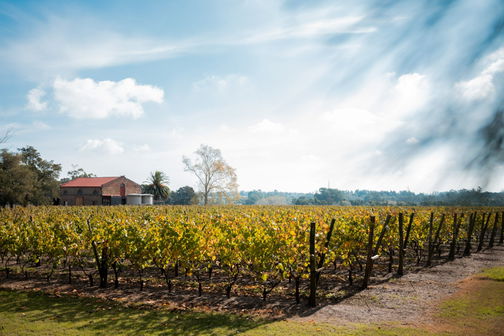
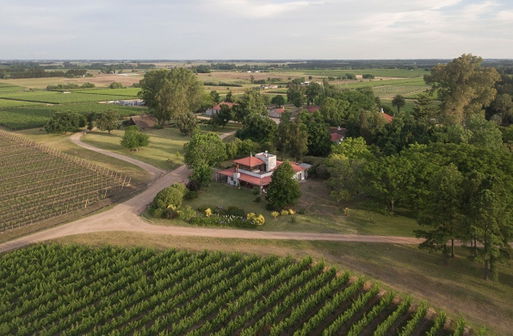
Bodega Marichal reads like a quietly assured regional estate: located on Canelones’ gently rolling coastal plain, it foregrounds disciplined cellar work and a coherent portfolio rather than showy theatrics. The 2025 Pearl 2 Star Prestige recognition signals a producer that is taken seriously by collectors and critics, and the writing here emphasizes structural consistency — reserve tiers, vertical expressions and attention to the Tannat grape. The overall impression is sophisticated and classic, with a serene rural setting that reinforces the winery’s focus on measured quality rather than flash.
Best For
This estate is best for people focused on learning about Uruguayan Tannat and how a producer organizes a multi-tier portfolio. The piece frames Marichal as a farm-estate that rewards tasting with context — collectors, curious visitors and small groups interested in verticals or reserve-vs-entry comparisons will get the most from a visit. Because the winery’s distinction is its steady quality across releases, the place suits anyone who wants a focused educational tasting that illuminates regional identity and cellar practice rather than a casual, social wine stop.
Tasting Tips
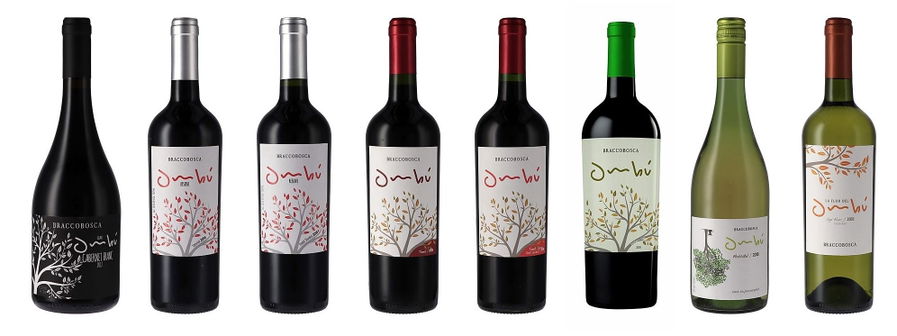
When approaching Marichal, prioritize wines and comparisons that illustrate the estate’s portfolio logic: ask for expressions that showcase Tannat across tiers and any reserve or vertical selections that demonstrate the differences the Pearl 2 Star Prestige references. Focus conversation on cellar practices and vineyard sourcing — the text highlights ambition at the vineyard level and discipline in the cellar as the drivers of the estate’s recognition. Treat tastings as an opportunity to track consistency across releases rather than hunting for a single standout bottle.
Planning details
Location
Also consider
Where to look if this does not work
If Bodega Marichal is too hard to secure, try Bodega Juanicó (Familia Deicas) first for a more predictable Canelones winery plan. For a second backup, compare Bodega De Lucca if the group needs a simpler schedule.
Winery context
How It Compares
Bodega Marichal is the higher-effort choice in this Canelones set: better for travellers willing to work around booking friction, weaker for groups that need clear visitor logistics before committing. Bodega Juanicó (Familia Deicas) is the safer first comparison for a more established-feeling winery day, while Bodega De Lucca is the better fallback if ease matters more than scarcity.
For value-minded planning, compare availability across Artesana, Los Nadies, Viña Progreso before committing to a route. If the priority is a low-stress Canelones tasting day, start with the venue that gives the clearest confirmation path. If the priority is a harder-to-secure stop, Bodega Marichal is the one to try first, with a backup already chosen.
Explore Canelones
Around this place
Discover more on Pearl
Unlock the full Bodega Marichal guide in Pearl, including awards, comparisons, FAQs, planning details, and nearby places.
Compare Bodega Marichal
| Venue | Location | Awards |
|---|---|---|
| Bodega Marichal | Canelones | No published awards |
| Bodega Juanicó (Familia Deicas) | Canelones | No published awards |
| Los Nadies | Canelones | No published awards |
| Bodega De Lucca | Canelones | No published awards |
| Artesana | Canelones | No published awards |
| Viña Progreso | Canelones | No published awards |
How Bodega Marichal Canelones compares with similar nearby venues.