Springbank
Campbeltown
Winery in Campbeltown, United Kingdom
 Book with Pearl
The Read
Full-Chain Independent Production
Why go
Springbank is the Campbeltown pick for whisky drinkers who care about producer depth, allocation, and regional context more than easy-access hospitality. It is worth planning around if whisky is the trip's focus; if access is tight, Glen Scotia or Glengyle (Kilkerran) are the natural local cross-shops.
About Springbank
Springbank is a Pearl 4 Star Prestige venue in Campbeltown for 2025. Beyond that recognition and its casual dress code, practical details are limited, so it is best approached as a Campbeltown stop to research directly before building a tight itinerary around it.
The safest planning frame is simple: treat Springbank as a Campbeltown venue with confirmed recognition, but do not assume specific services, formats, hours, prices, access policies, or on-site amenities unless you have checked them directly. If the visit matters to your trip, confirm the current details in advance.
Book around confirmed details, not assumptions
Springbank's profile is concise: Campbeltown location, casual dress code, and Pearl 4 Star Prestige recognition in 2025. Specific details for a menu, tasting format, tour format, reservation policy, group capacity, product availability, shipping, or other service features are not available.
If you are comparing Springbank with other names for a wider trip, Glen Scotia and Glengyle (Kilkerran) may be relevant points of comparison. Use those comparisons for itinerary planning, while checking each venue's current access and visitor information directly before committing time.
Use Campbeltown as the planning anchor
Springbank should be considered first as a Campbeltown listing with confirmed recognition. Ardbeg, Lagavulin, and Laphroaig can be useful broader comparisons for travelers considering a wider Scottish itinerary, but they should not be treated as Campbeltown alternatives.
Bottom line: consider Springbank if Campbeltown is already central to your plans and you value a Pearl-recognized stop. Keep the logistics flexible until current details are confirmed directly, as specific hours, pricing, booking requirements, service format, or visitor amenities are not established.
Planning details
- Location
- Springbank Distillery, Campbeltown PA28 6ET, UK
- Website
- springbank.scot
- Phone
- +44 1586 552009
The take
The Take
The Vibe
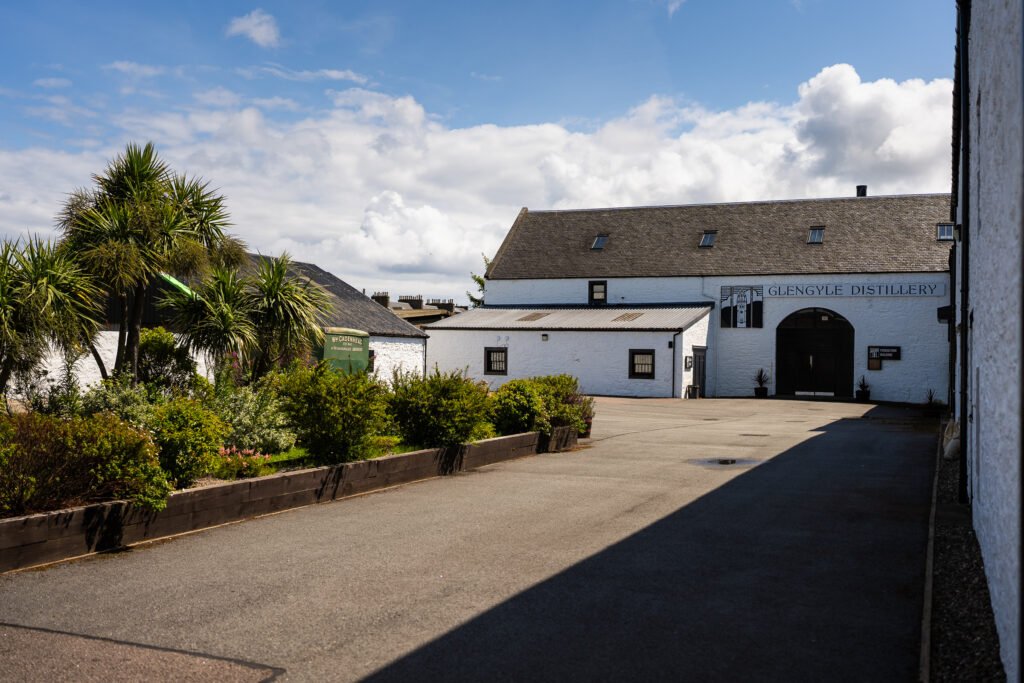
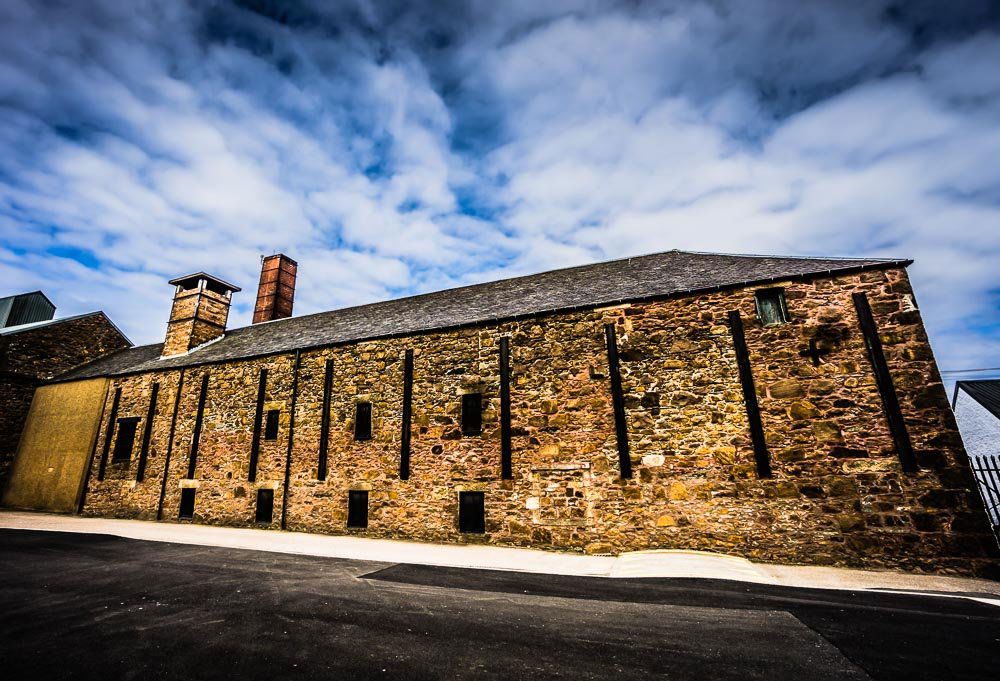
Springbank reads as a living piece of Campbeltown history — a working, vertically integrated distillery where the floor maltings, stills, warehouses, and bottling line still sit within a compact town block. The writing emphasizes the industrial grit and authenticity of production on site while also noting the remoteness of the Kintyre peninsula, which gives the distillery a hidden‑gem quality. Visitors encounter an environment that is rooted in nineteenth‑century distilling traditions but very much operational today: quietly industrious, historically resonant, and scenically placed at the tip of the peninsula.
Best For
Springbank is best suited to people who come for the whisky as much as for the story behind it: learners, single enthusiasts, and anyone curious about traditional production methods. The distillery’s unique claim — malting its own barley and completing distillation, maturation, and bottling on the same site — makes it a natural stop for educational visits and tasting‑room experiences that foreground provenance. Because the site sits in a relatively remote corner of Kintyre, visitors who value immersive, production‑focused encounters and who plan to travel the route by road get the most out of the visit.
Tasting Tips
Expect tastings and the visitor experience to be tightly connected to on‑site production rather than a standard offsite bottling story. When you visit, focus on expressions that reference Springbank’s single‑site production — staff commentary will often point to the floor maltings, stills, and maturation warehouses that are literally nearby. Allow extra time for the road journey down the peninsula: the remoteness is part of the context and is reflected in the distillery’s character and limited local production footprint.
Venue details
Ambiance
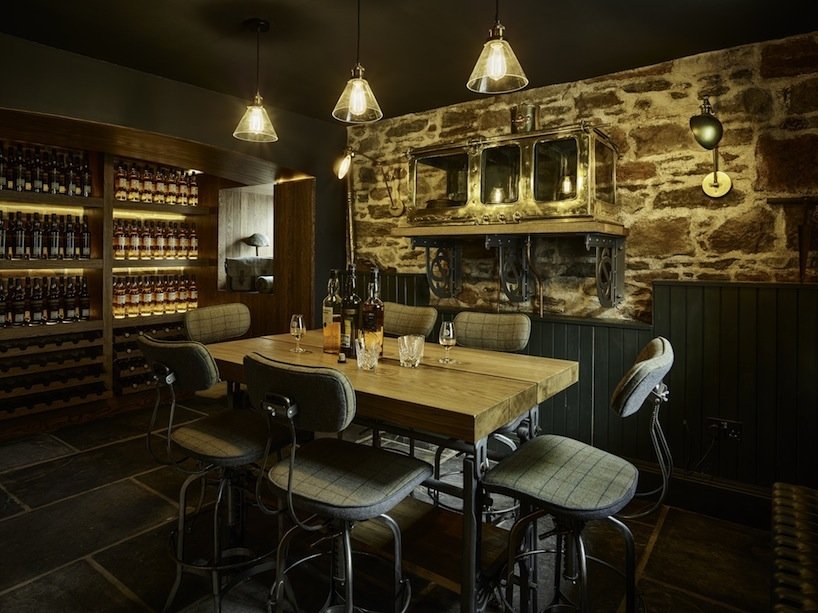
Traditional working distillery atmosphere with a hands-on, authentic feel described as a living museum by visitors.
Tags
Vibe
Best For
Experience
At the Vineyard
- Appellation
- Campbeltown
- Tour Duration
- 60-90 minutes
- Tour Languages
- English
- Visits
- By reservation
- Production
- Small producer
- Wine Club
- Not available
Know before you go
Know Before You Go
- Getting there
- Springbank Distillery, Campbeltown PA28 6ET, UK
Planning details
Location
Also consider
If Springbank is not workable
Start with Glen Scotia if staying in Campbeltown matters. It keeps the itinerary efficient and gives a useful local comparison without adding ferry or island logistics.
Choose Glengyle (Kilkerran) if the goal is a closer peer in producer identity and Campbeltown context. For a different style of whisky trip, look to Ardbeg, Lagavulin, or Laphroaig on Islay instead.
Winery context
How Springbank compares in Campbeltown and beyond
In Campbeltown, Springbank is the priority for collectors and whisky travelers who want the hardest-to-substitute stop. Glengyle (Kilkerran) is the closest peer for a focused local comparison, while Glen Scotia is the easier fallback for visitors who want to keep the itinerary anchored in town.
Against Islay names, the choice is about trip style. Ardbeg, Lagavulin, and Laphroaig make more sense for a peat-led island circuit with a more obvious visitor-route rhythm. Springbank is better for a Campbeltown-first itinerary where scarcity and regional specificity justify the effort.
For value, do not judge this only by tasting-room polish. The stronger value case is access to context: why a small whisky town has outsized pull with serious buyers. If the goal is ambiance and a broader travel day, Islay may feel more rewarding; if the goal is bottle intelligence, prioritize Campbeltown.
Explore Campbeltown
Around this place
Discover more on Pearl
Unlock the full Springbank guide in Pearl, including awards, comparisons, FAQs, planning details, and nearby places.
Compare Springbank
| Venue | Location | Awards |
|---|---|---|
| Springbank | Campbeltown | No published awards |
| Glengyle (Kilkerran) | Campbeltown | No published awards |
| Glen Scotia | Campbeltown | No published awards |
| Ardbeg | Port Ellen | No published awards |
| Lagavulin | Port Ellen | No published awards |
| Laphroaig | Port Ellen | No published awards |
How Springbank Campbeltown compares with similar nearby venues.
FAQ
Frequently Asked Questions
Does Springbank offer shipping?
How long should I plan for a visit to Springbank?
Does Springbank offer a club or membership?
Information about a club or membership for Springbank is not available. Base your decision on details confirmed directly by the venue.
What is Springbank best known for?
Information for a specific signature offering at Springbank is not available. Its confirmed details are Campbeltown location, casual dress code, and Pearl 4 Star Prestige recognition in 2025.
Do I need a reservation at Springbank?
Can Springbank handle large groups?
What other venues are useful comparisons for Springbank?
Glen Scotia and Glengyle (Kilkerran) may be relevant comparisons when planning around Springbank. For a broader Scottish itinerary, Ardbeg, Lagavulin, and Laphroaig may also be useful points of comparison.