Glengyle (Kilkerran)
Campbeltown
Winery in Campbeltown, United Kingdom
 Book with Pearl
The Read
Campbeltown Character Revival
Why go
A serious Campbeltown whisky stop for travellers specifically chasing Kilkerran context. Availability is the main hurdle, so prioritise it only if the label matters; otherwise build the day around Springbank or Glen Scotia and keep this as the harder-to-secure add-on.
About Glengyle (Kilkerran)
Glengyle (Kilkerran) is listed in Campbeltown with a smart casual dress code and Pearl 3 Star Prestige recognition for 2025.
Avoid building a plan around assumed formats, menus, prices, group capacity, tastings, opening hours, or purchasing options. Glengyle (Kilkerran) is in Campbeltown, and any visit-specific details should be confirmed directly before committing time.
Choose it for a focused Campbeltown plan
Glengyle (Kilkerran) is a Campbeltown venue with Pearl 3 Star Prestige recognition in 2025. This makes it relevant for travellers comparing notable Campbeltown stops, but information on a specific visitor format, hospitality style, menu, or programme is not available.
For planning, keep expectations precise. The dress code is smart casual. Anything more specific, including food service, drinks service, booking difficulty, visit length, pricing, or group suitability, should be checked directly with the venue.
Campbeltown first, wider comparisons second
Within a Campbeltown-focused plan, the natural named comparisons are Springbank and Glen Scotia, with Glengyle (Kilkerran) considered for its Campbeltown location, smart casual dress code, and Pearl 3 Star Prestige recognition for 2025.
For a broader itinerary, Ardbeg, Lagavulin, and Laphroaig are useful comparison points, but they should not be treated as Campbeltown stops. If your priority is simply other dining or hospitality in Campbeltown, compare options generically and verify current details before booking.
Planning details
- Location
- 9 Bolgam Street, Campbeltown, Argyll, PA28 6HZ
- Website
- kilkerran.scot
- Phone
- +44 1586 555428
The take
The Take
The Vibe
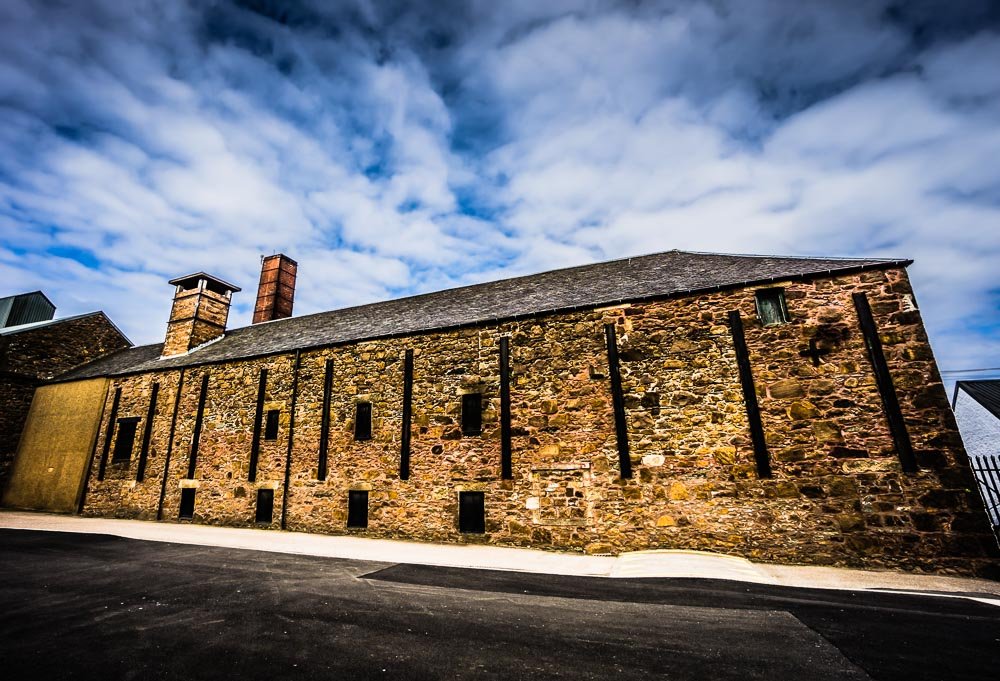
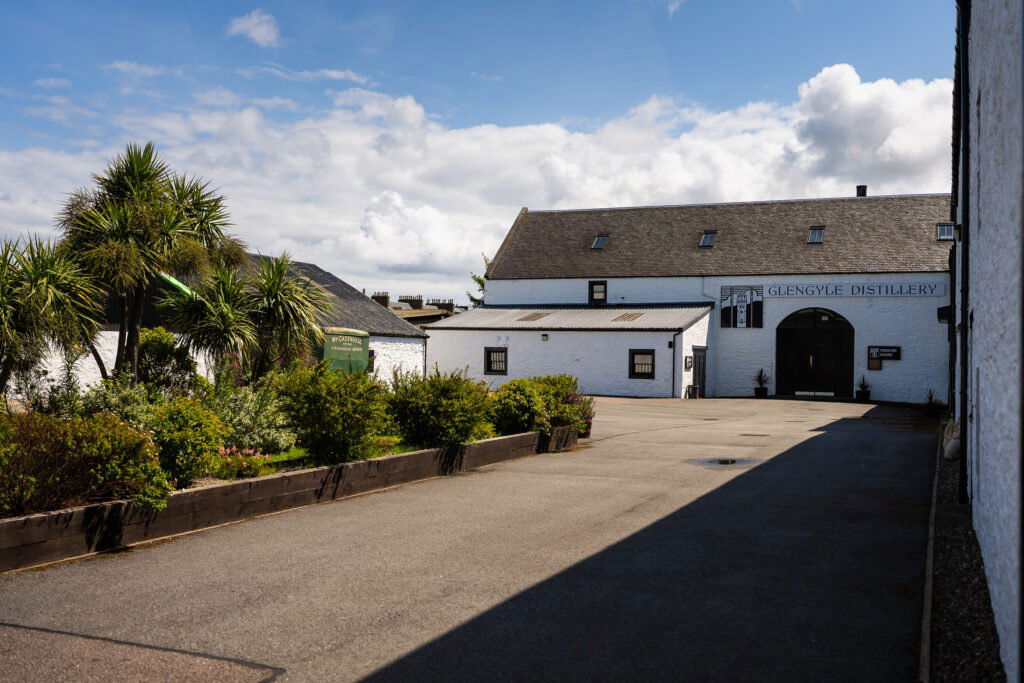
Glengyle (branded Kilkerran) feels like a quiet slice of regional revival: a nineteenth-century distillery building brought back to life and outfitted with wholly new equipment. The story in the walls is as important as what comes from the stills — the site sits at the intersection of Campbeltown’s Victorian distilling heyday and a twenty-first-century reopening that restored a third working producer to a region that had largely contracted. That hybrid — historic fabric combined with modern production philosophy — gives the place a thoughtful, heritage-rich character rather than flashiness, and frames visits as encounters with both past and present.
Best For
This site is best for visitors interested in whisky history and production context. The write-up foregrounds Campbeltown’s once-dominant industry, decades of dormancy and the significance of the 2004 reopening, so history-minded drinkers and those who want to understand how a reopened distillery positions itself among its regional peers will get the most out of a visit. It also suits solo explorers who want to read the place’s story at their own pace and anyone seeking an educational look at how brand names and historic buildings intersect in Scotland’s whisky world.
Tasting Tips
When looking for bottles or tasting opportunities, note a key naming detail: the whisky from the Glengyle distillery is released under the Kilkerran label because the Glengyle name was already in commercial use. That naming friction is explicitly noted in the description, so check labels for Kilkerran rather than expecting ‘Glengyle’ on retail bottles. The copy also highlights that the product is born of a historic building fitted with entirely new equipment and a distinct production philosophy, so frame expectations around a spirit that deliberately sits between a revived mothballed site and an all-new distillery.
Venue details
Ambiance
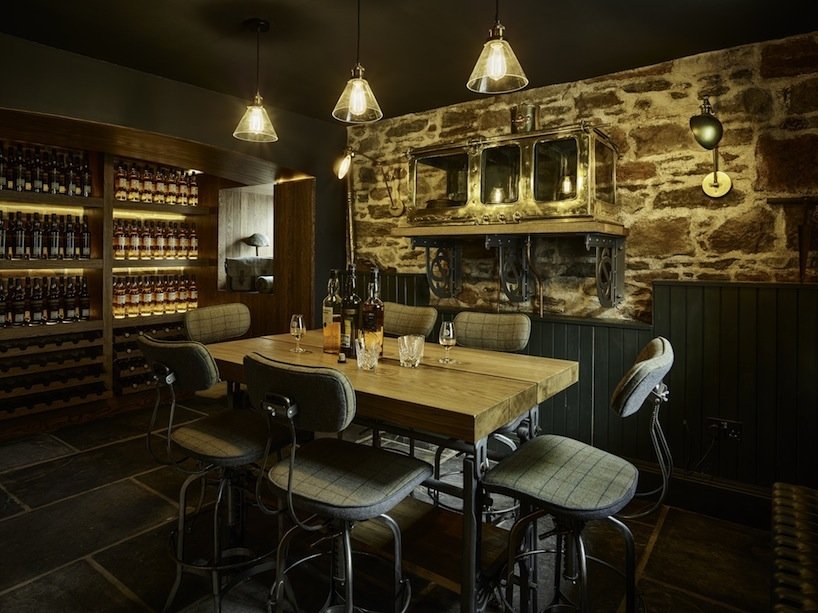
Historic and rustic atmosphere in a revived 19th-century building with traditional dunnage warehouses.
Tags
Vibe
Best For
Experience
At the Vineyard
- Appellation
- Campbeltown
- Tour Duration
- 60-90 minutes
- Tour Languages
- English
- Visits
- By reservation
- Production
- Small producer
- Wine Club
- Not available
Know before you go
Know Before You Go
- Getting there
- 9 Bolgam Street, Campbeltown, Argyll, PA28 6HZ
Planning details
Location
Also consider
Where to go if this is not available
Try Springbank first if the trip is built around Campbeltown whisky depth. It is the more natural substitute for travellers who want the local context to remain the point of the day.
Choose Glen Scotia if the group needs a more practical Campbeltown anchor. For an entirely different plan, Ardbeg makes sense only when the itinerary shifts toward Islay.
Winery context
How it compares in Campbeltown and beyond
Glengyle (Kilkerran) is the specialist choice in Campbeltown: harder to access, narrower in appeal, and better for travellers who already care about Kilkerran. Springbank is the stronger all-round Campbeltown comparison if the goal is local whisky gravity, while Glen Scotia is the safer anchor when the schedule needs a more workable plan.
For atmosphere, choose this for a quieter, more focused stop rather than a broad visitor-attraction feel. Ardbeg, Lagavulin, and Laphroaig belong to an Islay itinerary, so they are better cross-shops for travellers already committing to that island rather than staying in Campbeltown.
Value depends on intent. If Kilkerran is the reason for the trip, this is worth chasing despite the booking challenge. If the group includes casual drinkers or anyone expecting food, easier logistics, or a broader hospitality setup, Glen Scotia is the more practical first choice.
Explore Campbeltown
Around this place
Discover more on Pearl
Unlock the full Glengyle (Kilkerran) guide in Pearl, including awards, comparisons, FAQs, planning details, and nearby places.
Compare Glengyle (Kilkerran)
| Venue | Location | Awards |
|---|---|---|
| Glengyle (Kilkerran) | Campbeltown | No published awards |
| Springbank | Campbeltown | No published awards |
| Glen Scotia | Campbeltown | No published awards |
| Ardbeg | Port Ellen | No published awards |
| Lagavulin | Port Ellen | No published awards |
| Laphroaig | Port Ellen | No published awards |
How Glengyle (Kilkerran) Campbeltown compares with similar nearby venues.
FAQ
Frequently Asked Questions
What other venues might I compare with Glengyle (Kilkerran)?
For Campbeltown comparisons, look at Springbank and Glen Scotia alongside Glengyle (Kilkerran). Ardbeg, Lagavulin, and Laphroaig can be useful broader comparisons, but they should be planned separately rather than described as Campbeltown options.
Does Glengyle (Kilkerran) serve food?
Food service information for Glengyle (Kilkerran) is not available. If a meal is important to the plan, confirm current options directly and consider other dining in Campbeltown separately.
What is Glengyle (Kilkerran) known for?
Glengyle (Kilkerran) is known for its Campbeltown location, smart casual dress code, and Pearl 3 Star Prestige recognition for 2025. More specific service, product, or visit details are not available.
Does Glengyle (Kilkerran) offer a membership programme?
A membership programme for Glengyle (Kilkerran) is not listed. Base any decision on information confirmed directly by the venue rather than assuming one exists.
Does Glengyle (Kilkerran) offer purchasing or shipping options?
How long should I plan for a visit to Glengyle (Kilkerran)?
A specific visit length is not provided. Plan only around the basics: Glengyle (Kilkerran) is in Campbeltown, the dress code is smart casual, and it holds Pearl 3 Star Prestige recognition for 2025.