Glen Scotia
Campbeltown
Winery in Campbeltown, United Kingdom
 Book with Pearl
The Read
Campbeltown Single Malt Tradition
Price
$20–30tasting
Why go
Book Glen Scotia if Campbeltown whisky is the reason for the trip, not as a casual filler stop. It is a stronger fit for enthusiasts, special occasions, and tightly planned whisky weekends than for mixed groups looking for an easy, low-commitment activity.
About Glen Scotia
Is Glen Scotia worth planning for in Campbeltown? Yes, if you want a concise, carefully organized stop built around the venue itself rather than a long list of assumed extras. Glen Scotia carries Pearl 3 Star Prestige (2025), and the practical baseline is simple: dress is casual, and the visit should be planned with Campbeltown as the setting.
The strongest approach is to avoid assuming specific services, formats, prices, menus, or amenities. Treat Glen Scotia as a Campbeltown venue to schedule deliberately, then build the rest of the trip around firm plans rather than add-ons.
Book for a Campbeltown-focused stop, not a generic add-on
The smart reason to include Glen Scotia is that it gives the itinerary a clear Campbeltown anchor. If you are comparing named options, keep the comparison tight and relevant: Glengyle (Kilkerran) and Springbank are natural names to consider alongside Glen Scotia, while Ardbeg, Lagavulin, and Laphroaig make more sense as broader Scotland comparisons rather than interchangeable Campbeltown stops.
For a special occasion, Glen Scotia works best when the guest of honor specifically wants this Campbeltown venue in the plan. It is less useful as a vague filler stop if the group has not agreed on the purpose of the visit. Keep expectations grounded: Glen Scotia has Pearl 3 Star Prestige recognition for 2025 and a casual dress code, not detailed service features.
The value depends on planning, not add-ons
The decision should be framed around itinerary fit rather than presumed prices, schedules, service formats, or amenities. If Campbeltown is already central to the trip, Glen Scotia is easier to justify as a planned stop. If the itinerary is still open, compare it with other named venues such as Springbank, Glengyle (Kilkerran), Ardbeg, Lagavulin, and Laphroaig based on your travel route and availability.
The practical advice is simple: do not build the day around assumptions. Confirm the details you need directly before locking meals, hotels, or onward travel. For a birthday, anniversary, or hosted trip, set the Glen Scotia plan first, keep dress casual, and decide how much time to reserve in Campbeltown once the rest of the plan is in place.
Planning details
- Location
- 12 High St, Campbeltown PA28 6DS, UK
- Website
- glenscotia.com
- Phone
- +44 1586 552288
The take
The Take
The Vibe
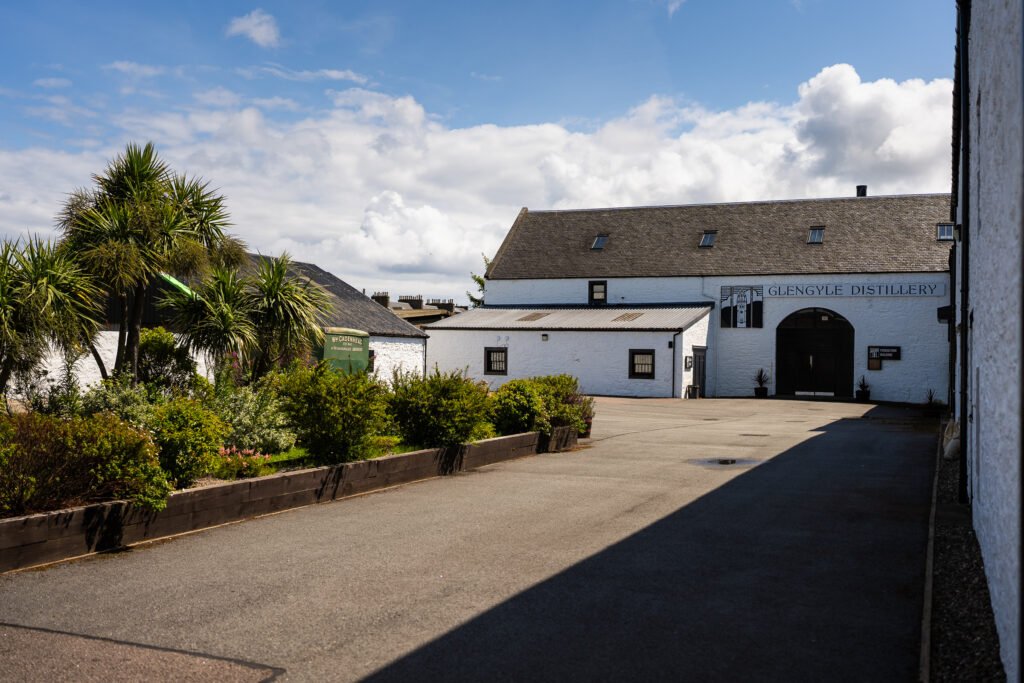
Glen Scotia sits squarely in its maritime setting, an enduring Campbeltown distillery whose presence on High Street dates to the nineteenth century. The narrative here is less about polish than place: salt‑heavy air, coastal exposure and local water shape the whiskies produced on site. That sense of terroir gives Glen Scotia a scenic, weighty character that appeals to collectors and curious visitors alike. The distillery’s role within the shrunken but storied Campbeltown landscape reinforces its significance — a historic working producer where the region’s identity and the sea’s influence are plainly evident in both story and spirit.
Best For
Glen Scotia is best for visitors who are focused on whisky and provenance: people interested in how coastal climate, water source and maturation conditions influence spirit character. It suits solo explorers who want to trace Campbeltown’s maritime imprint and collectors seeking regional context. Because the distillery is framed in the town’s long whisky history, it also works for those who want a tangible sense of place rather than an abstract tasting. Casual sightseeing visitors who value historic production sites will also find the setting and backstory rewarding.
Tasting Tips
When engaging with Glen Scotia offerings, center your attention on coastal character and maturation narratives mentioned in the distillery’s story. Ask staff about expressions that explicitly reference maritime influence or older maturation regimes — the description emphasizes proximity to the Atlantic and slow maturation as defining factors. If available, compare bottles that highlight different ages or maturation histories to sense how the sea air and local conditions shape flavor over time. Frame questions around provenance, water source and warehouse conditions to connect what you taste with the distillery’s coastal terroir.
Venue details
Ambiance
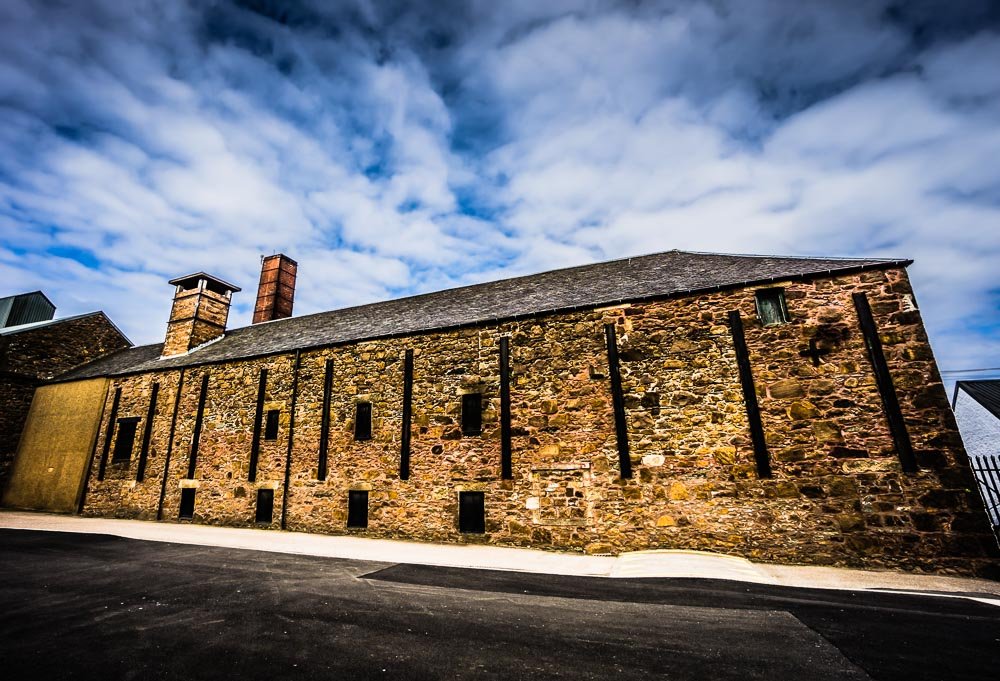
Evocative historic atmosphere with preserved Victorian-era buildings and a sense of timeless whisky heritage.
Tags
Vibe
Best For
Experience
At the Vineyard
- Appellation
- Campbeltown
- Tour Duration
- 60-90 minutes
- Tour Languages
- English
- Visits
- By reservation
- Production
- Small producer
- Wine Club
- Not available
Know before you go
Know Before You Go
- Getting there
- 12 High St, Campbeltown PA28 6DS, UK
Planning details
Location
Also consider
Also Consider
- Glengyle (Kilkerran), Notable alternative
- Springbank, Notable alternative
- Ardbeg, Notable alternative
- Lagavulin, Notable alternative
- Laphroaig, Notable alternative
Winery context
How it compares in Campbeltown and beyond
Against Glengyle (Kilkerran) and Springbank, Glen Scotia is the practical Campbeltown choice for readers who want a serious whisky stop without making the entire trip depend on one harder-to-secure name. Springbank is the obvious cross-shop for collectors and deep enthusiasts; Glengyle works well for drinkers specifically tracking Kilkerran. Glen Scotia is easier to recommend when the brief is a polished Campbeltown anchor with less itinerary risk.
Compared with Islay peers Ardbeg, Lagavulin, and Laphroaig, the trade-off is fame versus focus. The Islay names carry broader recognition and suit a trip built around peat-heavy whisky tourism. Glen Scotia is better for readers who want Campbeltown's smaller regional context and a less obvious route than the standard Islay circuit.
For value, choose Glen Scotia when travel to Campbeltown is already part of the plan. If the trip would require a major detour, Ardbeg, Lagavulin, or Laphroaig may deliver more name recognition for the effort. If the goal is a compact Campbeltown itinerary, start with Glen Scotia, then try Springbank or Glengyle if availability lines up.
Explore Campbeltown
Around this place
Discover more on Pearl
Unlock the full Glen Scotia guide in Pearl, including awards, comparisons, FAQs, planning details, and nearby places.
Compare Glen Scotia
| Venue | Location | Awards |
|---|---|---|
| Glen Scotia | Campbeltown | No published awards |
| Glengyle (Kilkerran) | Campbeltown | No published awards |
| Springbank | Campbeltown | No published awards |
| Ardbeg | Port Ellen | No published awards |
| Lagavulin | Port Ellen | No published awards |
| Laphroaig | Port Ellen | No published awards |
How Glen Scotia Campbeltown compares with similar nearby venues.
FAQ
Frequently Asked Questions
Do I need a reservation at Glen Scotia?
Plan ahead rather than relying on assumptions. Glen Scotia has Pearl 3 Star Prestige (2025), so it is reasonable to organize a Campbeltown itinerary around it. Confirm any booking requirements directly before you commit to travel plans.
When is the best time to visit Glen Scotia?
Visit when Campbeltown is already part of your plan, rather than treating it as a last-minute add-on. If you are comparing it with Springbank or Glengyle (Kilkerran), build the itinerary around availability and travel time.
What is Glen Scotia known for?
Glen Scotia is a Campbeltown venue with Pearl 3 Star Prestige (2025). Dress is casual; confirm any other specific features directly before planning around them.