Finca Quara
Cafayate
Winery in Cafayate, Argentina
 Book with Pearl
The Read
Calchaquí Altitude Viticulture
Why go
Finca Quara is worth prioritizing if the goal is a slower, occasion-worthy winery stop in Cafayate rather than a quick tasting between meals. Plan it as an anchor visit and compare it with Domingo Hermanos, Bodega Nanni, and Bodega Etchart depending on whether you want atmosphere, convenience, or a larger-name winery frame.
About Finca Quara
Finca Quara is a Cafayate venue with Pearl 2 Star Prestige recognition for 2025. It has a casual dress code, so the safest way to plan is to confirm specific services, menus, timings, and formats directly before you go.
Finca Quara belongs on a Cafayate shortlist if you are comparing recognized local venues, but the practical details of a visit should be checked with the venue before you build a schedule around it.
A recognized Cafayate stop with limited detail
The strongest reason to consider Finca Quara is its Pearl 2 Star Prestige recognition in 2025. The dress code is casual, which keeps the planning simple, but details for service style, food, tasting format, opening hours, pricing, or group capacity should be confirmed directly.
For readers building a broader itinerary, use the wider Cafayate planning context first, then decide whether Finca Quara should be one of the named stops you confirm directly. If lodging or another part of the trip matters, the adjacent planning pages may help: Our full Cafayate hotels guide and Our full Cafayate bars guide.
Where it fits among Cafayate venues
For comparison within Cafayate, look at Finca Quara alongside Bodega Etchart, Bodega Nanni, Domingo Hermanos, El Porvenir de Cafayate, and San Pedro de Yacochuya. Those names are useful reference points when deciding how many local venues to include, but each visit should be checked directly for current access, timing, and any booking requirements.
Because the detail for Finca Quara is intentionally narrow, avoid assuming a particular menu, tasting structure, drinks program, transport plan, or length of stay from this page alone. The takeaway is simple: Finca Quara is a casually dressed Cafayate venue with Pearl 2 Star Prestige recognition for 2025, best considered as part of a confirmed local itinerary.
Planning details
- Location
- Ruta 40 Km 4340, A4427 Cafayate, Salta
- Website
- fincaelrecreo.ar
- Phone
- +54 3868 63-8163
The take
The Take
The Vibe
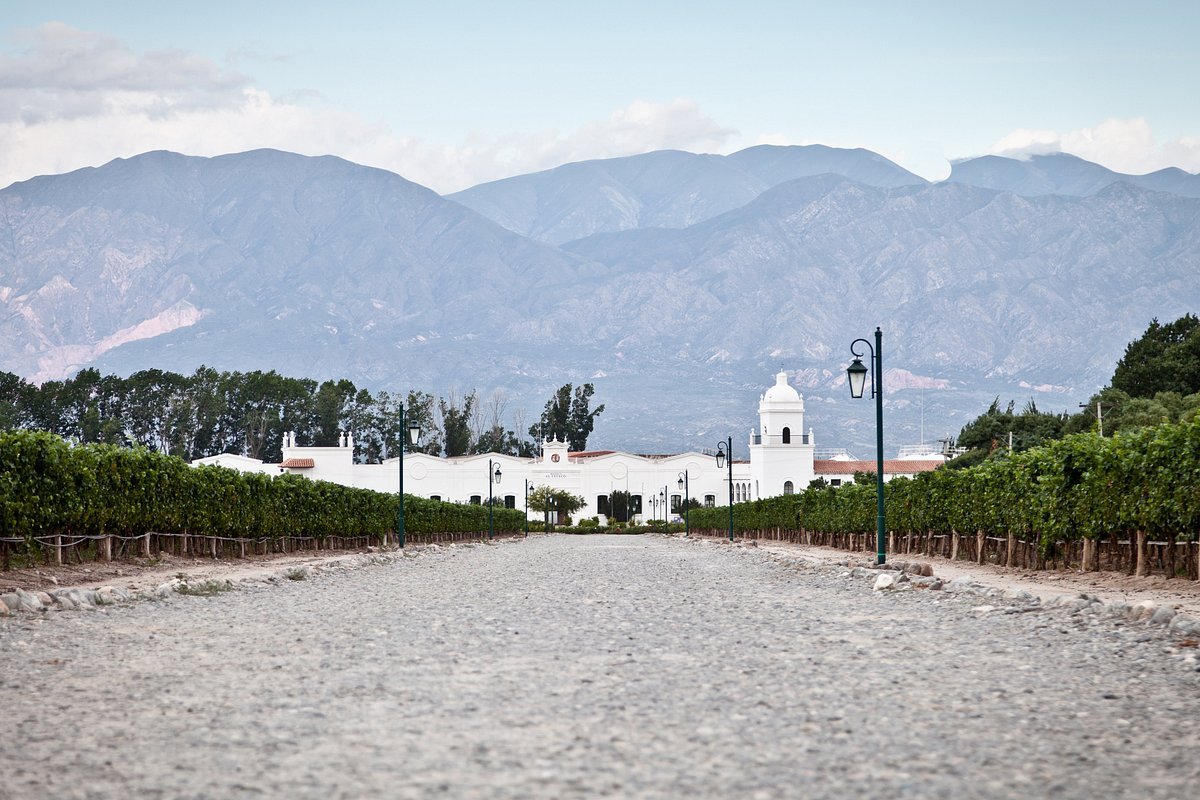
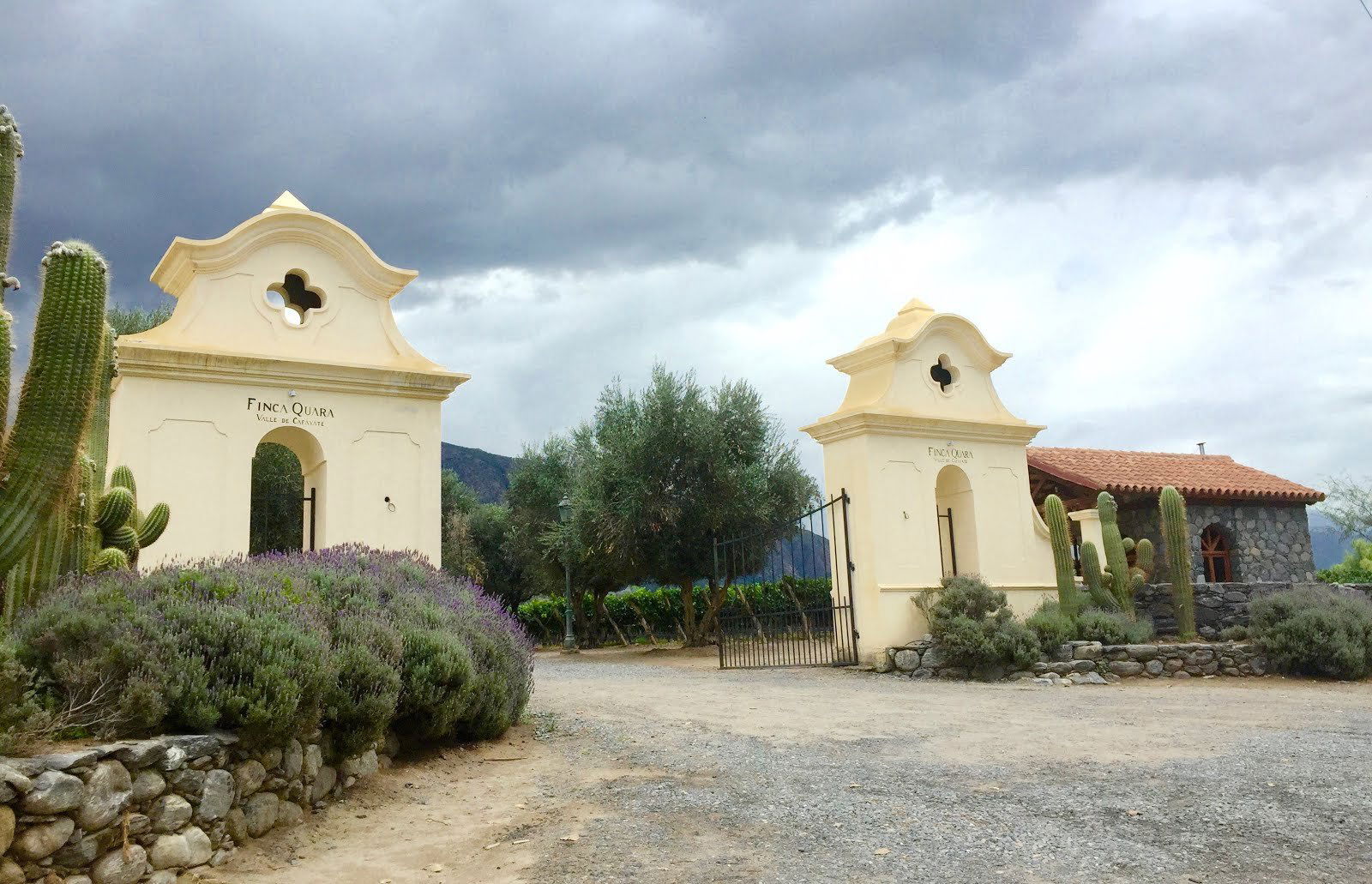
Finca Quara presents a quietly sophisticated, terroir-first personality rooted in high-altitude viticulture. The write-up emphasizes altitude, diurnal range and a cellar-centric approach — the cellar is described as a ‘second terroir’ — which frames the winery as deliberate and production-minded rather than touristic. Its location directly on Ruta 40 and the imagery of finca gates and dry-stone walls underline a secluded, land-attuned character: a polished, thoughtful producer that feels like a serious study in place and technique rather than a visitor-focused spectacle.
Best For
This finca is best for visitors who want substantive wine education and reflective solo exploration. The copy highlights Cafayate’s signature Torrontés, pronounced acidity from high-altitude vineyards, and careful decisions around barrel ageing, making Finca Quara a good match for people keen to learn about how altitude and cellar practices shape wines. It also suits travelers who prefer understated, non-touristy tasting experiences—those who want to engage with land, vines and cellar practices rather than a busy town-square attraction.
Tasting Tips
When you visit or taste from Finca Quara, prioritize the regional signature and cellar-driven contrasts: taste their Torrontés to evaluate floral intensity and acidity, then sample wines that show time in wood to understand how extended barrel ageing affects freshness. Ask the staff about diurnal temperature ranges, specific vineyard sites and their ageing programmes—the description foregrounds these choices as central to the winery’s philosophy. If available, request a cellar-focused discussion or walk of the estate to connect vineyard altitude and cellar decisions directly to the bottles.
Venue details
Ambiance
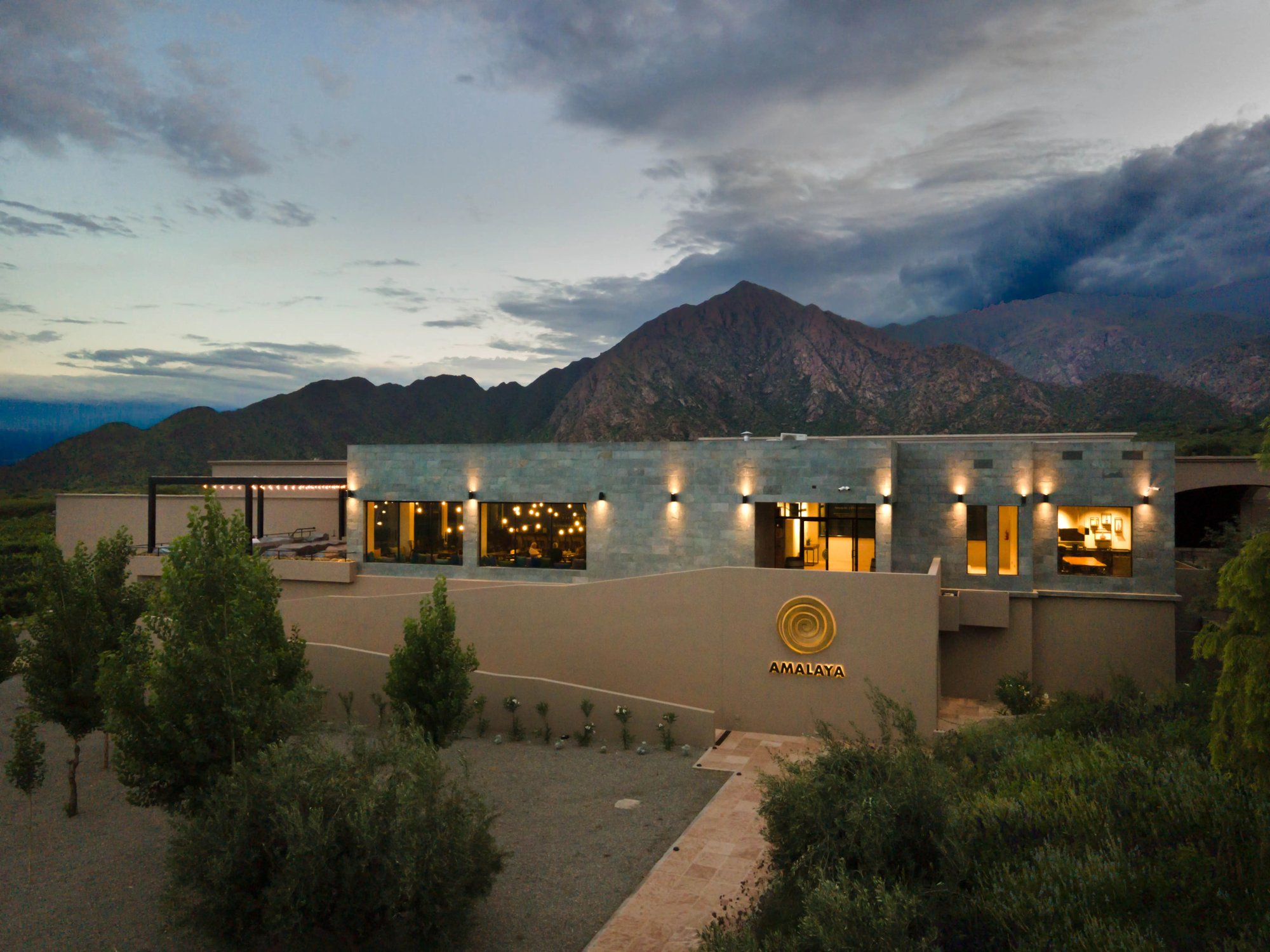
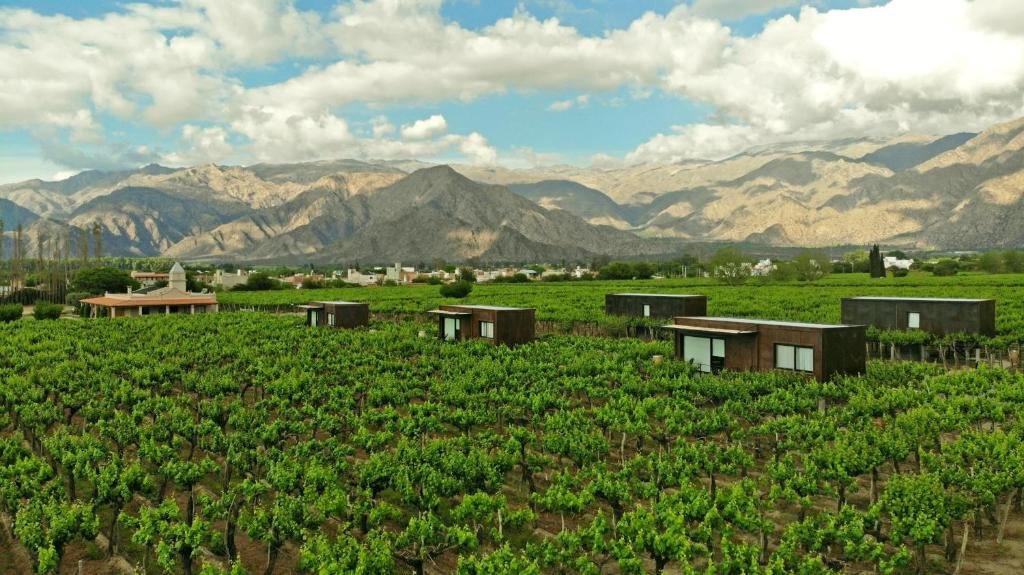
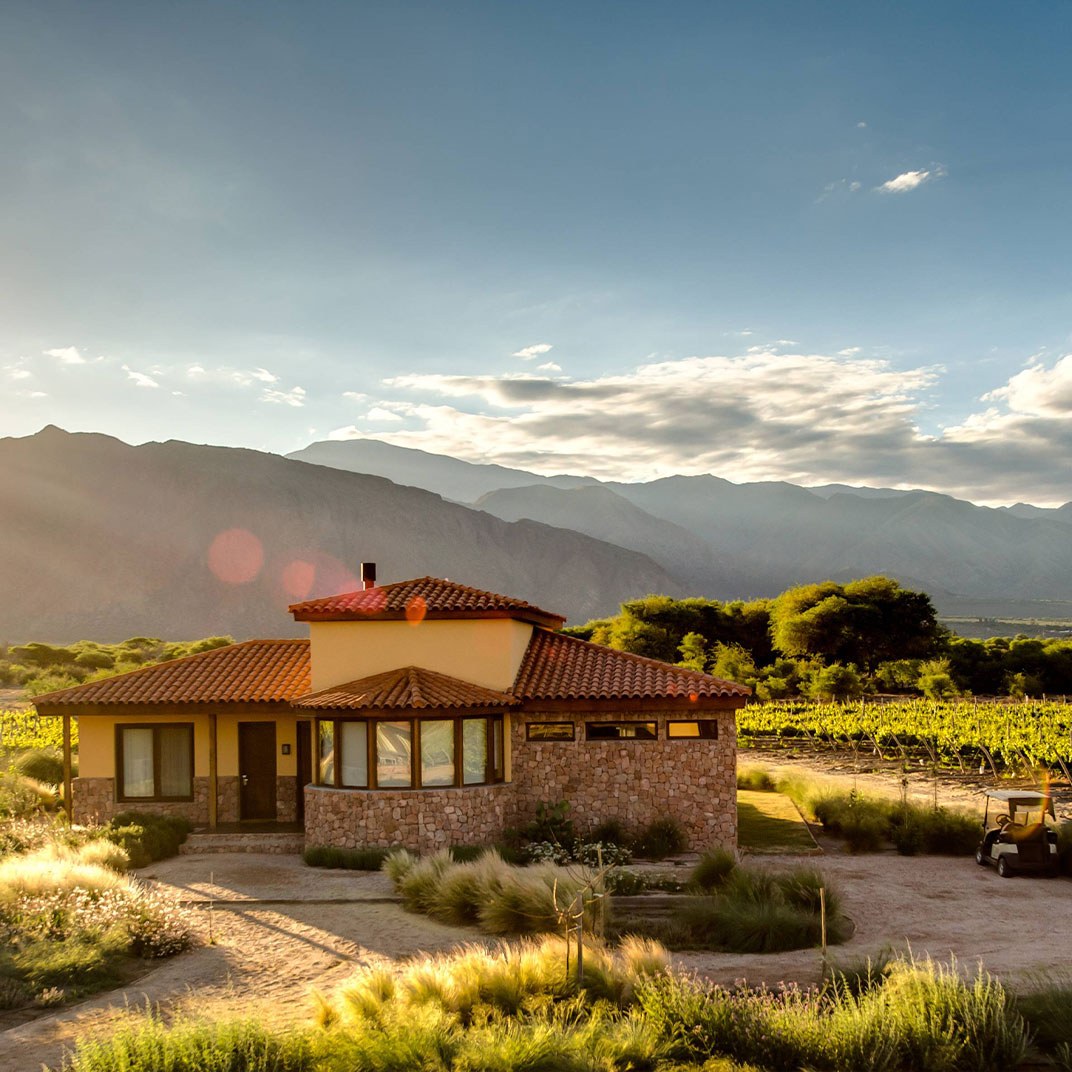
Tranquil and scenic vineyard atmosphere with colonial architecture and relaxing natural surroundings.
Tags
Vibe
Best For
Experience
View
At the Vineyard
- Appellation
- Cafayate Valley
- Varietals
- Torrontés, Malbec, Tannat, Cabernet Sauvignon, Merlot
- Tour Duration
- 90 minutes
- Tour Languages
- Spanish
- Visits
- By reservation
- Wine Styles
- Still Red, Still White
- Wine Club
- Not available
Know before you go
Know Before You Go
- Getting there
- Ruta 40 Km 4340, A4427 Cafayate, Salta
Planning details
Location
Also consider
Where to go if this is hard to schedule
If Finca Quara does not fit the day, try Bodega Nanni for a simpler Cafayate stop or Bodega Etchart for a broader winery experience with more name recognition. For a more destination-led comparison, San Pedro de Yacochuya is the better backup than adding another quick central tasting.
Winery context
How Finca Quara compares in Cafayate
Finca Quara is the better fit for visitors who want a slower, more occasion-led winery stop in Cafayate. Domingo Hermanos is the easier cross-shop for a simpler tasting day, while San Pedro de Yacochuya makes more sense for travelers who want a more out-of-town, destination-style comparison.
For convenience, Bodega Nanni is the safer fallback if timing is tight. Bodega Etchart is the stronger choice when the brief is a larger, more recognizable Cafayate winery experience. Pick Finca Quara when ambiance and a composed visit matter more than checking off multiple stops.
El Porvenir de Cafayate is the cross-shop for readers who want another polished Cafayate name without moving too far from the core wine route. If only one winery can make the schedule, choose based on mood: Finca Quara for a special-occasion pace, Bodega Nanni for ease, Bodega Etchart for scale, and San Pedro de Yacochuya for a more destination-led outing.
Explore Cafayate
Around this place
Discover more on Pearl
Unlock the full Finca Quara guide in Pearl, including awards, comparisons, FAQs, planning details, and nearby places.
Compare Finca Quara
| Venue | Location | Awards |
|---|---|---|
| Finca Quara | Cafayate | No published awards |
| Domingo Hermanos | Cafayate | No published awards |
| San Pedro de Yacochuya | Cafayate | No published awards |
| Bodega Etchart | Cafayate | No published awards |
| Bodega Nanni | Cafayate | No published awards |
| El Porvenir de Cafayate | Cafayate | 2026 Falstaff Winery Guide |

How Finca Quara Cafayate compares with similar nearby venues.
FAQ
Frequently Asked Questions
Do I need a reservation at Finca Quara?
If your schedule is fixed, contact Finca Quara directly before going; the confirmed details are that it is in Cafayate, has a casual dress code, and holds Pearl 2 Star Prestige recognition for 2025.
When is the best time to visit Finca Quara?
Plan your Cafayate itinerary only after confirming current visit details with Finca Quara.
Are specific visit options at Finca Quara available?
If particular arrangements matter to your visit, ask Finca Quara directly before making plans.
How long should I plan for a visit to Finca Quara?
What other Cafayate venues can I compare with Finca Quara?
Useful Cafayate comparisons include Domingo Hermanos, San Pedro de Yacochuya, Bodega Etchart, Bodega Nanni, and El Porvenir de Cafayate. Confirm current access and visit details with each venue before building a schedule.
Does Finca Quara serve food?
Do not plan a meal around Finca Quara unless you have confirmed current dining options directly with the venue.
Can Finca Quara handle large groups?
Large parties should contact Finca Quara directly before visiting, especially if timing or coordination matters.